The Ultimate Guide to Zero Waste Grocery Shopping: Navigating Plastics, Food Waste, and Rising Food Economics

The modern supermarket experience is increasingly defined by an overwhelming abundance of single-use plastics. From pre-sliced fruits encased in rigid plastic clamshells to individual cucumbers shrink-wrapped in thin layers of polyethylene, eliminating packaging during a routine grocery trip has become a formidable challenge for the average consumer. According to global data analyses, plastic food packaging accounts for approximately 40 percent of all plastic waste generated worldwide, with the United States, European nations, and China serving as the primary contributors to this escalating environmental burden.
However, the ecological footprint of the modern food system extends far beyond petrochemical packaging. Food waste represents an equally pressing crisis occurring simultaneously at the commercial retail level and within individual households. Commercial agricultural and retail sectors frequently discard vast quantities of edible produce solely because they fail to meet rigid aesthetic standards regarding uniform size, shape, or minor surface blemishes. Concurrently, consumer households discard substantial portions of their purchased provisions due to improper storage techniques, over-purchasing tendencies, and a lack of meal planning infrastructure.
This environmental challenge converges with mounting economic pressures. According to recent economic projections from the United States Department of Agriculture (USDA), overall food prices are forecasted to climb by approximately 3.6 percent. In an inflationary economic climate where grocery expenditures consume an increasingly large share of household incomes, the financial imperative to eliminate both packaging waste and food waste has never been more urgent. Modern consumers are finding that sustainable shopping practices are no longer merely an ecological choice, but a fundamental financial necessity.
Defining Zero Waste Grocery Shopping and Sourcing Strategies
Zero waste grocery shopping requires a fundamental shift in consumer habits, moving away from convenience-oriented, pre-packaged goods toward a circular model that accounts for both container waste and food loss. Implementing this approach successfully involves altering where and how provisions are purchased.
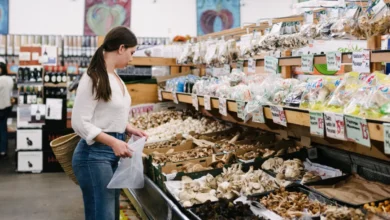
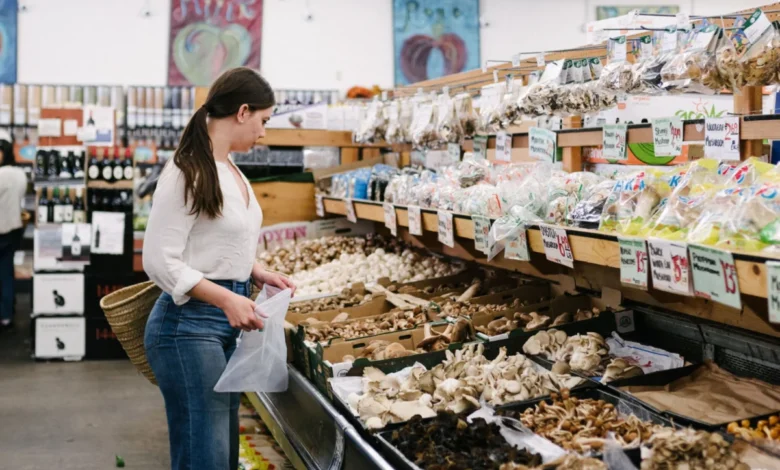
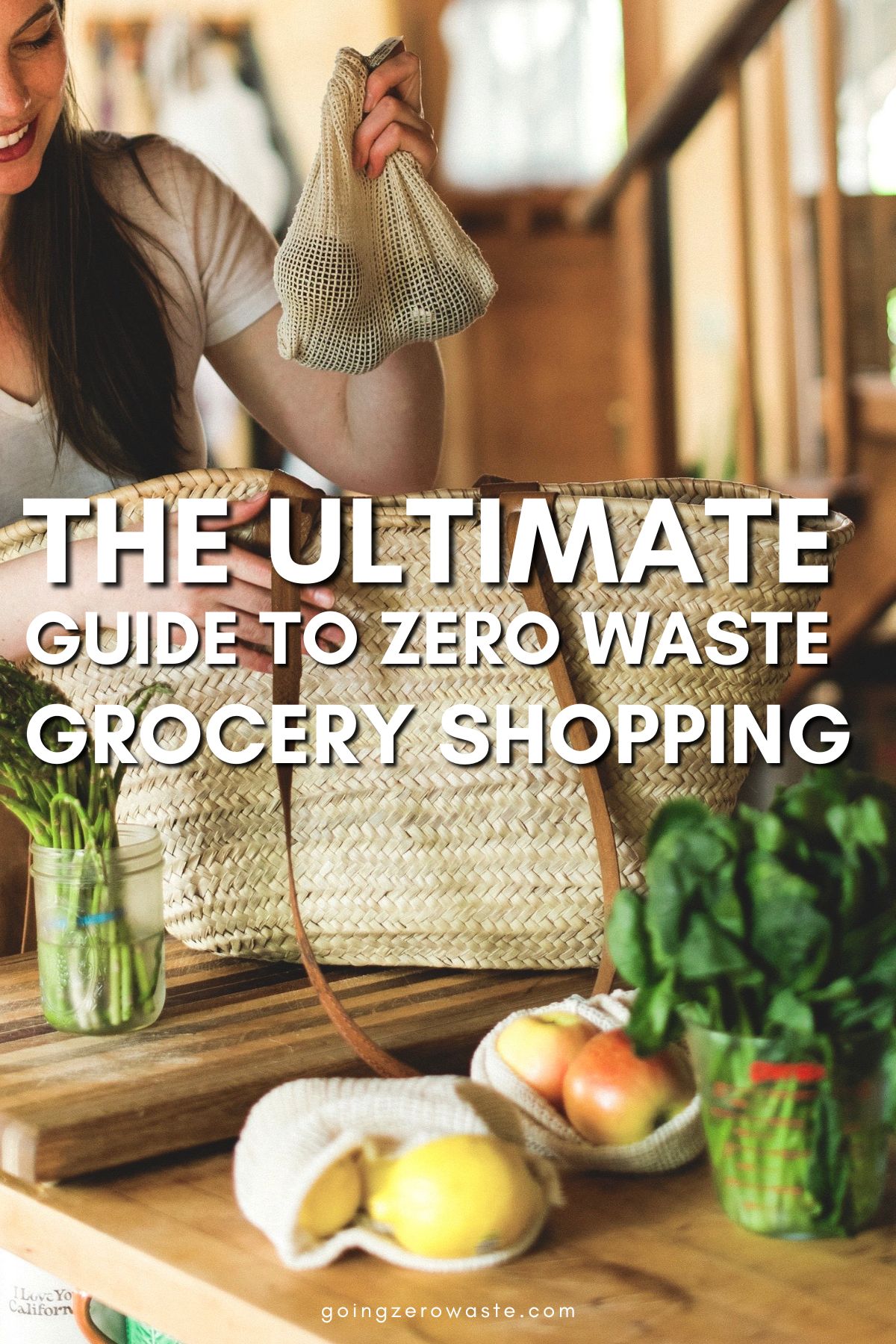
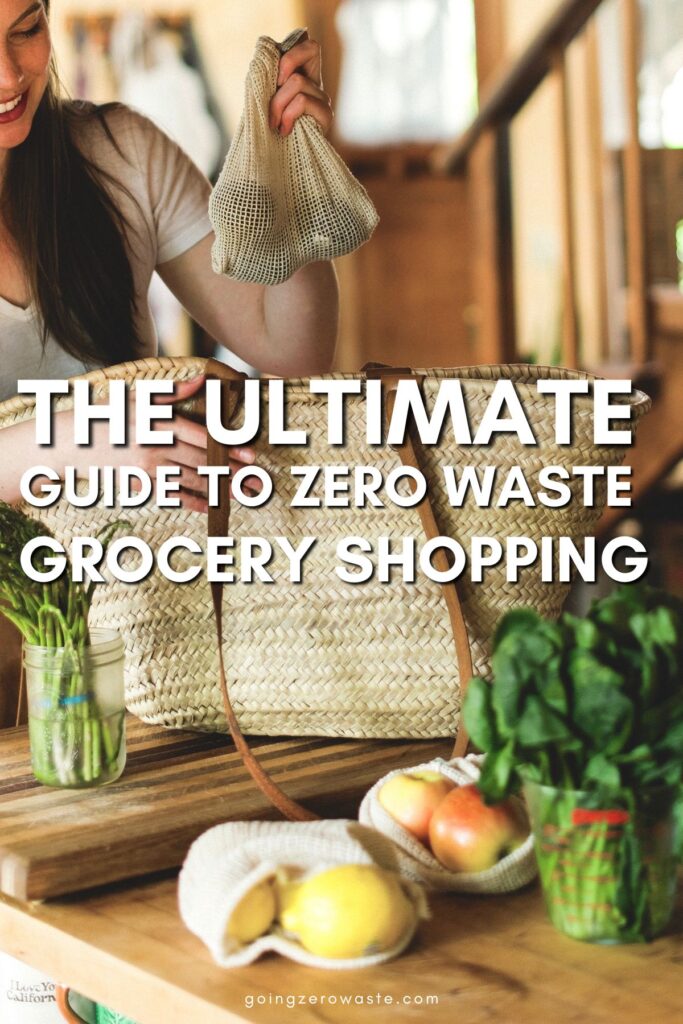
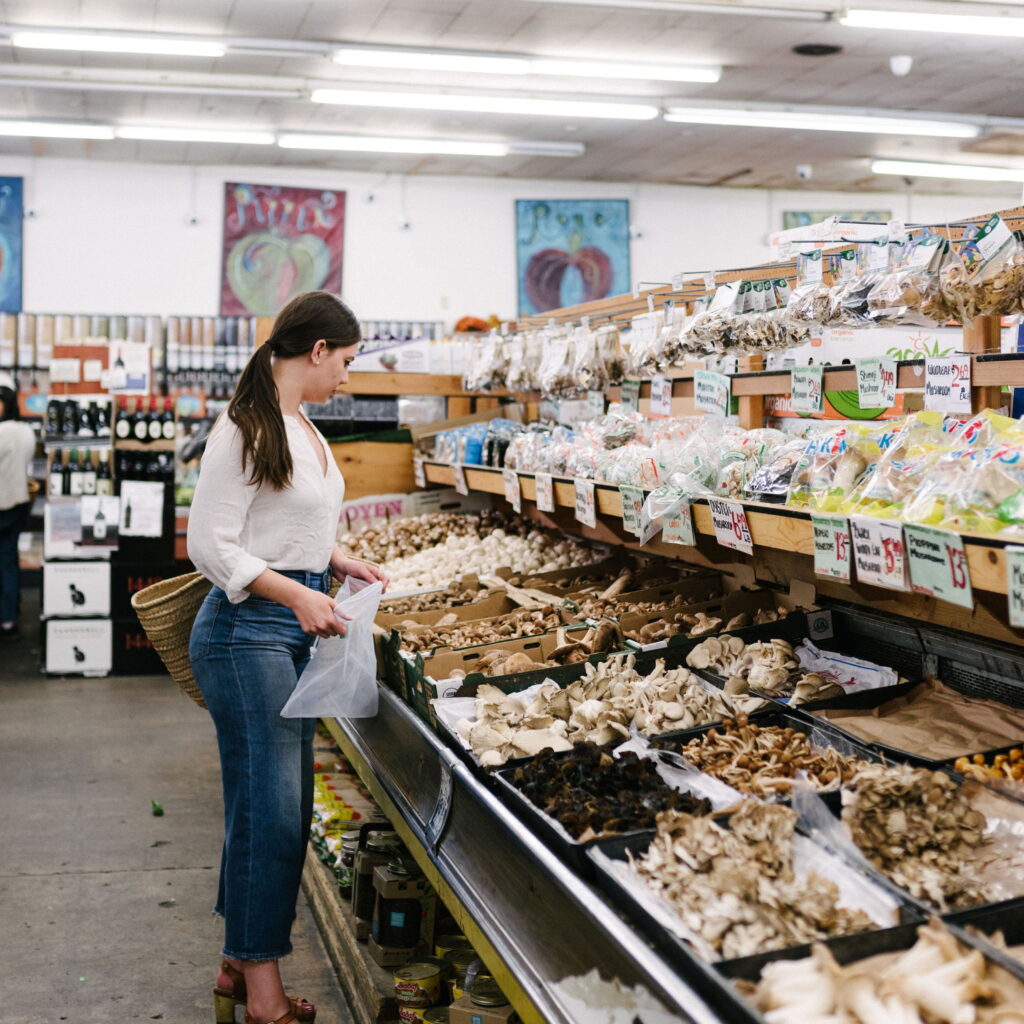
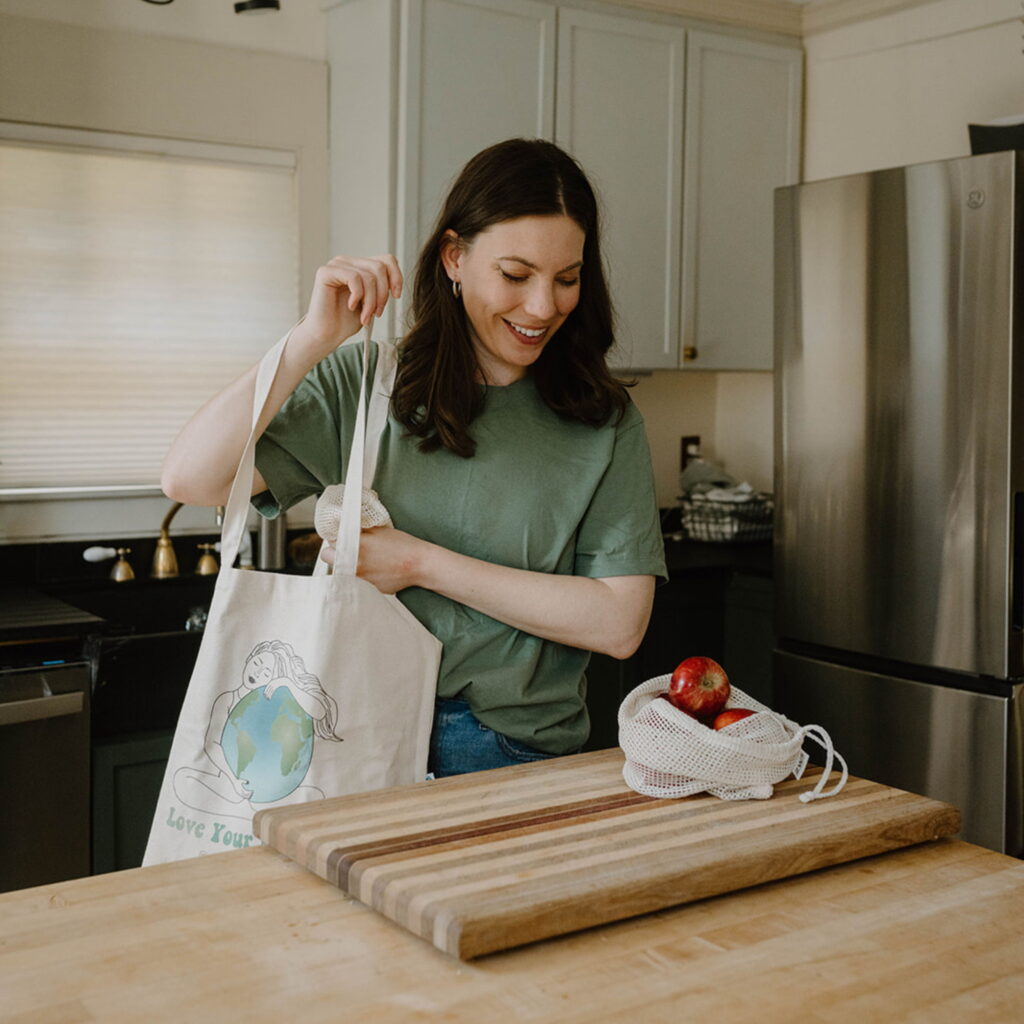
The primary strategy involves selecting loose, unpackages produce—often referred to in sustainability circles as "naked produce"—rather than items bundled in plastic netting, trays, or bags. Consumers can equip themselves with reusable cotton produce bags and durable tote bags to eliminate the need for single-use plastic bags provided at checkout. Furthermore, embracing irregularly shaped fruits and vegetables—such as bruised apples or clustered bananas often overlooked by traditional shoppers—prevents perfectly good food from being prematurely discarded. Many independent markets and cooperative grocers offer these "wonky" items at a marked-down price, providing a direct financial incentive alongside environmental benefits.
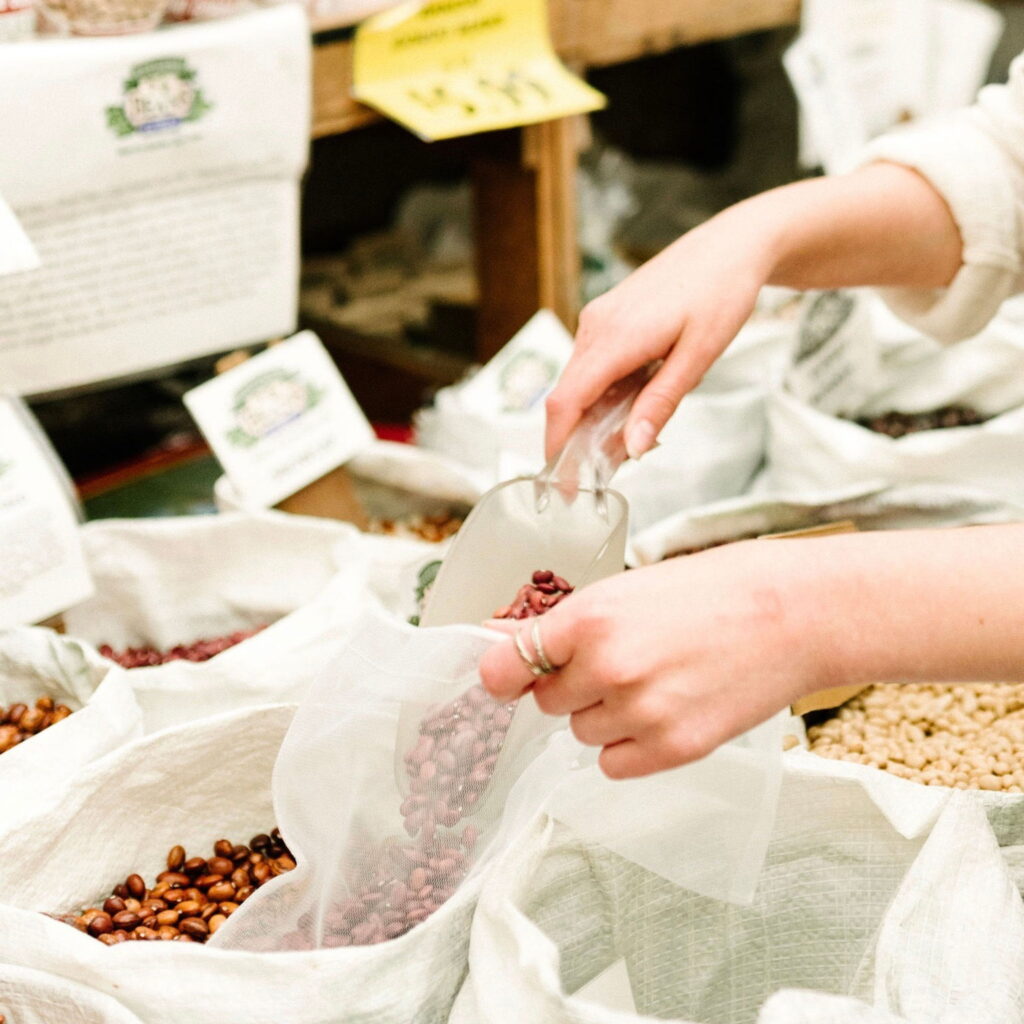
For dry goods such as grains, legumes, spices, and flours, utilizing bulk bins—frequently hosted at specialized refilleries or progressive supermarkets—allows shoppers to bring their own tare-weighed containers and purchase exact quantities. This practice prevents surplus purchasing and eliminates packaging entirely. Similarly, local farmers’ markets offer an ideal environment for low-waste procurement, as vendors typically sell unlabelled produce packaged minimally in paper cartons or wood baskets.
When bulk bins or local markets are inaccessible, consumers can still minimize waste by prioritizing alternative packaging materials like glass, metal, paper, and cardboard over conventional plastics. For unavoidable plastic containers, such as rigid clamshells, establishing an active upcycling routine—such as repurposing them for seed starting in community gardens or utilizing designated soft-plastic take-back programs at local retail centers—mitigates their journey to municipal landfills.
Pre-Shopping Preparation: Budgeting and Logistics
Transitioning to a low-waste lifestyle requires deliberate logistical planning before entering a retail environment. Successfully avoiding impulse purchases and managing expenditures starts with pre-shopping preparation and mapping local resources.
Resource Mapping and Technological Tools
Consumers can utilize directories such as The Refill Collective to locate nearby bulk-refill stations and independent markets by entering local postal codes. If specialized refilleries are located beyond a practical driving radius—typically defined as more than an hour’s commute—shoppers must pivot to maximizing low-waste strategies within conventional supermarket chains.
Budgeting Frameworks and Financial Discipline
Establishing a strict financial framework prevents overspending, particularly when navigating bulk departments where prices per pound can vary significantly. Allocating specific cash amounts for different retail locations—such as setting aside a fixed allowance for a farmers’ market versus a conventional supermarket—restricts impulse buying more effectively than digital credit transactions, where the physical transfer of currency is absent.
Moreover, tracking promotional applications, digital coupons, and store-specific loyalty programs provides early access to discounts. Developing a direct rapport with local agricultural vendors at regional markets can also yield informal discounts on surplus or cosmetically imperfect harvests.
Essential Equipment Checklist
Equipping a household for low-waste shopping requires a few durable, long-lasting tools:
- Produce Bags: Lightweight mesh cotton bags are optimal for breathable items like leafy greens, while solid cotton bags securely hold fine bulk items like flours and grains.
- Tote Bags: Sturdy canvas or woven totes distribute weight evenly and replace hundreds of single-use plastic bags annually.
- Glass Jars and Transport Dividers: Clean mason jars or upcycled glass containers are essential for bulk item acquisition. Storing these jars inside wine bags equipped with fabric dividers prevents breakage during transit.
Meal Planning, Preparation, and Storage Innovations
Mitigating food waste begins with structured meal planning tailored around flexible ingredient utilization rather than rigid, single-use recipes. Creating a master inventory of household culinary preferences ensures that purchased ingredients serve multiple meals throughout the week.
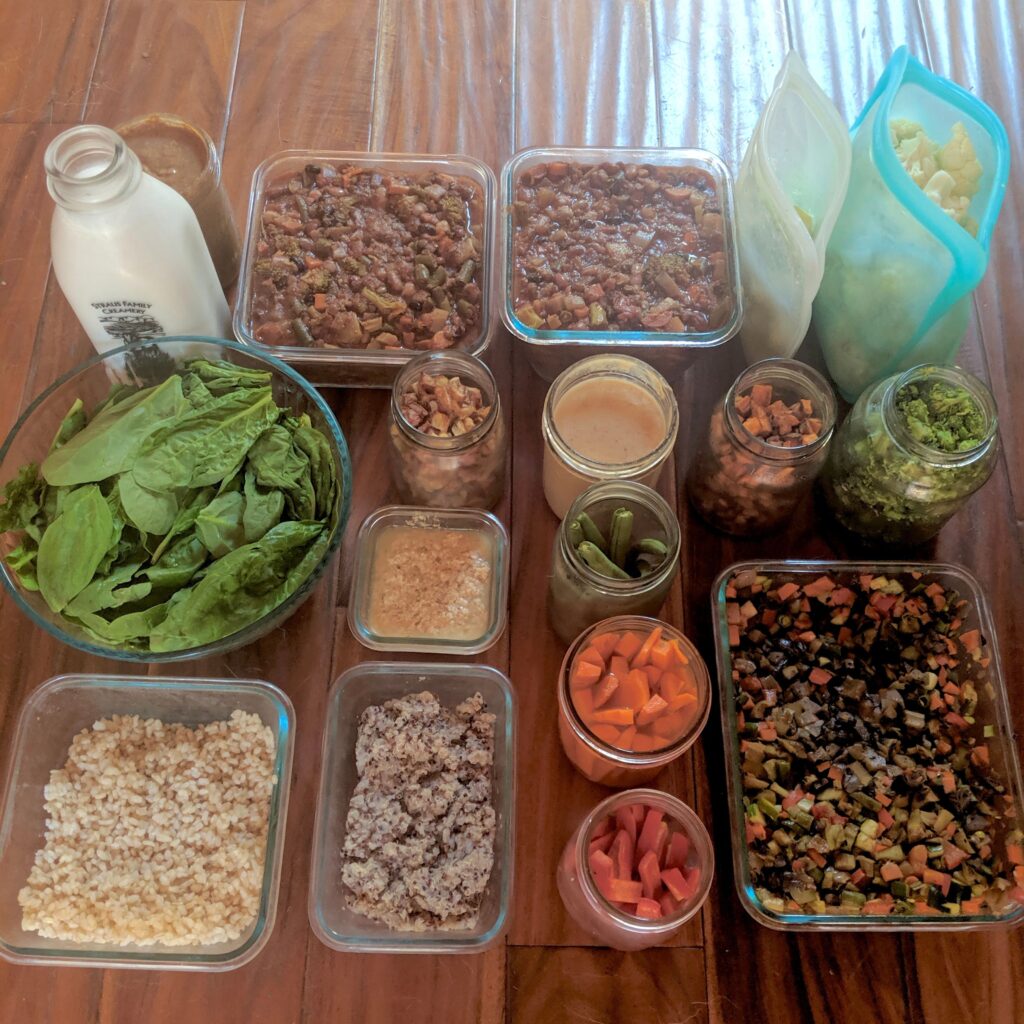
Prior to creating a shopping list, consumers must conduct a thorough audit of existing refrigerator and pantry contents to prevent redundant purchases. Once groceries are acquired, executing preliminary food preparation—such as washing, peeling, and chopping vegetables immediately upon returning home—significantly reduces the barrier to cooking after a demanding workday.
Proper storage techniques dictate whether produce degrades prematurely or remains fresh for weeks. For instance, storing trimmed carrots submerged in fresh water inside a sealed glass container within the refrigerator maintains their structural crispness and prevents dehydration. Conversely, delicate fruits like berries should remain unwashed and stored in airtight glass containers only until immediate consumption.
Refrigerator organization is equally critical. Temperature zones within refrigeration units vary significantly; perishable items susceptible to rapid spoilage should never be stored on refrigerator doors, which represent the warmest thermal zone due to frequent opening. Crisper drawers should be utilized strategically to separate high-humidity requirements (such as leafy greens) from ethylene-producing fruits that accelerate ripening.
Creative Utilization of Food Scraps
Maximizing the utility of purchased provisions involves consuming parts of produce that are conventionally discarded. Edible remnants such as carrot tops, beet greens, and radish tops possess rich nutrient profiles and can be repurposed into pestos, chimichurris, or salad bases. Vegetable peels and root ends can be accumulated in a freezer bag over time and subsequently simmered to create nutrient-dense vegetable stock, cutting down on commercial broth purchases packaged in laminated cartons.

For culinary applications utilizing broader scrap management techniques, educational resources such as 101 Tips For a Zero Waste Kitchen provide comprehensive frameworks for transforming citrus peels, strawberry stems, and herb stalks into shelf-stable syrups, preserves, and flavor bases.
Sustainable Composting Methods for Unavoidable Waste
When organic materials cannot be repurposed into culinary dishes, composting serves as the final interceptor before organic waste enters municipal landfills—where anaerobic decomposition produces substantial methane emissions.
Households lacking immediate outdoor space can store daily food scraps in repurposed takeout containers or silicone bags within the freezer to eliminate decomposition odors. Transitioning to a countertop compost pail equipped with a charcoal filter and biodegradable liners facilitates clean, indoor scrap collection.
Depending on regional infrastructure, organic waste can be diverted through curbside municipal composting programs, community garden drop-off initiatives, or independent collection services. For homeowners with private outdoor access, backyard systems such as tumbling composters, DIY wooden bins, or trench composting (burying organic matter directly into garden soil) offer decentralized waste management solutions.
Adhering strictly to regional composting guidelines is essential; while industrial municipal facilities can safely process complex organic waste including meat and dairy, backyard aerobic systems generally require strict adherence to carbon-to-nitrogen ratios, typically restricting animal proteins unless specialized bokashi fermentation methods are employed. Ultimately, viewing composting as a secondary safety net rather than a primary disposal method ensures that the economic and nutritional value of food is maximized at every stage of the consumer cycle.