Stopping Food Throwing: A Comprehensive Guide to Managing Pediatric Mealtime Behavior


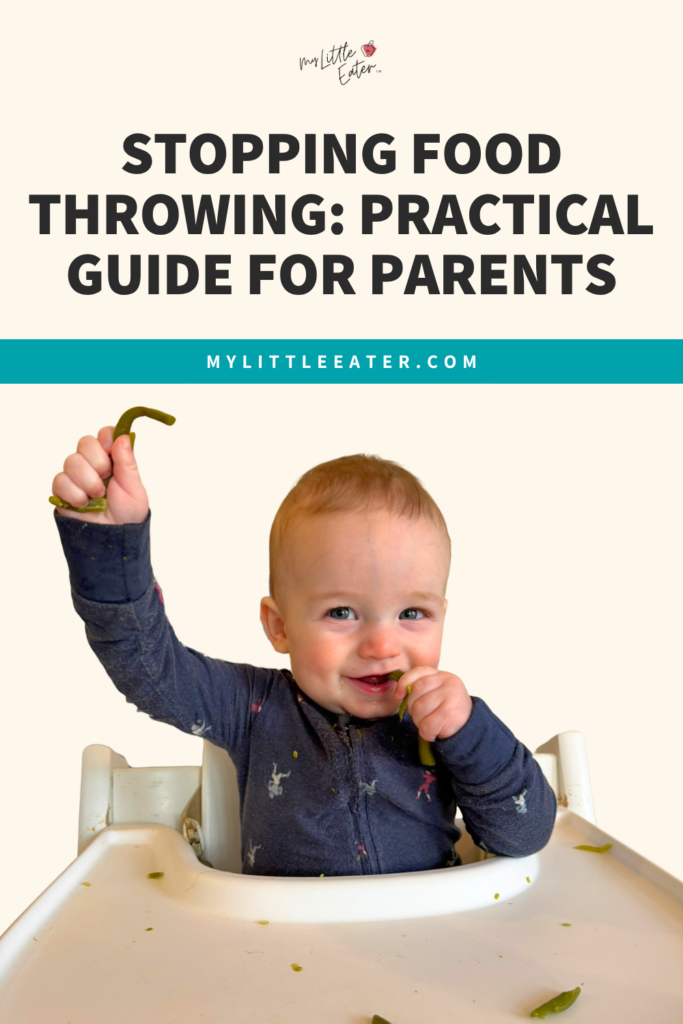
The act of a child launching food from a high chair is a ubiquitous experience for parents, frequently occurring between the ages of 12 and 36 months. While often perceived by caregivers as an act of defiance or a deliberate attempt to cause disruption, pediatric experts identify this behavior as a developmental milestone rather than a behavioral transgression. Understanding the underlying psychological and physiological drivers of food throwing is the first step for parents in mitigating the mess and fostering healthier mealtime habits.
The Developmental Roots of Mealtime Propulsion
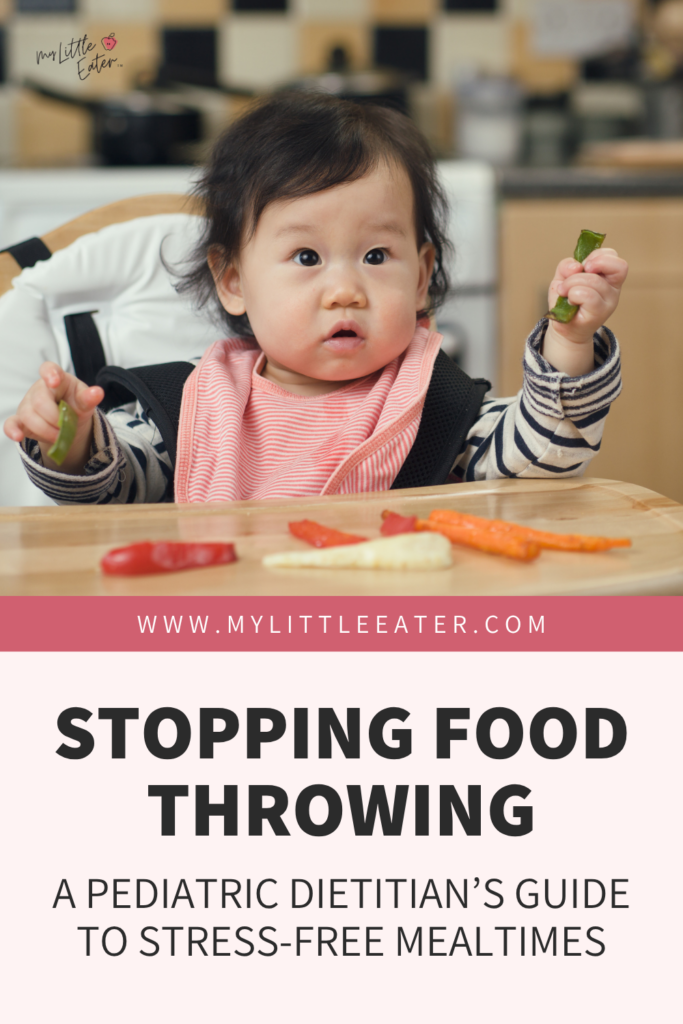
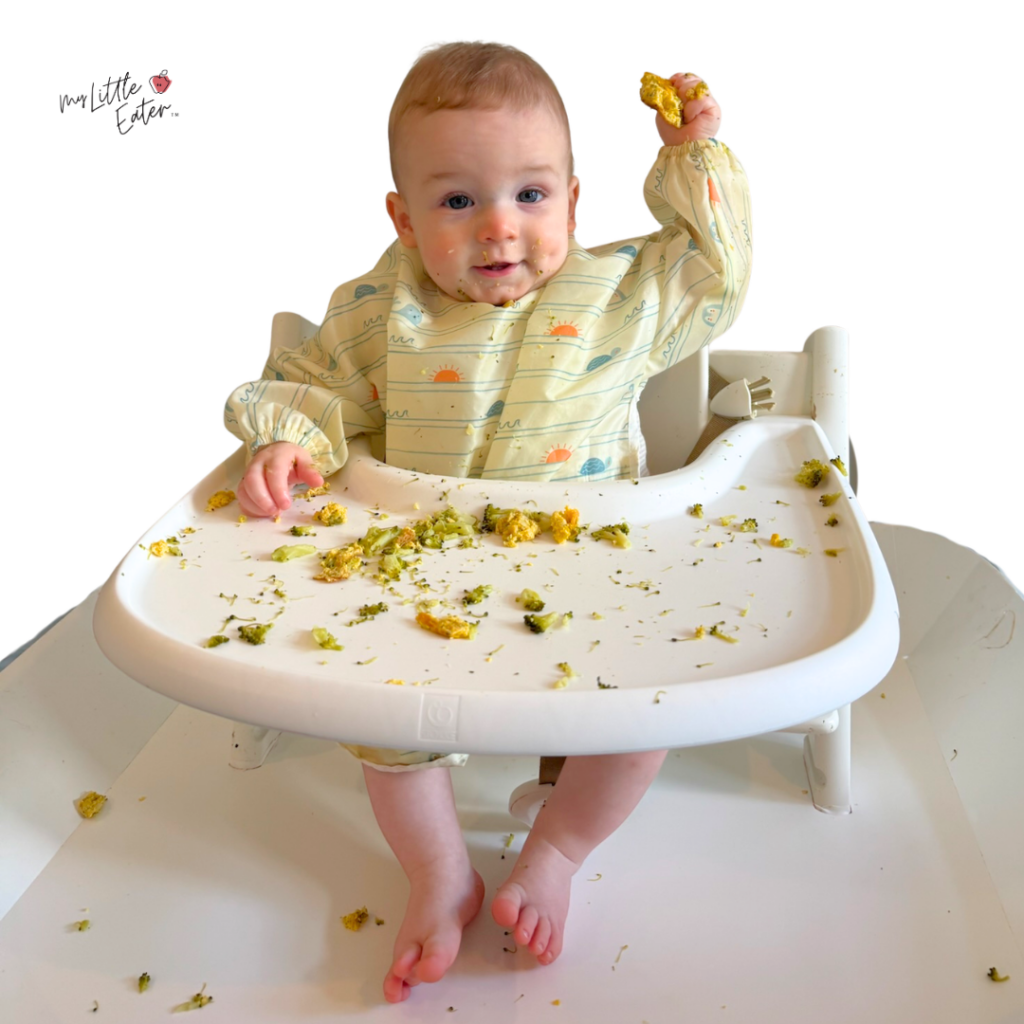
Research in child development suggests that throwing food is rarely an aggressive act. Instead, it serves as an early experiment in cause-and-effect physics. Infants and toddlers are naturally inquisitive; by releasing an object and observing its trajectory and impact, they are engaging in rudimentary scientific observation. According to developmental psychologists, children at this stage are testing the boundaries of their environment, observing the reactions of caregivers, and exploring the properties of matter—specifically texture, density, and velocity.
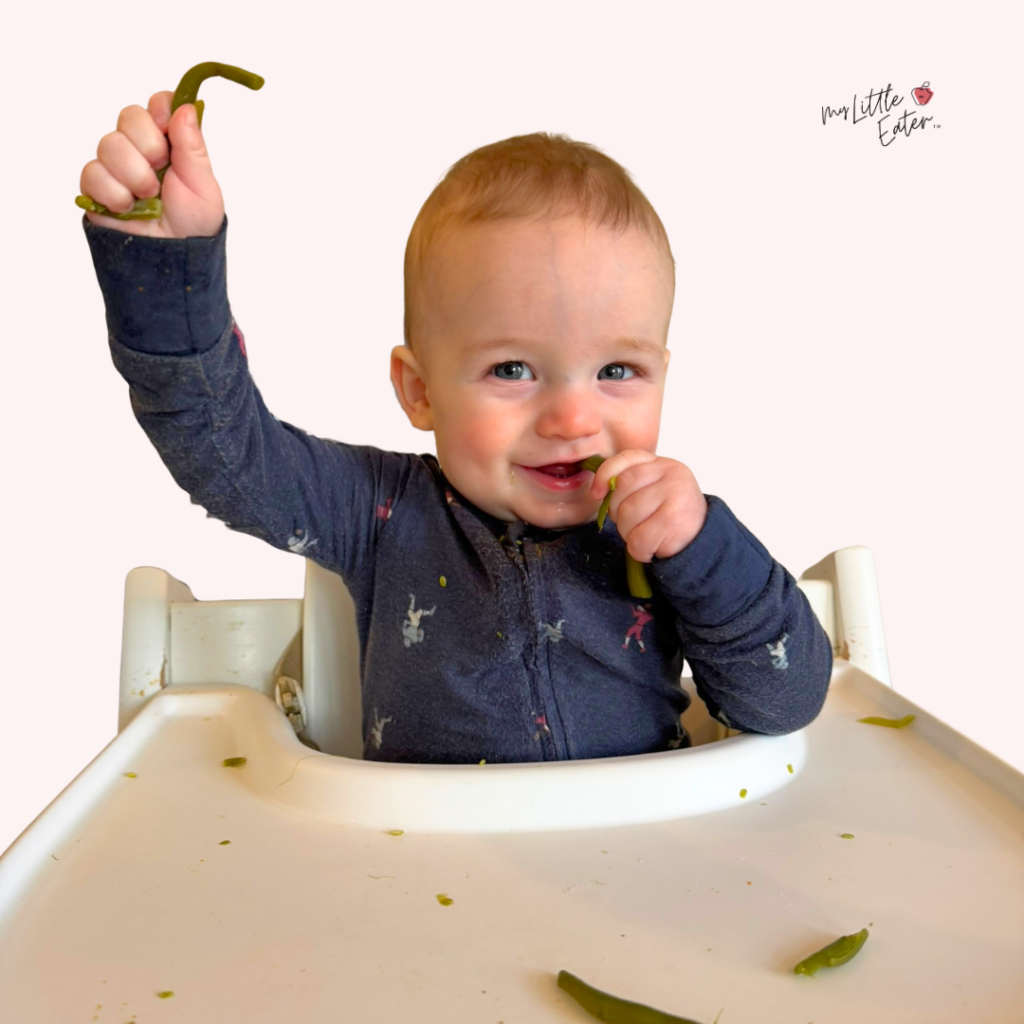
Beyond scientific curiosity, the behavior is deeply linked to the limitations of early communication. Because toddlers lack the vocabulary to articulate complex needs—such as "I am full," "I am overstimulated," "I dislike this specific texture," or "I am seeking attention"—they utilize non-verbal communication. When a child throws a piece of broccoli or pasta, they are often expressing a binary choice: the food is either undesired or the act itself is a bid for social interaction.
Sensory Processing and Physical Limitations
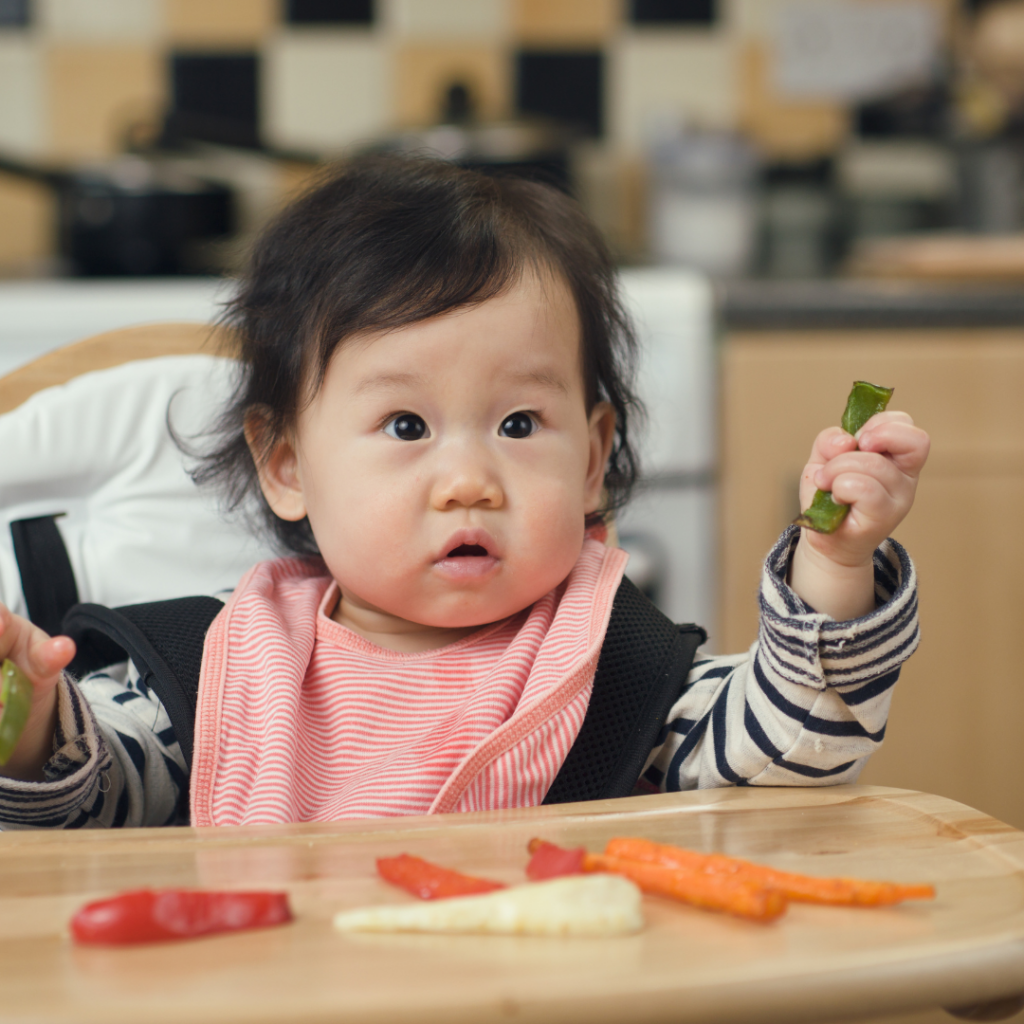
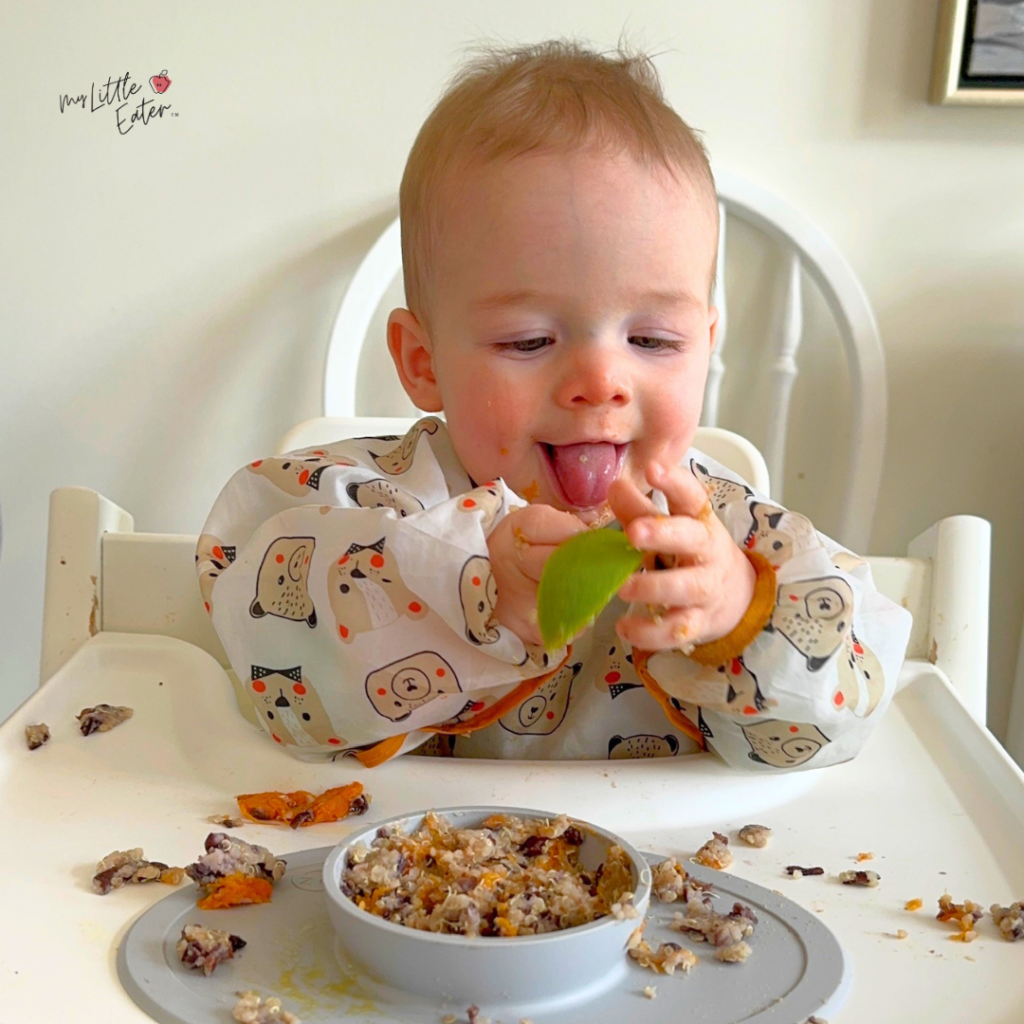
A significant contributor to food throwing is sensory overwhelm. Children’s sensory systems are still maturing, and unexpected textures—such as the cold, slimy, or mushy consistency of certain foods—can trigger a protective, reflexive rejection. This is not necessarily a sign of future picky eating, but rather a momentary sensory processing response where the child attempts to remove an unpleasant stimulus from their immediate space.
Furthermore, physical environment plays a critical role. Many high chairs lack proper ergonomic support. If a toddler’s feet are dangling, they lack a stable base, which leads to physical restlessness. This instability often manifests as wiggling and, subsequently, the displacement of items on the tray as the child struggles to maintain a comfortable posture. Ensuring a chair provides a footrest to support a 90-degree angle at the hips, knees, and ankles can significantly reduce the physical agitation that leads to food displacement.
Chronology of the Behavior and Long-term Implications
Food throwing typically emerges as a child gains the motor skills to grasp and release objects intentionally, usually around the 10-to-12-month mark. It often peaks during the toddler years and, in the absence of reinforcement, naturally declines as verbal communication skills improve and impulse control develops.
However, the response of the caregiver is the primary factor in how long this phase persists. If a parent reacts with dramatic emotions—whether through laughter, visible frustration, or stern verbal reprimands—the child interprets this as a successful "game." Because toddlers often crave engagement, the immediate, high-energy response from an adult reinforces the behavior. Data from pediatric feeding clinics indicate that when parents shift to a neutral, low-interaction response, the frequency of food throwing often diminishes significantly within two to three weeks.
Evidence-Based Management Strategies
To manage this behavior effectively, pediatric dietitians recommend a systematic, evidence-based approach that prioritizes structure and neutrality.
- The Neutral Response Rule: Caregivers should strive to maintain a "poker face" when food is thrown. Avoiding eye contact and cleaning up the mess without commentary removes the social reward that the child is seeking. If the child is not gaining a reaction, the behavior loses its utility as a game.
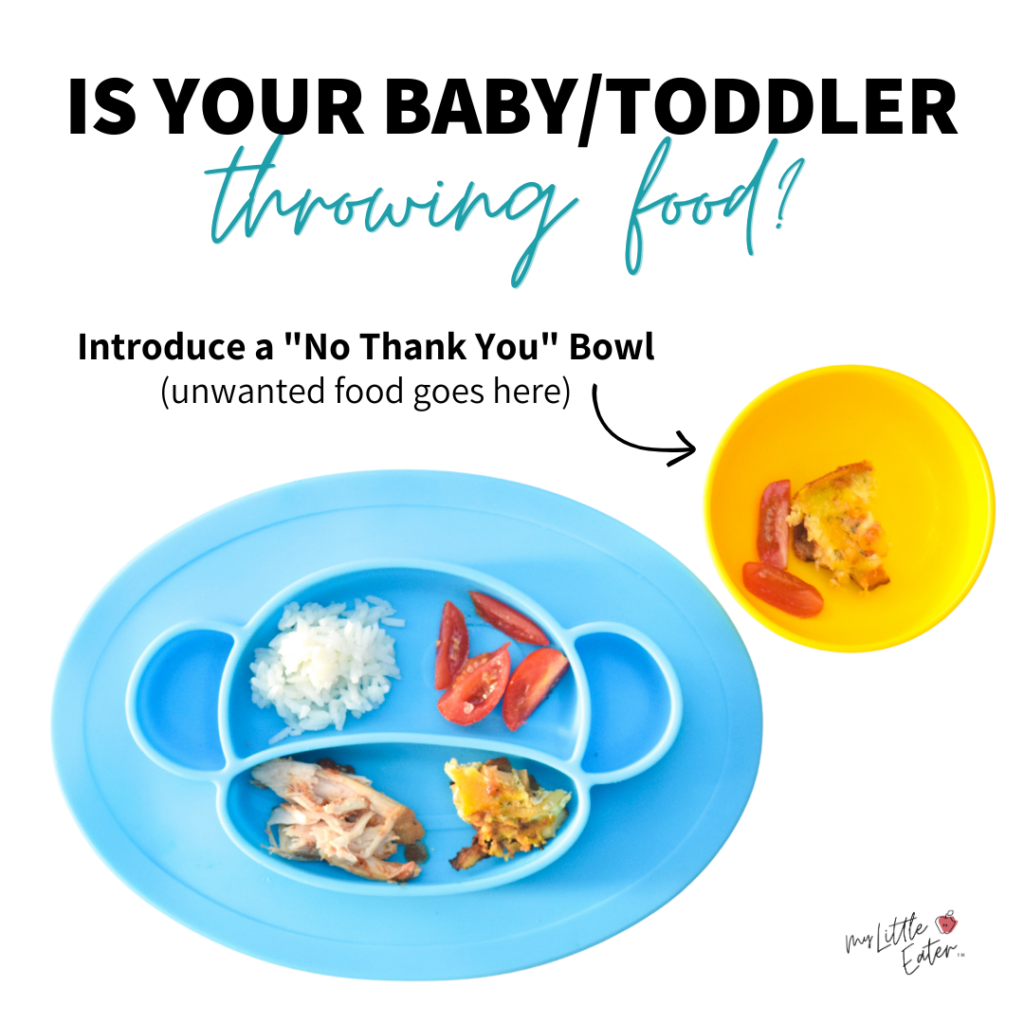
- The "No Thank You" Bowl: Introducing a designated bowl for unwanted items provides the child with a constructive alternative. By teaching the child to place food they do not wish to consume into this bowl, parents offer a socially acceptable outlet for their autonomy. This teaches the child that they have agency over what they eat without needing to discard food onto the floor.
- Strategic Portioning: Overwhelming a child with large portions can contribute to sensory overload. Serving smaller, manageable amounts reduces the sheer volume of material available to be thrown.
- Scheduled Mealtime Completion: If the throwing persists, it often serves as a signal that the child is finished with the meal. Terminating the meal calmly—without framing it as a punishment—is a logical consequence. When a child is no longer focused on eating, the meal has concluded.
- Environmental Optimization: Removing pets from the dining area is essential. A pet provides an immediate, high-reward audience for the child, as the movement of the animal and the retrieval of the food turn the floor into a source of entertainment.
When to Seek Professional Consultation
While food throwing is a standard developmental phase, there are specific indicators that suggest a need for further investigation by a pediatric dietitian or occupational therapist. Parents should be particularly observant if the throwing is accompanied by persistent food refusal, significant weight fluctuations, or signs of intense distress such as frequent gagging or violent tantrums.

In these instances, the behavior may be a symptom of underlying sensory processing disorders or extreme oral-motor hypersensitivity. Individualized counseling can help families identify whether the behavior is a typical developmental stage or if it requires specialized intervention to ensure proper nutritional intake and emotional security.

The Role of Caregiver Consistency
One of the most common obstacles to resolving food throwing is inconsistency between caregivers. If one parent uses a "No Thank You" bowl while the other finds the behavior amusing or responds with anger, the child receives conflicting signals. This inconsistency prolongs the learning process. For the most rapid resolution, all individuals involved in the child’s care—including parents, grandparents, and caregivers—must align on a singular, consistent strategy.

Broader Nutritional Impact
Concerns regarding nutrition are natural during this phase; however, it is important to note that toddlers possess an innate ability to regulate their caloric intake over the course of a day or week. A missed meal resulting from an early end to a session is rarely detrimental. The goal is to establish the table as a space for nourishment and social connection rather than a site of conflict. By maintaining calm boundaries, parents foster a positive relationship with food, which is foundational to preventing long-term picky eating.
In conclusion, while the sight of airborne pasta may be frustrating, it is a transient phenomenon. By addressing the physical, developmental, and environmental factors at play, parents can guide their children through this stage with minimal stress. The transition from "food thrower" to a competent, independent eater is facilitated by patience, consistent structural boundaries, and an understanding that for a toddler, the world—including the dining room floor—is a vast, fascinating laboratory. Through careful management and a focus on neutral, proactive communication, families can navigate these messy months while ensuring that mealtimes remain a foundation for health and family connection.