The Rise of Nutrient-Dense Baking: Understanding the Shift Toward Cottage Cheese Brownies


The culinary landscape has undergone a significant transformation over the past decade as home bakers and professional chefs alike seek to reconcile the desire for indulgent desserts with a growing public demand for functional, nutrient-dense nutrition. Among the most recent and notable developments in this space is the emergence of high-protein, lower-refined-sugar baked goods, exemplified by the rapid proliferation of cottage cheese brownies. This trend represents a broader movement within the food industry to reformulate classic comfort foods by utilizing high-protein dairy bases to improve texture and nutritional profiles without sacrificing the sensory experience consumers expect from traditional confectionery.
Background and Context of the Protein-Infused Dessert Trend
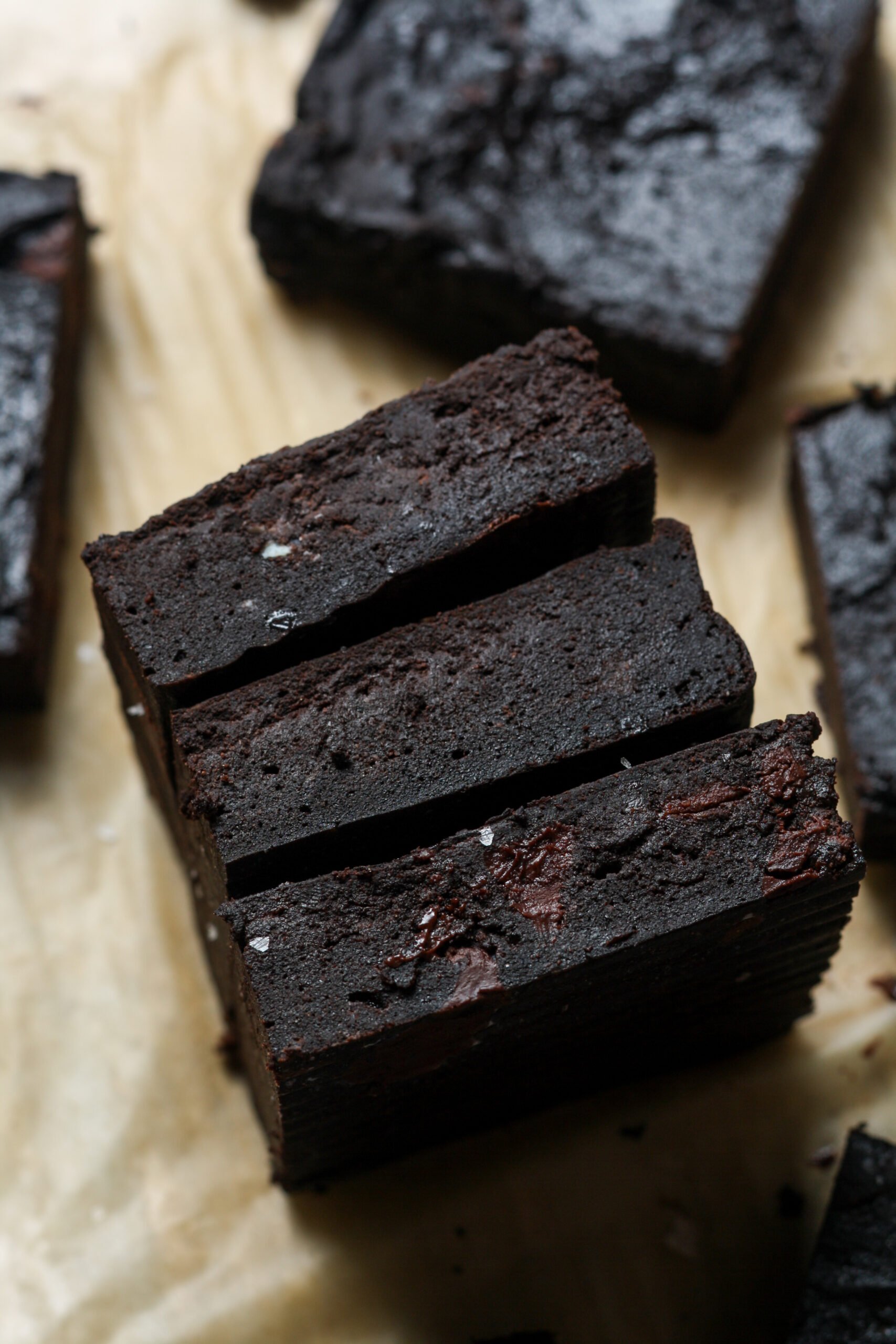
The integration of cottage cheese into baked goods is not an entirely new concept, as bakers have historically used various curd cheeses to add moisture to cakes and pastries. However, the current iteration of the cottage cheese brownie is distinctly tied to the recent surge in high-protein diets and the widespread adoption of social media as a driver of culinary trends.
Public health data indicates that a significant segment of the global population is actively seeking ways to increase daily protein intake while simultaneously reducing the consumption of highly processed sugars. According to market research analysts, the interest in "hidden-protein" foods has grown by over 40% in the last five years. By replacing traditional fats—such as butter or heavy oils—with blended cottage cheese, bakers can create a product that retains a fudgy, moist interior while lowering the overall caloric density and significantly boosting the protein content per serving.
Chronology of the Development

The shift toward these formulations began in earnest around 2023, as fitness influencers and nutrition-focused food bloggers began experimenting with high-protein alternatives. By early 2024, the "blended cottage cheese" method had moved from niche fitness forums to mainstream food blogs. By the summer of 2025, professional recipe developers and health-conscious food brands began codifying these methods into standardized, repeatable recipes. The transition from a viral internet "hack" to a staple of the home-baking repertoire has been accelerated by the availability of high-quality, pre-blended dairy products and a general societal shift toward whole-food ingredients.
Supporting Data and Nutritional Profiles
When comparing a traditional brownie to a cottage-cheese-based version, the nutritional implications are noteworthy. A standard brownie typically relies on high concentrations of refined sugar and saturated fats. Conversely, a recipe incorporating cottage cheese typically utilizes coconut sugar or natural sweeteners and shifts the fat-to-protein ratio significantly.
Clinical nutritionists note that the use of cottage cheese provides a steady release of amino acids, which can help mitigate the insulin spike often associated with traditional dessert consumption. While a traditional brownie may contain negligible protein and high amounts of simple carbohydrates, the cottage-cheese-fortified alternative offers a higher concentration of casein protein—a slow-digesting protein that contributes to prolonged satiety. Furthermore, the removal of heavy butter in favor of the moisture-retaining properties of the cheese curds allows for a reduction in total fat content by approximately 20% to 30% depending on the specific ingredients used.
Technical Composition and Preparation Standards
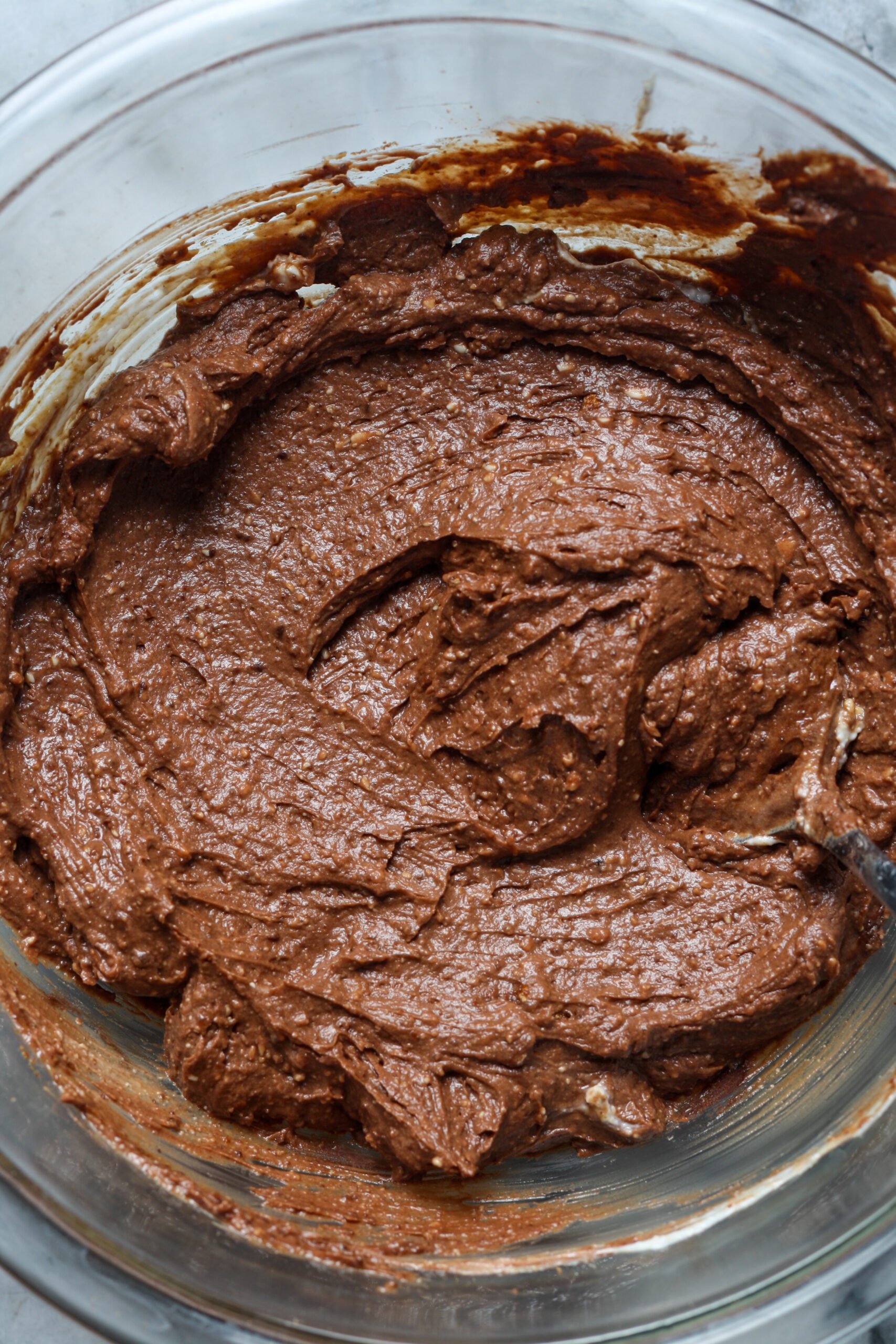
The technical success of this recipe relies on a specific chemical interaction between the moisture in the cottage cheese and the structure of the flour. To achieve a texture that rivals traditional brownies, the cottage cheese must be fully emulsified—typically via a high-speed blender—to eliminate the granular texture of the curds. Once the cheese is reduced to a liquid state, it acts as a binding agent that interacts with cocoa powder and leavening agents like baking soda.

The process is generally structured as follows:
- Emulsification: Blending the cottage cheese until the texture is completely smooth.
- Integration: Incorporating the wet ingredients (melted dark chocolate, vanilla, and sweeteners) with the dairy base.
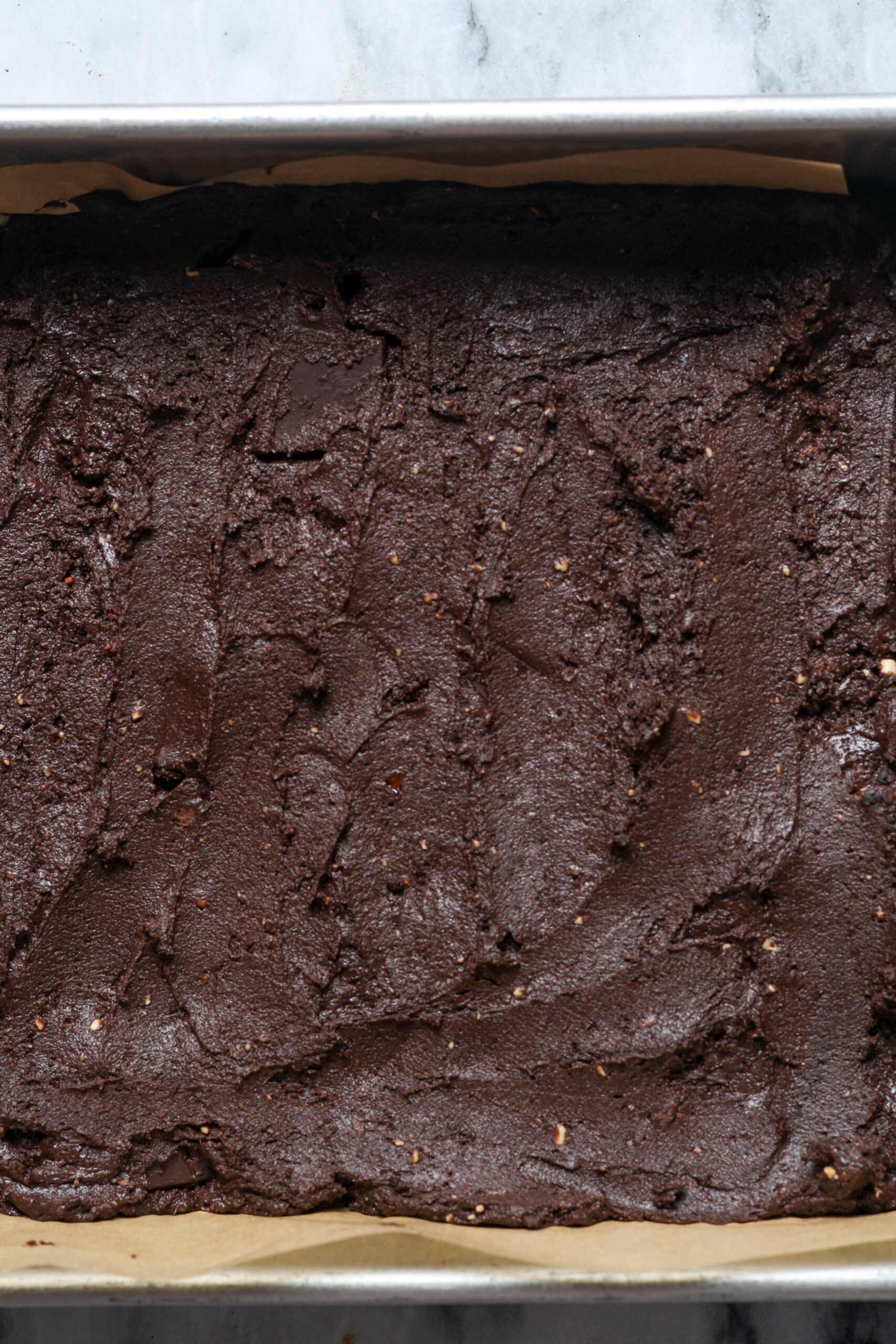
- Structural Assembly: Folding in dry ingredients such as whole wheat or alternative flours, ensuring the batter is not overmixed to prevent excessive gluten development.
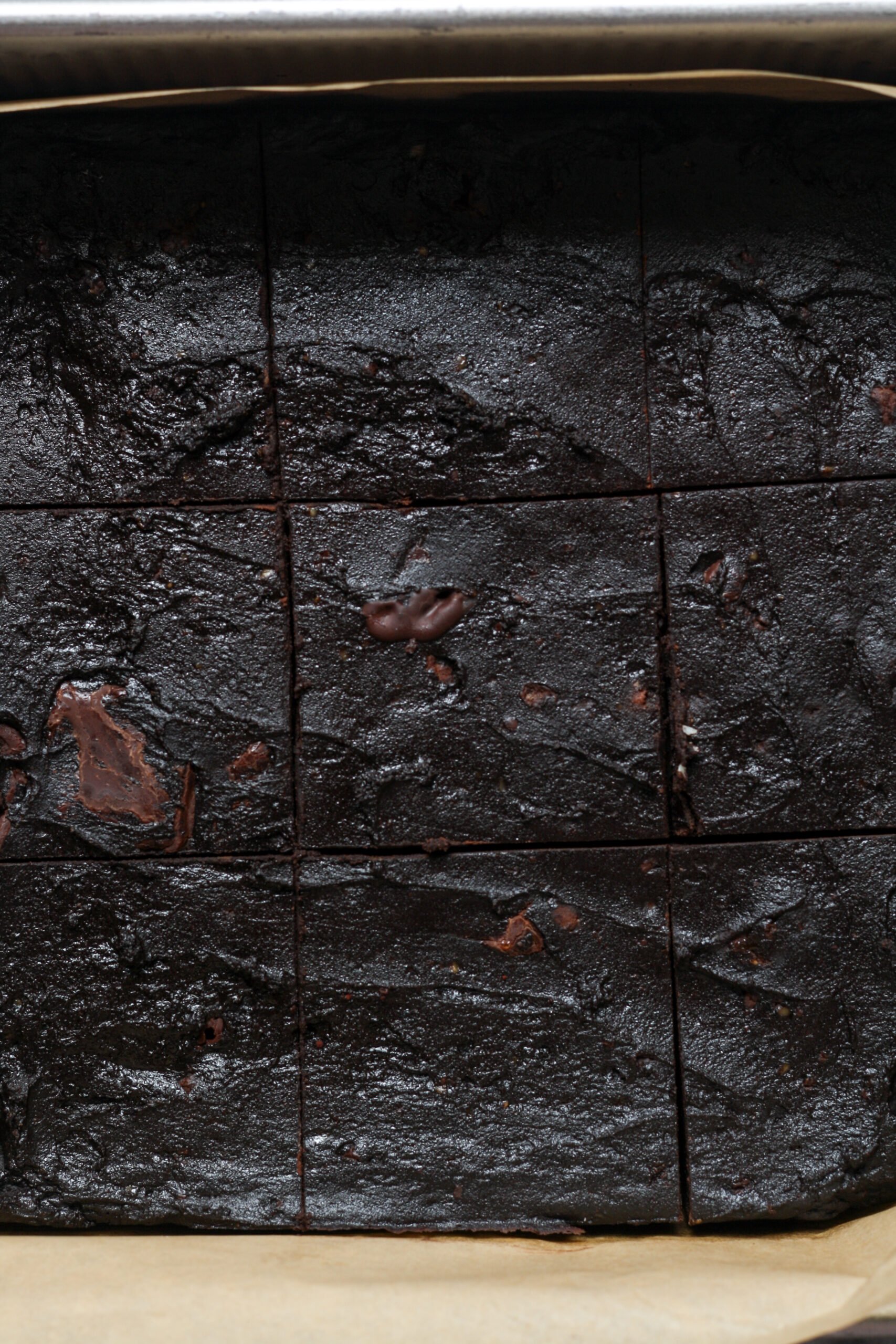
- Thermal Processing: Baking at a controlled temperature of 350 degrees Fahrenheit, which allows the protein structures in the cheese to set without burning the chocolate solids.
Implications for the Home Baking Industry
The rise of this recipe has broader implications for the home baking sector. It signals a move away from "all or nothing" eating habits, where desserts are either highly indulgent or strictly restrictive. Instead, there is a clear preference for "permissive indulgence"—foods that satisfy the psychological craving for a treat while providing a tangible nutritional benefit.

Food industry experts suggest that this trend may lead to more commercial applications. Major dairy producers are already observing increased demand for cottage cheese, not just as a standalone breakfast item, but as a baking staple. If the current trajectory continues, it is likely that future mass-produced dessert mixes may incorporate powdered dairy proteins or shelf-stable versions of these ingredients to emulate the success of the homemade versions currently dominating the digital space.
Official Responses and Culinary Analysis
While nutritionists generally praise the shift toward protein-fortified desserts, there is a consensus among culinary professionals that the "mouthfeel" of these items must be carefully managed. The inherent acidity of cottage cheese can, if not balanced correctly with high-quality cocoa or dark chocolate, create an unappealing tang. The successful recipes that have emerged as industry standards are those that use high-percentage dark chocolate (70% cocoa or higher) to mask the dairy acidity and provide a deep, complex flavor profile that complements the moisture of the cheese.
Critics of the trend argue that while these brownies are "healthier" than traditional versions, they should still be classified as treats rather than health food. The addition of protein does not negate the presence of sugars, even when derived from natural sources like coconut sugar. However, the general consensus is that the trend is a positive development, encouraging home bakers to experiment with ingredients that have been historically underutilized in the pastry arts.
Broader Impact and Future Outlook
The popularity of cottage cheese brownies serves as a case study for how nutritional awareness can effectively permeate the culinary arts. It challenges the conventional view that healthy food must be bland or austere, proving that scientific understanding of food chemistry can be applied to improve the quality of everyday comforts.
As we look toward the future, it is probable that the "protein-swap" method will be applied to other areas of baking, such as muffins, cookies, and quick breads. The infrastructure for this is already in place; as consumers become more comfortable with the idea of blending dairy into their batter, the barrier to entry for even more innovative, nutrient-dense recipes will continue to lower. For the average household, this means an expanded toolkit for creating desserts that align with modern health goals without requiring a departure from the traditional baking experience.
Ultimately, the enduring success of the cottage cheese brownie will depend on its ability to satisfy the palate. If the product remains consistently palatable and continues to offer the convenience and nutritional profile that has driven its initial rise, it will likely secure a permanent place in the canon of modern, health-conscious home cooking. The evidence suggests that this is not merely a temporary viral trend, but rather a fundamental shift in how we approach the preparation and consumption of our favorite desserts.