
Seven Research-Backed Strategies to Prevent Picky Eating and Shape Lifelong Healthy Diets in Children


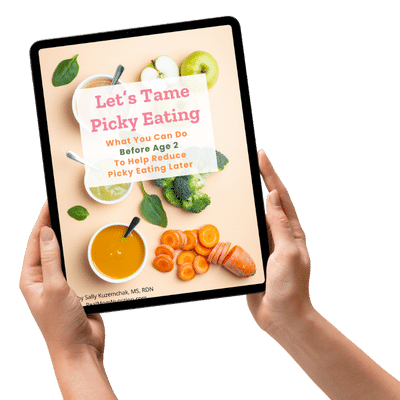
The challenge of childhood picky eating is a universal concern for parents across the globe, frequently triggering mealtime anxiety, nutritional deficiencies, and domestic stress. While many adults view selective eating as an unavoidable phase of growing up, recent findings in pediatric nutrition and behavioral science indicate that parental intervention during a child’s earliest developmental stages can fundamentally alter this trajectory. Comprehensive research shows that taste preferences and dietary habits begin forming long before a child takes their first bite of solid food, extending from intrauterine exposure through the critical first two years of life. By implementing evidence-based strategies during this foundational window, caregivers can cultivate adventurous eating habits that persist well into adulthood.
The Critical First Two Years and the Flavor Window
Pediatric researchers emphasize that a child’s physiological and psychological openness to new foods is highly malleable during infancy and early toddlerhood. Between the ages of 4 and 18 months, infants enter what nutritionists designate as the Flavor Window. During this specialized developmental period, children demonstrate an innate neurological openness to diverse tastes, textures, and sensory experiences associated with eating.
Failing to capitalize on this window can result in heightened food neophobia—the fear of trying new foods—which typically peaks around the age of two as toddlers assert their independence. Epidemiological data indicates that children who experience a narrow range of flavors and textures during infancy are significantly more likely to reject fruits, vegetables, and complex proteins later in childhood. Conversely, early and repeated exposure to a diverse menu helps wire the neurological pathways responsible for gustatory acceptance, effectively lowering the barrier to healthy eating as the child matures.

Prenatal Influences on Infant Palates
The foundation of a child’s palate is laid before birth, driven by the chemical composition of the intrauterine environment. Amniotic fluid serves as a primary vehicle for transmitting the chemical signatures of maternal dietary intake to the developing fetus. Volatile compounds from foods consumed by pregnant individuals cross the placental barrier, familiarizing the fetus with specific flavor profiles.
Clinical trials examining this phenomenon have yielded compelling results. In benchmark studies investigating prenatal flavor learning, infants whose mothers consumed specific botanical juices, such as carrot juice, during the final trimester of pregnancy exhibited a markedly higher acceptance of those flavors when introduced to solid foods. These infants displayed fewer facial grimaces and consumed greater quantities of the target food compared to control groups whose mothers abstained.
Nutritionists note that while severe gestational conditions such as hyperemesis gravidarum can restrict a pregnant individual’s dietary variety, any intentional exposure to nutrient-dense, varied foods when possible yields measurable long-term benefits for the infant’s sensory development.
Strategic Introduction of Solids and Textures
When an infant transitions from an exclusive milk diet to solid foods, historical parenting adobes often dismissed the process as secondary nutrition, encapsulated by the outdated adage, food before one is just for fun. Contemporary pediatric guidelines firmly reject this notion, establishing that the manner in which solid foods are introduced dictates long-term dietary habits.

Embracing Baby-Led Weaning
A primary method gaining traction among pediatric dietitians is baby-led weaning (BLW). Rather than relying exclusively on spoon-fed purees, BLW encourages infants to self-feed graspable pieces of whole foods. Items such as soft-cooked root vegetables, ripe fruit wedges, steamed broccoli florets, and strips of tender meat allow infants to interact directly with the physical properties of their food.
This self-directed approach fosters autonomy and self-regulation, teaching children to recognize internal cues of hunger and satiety. Furthermore, because infants handle and consume real table foods from the outset, they frequently bypass the aversion to complex textures that often plagues children transitioned strictly from smooth purees to table fare later in development.
Navigating Sensory Reactions and Repetition
Parents frequently misinterpret infant physiological reactions during early feeding sessions. When an infant consumes a bitter vegetable like broccoli and responds with a furrowed brow or a wrinkled nose, caregivers often assume the child dislikes the food. Pediatric specialists clarify that this facial grimace is an involuntary reflexive response to bitterness, not an indicator of absolute rejection. Infants frequently display this expression while simultaneously continuing to swallow and enjoy the food.
Overcoming initial resistance requires persistent exposure. Behavioral studies demonstrate that an infant or toddler often requires between 8 and 10 exposures to a novel food before accepting it. However, consumer surveys indicate that the majority of parents abandon a rejected food item after only three to five attempts. Establishing a structured tracking system, such as a logbook or digital note, enables parents to systematically cycle rejected items back onto the plate, ensuring adequate familiarity is achieved.

Similarly, developmental timelines dictate the progression of food textures. Clinical observations of school-aged children show that delaying the introduction of lumpy or textured solids past the age of nine months correlates with a narrower dietary variety and an increased frequency of feeding difficulties at age seven. Gradual progression from purees to mashed items, soft lumpy foods, and eventually finger foods equips the oral-motor system to handle complex physical structures safely.
Managing the Toddler Transition and Mealtime Dynamics
As children transition past their first birthday, developmental milestones introduce new hurdles to nutritional intake. Growth velocity slows down significantly compared to infancy, leading to a natural decrease in caloric demand and appetite. Simultaneously, cognitive development and the drive for autonomy culminate in the characteristic behavioral assertiveness of the toddler years.
During this phase, parents frequently observe a regression in dietary variety, characterized by an increased preference for simple carbohydrates, sweet items, and familiar comfort foods, accompanied by a sharp decline in vegetable consumption. Maintaining composure and consistency during this window is critical.
Regular Exposure and Pre-Dinner Strategies
To counteract toddler selectivity, pediatric dietitions recommend embedding fruits and vegetables into the daily routine without demanding consumption. Serving a fruit or vegetable at every meal and snack normalizes their presence on the plate, quietly building the visual and sensory familiarity necessary for future acceptance.

A tactical approach utilized by pediatric feeding specialists involves the deployment of vegetable-based pre-dinner snacks. During the late afternoon hours, when children experience peak physiological hunger prior to the evening meal, offering raw or lightly steamed vegetables capitalizes on their appetite. Under these conditions, children are statistically more likely to consume nutrient-dense items than they would be when presented with the same foods amidst the distractions of a full dinner table.
The Counterintuitive Science of Backing Off
Perhaps the most challenging, yet scientifically validated, strategy for managing toddler nutrition involves moderating parental pressure at the dinner table. Behavioral research consistently demonstrates that coercing, bribing, or forcing children to eat specific foods yields counterproductive results.
Studies evaluating mealtime dynamics reveal that children subjected to verbal pressure to clean their plates or consume items labeled as healthy exhibit heightened stress responses, consume fewer total calories, and articulate a negative emotional association with the meal. Long-term follow-up studies of adults reinforce these findings; a significant majority of individuals who report chronic aversions to specific foods attribute those aversions to being forced to consume them during childhood.
To dismantle this dynamic, specialists advocate for the implementation of low-pressure communication strategies. When a child rejects a meal or voices opposition to a specific food, utilizing neutral phrases such as you do not have to eat it effectively removes the power struggle from the dining table. By relinquishing control over the child’s immediate intake while retaining control over the nutritional quality of the food provided, parents create an environment conducive to natural curiosity and autonomous appetite regulation.
Clinical Indicators and Professional Intervention
While standard developmental selectiveness is common and manageable through behavioral adjustments, medical professionals emphasize that severe feeding difficulties can occasionally indicate underlying pathology. Pediatricians advise parents to seek professional evaluation from registered dietitians or specialized feeding therapists if a child exhibits specific warning signs.
Red flags warranting clinical intervention include extreme dietary restriction limited to fewer than twenty distinct foods, sudden or progressive weight loss, choking or gagging associated with specific textures, extreme behavioral panic or anxiety during mealtimes, and the elimination of entire food groups without medical justification. Early identification of these symptoms allows multidisciplinary pediatric teams to address physiological, sensory, or behavioral barriers before they manifest as chronic nutritional deficits or long-term growth complications.