The Ultimate Guide to Making Barley Salad with Roasted Vegetables: A Wholesome, Versatile Grain Dish for Every Season

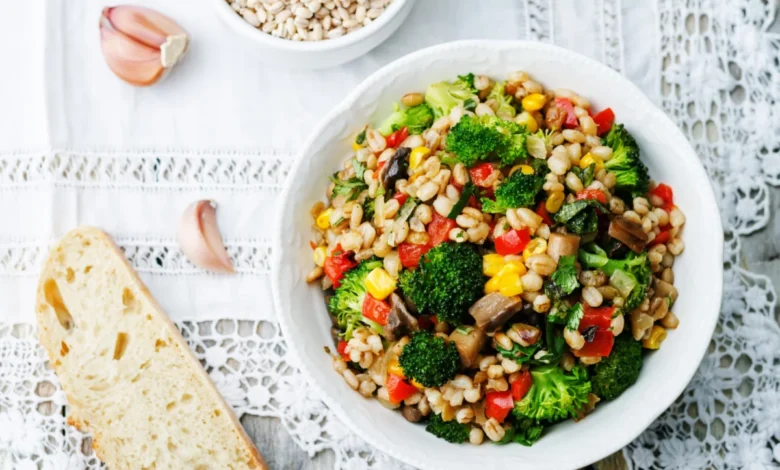
The culinary landscape has increasingly pivoted toward nutrient-dense, plant-forward meals that do not compromise on flavor or satiety. Among the rising stars of contemporary home cooking is the barley salad with roasted vegetables, a vibrant dish that bridges the gap between comforting winter fare and refreshing summer dining. Featuring chewy pearl barley, caramelized roasted vegetables, fresh aromatic herbs, and a bright, citrus-forward lemon vinaigrette, this dish has captured the attention of nutritionists, meal-prep enthusiasts, and home cooks alike.
As public health initiatives continue to emphasize the importance of whole grains and dietary fiber, versatile recipes like this roasted vegetable barley salad offer a practical and delicious pathway toward healthier eating habits. Whether served as a robust vegetarian lunch, a side dish at a summer barbecue, or a comforting accompaniment to grilled proteins, this dish exemplifies the growing demand for flexible, wholesome recipes in modern households.
Main Facts and Nutritional Profile of Pearl Barley
At the core of this dish is pearl barley, an ancient grain that has sustained human civilizations for millennia. Unlike whole-grain barley, which retains its fibrous outer hull, pearl barley has been polished to remove the outermost bran layer, significantly reducing cooking time while maintaining a pleasingly chewy texture and a nutty flavor profile.
Nutritional science consistently highlights pearl barley as an exceptional source of soluble fiber, particularly beta-glucan, which research has linked to improved cardiovascular health and regulated blood sugar levels. A standard serving of barley provides a substantial amount of plant-based protein, complex carbohydrates, iron, and B-vitamins, making it a superior alternative to refined grains like white rice or pasta.
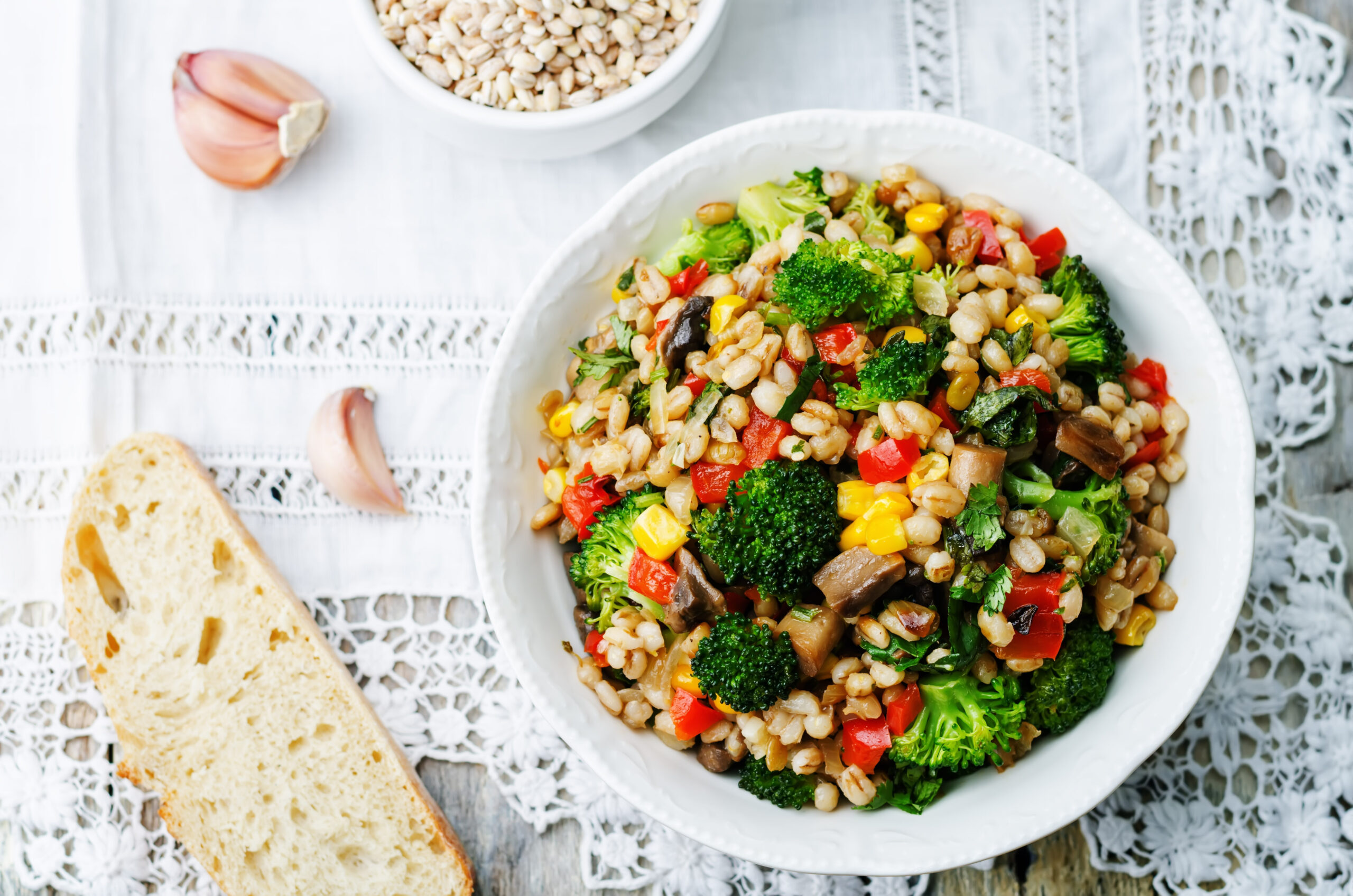
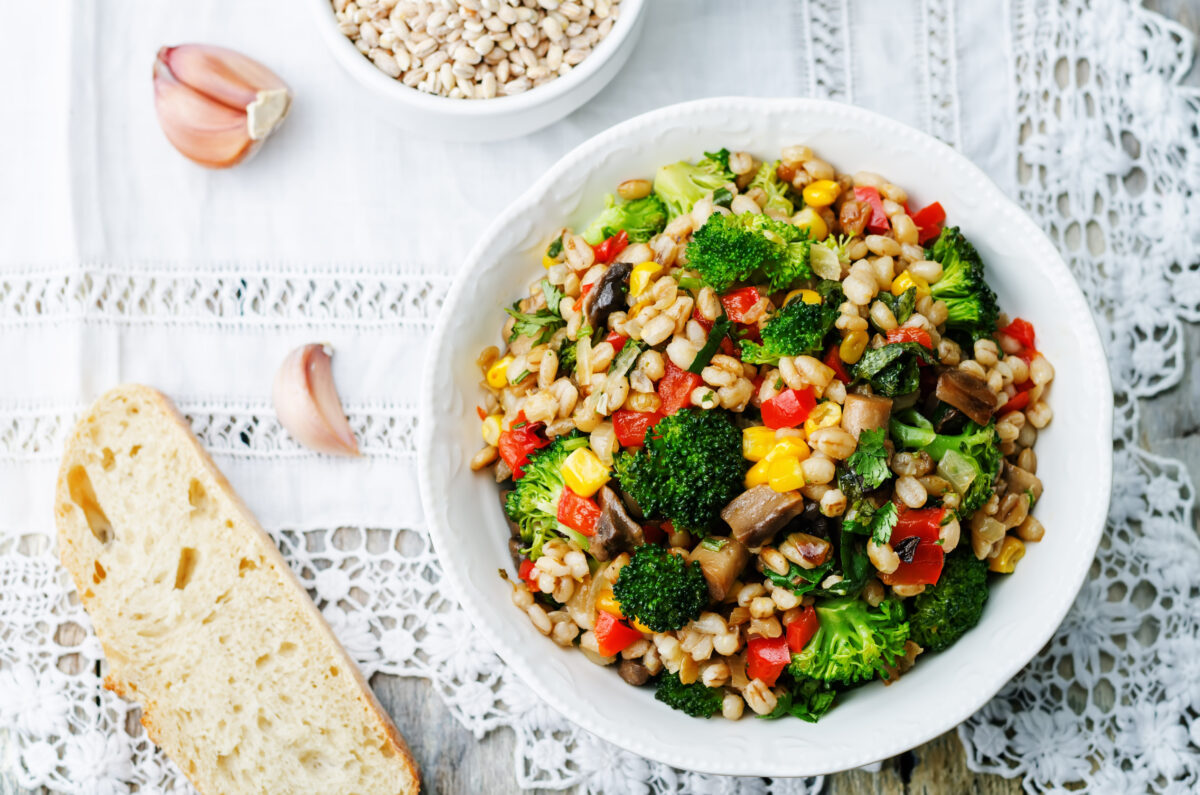
When combined with roasted vegetables—such as garlic, mushrooms, bell peppers, corn, and broccoli—the nutritional value of the dish multiplies. Roasting vegetables at high temperatures triggers the Maillard reaction, caramelizing natural sugars and creating a rich, savory depth of flavor. Ingredients like garlic and mushrooms contribute antioxidants and umami notes, while a finishing touch of crumbly feta cheese introduces calcium and healthy fats. The entire assembly is bound together by a simple lemon vinaigrette, whose acidity cuts through the richness of the roasted produce and balances the nuttiness of the grain.
Chronology of Preparation and Culinary Technique
Achieving the optimal texture and flavor profile in a grain salad requires careful attention to culinary chronology and technique. Professional chefs and culinary instructors emphasize that the preparation of a successful barley salad follows a strict sequential timeline to ensure each ingredient shines.
The process typically begins with the preparation and roasting of the vegetables. Culinary experts advise cutting produce into uniform, bite-sized pieces—roughly uniform in dimension—to guarantee even caramelization in the oven. Crowding the baking sheet is a common pitfall; spreading the vegetables in a single, uncrowded layer ensures they roast rather than steam. While the vegetables roast at a high temperature for approximately 25 to 30 minutes, the pearl barley is simmered in a pot of salted water or vegetable broth until tender yet retaining a distinct al dente bite. Overcooking the grain is discouraged, as waterlogged barley can compromise the structural integrity of the salad, turning a crisp, textured dish into a heavy mixture.
Once the components are cooked, they must follow a specific cooling protocol. Tossing delicate fresh herbs into piping-hot vegetables can cause them to wilt, discolor, and lose their aromatic brightness. Therefore, culinary guidelines recommend allowing the roasted vegetables and cooked barley to cool slightly before gently folding in fresh herbs like parsley, mint, or basil. Finally, the dressing—emulsified extra virgin olive oil, fresh lemon juice, salt, and pepper—is drizzled over the mixture just before serving or during the final stages of tossing, allowing the grains to absorb the bright citrus flavors without becoming soggy.
Supporting Data and Dietary Adaptability
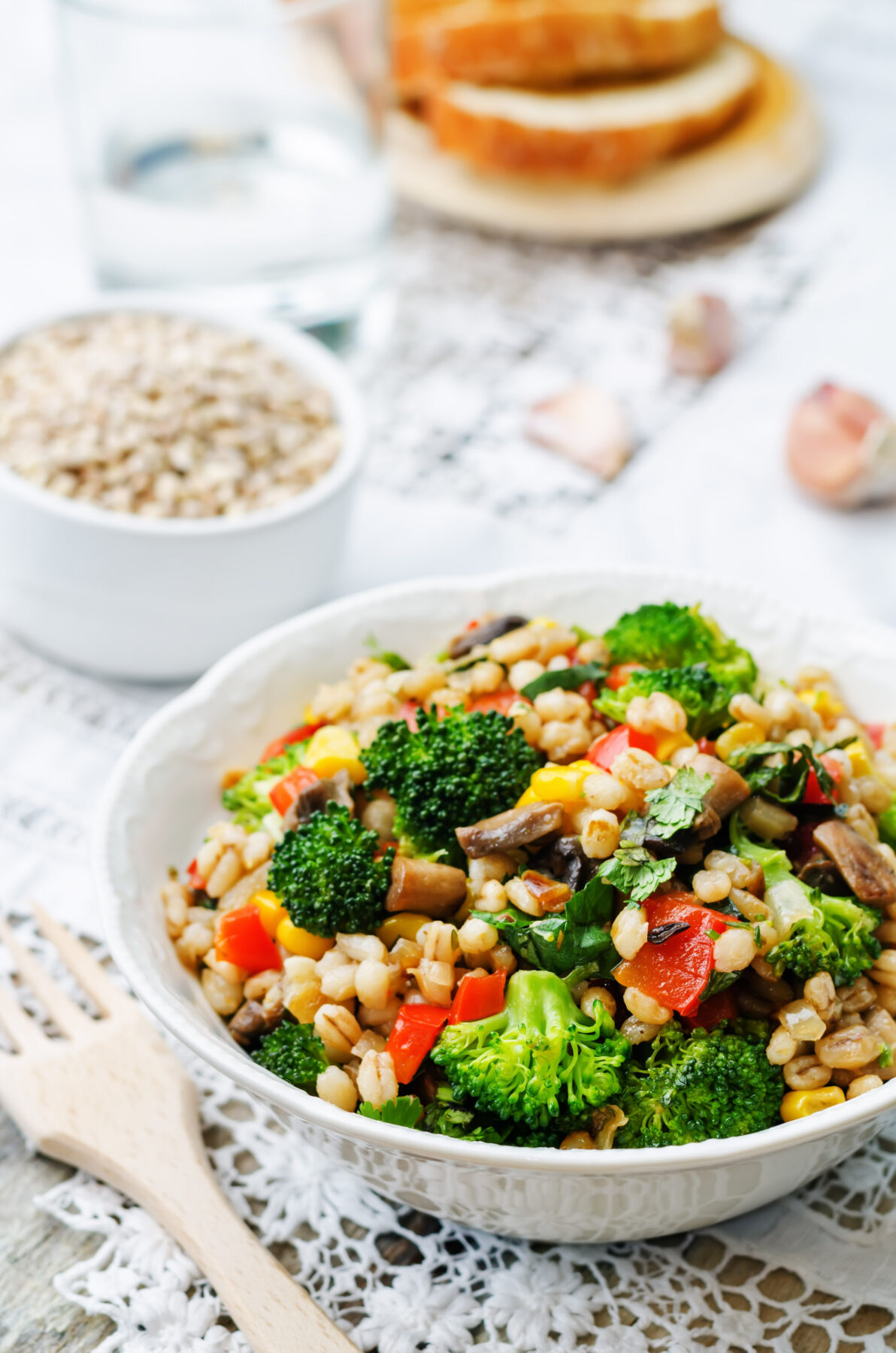
The modern appeal of grain-based salads lies heavily in their adaptability, accommodating a wide spectrum of dietary preferences and nutritional requirements without sacrificing taste. Food industry analysts note a surging consumer preference for customizable recipes that can be easily modified based on dietary restrictions or refrigerator inventory.
For individuals seeking a vegan diet, the traditional inclusion of dairy feta cheese can be seamlessly omitted or substituted with plant-based alternative cheeses, while toasted pumpkin seeds, sunflower seeds, or chopped almonds can be introduced to maintain textural contrast and provide additional healthy fats and protein. Plant-forward eaters looking to boost protein content frequently incorporate a can of rinsed, drained chickpeas or white beans, transforming the side dish into a complete, standalone meal.
Furthermore, seasonal versatility remains one of the recipe’s strongest selling points. While spring and summer variations might feature zucchini, asparagus, and bell peppers, autumn and winter adaptations easily pivot toward heartier root vegetables such as butternut squash, sweet potatoes, Brussels sprouts, and parsnips. This year-round flexibility has made barley salads a staple in meal-prep culture, where consumers look for recipes that hold up well in refrigeration over multiple days.
Official Responses and Culinary Expert Insights
Dietitians and culinary educators have widely praised the integration of ancient grains into accessible weeknight recipes. According to public health nutritionists, encouraging the consumption of whole and minimally processed grains is a vital step in combating diet-related chronic illnesses.
"Dishes like a roasted vegetable and barley salad demonstrate that healthy eating does not require sacrificing satisfaction or culinary enjoyment," notes a prominent food science researcher specializing in plant-based diets. "By leveraging the natural umami of roasted vegetables and the satisfying chew of whole grains, home cooks can create meals that are nutritionally dense and deeply flavorful. Furthermore, the inclusion of citrus dressings provides necessary vitamin C while enhancing iron absorption from the plant sources."
Culinary instructors also emphasize the economic advantages of grain salads. Pearl barley is remarkably shelf-stable and cost-effective, offering a high yield per serving compared to specialty grains or animal proteins. This economic efficiency, combined with the ability to utilize leftover or approaching-expiration vegetables from the crisper drawer, aligns with broader contemporary movements toward sustainable cooking and food waste reduction.
Broader Impact and Meal-Prep Implications
The rise of recipes like pearl barley salad with roasted vegetables reflects a broader cultural shift toward intentional, health-conscious eating habits that prioritize convenience and longevity. As remote and hybrid work models continue to influence home cooking and midday meal routines, the demand for high-performance meal-prep recipes has reached unprecedented levels.
Unlike leafy green salads that wilt quickly under the weight of dressings, sturdy grain salads actually improve over time. As the barley and roasted vegetables sit in the refrigerator within their airtight containers, the flavors meld, resulting in a more cohesive and seasoned dish by the second or third day. This characteristic makes the salad an ideal candidate for Sunday meal-prepping, allowing busy professionals and families to secure nutritious, ready-to-eat lunches for the workweek.
Moreover, the popularity of such recipes signals a departure from restrictive dieting toward a more sustainable focus on dietary addition—adding more fiber, more color, and more variety to the plate rather than eliminating entire food groups. As consumers continue to seek out balanced meals that satisfy both nutritional requirements and culinary desires, classic yet adaptable grain salads are poised to remain a permanent fixture in modern home kitchens for years to come.
Related posts: