Sweet Potato Banana Muffins: A Versatile Four-Ingredient Solution for Nutrient-Dense Snacking

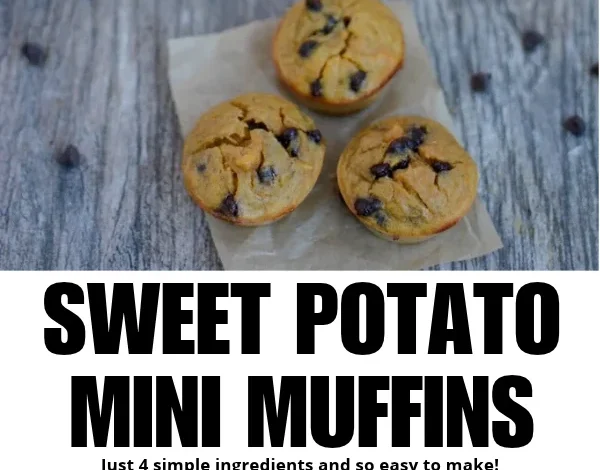
The landscape of family nutrition has undergone a significant transformation since 2013, moving away from processed convenience snacks toward whole-food, allergen-aware, and nutrient-dense alternatives. Central to this shift in home-cooking trends is the development of the Sweet Potato Banana Muffin, a four-ingredient culinary innovation that addresses the specific dietary requirements of infants and toddlers while remaining a viable option for adults. Originally conceived as a "Sweet Potato Banana Bite," the recipe has evolved from a niche baby-led weaning tool into a staple of modern meal preparation, celebrated for its simplicity, allergen-conscious profile, and reliance on natural, whole-food ingredients.
Chronology of a Culinary Staple
The inception of this recipe dates back to February 2013, a period when the practice of baby-led weaning (BLW)—an approach that encourages infants to self-feed solid foods rather than relying on spoon-fed purees—was gaining mainstream traction. Registered dietitians and pediatric nutritionists began emphasizing the importance of early exposure to allergenic foods, such as eggs and peanuts, to potentially reduce the risk of future food allergies.
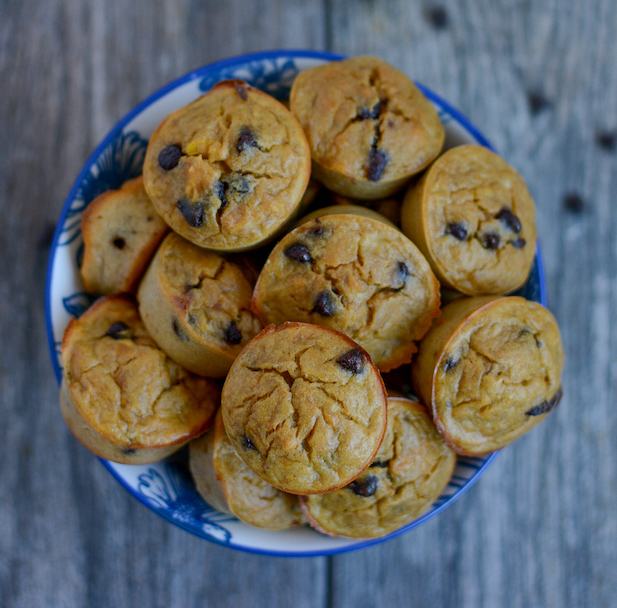
Between 2013 and 2026, the recipe underwent several refinements. While the fundamental ingredients—sweet potatoes, bananas, nut butter, and eggs—remained consistent, the application of the recipe expanded. Initially designed as a soft, mashable texture for infants aged six months and older, the format evolved into a mini-muffin structure to accommodate the hand-eye coordination development of toddlers. By late 2026, the recipe had been standardized as a go-to for parents seeking to utilize leftover roasted sweet potatoes, effectively reducing household food waste while providing a consistent, high-fiber, vitamin-rich snack.
Nutritional Profile and Dietary Analysis
The nutritional composition of these muffins serves as a case study in the efficacy of whole-food combinations. Sweet potatoes serve as the primary structural and nutritional base. According to agricultural and nutritional data, sweet potatoes are an exceptional source of beta-carotene, which the body converts into Vitamin A, essential for immune function and vision. They also provide significant amounts of Vitamin C and manganese.
When paired with bananas—a source of potassium and dietary fiber—the base provides a natural sweetness that eliminates the need for refined sugars. The inclusion of eggs provides high-quality protein and choline, while nut butter (peanut, almond, or sunflower seed) contributes healthy fats and essential plant-based proteins. This synergy of ingredients creates a balanced snack that stabilizes energy levels, a critical factor for both developing children and active adults.
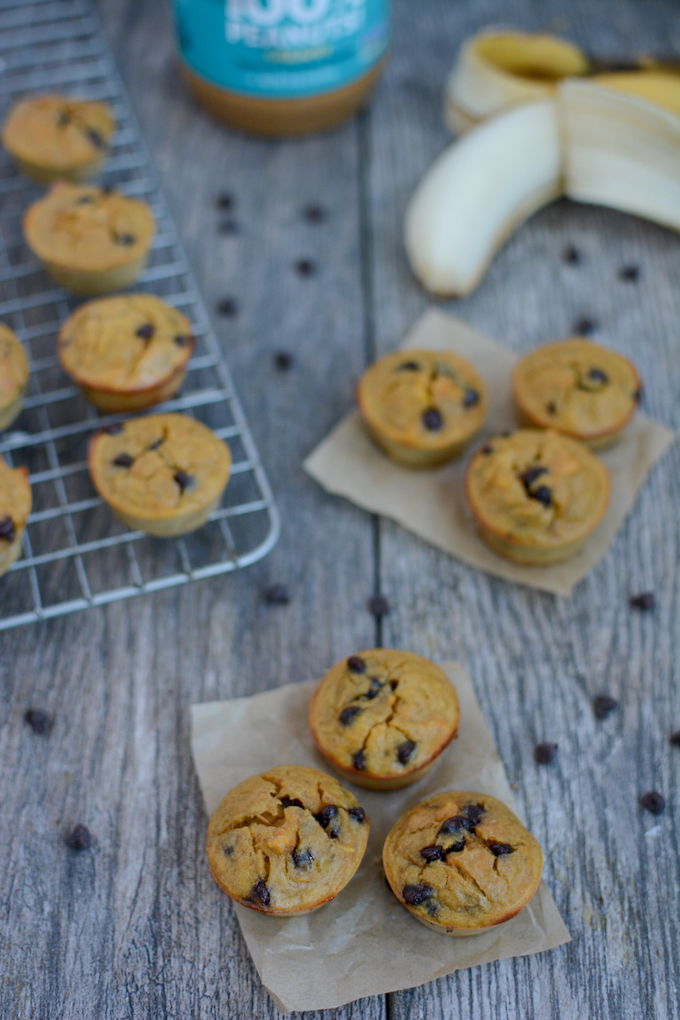
From an allergen management perspective, the recipe is naturally gluten-free. For families managing nut allergies, the substitution of sunflower seed butter provides an identical textural result without the associated risk, demonstrating the recipe’s high level of adaptability.
Preparation and Standardized Methodology
The preparation process for these muffins reflects a minimalist approach to food science. The method relies on the natural binding properties of eggs and the starch content of the sweet potato rather than chemical leavening agents like baking soda or baking powder.
- Base Preparation: A medium-large sweet potato is cooked—typically via microwave or oven roasting—until tender. The skin is removed, and the flesh is mashed.
- Integration: A medium, ripe banana is incorporated to provide texture and natural sugar.
- Protein Addition: Two eggs are whisked into the mixture. The inclusion of nut butter acts as both a flavor enhancer and a source of healthy fats.
- Baking: The mixture is deposited into mini-muffin tins. Because the recipe lacks traditional flour, the moisture content is significantly higher than that of standard muffins, requiring careful monitoring to ensure proper set.
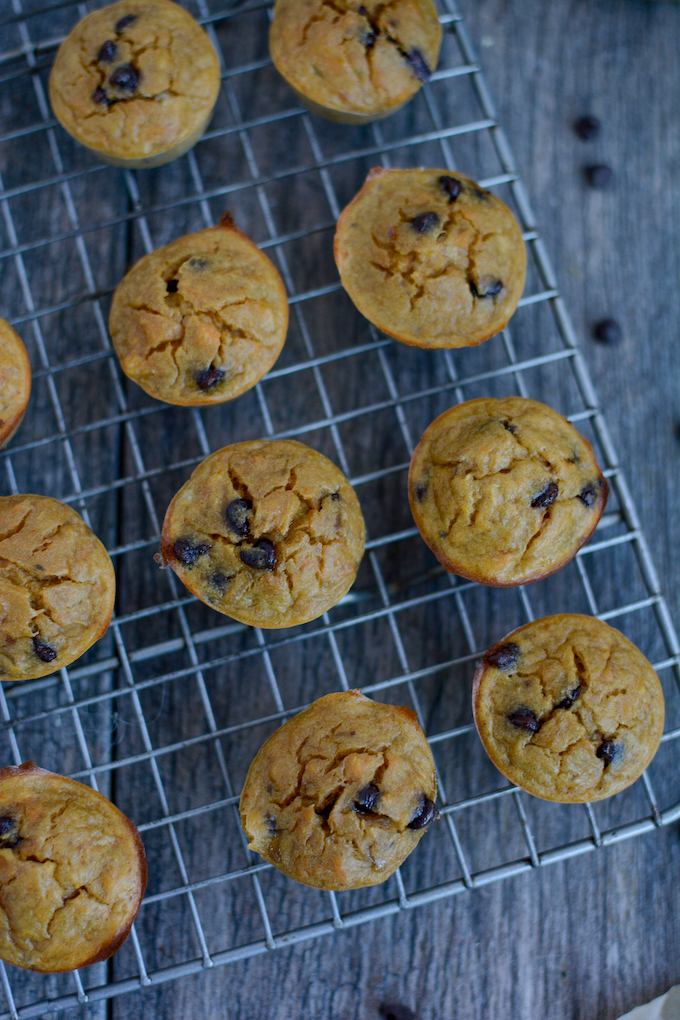
Professional culinary advice suggests using silicone molds to prevent sticking, as the lack of gluten and flour makes the mixture more adhesive than traditional baked goods. When using metal tins, thorough greasing is required. The muffins are shelf-stable for 48 hours but are recommended to be refrigerated to maintain texture and safety, given the high moisture content of the base ingredients.
Broader Impact and Industry Trends
The popularity of the Sweet Potato Banana Muffin reflects a broader consumer trend toward "ingredient-transparent" snacking. As food literacy improves, consumers are increasingly wary of the additives found in store-bought snacks, such as preservatives, high-fructose corn syrup, and artificial dyes.
Market research indicates that the demand for "clean label" snacks for children has grown by over 20% since the early 2020s. This recipe aligns with that shift, offering a template that requires no specialized kitchen equipment or complex measurement, thereby lowering the barrier to entry for novice home cooks.
Furthermore, the recipe’s inclusion in school-safe snack lists, when modified with sunflower seed butter, highlights the importance of inclusivity in school and daycare settings. By providing a framework that allows for "mix-ins"—such as blueberries, chia seeds, or hemp hearts—the recipe encourages dietary diversity, allowing parents to increase the fiber and antioxidant content of their children’s diets without altering the fundamental appeal of the food.
Expert Perspectives on Allergen Exposure
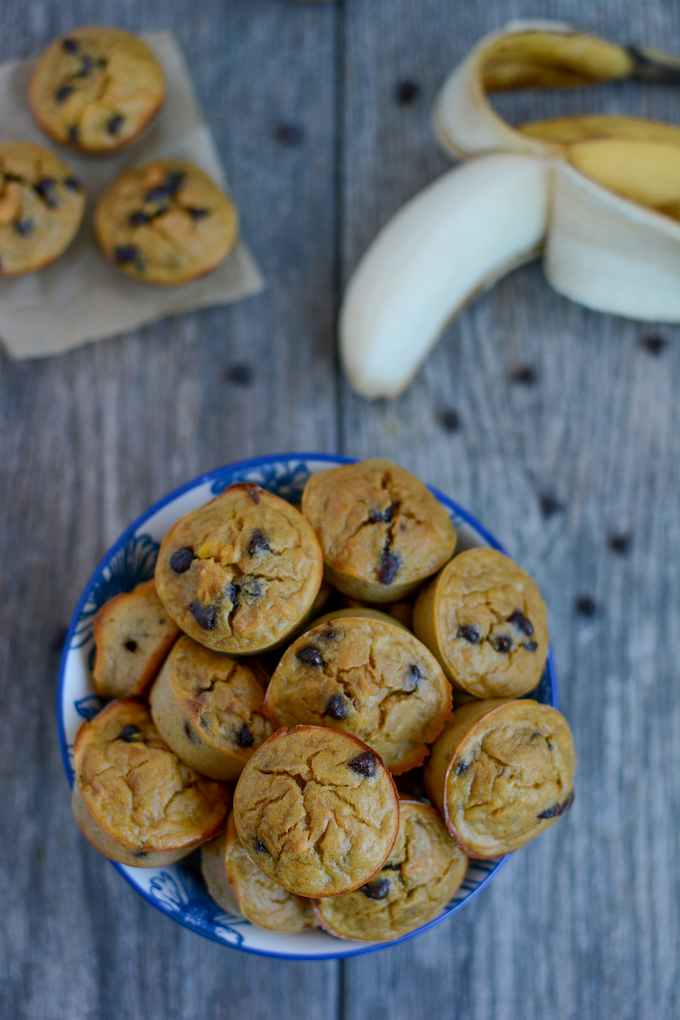
Pediatricians and allergy specialists have consistently advocated for the "early and often" approach to allergen exposure. By incorporating peanut butter and eggs into a palatable, nutrient-dense format, this recipe provides a practical solution to a clinical recommendation. The texture is intentionally designed to be soft and moist, minimizing choking hazards for infants, while the mini-size is ergonomically optimized for the pincer grasp development in toddlers.
Limitations and Considerations
While the recipe is highly regarded, it is not without limitations. Due to the absence of flour and leavening agents, it does not hold the structural integrity of a traditional muffin. Attempts to scale the recipe into a standard-sized loaf are generally discouraged, as the center often fails to reach the necessary temperature to cook through before the exterior begins to burn or lose moisture. Additionally, the high moisture content necessitates strict temperature control during storage, particularly in warmer climates, to prevent spoilage.
Future Implications for Home Nutrition
As the cycle of family meal planning continues to evolve, the reliance on such versatile, low-intervention recipes is expected to grow. The ability to pivot from a staple breakfast or snack to a vehicle for nutritional supplements—such as ground flax or protein powders—positions these muffins as a foundational element in modern domestic kitchens.
The success of the Sweet Potato Banana Muffin underscores a shift in how families approach the intersection of nutrition and convenience. By prioritizing nutrient density and minimizing processed additives, this four-ingredient approach serves as a template for sustainable, healthy, and accessible nutrition that persists across generations, from the early stages of weaning to the demanding schedules of school-aged children and beyond. As more households move toward proactive health management through food, the simplicity of such recipes will likely remain a hallmark of modern nutritional practices.