High Protein Turkey Meatballs Offer a Nutritious and Versatile Meal Solution

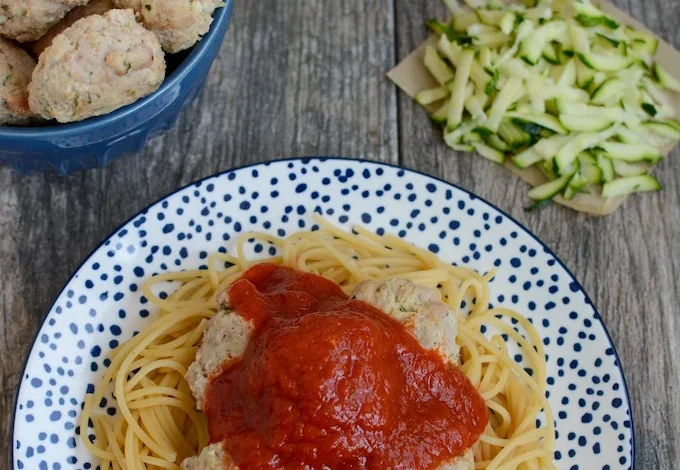
High protein turkey meatballs, enriched with cottage cheese and zucchini, are emerging as a popular and health-conscious option for consumers seeking flavorful and nutrient-dense meals. This innovative recipe addresses the growing demand for high-protein dishes, particularly among those focused on fitness, weight management, and balanced nutrition. The incorporation of unexpected ingredients like cottage cheese and zucchini not only enhances the protein content but also contributes to exceptional moisture and tenderness, setting these meatballs apart from traditional preparations.
The culinary world is witnessing a significant shift towards ingredients that offer dual benefits of taste and nutritional value. In this context, high protein turkey meatballs represent a strategic approach to maximizing protein intake without compromising on culinary appeal. The lean protein profile of turkey is well-established, with 93/7 ground turkey typically offering around 20-22 grams of protein per 3.5-ounce serving. The addition of cottage cheese, a dairy product renowned for its casein protein content, further amplifies the protein punch. A half-cup serving of low-fat cottage cheese can provide approximately 12-14 grams of protein. This synergistic combination makes these meatballs a powerhouse of essential amino acids, crucial for muscle repair and growth, satiety, and overall metabolic health.
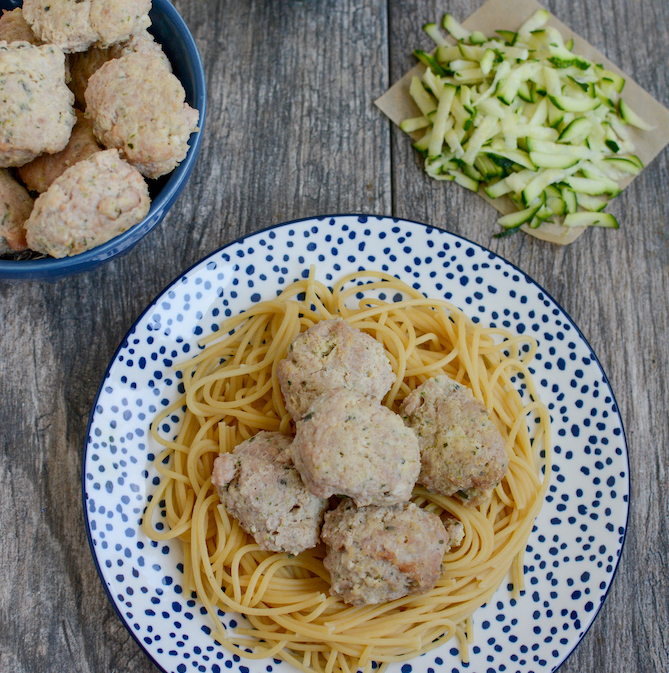
Beyond their impressive protein profile, the inclusion of shredded zucchini is a clever culinary technique that adds moisture and subtle texture without being overtly detectable. This not only enhances the overall juiciness of the meatballs but also serves as a discreet way to increase vegetable intake. Zucchini, while primarily water, also contains beneficial vitamins and minerals, contributing to the overall healthfulness of the dish. The use of almond meal as a binder, instead of traditional breadcrumbs, offers an additional protein and fiber boost while also making the recipe naturally gluten-free, appealing to a broader dietary spectrum.
The Science Behind the Moisture and Protein Boost
The effectiveness of this recipe lies in its understanding of food science principles. Cottage cheese, when processed, breaks down into a creamy consistency that seamlessly integrates into the meat mixture. Its high protein content, particularly casein, acts as a binder and contributes to a tender texture. Casein proteins coagulate when heated, helping to hold the meatballs together. Simultaneously, the water content within the cottage cheese and the shredded zucchini acts as a natural tenderizer, preventing the meatballs from becoming dry and dense, a common issue with lean ground meats.
Nutritional data highlights the advantage of this approach. While a standard beef meatball (80/20) might contain around 15-18 grams of protein per serving but also a significant amount of saturated fat, these high-protein turkey meatballs, when prepared with lean turkey and low-fat cottage cheese, can reach upwards of 25-30 grams of protein per serving with a considerably lower fat content. This makes them an ideal choice for individuals monitoring their caloric and fat intake.
Versatility and Meal Prep Potential
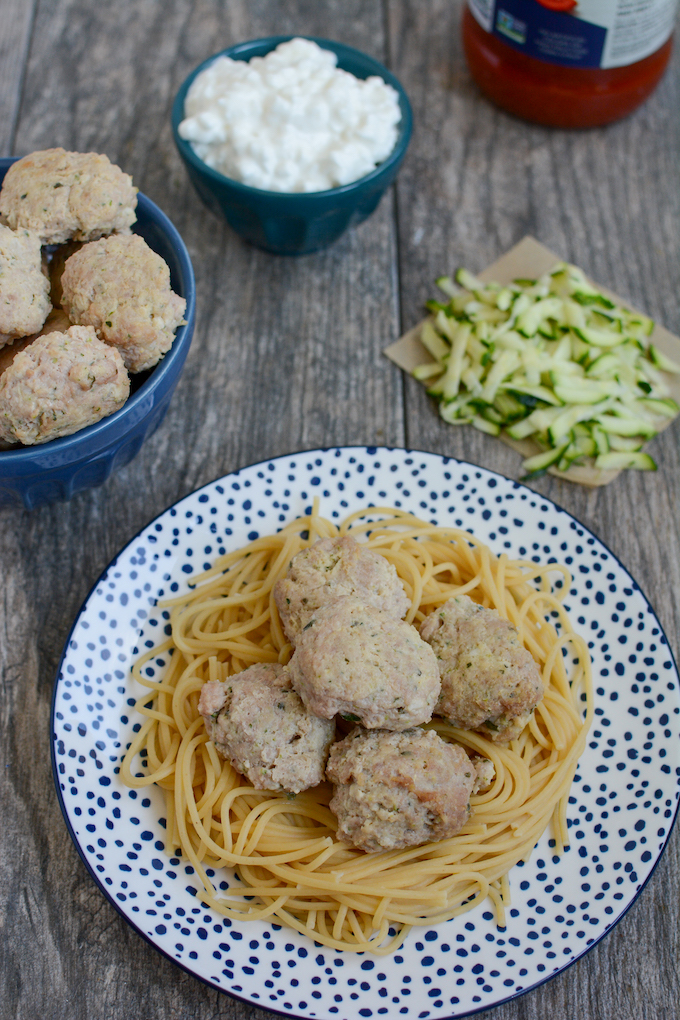
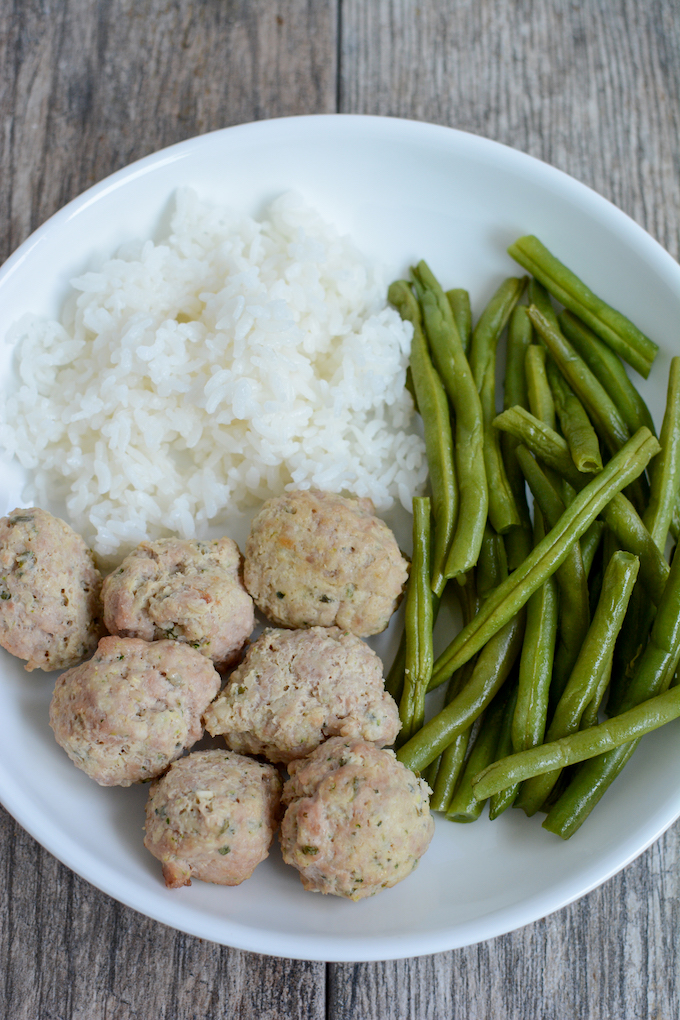
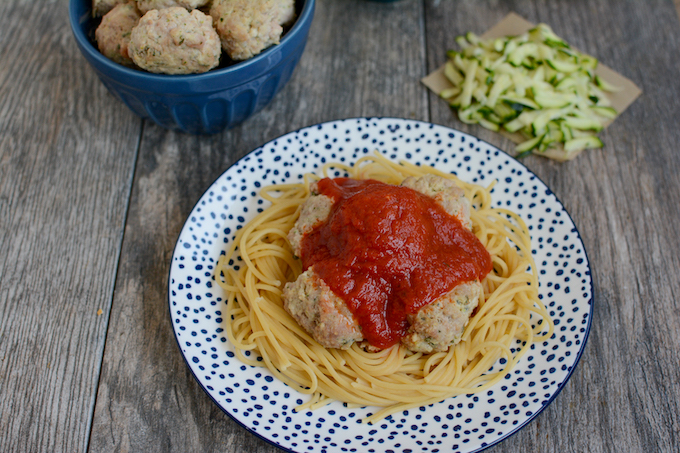
The appeal of these high protein turkey meatballs extends beyond their nutritional merits; their versatility makes them a culinary chameleon. They are presented as a perfect base for a variety of dishes, catering to diverse palates and dietary needs. The article suggests pairing them with favorite pasta dishes, a classic accompaniment that remains a crowd-pleaser. However, the recipe encourages exploration beyond traditional formats, promoting their use in "meatball bowls."
These bowls offer a customizable and balanced meal solution, combining the meatballs with a carbohydrate base such as quinoa, brown rice, or even cauliflower rice for a low-carb option. The inclusion of roasted or sautéed vegetables like broccoli, bell peppers, sweet potatoes, or leafy greens like spinach or bok choy transforms the meatballs into a complete and nutritious meal. This adaptability is particularly beneficial for meal prepping, allowing individuals to prepare a batch of meatballs and assemble varied meals throughout the week.
Strategic Meal Preparation and Storage
The inherent suitability of these meatballs for meal preparation is a significant draw. They can be baked in advance and stored for later consumption, providing a convenient protein source for busy individuals and families. The article offers practical advice on freezing these meatballs, a crucial aspect for long-term meal planning. By allowing the cooked meatballs to cool completely before transferring them to airtight bags and removing as much air as possible, their quality and freshness can be preserved for future use. This method ensures that a healthy meal option is always readily available, reducing the reliance on less nutritious convenience foods.
Culinary Adaptations and Flavor Profiles
The recipe also addresses various dietary preferences and restrictions, demonstrating a comprehensive approach to recipe development. For those seeking dairy-free options, alternative recipes are recommended, acknowledging that cottage cheese is a core component of this particular preparation.
The potential for flavor variations is also explored. While the base recipe likely incorporates standard seasonings like garlic, onion, and herbs, the article alludes to a wide range of sauces that can complement these meatballs. Marinara sauce, a classic pairing, is mentioned, alongside buffalo sauce, yogurt-based sauces, and avocado crema. This suggests that the mild flavor profile of the turkey and the subtle additions of cottage cheese and zucchini allow them to absorb and enhance a variety of sauces, making them suitable for different culinary themes, from Italian to Tex-Mex or even Mediterranean-inspired dishes.
Baking Techniques for Optimal Results
The article provides practical guidance on achieving optimal results when baking the meatballs. It emphasizes the importance of even cooking and browning. Flipping the meatballs halfway through the baking process is recommended to ensure uniform heat exposure, leading to a more appealing texture and appearance. The suggested cooking time of approximately 15 minutes, depending on size, is a practical timeframe for weeknight preparation.
Exploring Alternative Cooking Methods: The Air Fryer Advantage
For those who prefer faster cooking times or a crispier exterior, the article highlights the suitability of air fryers. By following general guidelines for air frying meatballs, typically at 400 degrees Fahrenheit for 8-10 minutes with a flip halfway through, individuals can achieve similar delicious results with increased speed. This adaptability further enhances the practicality of the recipe for modern kitchens and busy lifestyles.
The Meatball Sub: A Comfort Food Reinvented
The concept of a high-protein meatball sub is presented as another appealing application of this recipe. By leveraging the juicy and flavorful nature of these meatballs, a healthier rendition of a beloved comfort food can be created. The suggestion to top with marinara and cheese, followed by a brief broil, transforms a potentially indulgent dish into a more balanced meal, especially when served on a whole-grain bun.
Addressing Common Queries: A Comprehensive FAQ
A robust Frequently Asked Questions (FAQ) section addresses common concerns and provides further clarification on the recipe’s components and benefits. These questions cover:
- Preparation Method: Clarifying the process of blending cottage cheese and zucchini for seamless integration.
- Protein Source: Reaffirming meatballs as a high-protein food, with added benefits from cottage cheese.
- Meat Selection: Identifying lean ground turkey, beef, or chicken as optimal choices for high protein content.
- Moisture Retention: Underscoring the role of cottage cheese and zucchini in maintaining juiciness.
- Breadcrumb Alternatives: Explaining the function of almond meal as a binder.
- Health Comparison: Noting that turkey meatballs are generally lower in fat than beef counterparts.
- Freezing Capabilities: Confirming their excellent freezing properties for future consumption.
- Air Fryer Suitability: Confirming their successful preparation in an air fryer.
- Serving Suggestions: Reiterating their versatility with pasta, bowls, subs, and salads.
- Child-Friendliness: Affirming their suitability for children as a way to boost protein intake.
- Gluten-Free Preparation: Highlighting the recipe’s inherent gluten-free nature due to almond meal.
- Ground Chicken Substitution: Providing guidance on using ground chicken, noting potential texture differences.
- Sauce Pairings: Emphasizing their adaptability to a wide array of sauces.
- Meal Prep Strategy: Reinforcing their convenience for advance preparation and reheating.
This detailed FAQ section serves as a valuable resource, empowering consumers with the knowledge to confidently prepare and enjoy these high-protein turkey meatballs. The comprehensive nature of the information provided underscores the recipe’s commitment to accessibility, health, and culinary satisfaction. The integration of these high-protein turkey meatballs into daily meal plans offers a delicious and effective strategy for meeting nutritional goals while enjoying satisfying and versatile dishes.