Air Fryer Ribeye Steak: A Modern Approach to Traditional Steakhouse Preparation

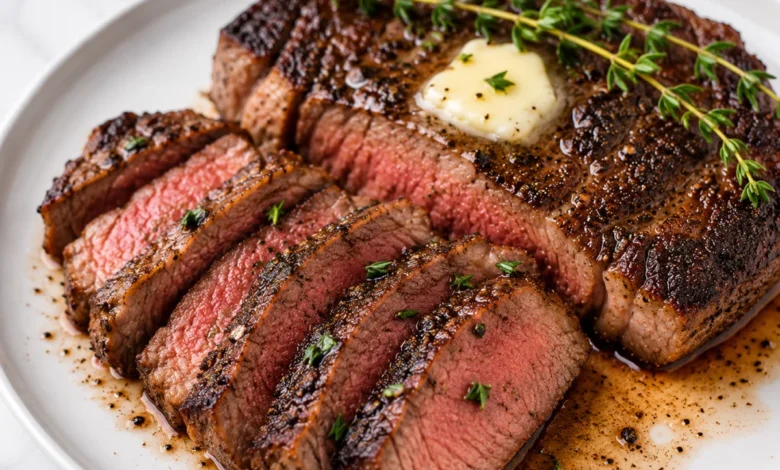
The culinary landscape has shifted significantly in recent years as high-efficiency countertop appliances have moved from niche novelties to essential components of the modern home kitchen. Among these, the air fryer has gained prominence for its ability to mimic high-heat convective cooking methods typically reserved for professional-grade ovens or outdoor grills. A recent shift in home cooking trends demonstrates that the air fryer, often associated with frozen convenience foods, is increasingly being utilized for precision-based protein preparation, specifically for premium cuts of beef such as the ribeye steak.
Technical Mechanisms of Air Fryer Steak Preparation
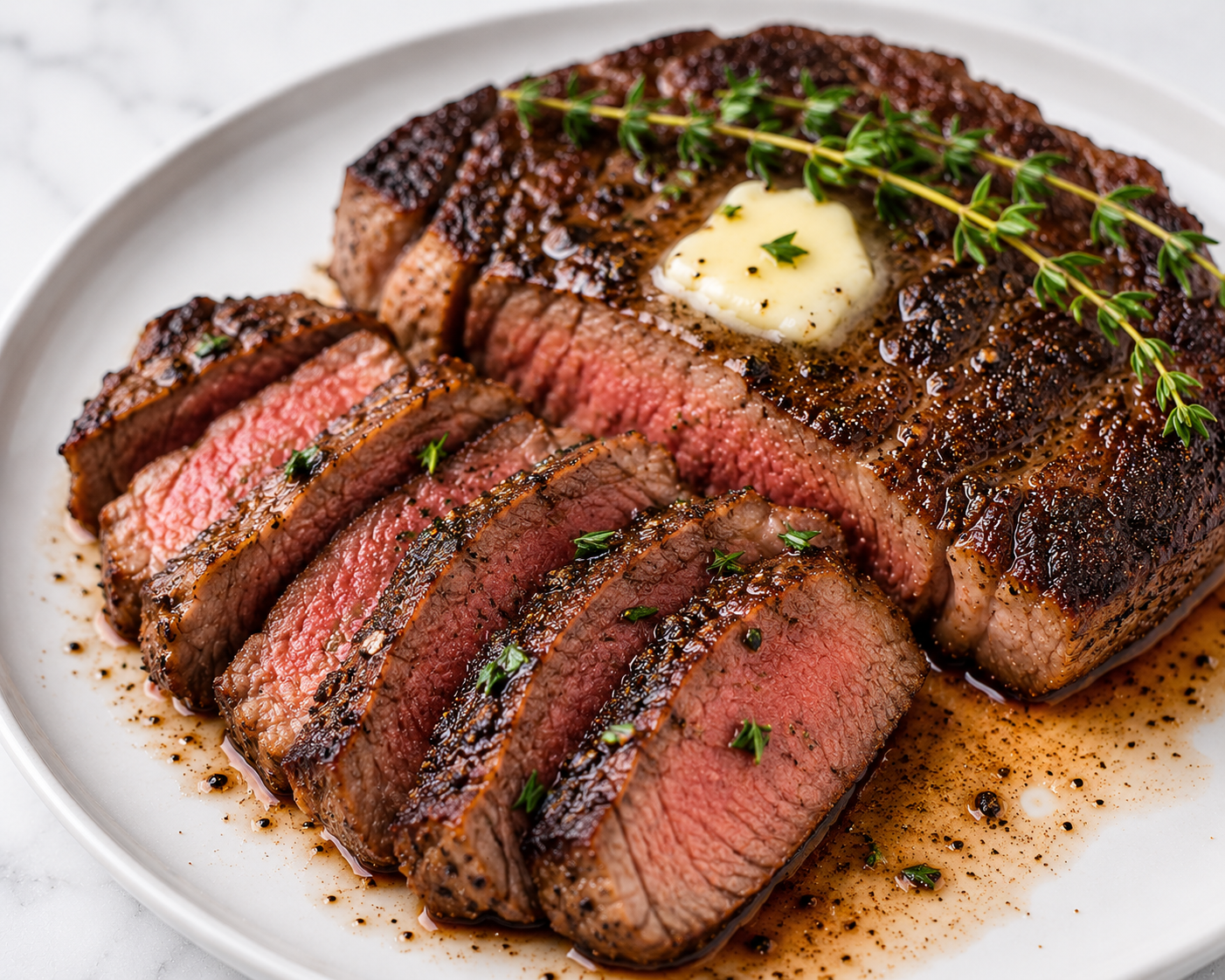
The efficacy of the air fryer in preparing a ribeye steak lies in the physics of forced convection. Unlike a standard oven, which relies on radiant heat, an air fryer utilizes a powerful fan to circulate hot air at high velocities. This creates a consistent thermal environment that facilitates the Maillard reaction—a chemical process between amino acids and reducing sugars that gives browned food its distinctive flavor—across the entire surface of the meat.
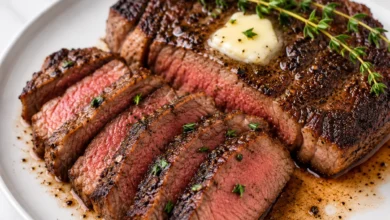
Professional chefs have historically been skeptical of non-traditional cooking methods for high-end beef, citing the necessity of intense, direct heat. However, data suggests that when maintained at a steady 400 degrees Fahrenheit, the air fryer effectively replicates the sear required for a medium-rare finish. By managing the airflow, the appliance ensures that the interior of a one-inch-thick ribeye reaches an internal temperature of 130 to 135 degrees Fahrenheit before the exterior becomes overcooked.
Chronology and Methodology of the Process
The transition from raw product to finished meal typically follows a precise timeline designed to maximize moisture retention and flavor profile development.
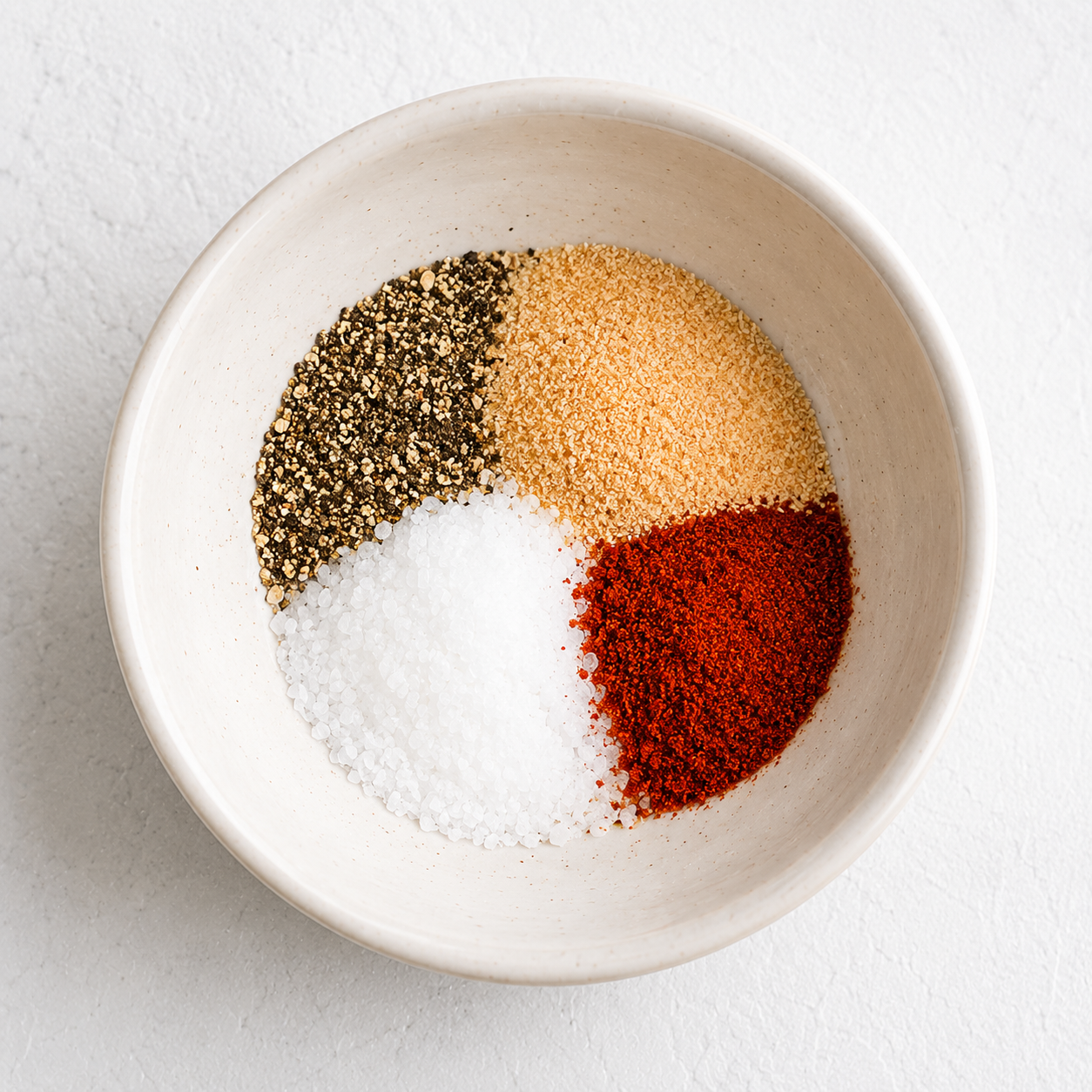
- Preparation and Seasoning (T-minus 30 minutes): Success begins before the heat is applied. Professional standards dictate that the steak be brought to room temperature to ensure even heat distribution. A dry rub—typically consisting of kosher salt, freshly cracked black pepper, garlic powder, onion powder, and smoked paprika—is applied to create a protective, flavorful barrier.
- Preheating and Moisture Control (T-minus 5 minutes): The air fryer must be preheated to 400 degrees Fahrenheit. Crucially, the removal of surface moisture via patting the steak dry is essential. Excess water on the surface of the meat causes steaming, which prevents the desired crust formation.
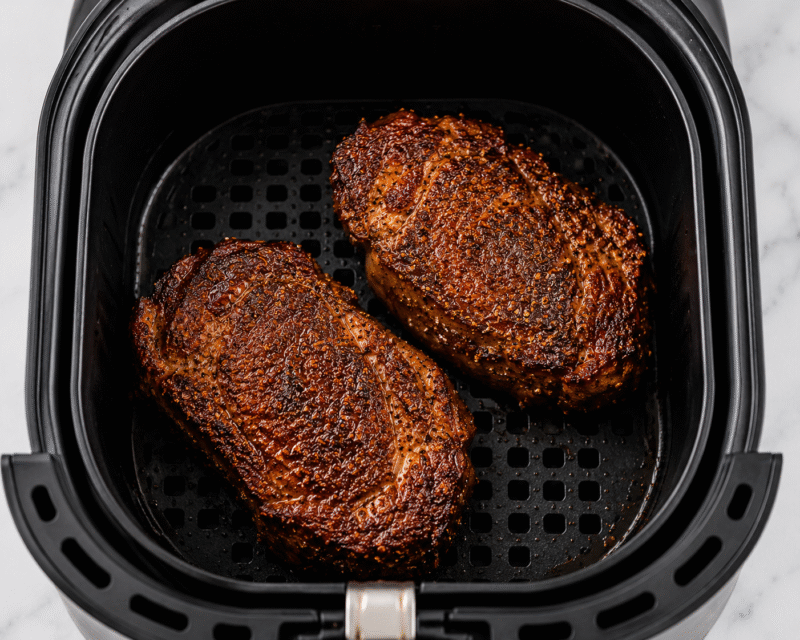
- The Cooking Phase (0 to 12 minutes): The steak is placed into the basket. For a standard one-inch cut, the cooking time averages between 10 and 12 minutes. A midpoint flip is required to ensure both sides achieve uniform heat exposure.
- The Resting Period (Post-cooking): The most critical step occurs after the heat is removed. Resting the steak for five to seven minutes allows the muscle fibers, which contract during the high-heat exposure, to relax. This redistribution of juices prevents the loss of moisture when the meat is eventually sliced.
Supporting Data on Nutritional and Quality Factors
The ribeye is prized for its marbling—the intramuscular fat that renders during cooking to provide tenderness and flavor. When prepared in an air fryer, the fat renders effectively, and the byproduct drippings are managed through the addition of a small amount of water at the base of the basket. This simple addition prevents the smoke points of the rendered fats from being reached, thereby mitigating the indoor air quality issues often associated with high-heat stove-top searing.
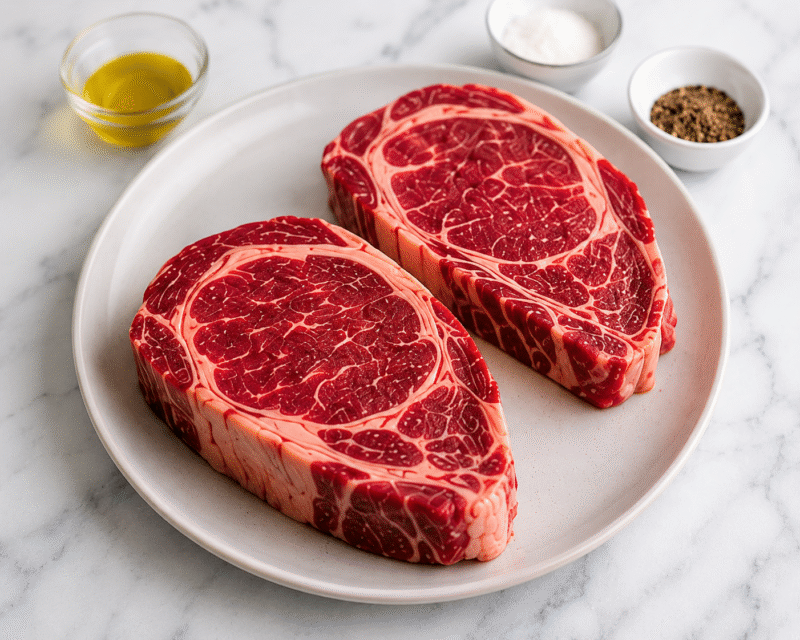
According to food science researchers, the air fryer method provides a distinct advantage regarding fat content. Because the meat is elevated on a rack within the basket, the excess rendered fat drips away from the steak, potentially reducing the overall calorie count of the meal without sacrificing the textural integrity of the beef.
Comparative Analysis of Cooking Methods
When comparing the air fryer to traditional methods, the primary considerations are consistency and time. A cast-iron skillet requires constant supervision, precise temperature control, and often results in smoke saturation within the kitchen. Conversely, the air fryer acts as a closed system.
- Cast-Iron Skillet: Offers the most intense crust but requires high levels of culinary skill to avoid gray banding (a ring of overcooked meat beneath the surface).
- Outdoor Grill: Provides a distinct char and smoky flavor profile but is highly dependent on ambient weather conditions and fuel maintenance.
- Air Fryer: Provides the highest level of repeatability and temperature control, making it an ideal tool for home cooks who prioritize consistent results across multiple cooking sessions.
Culinary Implications and Industry Response
The rise of the "air-fried steak" has not gone unnoticed by the wider culinary community. While purists argue that the lack of direct flame contact prevents certain chemical complexities from developing, food technologists note that the rapid convection allows for a "dry-aged" effect on the surface of the steak. By pulling moisture from the exterior skin, the air fryer creates a textural contrast that is arguably superior to the results produced by a standard electric oven.
From an industry perspective, the inclusion of "steak-specific" settings in newer air fryer models indicates that manufacturers recognize the growing consumer demand for versatile, high-end protein cooking capabilities. This shift aligns with broader trends toward "effortless gourmet" cooking, where convenience and quality are no longer viewed as mutually exclusive.
Essential Best Practices for Home Execution
To achieve results that mirror professional restaurant standards, home cooks must adhere to strict operational guidelines:
- Calibration: Every air fryer model operates with slight variances in heat distribution. The use of an instant-read digital thermometer is not optional; it is the only reliable way to guarantee the desired level of doneness.
- Density Management: Overcrowding the air fryer basket is the most common cause of failure. Proper airflow is the mechanism that drives the cooking process; obstructing that flow will result in uneven, rubbery, or under-browned meat.
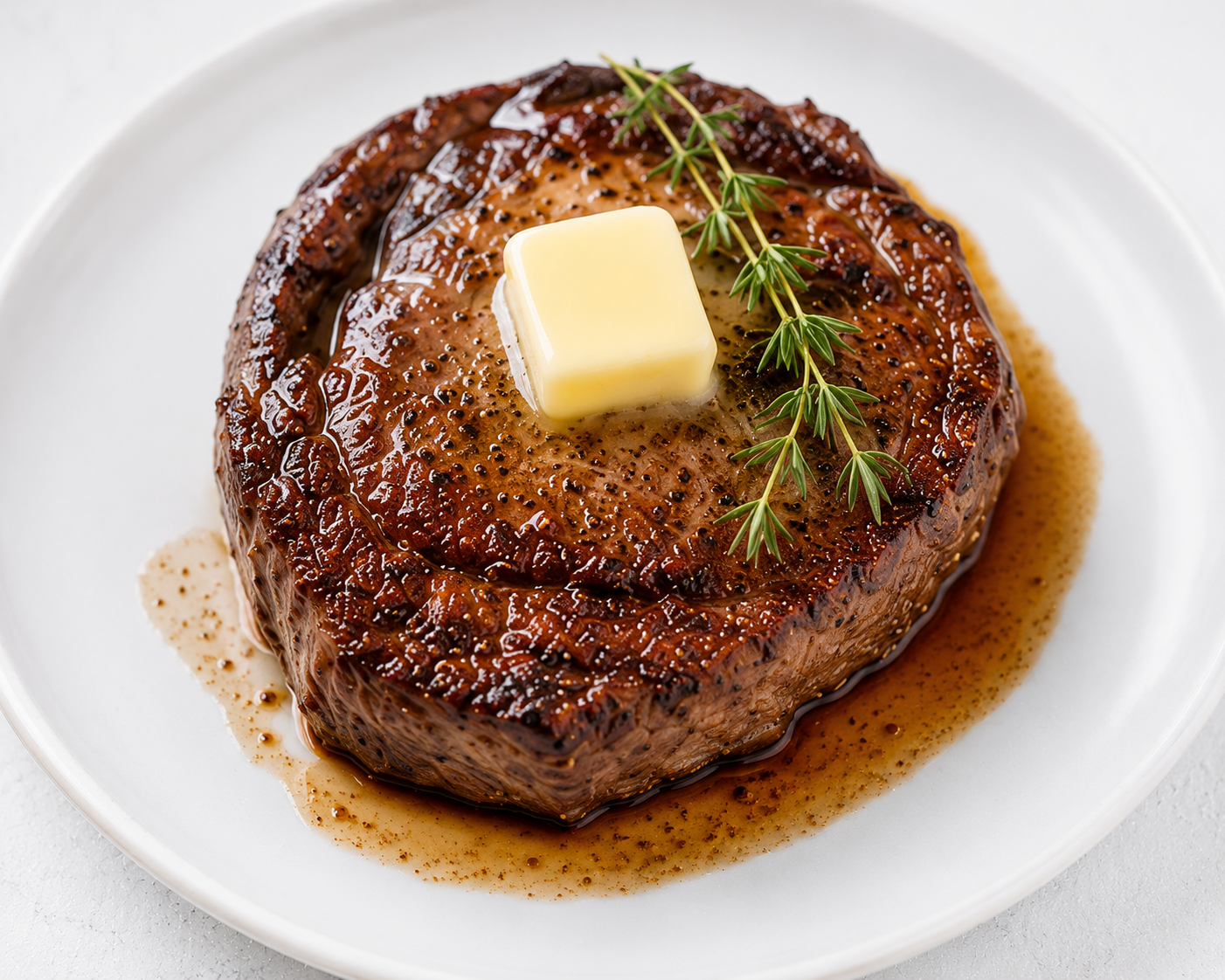
- Post-Cooking Additives: The final touch of placing a pat of compound butter on the steak during the resting phase is a functional step, not merely an aesthetic one. The melting butter acts as a basting liquid, enhancing the flavor profile of the rendered crust as it cools.
Conclusion
The adoption of the air fryer for preparing ribeye steak represents a practical evolution in domestic food preparation. By leveraging the principles of thermodynamics and focusing on the precision of the cooking process, the average consumer can achieve a product that rivals traditional steakhouse results. While it does not replace the experience of an open-flame charcoal grill, it offers a sophisticated, efficient, and highly effective alternative for the modern kitchen. As technology continues to improve, the gap between home-cooked and restaurant-quality results will likely continue to narrow, further cementing the role of the air fryer in the culinary repertoire.