Four Perspectives, One Goal: Young Advocates Define Life, Technology, and the Pursuit of a Cure for Type 1 Diabetes

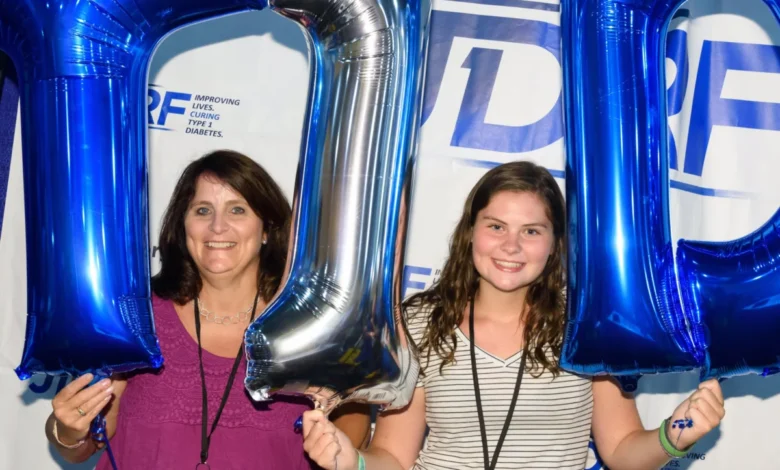
The journey of living with type 1 diabetes (T1D) is rarely experienced in a vacuum. For millions globally, it is an intricate, 24-hour management cycle dictated by insulin requirements, carbohydrate counting, and constant biometric surveillance. Yet, when four young adults diagnosed between the ages of 3 and 15 are asked what a cure would mean to them, their answers diverge into deeply personal sentiments—independence, calmness, a quiet mind, and a full night’s sleep. Despite these differing descriptions, they all point toward the same fundamental objective: the lifting of an invisible, unyielding burden.
As members of the Young Adult Advocacy Council (YAAC) at Breakthrough T1D, these advocates have lived through a technological revolution. They have witnessed the widespread adoption of continuous glucose monitors (CGMs) and automated insulin delivery (AID) systems. While these tools have dramatically reshaped modern diabetes management, mitigating the acute dangers of erratic blood sugar levels, these young adults remain uniquely positioned to explain precisely what modern technology has fixed—and what critical gaps still remain.
The Evolution of T1D Care: From Isolation to Integration
To understand the current landscape of type 1 diabetes management, one must look at the historical trajectory of the condition. Decades ago, diagnosis meant routine finger-prick blood tests using primitive glucometers, manual multi-dose daily insulin injections, and severe lifestyle restrictions. Families often lived under the constant threat of unpredictable hypoglycemic (low blood sugar) or hyperglycemic (high blood sugar) episodes, which, if left unmanaged, could lead to diabetic ketoacidosis (DKA), organ damage, or long-term systemic complications.
Over the last fifteen years, however, the medical device sector has undergone a paradigm shift. The introduction and refinement of CGMs allowed patients to track their interstitial glucose levels in real-time, sending alerts directly to smartphones or dedicated receivers before dangerous thresholds were crossed. Shortly thereafter, automated insulin delivery systems—often referred to as closed-loop or artificial pancreas systems—emerged. These devices connect the CGM directly to an insulin pump via an algorithm, automatically adjusting or suspending insulin delivery based on real-time glucose trends.
Despite these extraordinary leaps in engineering, the psychological and physical weight of managing a chronic autoimmune condition persists. The four YAAC advocates—Adriana, Cameron, Emily, and Hannah—offer a window into how these advancements have altered their daily realities, contrasting their childhood diagnoses with their current lives as empowered young adults.
Navigating Early Diagnosis: Fear, Secrecy, and Family Dynamics
The initial impact of a T1D diagnosis reverberates far beyond the patient, profoundly affecting immediate family members and reshaping childhood experiences.
For Adriana, diagnosed at just five years of age, the emotional and logistical weight fell squarely on her parents. "Their focus was simple: make sure I lived a happy life regardless of the diagnosis," she recalls.
Cameron’s family experienced a different form of initial grief, mourning the subtle cultural and social milestones they assumed he would miss. "They grieved the small things they thought I would miss: a cannoli from the Italian dessert shop near my grandparents’ house in Baltimore, a glass of wine someday," Cameron notes. Though those restrictions ultimately proved unfounded—individuals with T1D can enjoy a varied diet with proper insulin coverage—the reflection highlights how deeply the condition infiltrates the nuances of daily life.
For others, diagnosis arrived during the turbulent adolescent years, introducing intense feelings of isolation and shame. Emily was diagnosed at age 15. "It felt like my entire world had been turned upside down," she explains. Leaving the hospital, she was terrified of needles and overwhelmed by the prospect of lifelong self-injection. As the only student in her school with T1D, the isolation was palpable. "I dropped high-intensity sports because I worried I couldn’t keep up, and I was so hesitant about the technology that I didn’t use an insulin pump or CGM until college."
Hannah faced a similar emotional hurdle when diagnosed at age 12. Struggling with societal stigma and peer perception, she went to extreme lengths to conceal her condition. "I was embarrassed and didn’t want my peers to know, so for years I hid it. I wouldn’t even go to the school nurse—I checked my blood sugar and took my insulin with an aide in the janitor’s closet," she shares. For Hannah, T1D represented an unwanted divider between herself and her peers.
Technological Transformation and the Shift in Perspective
As these advocates matured, both medical advancements and community support fundamentally transformed their relationship with the condition.
Cameron transitioned from a traditional glucometer to a CGM in his teens, subsequently upgrading to an automated insulin delivery system. Working professionally in biomedical engineering, he possesses a technical understanding of the mechanisms driving potential cell therapies. "The results are very reassuring," Cameron states. "But good science takes time—we want therapies that are effective and safe. I’m happy with what’s been achieved, while knowing things can be better."
Emily’s outlook shifted dramatically once she prioritized her health and embraced closed-loop technology. "On a closed-loop system, I have more peace of mind than at any point in 10-plus years with this condition," she says. "Constant access to my data removes some of the decision fatigue." Furthermore, engaging with Breakthrough T1D and the YAAC connected her to a broader peer network, dissolving the isolation she felt in high school.
Similarly, Hannah credits community connection with her decision to adopt modern medical technology. Seeing others openly discuss their management routines gave her the confidence to utilize an integrated pump and CGM system. "Having the two devices talk to each other takes a huge weight off my shoulders," she acknowledges.
Adriana now views her lifelong condition with a sense of resilience. "It’s no fun to have a 24/7, no-break condition, but I wouldn’t be the person I am today without it," she reflects, pointing to ongoing clinical trials and refined hardware as catalysts for a more typical daily routine.
Redefining the Cure: Beyond Management to Liberation
While medical technology has successfully reduced the physical dangers of type 1 diabetes, it has not eradicated the psychological toll. Decision fatigue—the cumulative stress of making hundreds of health-related choices every day regarding food, exercise, stress, and insulin dosing—remains a constant companion for T1D patients.
When asked what a cure signifies, the advocates express a unified desire for absolute liberation from this background mental load.
"A cure is independence," says Cameron. "My life runs through my phone… Diabetes doesn’t limit me, but it adds a layer of awareness you carry at all times… A cure is all of that going away—the constant background microphone feedback finally cutting out."
For Emily, a cure equates to profound psychological relief. "The technology of the past decade has greatly improved my quality of life, but the mental burden and decision fatigue have never gone away. To me, a cure feels like calmness. It means not having diabetes at the forefront of my mind every moment of every day."
Hannah emphasizes the restoration of spontaneity and emotional freedom. "Cures would mean waking up and not immediately thinking about my blood sugar, insulin, food, or what my diabetes needs from me that day… It’s the freedom to live without diabetes controlling so much, and a full night’s sleep."
Adriana looks toward the systemic societal impact. "A cure would mean no more parents lying awake worrying, and no more families planning their lives around numbers and alarms. All the years of advocating… would finally lead to the one thing we have all been fighting for."
The Path Forward: Research, Advocacy, and Institutional Strategy
Achieving a world free of type 1 diabetes requires a multi-pronged approach encompassing basic scientific research, translational medicine, clinical trials, and federal advocacy. Organizations like Breakthrough T1D play a central role in orchestrating these efforts by directing philanthropic capital toward high-impact biotech startups and academic research institutions.
Among the most promising avenues of modern research is cell replacement therapy, which seeks to restore the body’s ability to naturally produce insulin by replacing destroyed pancreatic beta cells. Additionally, translational research exploring whether approved therapies from other fields—such as teplizumab (marketed as Tzield), an immunotherapy approved to delay the onset of stage 3 T1D—demonstrates the accelerating pace of innovation.
Advocacy remains equally vital. Young advocates regularly participate in initiatives such as Breakthrough T1D on the Hill and the Children’s Congress, engaging directly with federal legislators to secure sustained government funding for medical research and ensure that regulatory pathways remain open for emerging technologies and therapeutics.
"We have to remember that we, the T1D community, are this organization," Cameron asserts. "We will keep fighting until no life is ever affected by type 1 diabetes again."
Through the combination of cutting-edge biomedical engineering, rigorous clinical trials, and the persistent voices of young advocates who refuse to let their condition define the boundaries of their potential, the T1D community continues to push closer toward the ultimate horizon: a permanent cure.