Transforming Early Childhood Centers into Community Hubs for Family Engagement and Support

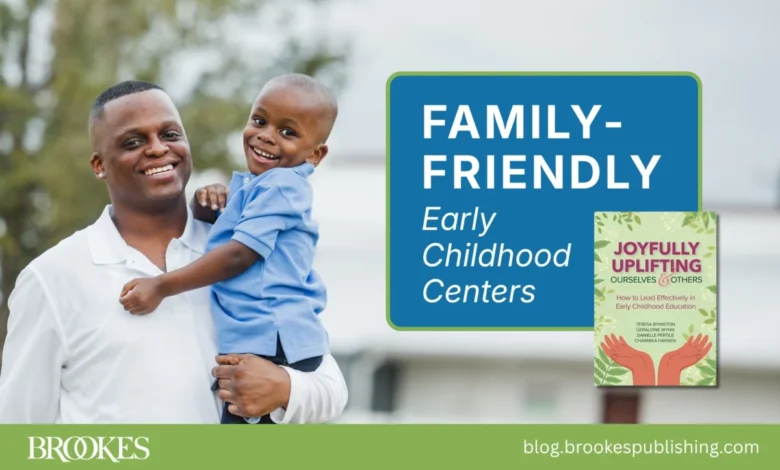
The physical architecture of early childhood education centers serves as a critical, often overlooked, determinant of parental engagement, child development outcomes, and the overall longevity of staff-family relationships. As educational institutions move toward a more holistic model of care, the focus has shifted from merely providing custodial services to creating environments that foster social connection and emotional security. Drawing from foundational research in early childhood leadership—specifically the strategies outlined in the publication Joyfully Uplifting Ourselves and Others—center directors and administrators are increasingly redesigning their facilities to act as community hubs rather than isolated service providers. This shift is not merely aesthetic; it is a strategic effort to bridge the gap between home and school, ultimately improving the quality of the educational experience for young children.
The Evolution of the Educational Environment
The historical perception of a preschool or daycare facility was that of a secure, clinical space designed primarily for safety and regulatory compliance. However, longitudinal studies in early childhood development, such as those published by the National Association for the Education of Young Children (NAEYC), suggest that the emotional climate of a center is heavily dictated by the accessibility and comfort of its physical environment.
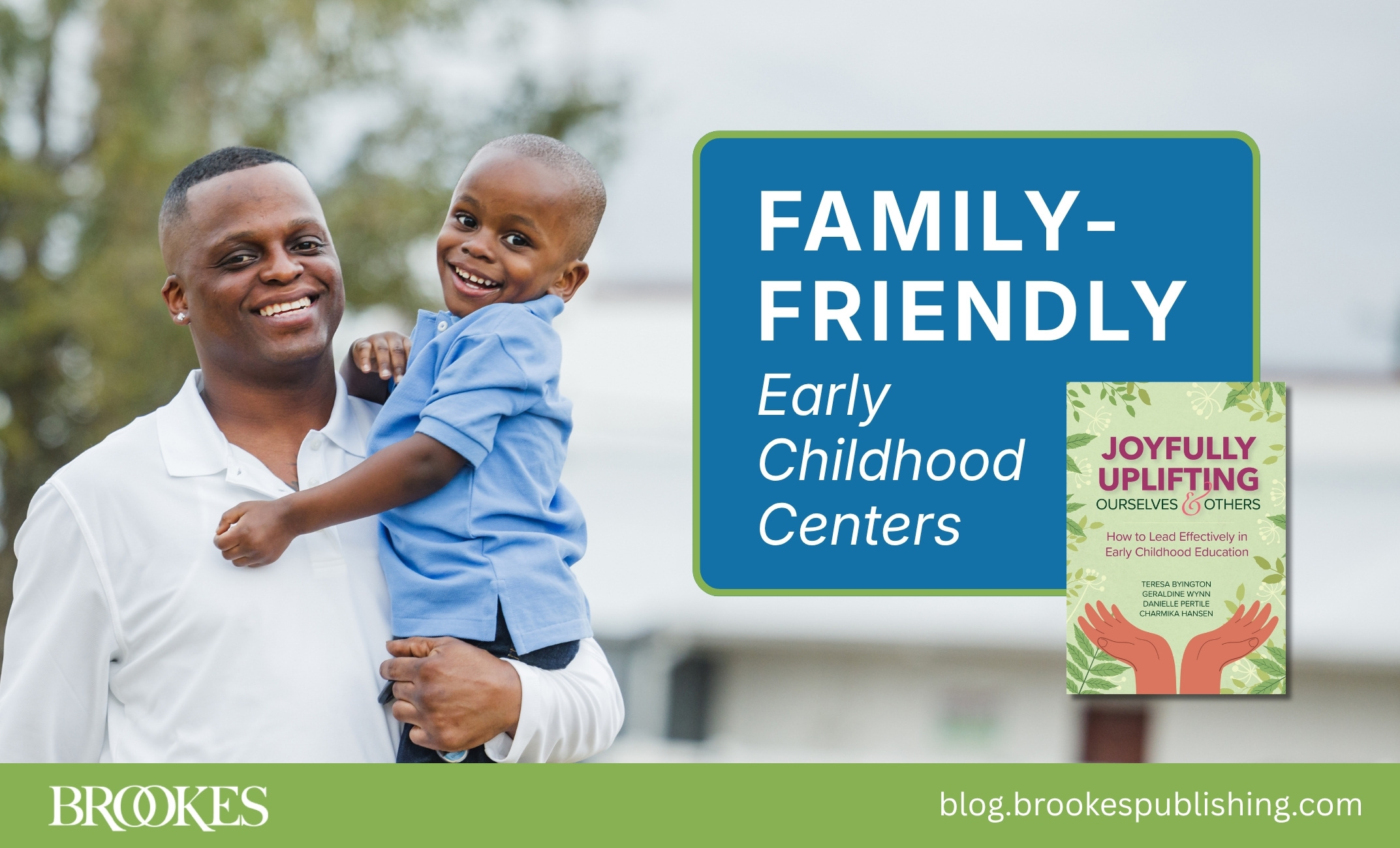
In the last decade, there has been a marked shift toward "family-centered design." This movement emerged following widespread reports of "parental burnout" and increasing social isolation among young families in urban and suburban centers. By 2020, research began to highlight that families who felt a sense of belonging at their child’s center were 40% more likely to participate in parent-teacher conferences and supplemental school programs. Consequently, the last five years have seen a surge in center renovations that prioritize "third spaces"—areas that are neither home nor work, but community hubs where parents can pause, breathe, and interact with their peers.
Chronology of Facility Integration
The integration of family-centric amenities has followed a distinct pattern of adoption across the United States.
- 2018-2019: The initial phase focused on lobby aesthetics, replacing cold, industrial waiting areas with soft seating and reading nooks.
- 2020-2021: The pandemic forced a reassessment of space utilization, leading to the creation of flexible zones for health screenings and touchless transitions.
- 2022-2024: The current phase is defined by the inclusion of "mutual aid" infrastructure, such as food pantries and resource boards, reflecting a recognition that child welfare is inextricably linked to family economic stability.
This evolution is evidenced by the adoption of design principles found in contemporary leadership guides. Experts argue that the "transition phase"—the few minutes during drop-off and pick-up—is the most influential period for establishing trust. When a facility provides a space for a parent to linger, read a book to their child, or engage with another parent over coffee, the resulting reduction in stress hormones, such as cortisol, in both the parent and the child has been well-documented.
Core Pillars of a Family-Friendly Facility
To achieve a high standard of community integration, modern early childhood centers are focusing on four specific infrastructure upgrades.
1. The Interactive Lobby and Transitional Zone
The lobby is the first point of contact between a family and the educational institution. Research indicates that when a lobby is designed as an "active area" rather than a "thoroughfare," parents report a higher level of satisfaction with the center’s communication. Incorporating simple, age-appropriate materials—wooden blocks, sensory bins, or a curated library—turns the waiting process into a bonding experience. This transition helps children regulate their emotions before the school day begins, easing separation anxiety and fostering a smoother transition into the classroom.
2. Nurturing Spaces for Lactation and Privacy
The provision of dedicated, private, and comfortable space for nursing mothers is now being recognized as a mandatory standard for inclusive care. Beyond simple compliance with the Fair Labor Standards Act, which requires reasonable break time for nursing, centers are now prioritizing the "dignity of care." By creating a private, well-lit nook or a dedicated nursing room, centers signal to parents that their role as a primary caregiver is respected. This acknowledgement has been shown to improve retention rates among families with infants, as parents are less likely to seek alternative care arrangements if their specific physiological and emotional needs are met on-site.

3. The Social Catalyst: Beverage Stations
While seemingly simple, the inclusion of a coffee and tea station serves as a "social catalyst." By providing a space where parents can prepare a beverage while observing their child through a classroom monitor or viewing window, the center facilitates spontaneous interaction. Data from pilot programs in Northern California demonstrated that centers with shared beverage areas saw a 25% increase in cross-family social networks, which correlates with stronger community support systems and improved parental mental health.
4. Mutual Aid and Resource Accessibility
The most significant shift in facility design is the inclusion of food pantries and community resource stations. In areas where food insecurity is prevalent, the presence of a discreet pantry inside an early childhood center removes the stigma often associated with seeking aid. By partnering with local food banks or utilizing grants to stock shelves with diapers, formula, and non-perishable goods, centers are positioning themselves as critical support systems. This approach acknowledges that a child cannot thrive in the classroom if their basic needs at home are unmet.
The Economic and Emotional Implications
Critics of these facility upgrades often cite budget constraints and the logistical challenge of managing public spaces. However, the analysis of return-on-investment (ROI) for these initiatives suggests that the costs are frequently offset by increased enrollment, higher rates of parent advocacy, and reduced staff turnover. When parents feel they are part of a community, they are more likely to support the center’s fundraising efforts and participate in volunteer initiatives.

Furthermore, the "social capital" generated by these spaces acts as a buffer during times of crisis. When a center establishes a culture of mutual aid, parents are more willing to support one another during personal or economic hardships. This collective resilience is a hallmark of the most successful early childhood programs today.
Expert Perspective on Leadership
According to Teresa A. Byington, Ph.D., and the co-authors of Joyfully Uplifting Ourselves and Others, leadership in early childhood education is about more than curriculum; it is about creating a "culture of care." The book emphasizes that administrators must lead by example. When directors and lead teachers treat the physical space as a tool for connection, they validate the importance of the emotional labor performed by families.
"The physical environment is the silent teacher of the center’s values," notes a recent study on facility design. If a center is designed to keep parents at a distance, it fosters a transactional relationship. If it is designed to welcome, invite, and support, it creates a partnership. This distinction is vital for the long-term success of the child, as the most robust learning occurs when the child feels that their school and their family are unified in their commitment to their well-being.

Looking Toward the Future
As the landscape of early childhood education continues to evolve, the expectation for centers to provide more than just child care will likely intensify. The integration of family support services into the physical layout of these centers is not a fleeting trend but a fundamental recalibration of what it means to be a "school."
The challenge for administrators moving forward will be to scale these initiatives in a way that is sustainable. This requires a shift in mindset: seeing the center not as a private business operating in isolation, but as a public good embedded within the fabric of the neighborhood. By utilizing available resources, fostering partnerships with local businesses for supplies, and encouraging parental contributions, even small centers can implement these changes.
Ultimately, the goal is to create an environment where every member of the family—from the toddler entering their first classroom to the parent navigating the complexities of modern life—feels seen, heard, and supported. When an early childhood center succeeds in this, it does more than educate children; it strengthens the very foundation of the community it serves.