The first twelve months of a human life represent the most rapid period of physiological, neurological, and behavioral development an individual will ever experience. As an infant transitions into a mobile, curious toddler, the burden on caregivers to monitor, track, and support these milestones becomes both a logistical challenge and a vital component of pediatric health. By documenting developmental habits—ranging from sleep cycles and nutritional intake to motor skill progression—parents can identify patterns that are essential for long-term health and early intervention should developmental deviations occur.
The Architecture of Infant Growth: A Chronological Overview
Understanding the cadence of infant development requires a structured view of the first year. Development is rarely linear; it occurs in spurts, often coinciding with significant physiological changes.

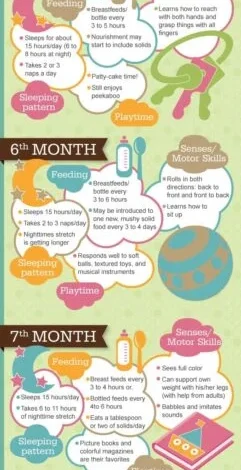
In the neonatal phase, or the first three months, the primary focus for caregivers is establishing homeostatic rhythms. During this time, the infant’s "habits" are largely biological reflexes. Tracking feeding frequency and duration, as well as elimination patterns, provides pediatricians with critical data regarding a newborn’s hydration and caloric intake.
Between four and six months, the infant typically enters a phase of increased social interaction and motor experimentation. This is often when parents begin tracking the onset of "tummy time" tolerance and the introduction of solid foods. By the third trimester of the first year—months seven through nine—the infant begins to master fine motor skills and crawling. Tracking these habits is no longer just about survival; it is about cognitive mapping. Parents often utilize logs to record the first instances of object permanence, the ability to sit unsupported, and the emergence of stranger anxiety.
Finally, the period from ten to twelve months marks the transition into toddlerhood. As the child prepares for their first steps and the mastery of basic communication, the tracking of sleep patterns becomes paramount. According to the National Sleep Foundation, infants in this age bracket require 11 to 14 hours of sleep per 24 hours, including naps. Deviations from these norms, if tracked consistently, allow parents to discuss sleep hygiene adjustments with healthcare professionals before they become chronic behavioral issues.

Supporting Data and Developmental Milestones
Data-driven parenting has gained traction as a professionalized approach to childcare. Pediatric research consistently indicates that parents who keep detailed logs of their child’s habits are 30% more likely to identify subtle symptoms of illness or developmental delays early.
The importance of this tracking is supported by the Centers for Disease Control and Prevention (CDC) milestone checklists. For instance, by 12 months, the CDC suggests that a child should be able to stand while holding on, drink from a cup with assistance, and follow simple spoken requests. By keeping a habit log, parents are effectively creating a longitudinal health record. This record serves as a primary source document during well-child visits, allowing for a more nuanced conversation with practitioners that moves beyond anecdotal memory to objective observation.
Technological Integration in Modern Parenting
In the current landscape, the traditional "pen and paper" baby journal has been largely supplanted by digital ecosystems. Mobile applications, smart nursery monitors, and wearable health trackers for infants now allow for automated data collection.

This digital shift has transformed how parents interpret baby habits. Where a parent might have previously felt overwhelmed by the erratic nature of a newborn’s schedule, modern tools generate trend lines. For example, by visualizing a week’s worth of sleep data, parents can see the "sleep pressure" curve, identifying exactly when their child is most prone to overtiredness. This objective data helps reduce the stress and burnout often associated with the unpredictability of early parenthood.
Professional Perspectives on Developmental Monitoring
Pediatricians generally advocate for a balanced approach to tracking. While the benefits of monitoring for health reasons are clear, medical experts warn against "data obsession." Dr. Helena Vance, a developmental psychologist, notes that "while tracking habits is an invaluable tool for health, it should not replace the intuitive bond between parent and child. Data should inform care, not dictate the entire experience of childhood. If a parent is so focused on the log that they miss the spontaneous joy of a child’s interaction, the benefit of the tracking is neutralized."
Official guidance from professional pediatric associations suggests that parents should prioritize tracking three core areas: growth (weight and height percentile charts), nutrition (intake volume and dietary variety), and neurological development (social smiling, eye contact, and response to stimuli). Beyond these, parents are encouraged to be flexible, allowing for the natural variance that occurs during teething, growth spurts, or minor illnesses.

Broader Implications for Early Childhood Education
The implications of early habit tracking extend into the realm of early childhood education. Children who have had their developmental patterns tracked often have a more seamless transition into childcare or preschool environments. When a caregiver can provide a new teacher with a detailed history of a child’s nap requirements, food sensitivities, and communication cues, the transition period is significantly shortened.
Furthermore, this practice fosters a culture of advocacy. Parents who are accustomed to tracking their child’s habits are better equipped to notice when a child is not thriving. In clinical settings, this has led to earlier diagnoses of conditions such as sensory processing disorders or mild motor delays. By identifying these issues before the age of two, families can access early intervention services, which are proven to have the highest efficacy rates when implemented in the first three years of life.
Navigating the Future: Trends in Childcare Products
As the market for baby gear evolves, we see a trend toward "smart" products that integrate seamlessly into the tracking experience. At recent industry events, such as the Kind + Jugend show, the focus has shifted toward high-tech nursery furniture, such as the UPPAbaby Ciro High Chair, which prioritizes both safety and ease of use—factors that allow parents to spend less time on maintenance and more time on developmental monitoring.

Similarly, the emergence of lightweight, ergonomic gear like the Valco Neo Twin LITE signifies a shift in the industry toward accommodating the physical demands placed on parents. When equipment is easier to manage, parents have more mental bandwidth to dedicate to the cognitive and emotional needs of their children.
Conclusion: The Holistic Approach
Keeping track of baby habits is more than just a logistical task; it is a fundamental act of care. By documenting the progress of the first year, parents create a foundation for a healthy life. While the tools of the trade—whether they be digital apps or simple notebooks—have changed, the goal remains the same: to provide the best possible environment for a child to grow, learn, and develop into an independent individual.
Ultimately, the most effective tracking strategy is one that is informed by professional medical advice, supported by accurate developmental data, and balanced by the lived experience of the family. As we move further into a future where data is readily available, the responsibility falls on caregivers to use this information not as a source of anxiety, but as a roadmap for growth. By maintaining a consistent, factual record of their child’s journey, parents empower themselves and their healthcare providers to make the best decisions for the child’s future. The first year is a whirlwind of change, but with the right approach to observation and documentation, it can be a manageable, insightful, and deeply rewarding period for every family.