Lentil Banana Muffins: A Case Study in Nutritional Innovation and Dietary Versatility


The culinary landscape of the 21st century has seen a significant shift toward the integration of nutrient-dense legumes into non-traditional applications, with the Lentil Banana Muffin serving as a prominent example of this dietary evolution. Originally formulated in December 2012, this recipe has maintained sustained popularity over the past fourteen years, reflecting a broader consumer trend toward increasing fiber and protein intake through hidden, plant-based ingredients. By leveraging the neutral flavor profile of green lentils, this baked good provides 3 grams of fiber and 4 grams of protein per serving, effectively bridging the gap between traditional comfort foods and functional nutrition.
Chronology of a Culinary Innovation
The conceptualization of the Lentil Banana Muffin began as a response to the growing demand among health-conscious parents for accessible, high-nutrition snacks that could be easily incorporated into standardized meal planning. Between 2012 and 2026, the recipe underwent minor refinements to accommodate advancements in kitchen technology, specifically the widespread adoption of high-speed food processors. The integration of the food processor was a critical turning point in the recipe’s success, as it allowed for the complete emulsification of the lentils into the batter, effectively eliminating the texture-based objections often associated with legumes in dessert items.
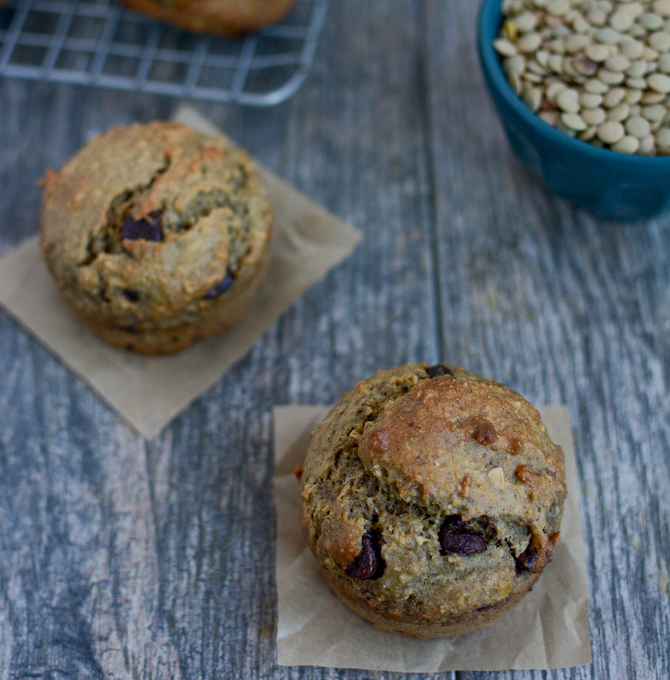
By 2016, the recipe had transitioned from a niche dietary experiment to a staple in many households, as evidenced by anecdotal reports from readers regarding its convenience for school lunches and freezer-friendly properties. The most recent update to the recipe, conducted in November 2026, reinforced the longevity of the concept, demonstrating that the demand for "stealth health"—the practice of incorporating vegetables or legumes into palatable meals—remains a persistent objective for modern families.
Nutritional Profile and Biochemical Analysis
The incorporation of green lentils into a flour-based muffin batter serves a dual purpose: it increases the micronutrient density of the final product and modifies the glycemic response of the snack. A standard half-cup serving of green lentils contains approximately 9 grams of protein and 8 grams of fiber. When processed and combined with bananas and oats, these lentils provide essential minerals including iron, folate, and magnesium.
From a nutritional science perspective, the inclusion of fiber-rich pulses like lentils is highly recommended by dietitians to stabilize blood glucose levels. The fiber acts as a moderating agent for the simple carbohydrates found in bananas and sweeteners, resulting in a more sustained release of energy. Furthermore, the use of lentils as a plant-based protein source offers an environmentally sustainable alternative to animal-derived proteins, aligning with global shifts toward more sustainable dietary patterns.
Comparative Analysis of Legume Integration
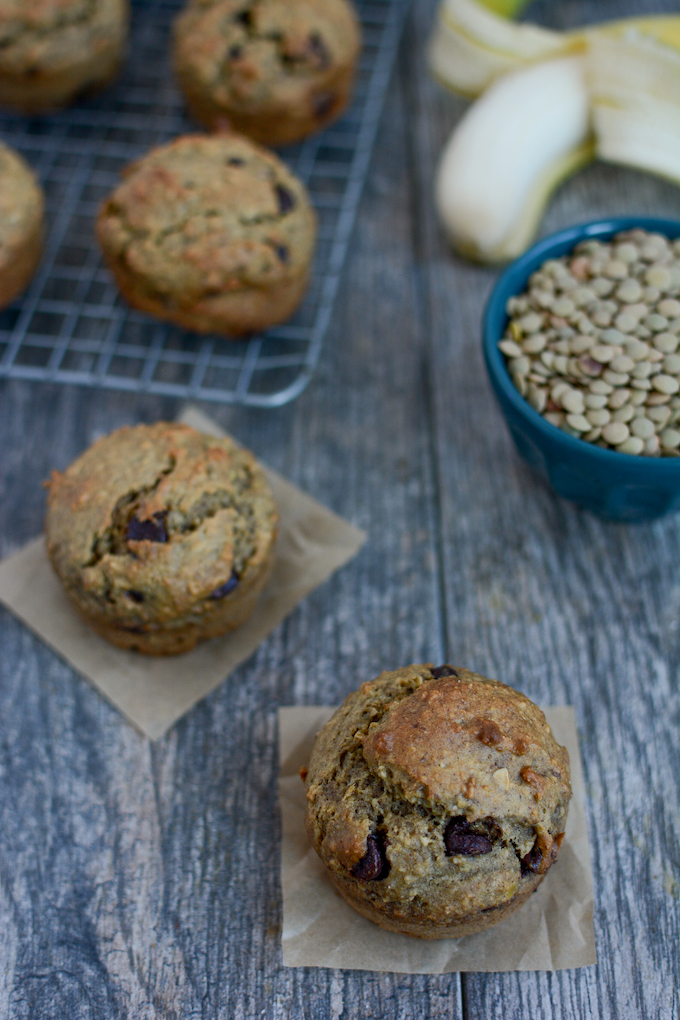
The success of the Lentil Banana Muffin has catalyzed a wider exploration of using pulses in baking. Variations of this concept have emerged, such as Apple Cinnamon Red Lentil Muffins and Pumpkin Red Lentil Muffins. While green lentils are prized for their structural integrity and mild flavor, red lentils are often utilized for their ability to break down during the cooking process, resulting in a smoother batter consistency.
This trend is not limited to home baking; commercial food production has increasingly explored "pulse flour" as a functional ingredient. The objective in these professional applications mirrors the home-kitchen approach: achieving a high-protein content without compromising the sensory attributes—taste, mouthfeel, and appearance—that consumers expect from baked goods.
Strategic Implementation in Domestic Meal Planning
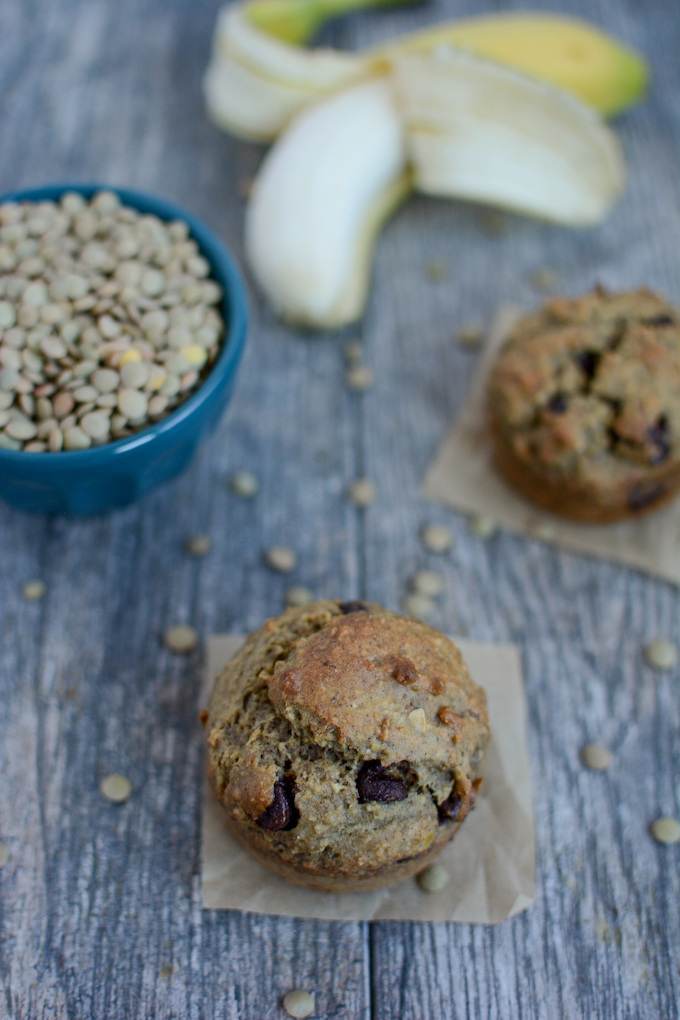
The logistics of preparing lentil-based baked goods have been streamlined through modern food preparation techniques. A key factor in the adoption of this recipe is the viability of bulk preparation. Cooking large batches of lentils and freezing them in one-cup increments allows for rapid assembly, reducing the "barrier to entry" for home cooks. This logistical efficiency is a primary driver of the recipe’s high retention rate among users.
Furthermore, the adaptability of the base recipe allows for seasonal modifications. For instance, the addition of molasses and ginger creates a gingerbread-inspired profile, demonstrating that the foundational protein-fiber base is versatile enough to support a variety of flavor profiles. This flexibility is essential for long-term dietary compliance, as it prevents the "flavor fatigue" that often occurs with repetitive healthy eating plans.
Consumer Feedback and Market Reception
Since its inception, the recipe has garnered extensive feedback, highlighting a consistent theme: the successful masking of the lentil flavor. Analysis of reader testimonials suggests that the primary obstacle to the adoption of legume-based baking is the psychological perception of flavor. Once this barrier is overcome through successful execution, users report high levels of satisfaction.
The emphasis on "kid-friendly" characteristics—specifically the lack of noticeable texture changes—has positioned these muffins as a solution for parents dealing with selective eating habits in children. The ability to provide high-quality nutrition without resistance from young consumers remains the most significant metric of success for this culinary intervention.
Broader Implications for Public Health
The sustained popularity of the Lentil Banana Muffin highlights an important shift in public health education. By moving away from restrictive diets and toward the inclusion of nutrient-dense whole foods in familiar forms, individuals are more likely to achieve long-term dietary adherence. This approach aligns with the principles of the "Table Talk" educational model, which emphasizes understanding the roles of macronutrients—carbohydrates, proteins, and fats—rather than focusing solely on calorie reduction.
The widespread use of this recipe also reflects a broader movement toward "food literacy," where the ability to prepare healthy meals at home is viewed as a vital life skill. As public awareness of the impact of nutrition on systemic health increases, recipes that simplify the path to a balanced diet are expected to gain further traction.

Future Trends in Functional Baking
Looking ahead, the integration of legumes into everyday staples is likely to expand into other categories, including savory breads, crackers, and breakfast bars. The primary challenge remains the optimization of taste profiles to ensure broad market appeal. As agricultural technology improves the quality and variety of pulse-based ingredients available to the general public, the distinction between "health food" and "standard food" is expected to diminish.
The Lentil Banana Muffin serves as a foundational case study for this transition. It demonstrates that with the correct application of culinary techniques—such as blending and combining with naturally sweet ingredients—nutritional density does not have to be sacrificed for flavor. This synthesis of health and gastronomy is the cornerstone of modern nutritional strategy and continues to influence the way households approach daily meal planning and long-term wellness.
In summary, the recipe’s endurance over more than a decade underscores the effectiveness of its design. By prioritizing ease of use, nutritional efficiency, and sensory appeal, it has set a standard for functional food in the domestic sphere. As the food industry continues to emphasize health-forward initiatives, the lessons learned from this simple, legume-based muffin will continue to inform both professional and home-based culinary practices for years to come.