Nutritional Composition and Macro-Efficiency
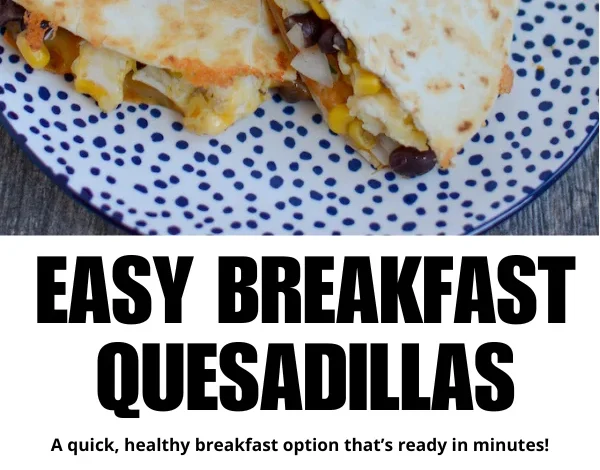
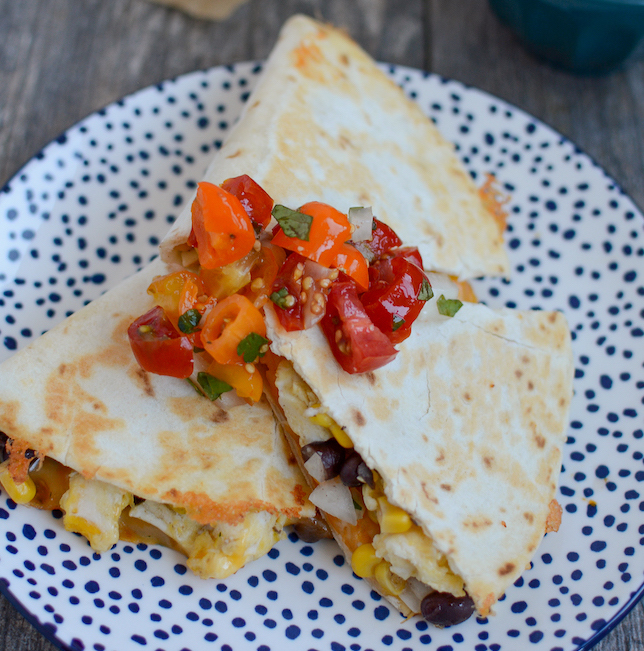
The efficacy of the breakfast quesadilla lies in its calculated macronutrient density. From a nutritional standpoint, the combination of eggs and beans serves as a synergistic approach to satiety. According to standard dietary data, a well-constructed breakfast quesadilla can yield approximately 35 grams of high-quality protein and between 8 and 10 grams of dietary fiber. This specific composition is essential for glycemic control; the fiber content from the beans, particularly when paired with high-fiber or whole-wheat tortillas, works to stabilize blood glucose levels, preventing the mid-morning energy crashes often associated with high-sugar, low-protein breakfast alternatives.
Furthermore, the integration of legumes—often an underutilized component in North American morning meals—offers a significant boost in plant-based minerals, including iron, folate, and magnesium. When these are combined with the complete protein profile of eggs, the result is a nutritionally robust meal that meets the functional requirements of a busy professional or student demographic.
The Evolution of Freezer-Friendly Culinary Practices
The shift toward "batch cooking" and advanced food preparation has gained significant momentum over the past decade. The methodology behind the freezer-friendly breakfast quesadilla relies on a specific sequence of thermodynamic management. To ensure the final product maintains its structural integrity after being subjected to sub-zero temperatures, the preparation process must be precise:
- Thermal Equilibrium: After cooking, the quesadillas must reach ambient room temperature on a cooling rack. Placing warm items directly into a freezer bag introduces excess moisture, which leads to the formation of ice crystals and, subsequently, a "soggy" texture upon reheating.
- Flash Freezing: The process of placing the quesadillas on a flat baking sheet for one to two hours prior to final storage ensures that each unit remains distinct, preventing clumping.
- Moisture Control: Utilizing high-quality, air-tight storage, such as vacuum-sealed bags or heavy-duty Ziploc containers, protects the tortilla from freezer burn and dehydration.
This chronological approach to food preservation is not merely a convenience tactic but a necessary scientific step to maintain the textural contrast between the crisp tortilla exterior and the molten, protein-rich interior.
Reheating Methodology: The Air Fryer Paradigm
While microwave ovens remain the most common appliance for rapid reheating, they are notoriously ineffective for foods requiring a crisp crust. The introduction of air-fryer technology into residential kitchens has fundamentally altered the standards for reheating convenience meals.
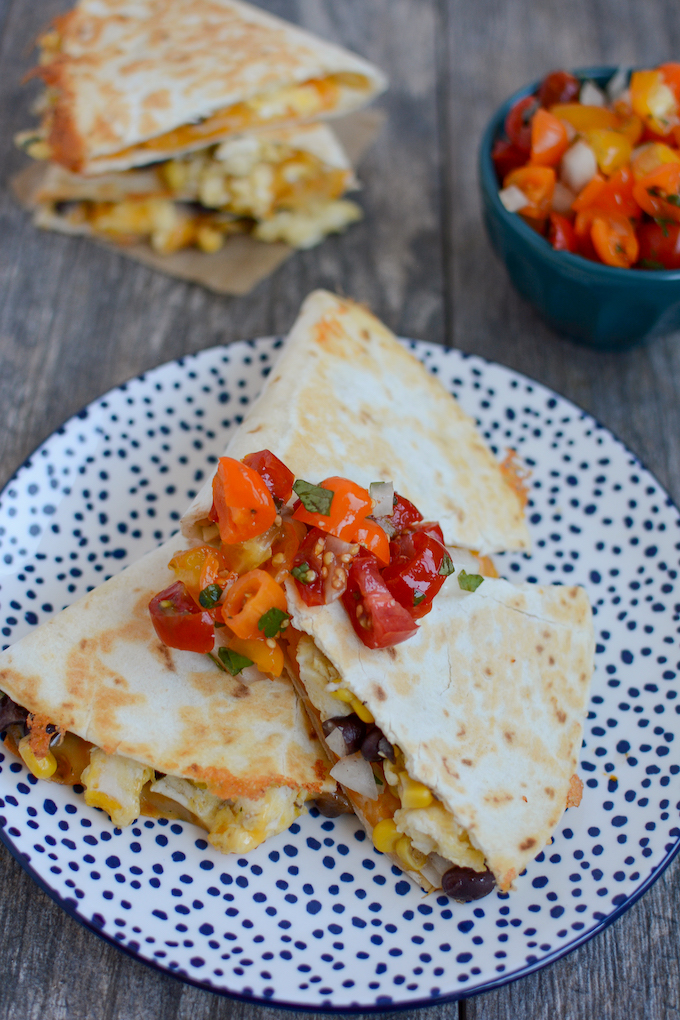
The mechanism of the air fryer—which utilizes high-speed convection to circulate hot air—allows for the rapid dehydration of the surface of the tortilla while simultaneously heating the internal filling. For a frozen breakfast quesadilla, a temperature of 380 degrees Fahrenheit for 10 to 12 minutes is sufficient to achieve a "freshly cooked" texture. This method avoids the rubbery texture often produced by microwave radiation, which agitates water molecules within the bread, causing it to become hydrated and soft.
Economic and Logistical Implications
From an economic perspective, the mass production of breakfast quesadillas serves as an effective counter-measure to the rising costs of convenience-based, on-the-go breakfast foods. By purchasing ingredients in bulk—specifically dried or canned beans, carton eggs, and block cheese—consumers can reduce their cost-per-meal significantly compared to retail breakfast sandwiches or restaurant-purchased items.
Logistically, the adoption of this meal-prep model reduces the "decision fatigue" that occurs during the morning hours. By eliminating the necessity to cook or choose a breakfast option on a daily basis, individuals can reclaim significant time, which is then redirected toward other morning tasks. This efficiency is a primary driver behind the growing popularity of freezer-ready meals in the wellness and productivity sectors.
Comparative Analysis: Traditional vs. Modern Preparation
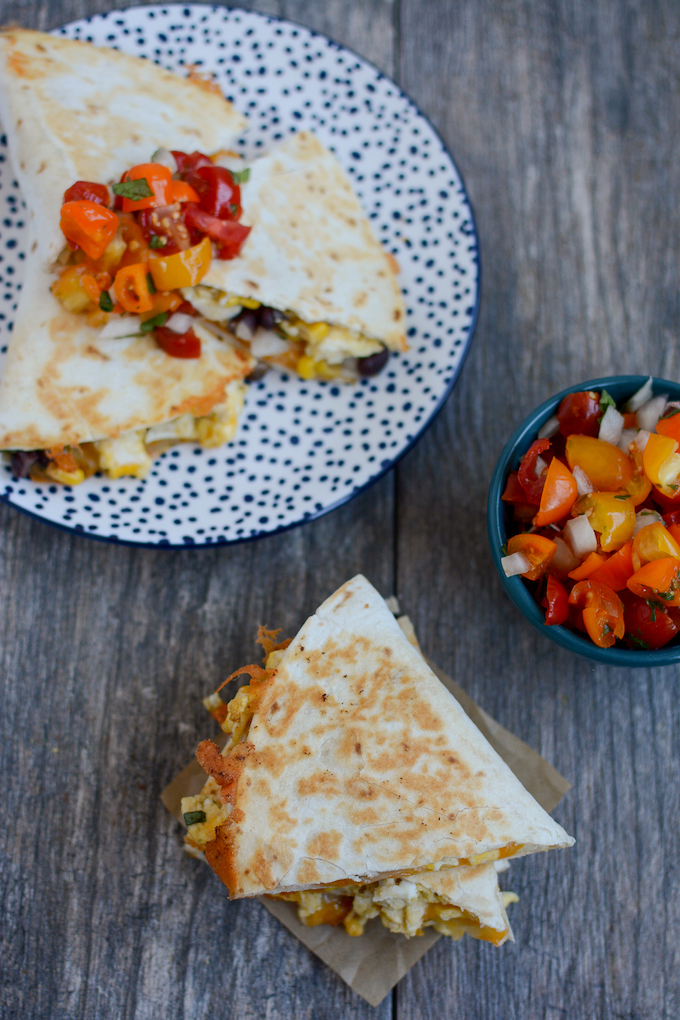
In historical contexts, the breakfast quesadilla was often a simple, stove-top preparation intended for immediate consumption. However, the modern adaptation requires a more nuanced approach to ingredient selection to prevent degradation. For instance, the inclusion of certain high-water-content vegetables, such as tomatoes or peppers, must be moderated or sautéed to remove excess liquid before they are added to the quesadilla assembly. If ignored, these ingredients compromise the structural stability of the tortilla during the freezing and thawing cycle.
Experts in food science suggest that the "soggy" phenomenon is the primary barrier to the widespread adoption of frozen breakfast foods. By emphasizing the "cool before freezing" rule and advocating for the use of convection-based reheating, proponents of this method are successfully overcoming the limitations of previous iterations of freezer meals.
Broader Public Health Impact
The promotion of such recipes by registered dietitians and nutritionists serves a broader public health goal: increasing fiber and protein consumption in a population that frequently skips breakfast or relies on nutrient-poor alternatives. Data consistently shows that individuals who consume a protein-rich breakfast are more likely to exhibit better appetite control throughout the day, which is a critical factor in long-term weight management and metabolic health.
The versatility of the quesadilla format allows for significant customization. Users can incorporate various bean types—such as black, pinto, or kidney beans—and adjust cheese varieties to suit specific dietary preferences or caloric goals. For those seeking to increase their intake of healthy fats, the addition of sliced avocado or a dollop of salsa upon serving provides essential monounsaturated fatty acids without sacrificing the ease of the core preparation.
Conclusion: Future Trends in Household Meal Prep
As the intersection of culinary science and household management continues to evolve, the breakfast quesadilla stands as a prime example of effective food engineering. It represents a transition away from processed, commercial frozen foods toward homemade, nutrient-dense alternatives that do not sacrifice the convenience of modern life.
By utilizing standardized preparation, storage, and reheating protocols, home cooks can effectively bridge the gap between nutrition and time-efficiency. The future of domestic meal preparation will likely continue to lean toward these scalable, freezer-ready solutions, emphasizing that high-quality nutrition is attainable even within the most rigorous and demanding schedules. Through the application of these techniques, the breakfast quesadilla remains a cornerstone of the modern, health-conscious, and efficiency-driven household.