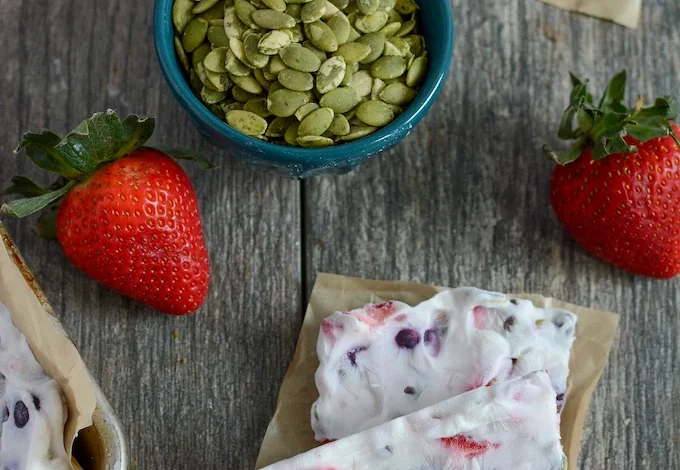
The transition from the school day to evening activities represents a critical window in a child’s nutritional intake. As students navigate demanding academic schedules and extracurricular commitments, the "after-school slump"—characterized by plummeting blood sugar and fatigue—often leads to a reliance on low-nutrient, high-sugar processed foods. Pediatric nutritionists increasingly emphasize that a strategic, protein-dense snack during this period is essential for maintaining cognitive function, physical stamina, and satiety until the evening meal.
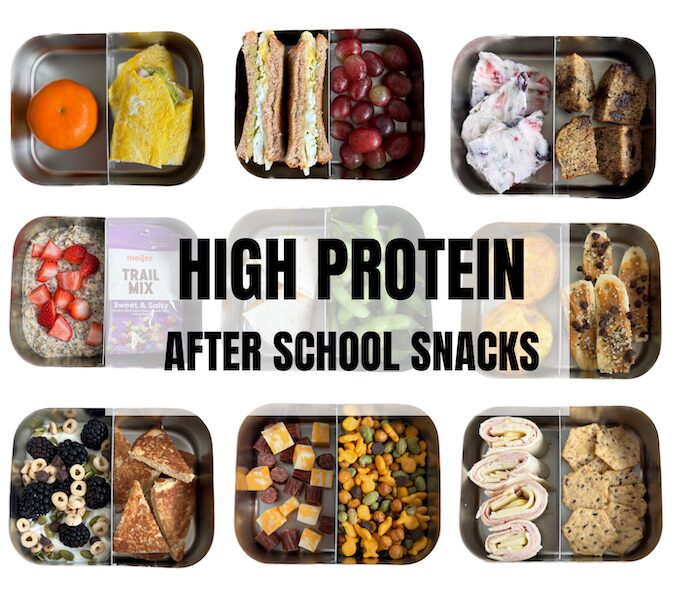
The Nutritional Physiology of After-School Snacking
The primary objective of an after-school snack is to bridge the nutritional gap between a midday school lunch and dinner. For most school-aged children, this window spans four to six hours. Without adequate intervention, children are susceptible to irritability and decreased focus.
Nutritional experts suggest that the most effective snacks utilize a "triad approach": combining protein, complex carbohydrates, and fiber. This combination facilitates a gradual release of glucose into the bloodstream, preventing the rapid insulin spikes associated with simple sugars. For children engaged in high-intensity sports or rigorous extracurricular activities, the necessity for sustained energy is amplified, requiring a more precise balance of macronutrients to support muscle repair and glycogen replenishment.
Protein Requirements by Developmental Stage
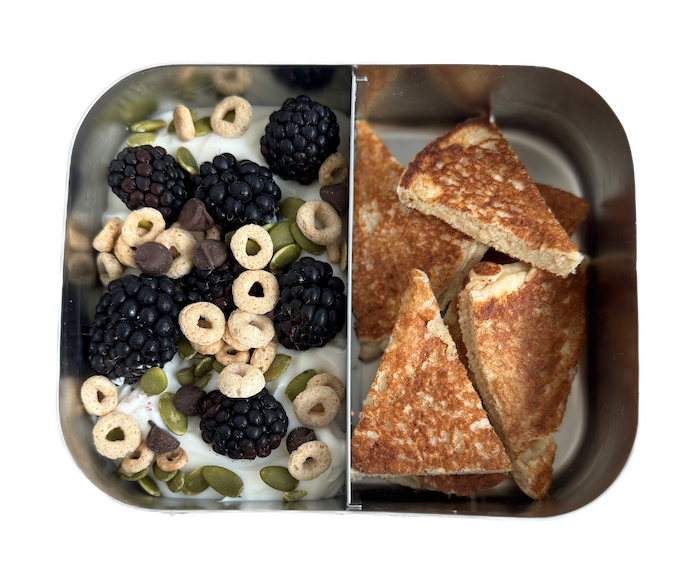
Determining individual protein needs requires consideration of age, biological sex, and activity levels. Current clinical guidelines generally suggest approximately 0.5 grams of protein per pound of body weight for children. However, this is a baseline; young athletes involved in competitive sports may require higher intake levels to aid in the synthesis of muscle tissue following physical exertion.
- Ages 4–8: Approximately 19 grams of protein per day.
- Ages 9–13: Approximately 34 grams of protein per day.
- Ages 14–18: Between 46 and 52 grams of protein per day, depending on muscle mass and activity.
While most children in developed nations meet their total daily protein requirements through standard meals, the strategic placement of protein in the afternoon helps prevent "snack grazing," a behavioral pattern where children consume empty calories that displace the nutritional value of their dinner.

Strategic Nutrient Allocation for Young Athletes
For the adolescent athlete, the timing of nutrient intake is as vital as the quality of the food. Research indicates that the pre-practice period should prioritize complex carbohydrates to saturate glycogen stores, while the post-practice period—typically occurring during the late afternoon—demands a rapid influx of high-quality protein to stimulate muscle protein synthesis.
"Recovery nutrition is often overlooked in youth athletics," says Dr. Elena Rodriguez, a pediatric sports nutritionist. "When a child finishes soccer or basketball practice, their body is in a catabolic state. Providing a snack that features a 3:1 or 4:1 ratio of carbohydrates to protein within 30 to 60 minutes of exercise can significantly enhance recovery speed and reduce soreness."
Categorizing Effective Protein Sources
To maximize dietary adherence among children, nutritionists recommend diversifying protein sources. Not all children respond well to meat-based options, necessitating the inclusion of dairy, legumes, and plant-based alternatives.
Dairy and Egg-Based Options
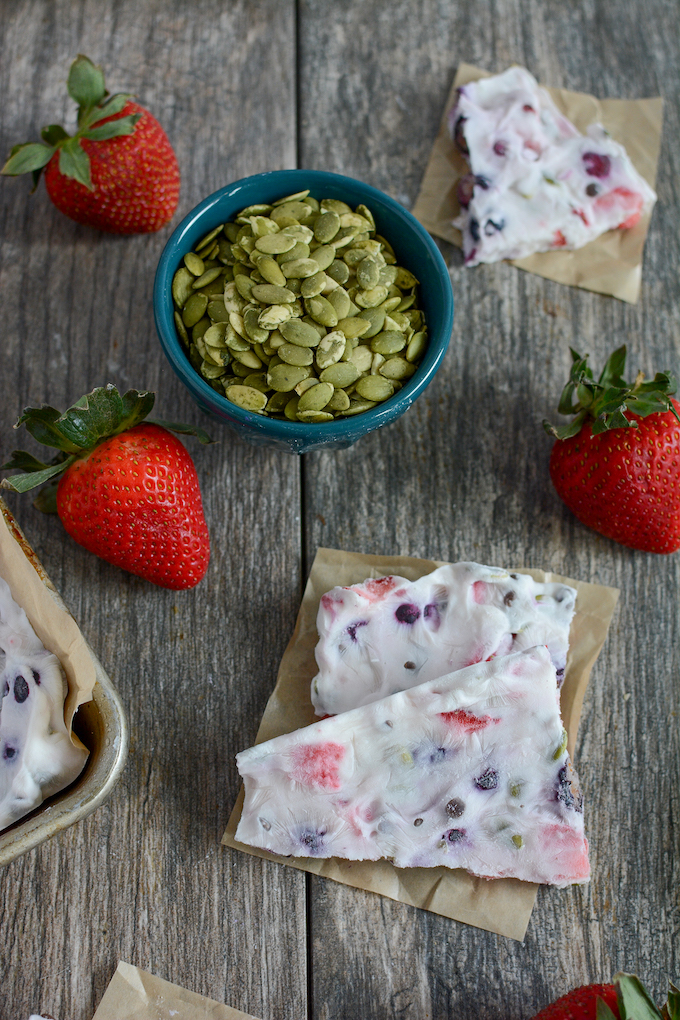
Eggs remain one of the most bioavailable sources of protein. Hard-boiled eggs or egg-based wraps offer a shelf-stable, nutrient-dense solution. Dairy products, such as Greek yogurt, cottage cheese, and kefir, provide high levels of casein and whey protein. These options are particularly effective for picky eaters because they can be easily paired with fruits or grains to improve palatability.

Legumes and Plant-Based Proteins
For families prioritizing plant-based nutrition, roasted chickpeas, edamame, and lentil-based pasta represent excellent sources of both protein and fiber. These foods also provide essential micronutrients, such as iron and folate, which are often lacking in the standard adolescent diet.
Nuts and Seeds
Nut butters, sunflower seeds, and chia-based energy bites offer dense protein and healthy fats. However, these must be handled with caution in school environments due to prevalent nut allergies. In institutional settings, pumpkin seeds (pepitas) and roasted edamame serve as safe, high-protein, nut-free alternatives that provide the same satiety benefits.

Analytical Overview: The Impact of Dietary Habits
A longitudinal analysis of student performance suggests a direct correlation between dietary quality and academic output. Students who consume a balanced snack post-school exhibit higher levels of concentration during homework periods and reduced instances of behavioral dysregulation compared to those who consume snacks high in refined sugars.
The implications for public health are significant. By shifting the focus of the after-school snack from convenience to composition, parents can effectively mitigate the risk of childhood obesity and insulin resistance. The strategy is not to replace meals, but to provide a "metabolic bridge" that sustains the child through their final daily obligations.
Implementation Strategies for Busy Households
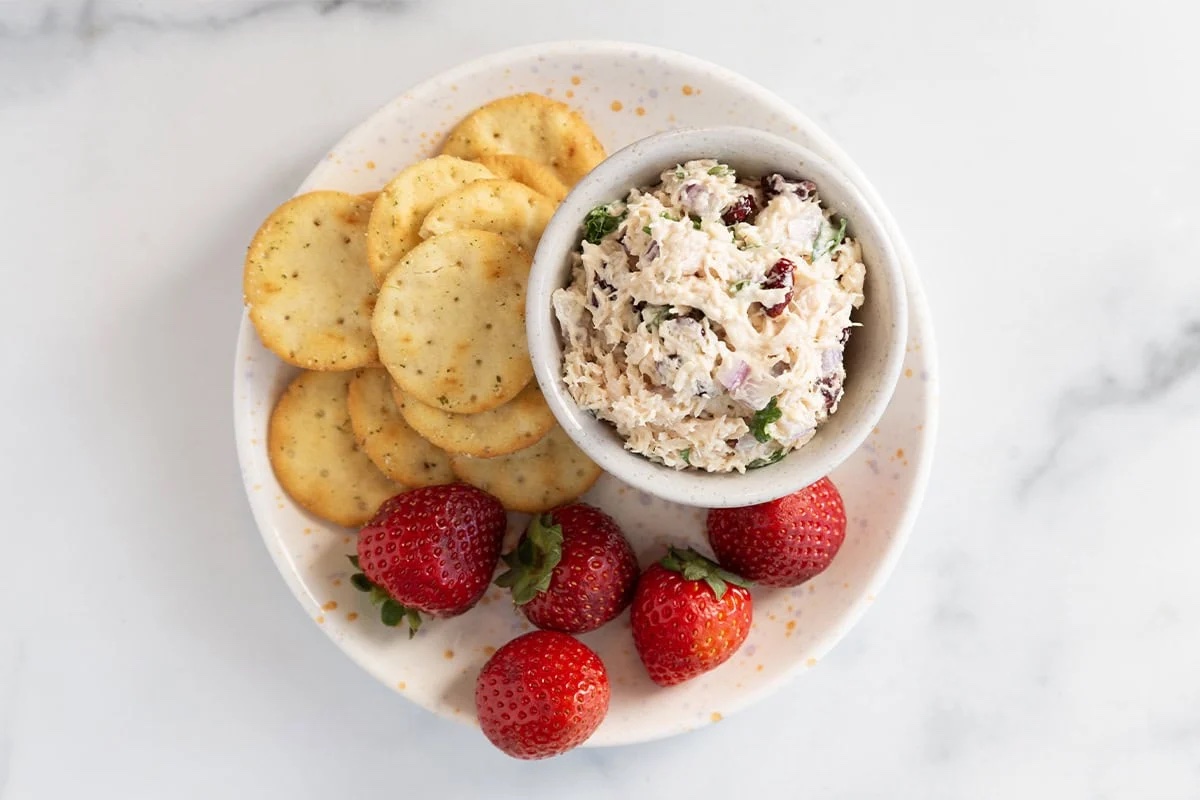
For working parents, the challenge lies in accessibility. Preparation, such as batch-cooking energy balls, maintaining a supply of pre-portioned Greek yogurt, or keeping hard-boiled eggs on hand, is critical.
- Batch Preparation: Preparing large quantities of protein-rich staples, such as egg muffins or turkey roll-ups, on Sundays ensures availability throughout the school week.
- Freezer Utility: Many high-protein options, including pancakes, waffles, and homemade smoothies, can be frozen and thawed in the microwave or toaster, providing a warm, comforting snack that requires minimal effort.
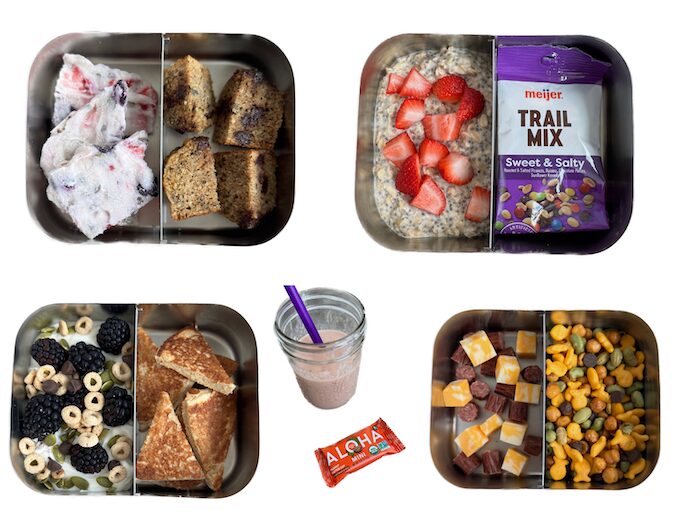
- The "Grab-and-Go" Pantry: Maintaining a shelf-stable inventory of canned tuna pouches, beef jerky, or individual portions of nuts and seeds ensures that even on the busiest days, a nutritious option is available.
Addressing Dietary Restrictions and Preferences
Picky eating is a common developmental phase, yet it often complicates nutritional goals. When a child refuses traditional meat-based proteins, dairy often serves as a primary substitute. Yogurt parfaits, fruit-and-yogurt smoothies, and cheese-based snacks can satisfy protein requirements without triggering negative food aversions.
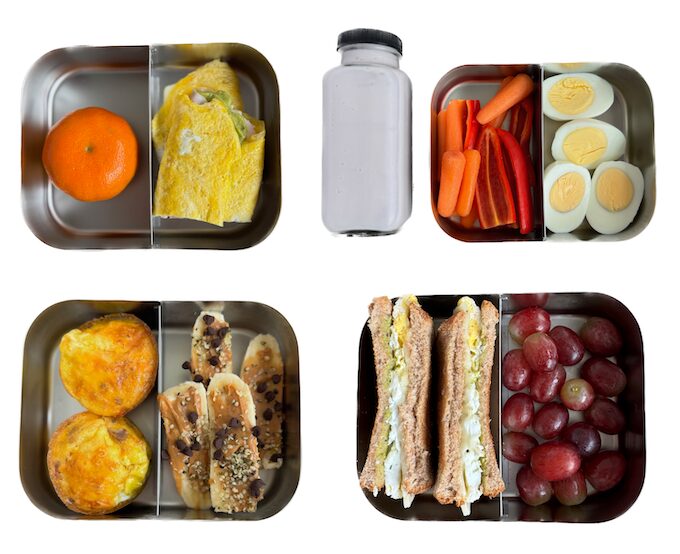
Furthermore, for families managing severe food allergies, the "nut-free" category of snacks has seen significant expansion. The market now offers a variety of chickpea-based puffs, sunflower seed butter, and seed-heavy trail mixes that mirror the satiety profiles of traditional snacks while maintaining a safe profile for school environments.
Conclusion: The Long-Term Benefit
The focus on high-protein after-school snacks is a proactive measure in long-term health management. By fostering healthy snacking habits in childhood, parents establish a framework for intuitive eating that serves the child well into adulthood. While the convenience of pre-packaged, processed snacks is undeniable, the physical and cognitive advantages of whole-food, protein-rich alternatives provide a clear return on investment for both the parent and the student.
As children continue to face the pressures of modern schooling and extracurricular expectations, the strategic use of nutrition will remain a fundamental pillar of their development, ensuring they have the energy, focus, and physical recovery necessary to succeed both in the classroom and on the field.