The Rise of Air Fryer Cuisine: Mastering the Perfectly Crispy Chicken Bite

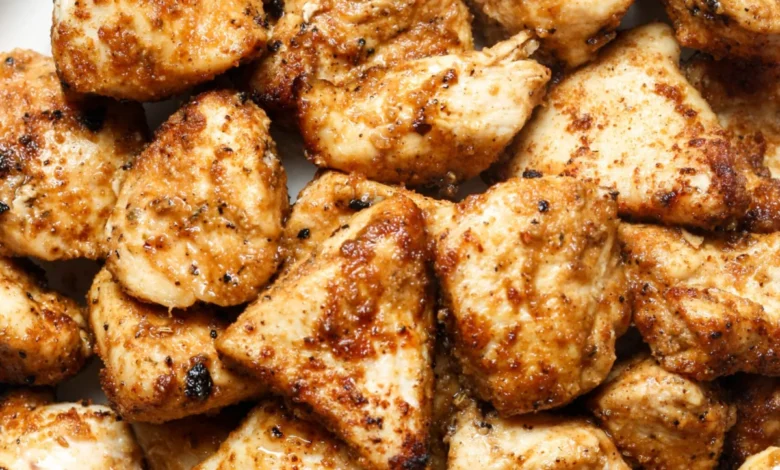
The culinary landscape has undergone a significant transformation over the past decade, driven by the rapid adoption of small-appliance cooking technologies. Among these, the air fryer has emerged as a centerpiece of modern kitchens, fundamentally altering how households approach protein preparation. By utilizing high-speed convection technology to circulate superheated air, the air fryer achieves a Maillard reaction—the chemical process responsible for browning and crisping—with significantly less fat than traditional deep-frying methods. Central to this trend is the emergence of the "chicken bite," a versatile, nutrient-dense protein preparation that has become a staple for both weeknight dinners and high-efficiency meal prep.
The Technology of Convection Cooking
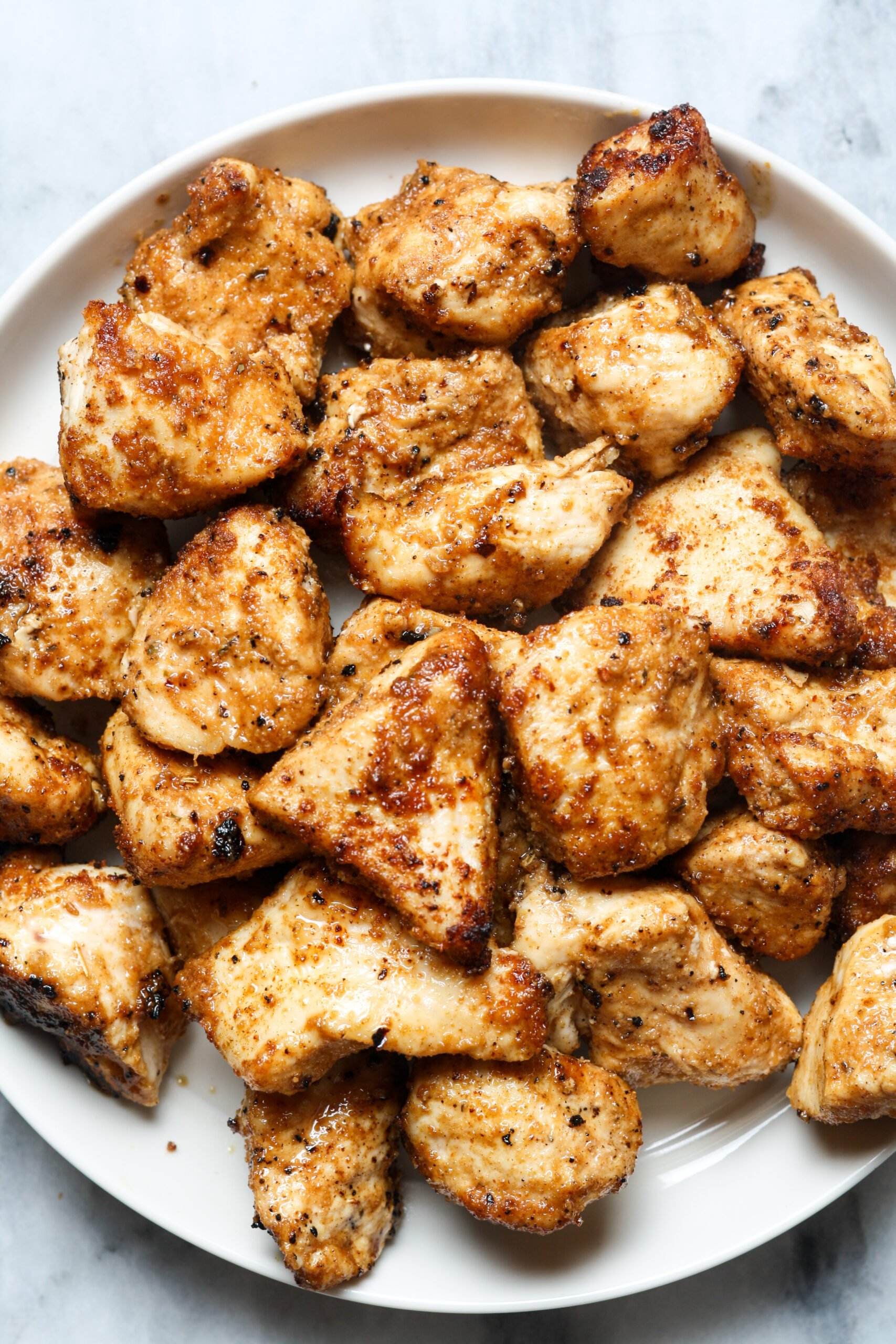
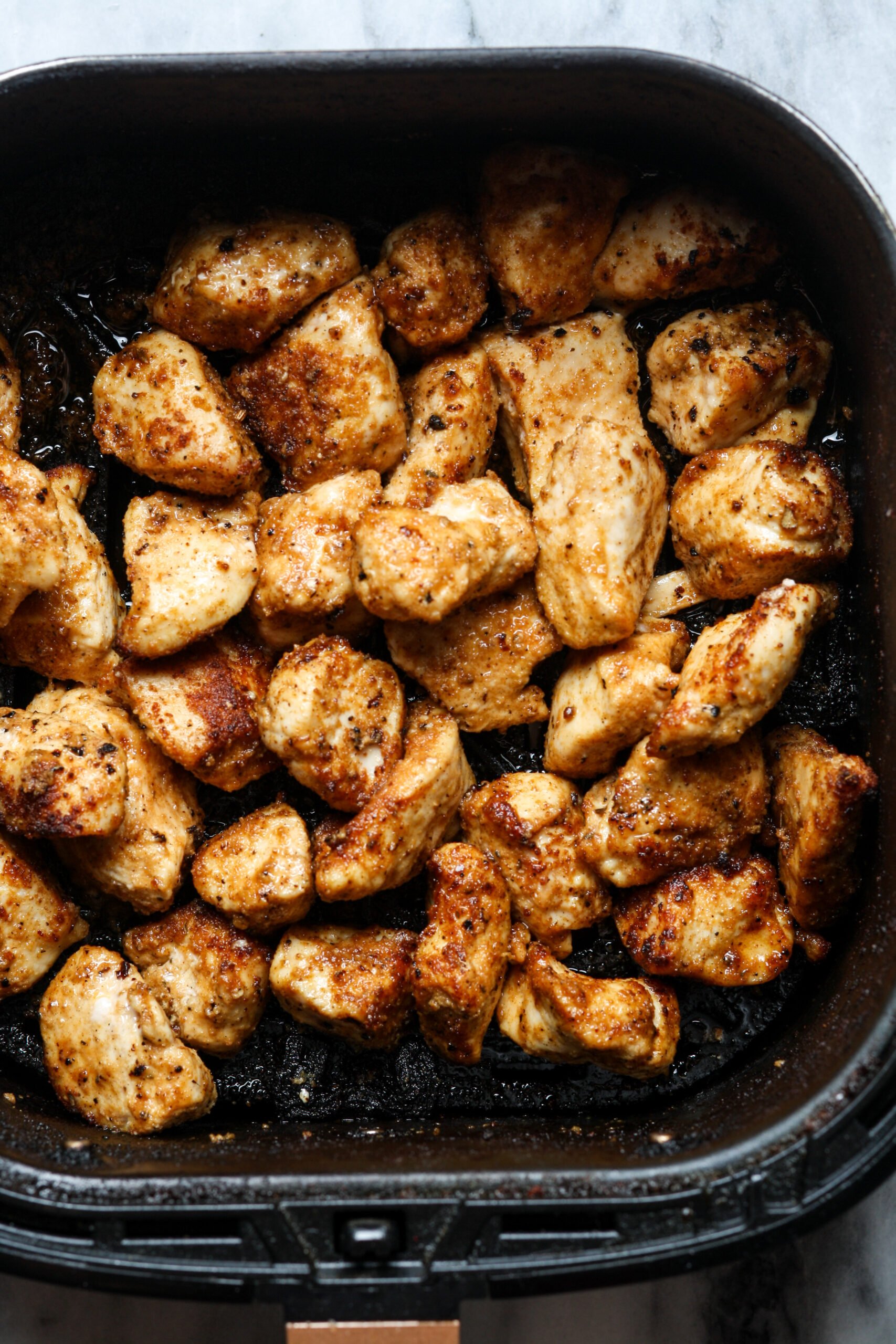
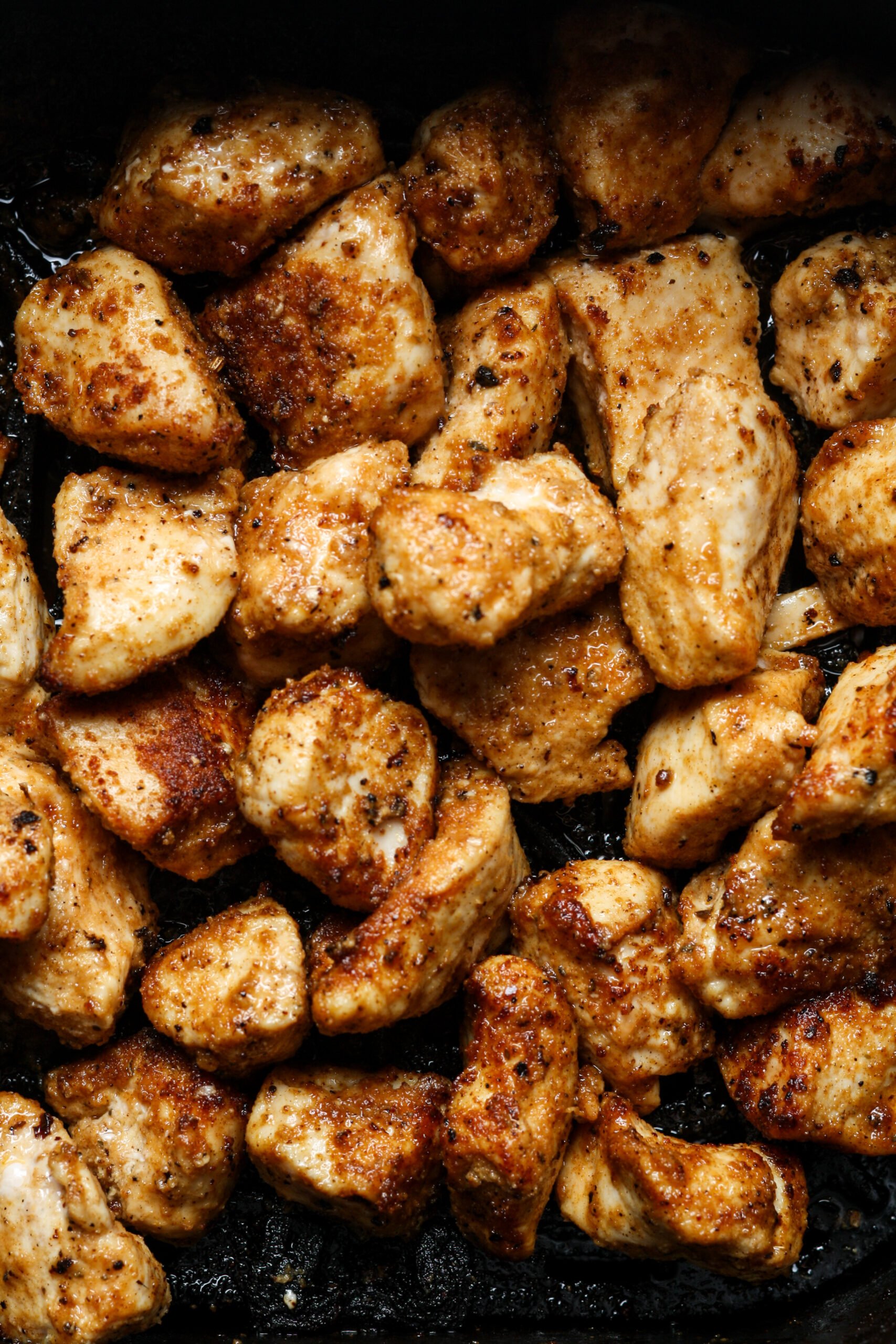
The functional premise of the air fryer is rooted in the physics of heat transfer. Unlike a standard oven, which relies on radiant heat, an air fryer utilizes a powerful fan to circulate hot air at high speeds. This creates a "convection effect" that drastically reduces cooking time while simultaneously dehydrating the surface of the food. In the case of chicken breasts or thighs cut into one-inch cubes, this rapid moisture removal from the exterior, combined with the containment of internal juices, results in a texture profile characterized by a crisp, golden crust and a tender, moist interior.
From a nutritional perspective, this method represents a meaningful shift in home cooking. According to recent food industry market reports, consumers are increasingly prioritizing "clean label" preparation techniques that avoid the heavy oils associated with restaurant-style frying. By relying on a light coating of heart-healthy oils—such as olive or avocado oil—and dry spice rubs, the air fryer allows for a substantial reduction in caloric density without sacrificing the sensory satisfaction of a fried product.

Culinary Methodology and Preparation Protocols
The process of creating air-fried chicken bites follows a standardized, highly repeatable protocol that prioritizes consistency.
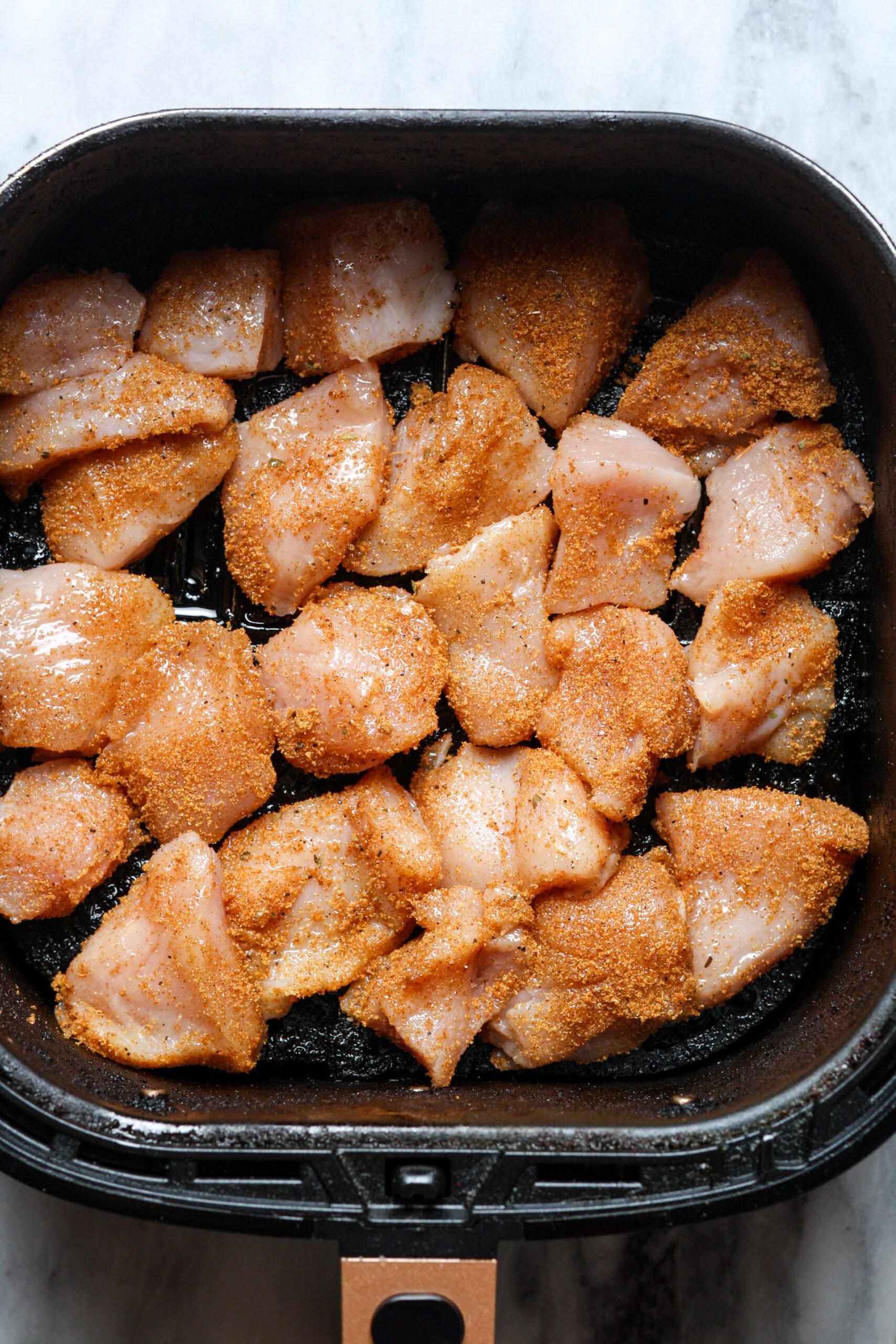
- Protein Selection and Preparation: Chefs and home economists recommend using boneless, skinless chicken breasts or thighs. The protein must be cut into uniform, one-inch cubes to ensure even heat distribution. If utilizing frozen stock, industry standards dictate a complete thaw at refrigerator temperatures—between 34°F and 40°F—to prevent the uneven cooking that occurs when thawing occurs solely in the microwave.
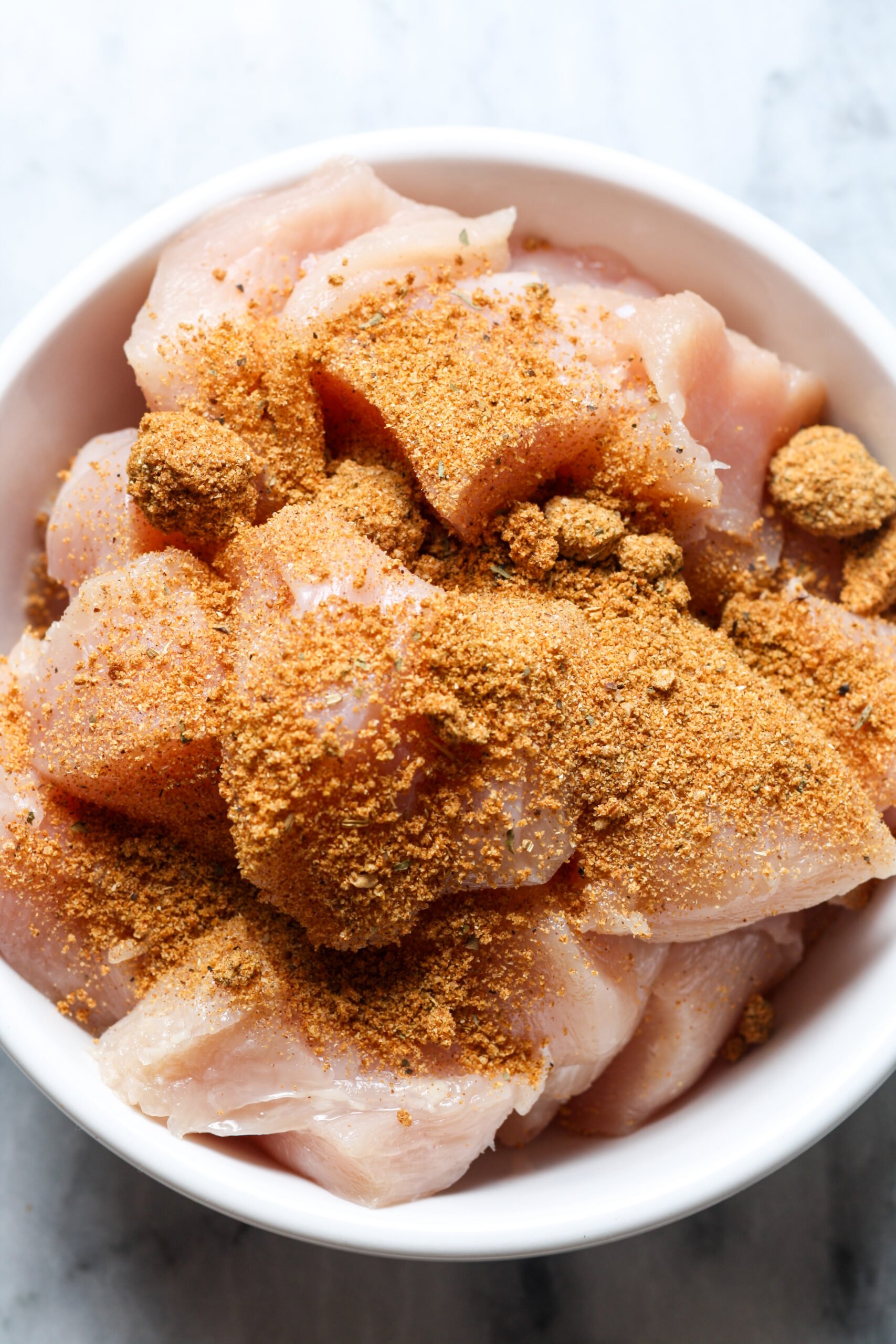
- Seasoning Profiles: The application of a dry rub serves as both a flavor enhancer and a moisture barrier. A foundational blend typically includes sea salt, cracked black pepper, granulated garlic, and onion powder. The addition of cumin introduces an earthy, savory note, while chili or cayenne powder acts as a catalyst for heat.
- The Maillard Reaction Catalyst: A critical step in the procedure is the application of a thin layer of oil. This thin coating acts as a heat conductor, facilitating the browning process. Without this, the chicken may appear pale or become overly dehydrated before the desired exterior texture is achieved.
- The Thermal Cycle: The standard cooking cycle for poultry in a preheated air fryer is approximately 12 minutes at 400°F. Professionals emphasize the necessity of a halfway flip or shake to ensure that all surfaces of the meat are exposed to the direct airflow.
Strategic Applications in Meal Planning
The popularity of chicken bites in modern diets is largely due to their high degree of modularity. In an era where "meal prepping" has become a dominant trend for time-crunched professionals and families, the chicken bite functions as a foundational ingredient.
Data from nutritionists suggests that incorporating lean, high-protein components like air-fried chicken into daily meals can stabilize blood glucose levels and increase satiety. Beyond the basic consumption of the protein, its utility in diverse culinary applications is expansive. When integrated into grain bowls featuring brown rice or quinoa, the protein provides a robust structure. When utilized in more creative configurations—such as being threaded onto skewers with fresh produce or incorporated into breakfast egg scrambles—the chicken bite serves as a versatile anchor for a balanced diet.
Market Trends and Consumer Behavior
The shift toward air fryer utilization is not merely a fad but a response to broader socioeconomic pressures. As the cost of dining out continues to rise, households are increasingly looking for ways to replicate restaurant-quality textures at home with minimal labor. Industry analysts note that sales of air fryers spiked by over 300% between 2019 and 2024, indicating that the appliance has moved from a novelty item to a kitchen essential.
Retailers have responded by expanding the availability of pre-seasoned protein packs, yet the DIY approach remains the most cost-effective and transparent method. By controlling the ingredients—specifically by avoiding processed additives or excessive sodium found in commercial pre-packaged tenders—the home cook maintains full oversight of the nutritional content.
Challenges and Best Practices for Optimal Results
Despite the simplicity of the air fryer, achieving professional-grade results requires attention to detail. The most common pitfall identified in culinary workshops is "overcrowding." If the air fryer basket is filled beyond capacity, the air circulation is impeded, leading to steamed rather than fried textures.
To mitigate this, experts recommend the following best practices:
- Surface Dryness: Patting the chicken pieces dry with a paper towel before applying seasoning is essential. Excess surface moisture is the enemy of crispiness.
- Batch Cooking: For larger quantities, it is better to cook in two smaller batches rather than one massive, overcrowded load.
- Internal Temperature Verification: Regardless of the cooking time, the final authority is the internal temperature. Using a meat thermometer to ensure the chicken reaches an internal temperature of 165°F (74°C) is the only way to guarantee both safety and quality.
Long-term Implications for Home Economics
The integration of the air fryer into the modern home has significant implications for long-term food waste reduction and dietary habits. Because air-fried chicken reheats with remarkable efficiency, leftovers are less likely to be discarded. When stored in airtight containers, the integrity of the texture can be maintained for up to four days in the refrigerator.
Furthermore, the capability to freeze these bites after the initial cooking cycle allows for a "fast-food" style convenience that is both healthier and more economical than purchasing processed, frozen alternatives. By freezing the cooked, cooled bites in single-layer trays before transferring them to bags, the home cook creates a supply of ready-to-use protein that can be revitalized in the air fryer in under five minutes.
Conclusion
The air fryer chicken bite represents the intersection of technology and nutrition. It satisfies the human craving for crispy, savory, and satisfying textures while aligning with modern demands for speed, health, and budgetary efficiency. As domestic cooking habits continue to evolve toward these high-efficiency models, the air-fried chicken bite stands as a quintessential example of how simple, scientific principles can elevate everyday ingredients into a staple of the contemporary diet. Whether served as a standalone appetizer, a salad topper, or a core protein in a complex meal, its status as a foundational recipe appears secure for the foreseeable future.