A Comprehensive Guide to Making Creamy Chicken and Cashew Curry for Family Weeknight Dinners

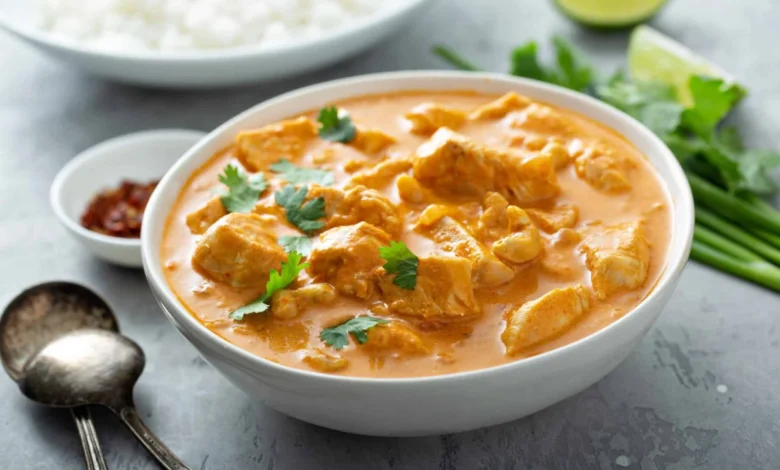
The modern culinary landscape for busy households has increasingly prioritized efficiency, nutritional balance, and flavor complexity without demanding extensive preparation times. Among the latest developments in home-cooking trends is the rising popularity of one-pan meals that bridge the gap between sophisticated dining and child-friendly palates. A prime example gaining traction across culinary publications and family nutrition blogs is the Chicken and Cashew Curry, a dish designed to deliver a rich, velvety texture through full-fat coconut milk while maintaining a mild, approachable spice profile suitable for children.
Main Facts and Culinary Profile
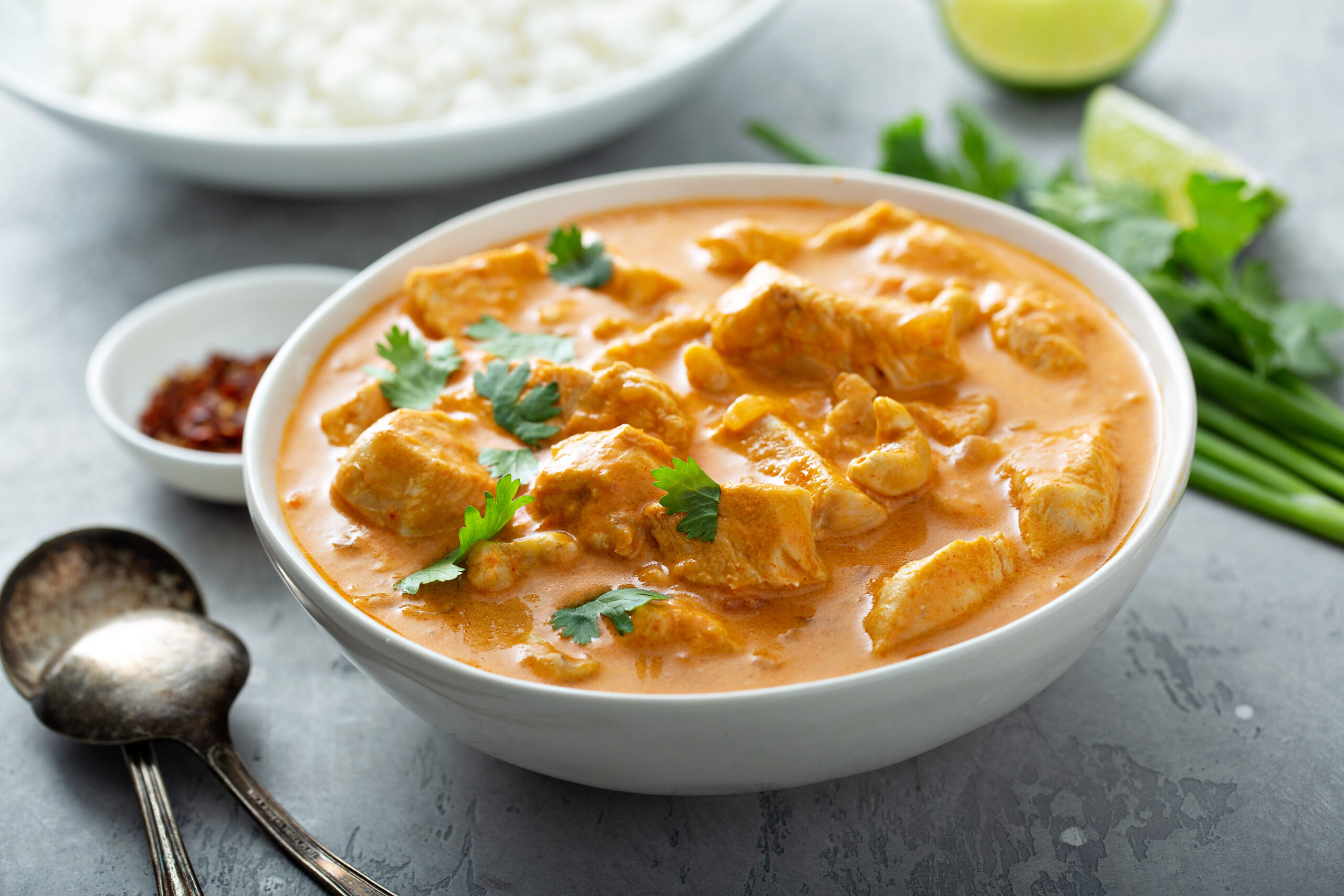
The Chicken and Cashew Curry centers on a combination of tender poultry, protein-rich legumes or nuts, and a fragrant sauce built upon foundational spices such as turmeric, cumin, and mild curry powder. Culinary analysts note that dishes utilizing coconut milk bases have seen steady growth in domestic kitchens due to their versatility and ability to complement various dietary preferences, including gluten-free and dairy-free options.
The primary components of the dish include:
- Tender cuts of chicken breast or thigh, browned to lock in moisture before simmering.
- A rich coconut curry sauce utilizing full-fat coconut milk to achieve a creamy mouthfeel without dairy additives.
- Toasted cashews, incorporated at the final stage of preparation to maintain their structural crunch.
- Aromatic additions like fresh lime juice and cilantro to balance the natural richness of the coconut fat.
Background Context and Nutritional Evolution
The integration of mild curries into Western household routines reflects a broader cultural shift toward global flavors in everyday cooking. Over the past decade, dietary guidelines and family-focused food platforms have emphasized the importance of early flavor exposure. Introducing children to aromatic spices—such as those found in mild Indian-inspired or Thai-fusion dishes—helps expand their palate diversity while establishing positive associations with nutrient-dense foods.
From a nutritional standpoint, incorporating ingredients like poultry, nuts, and vegetables aligns with recommendations from pediatric dietitians. Cashews provide a source of healthy monounsaturated fats, plant-based protein, and essential minerals such as magnesium and zinc. Meanwhile, pairing the curry with vegetables like broccoli, spinach, sweet potatoes, or cauliflower enhances the dish’s dietary fiber and micronutrient profile.
Chronology and Preparation Workflow
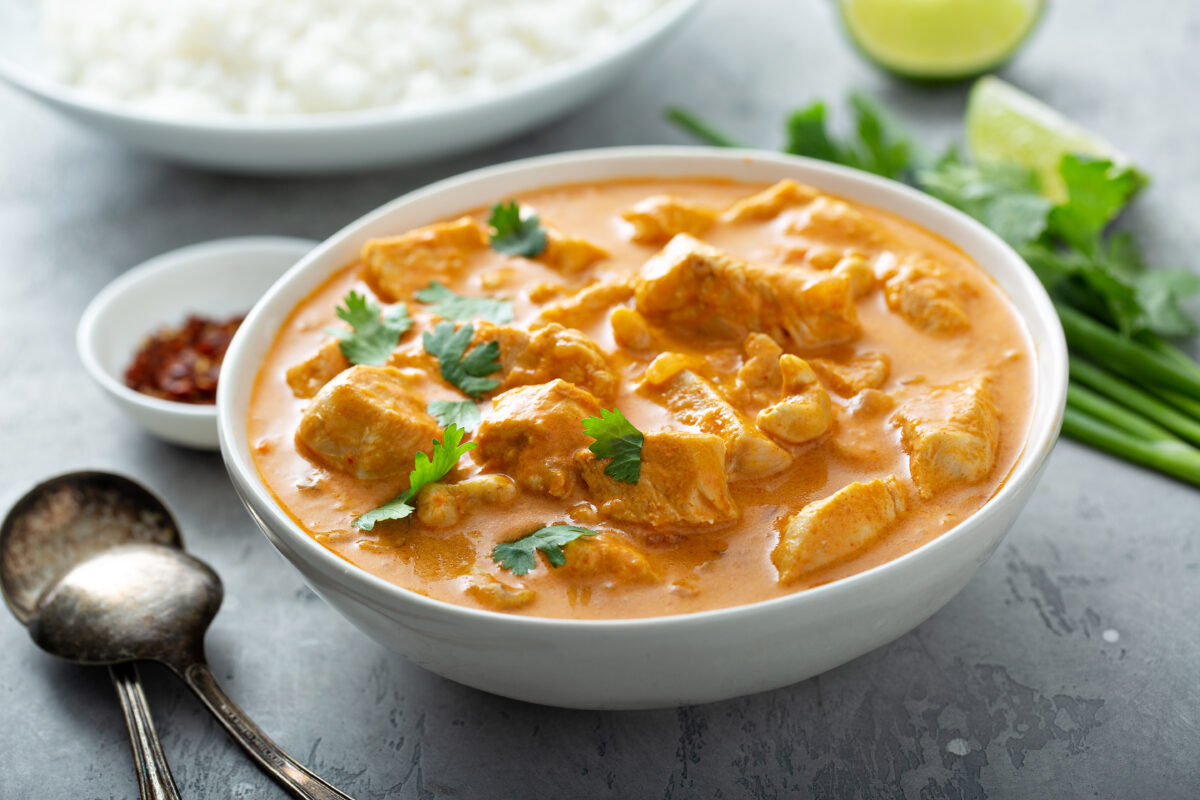
Efficiency in the kitchen remains a primary driver for weeknight meal adoption. The standardized workflow for preparing a family-sized portion of Chicken and Cashew Curry typically spans a total time of 40 minutes, divided into distinct phases:
- Preparation Phase (15 minutes): Dicing the protein, measuring spices, and gathering foundational aromatics.
- Spice Toasting and Searing (10 minutes): Briefly cooking dry spices—curry powder, cumin, and turmeric—in a single pan to release their essential oils, followed by a quick sear of the chicken pieces to ensure they remain tender.
- Simmering and Integration (10 to 15 minutes): Introducing the coconut milk and chosen vegetables, allowing the sauce to reduce and thicken while the flavors meld.
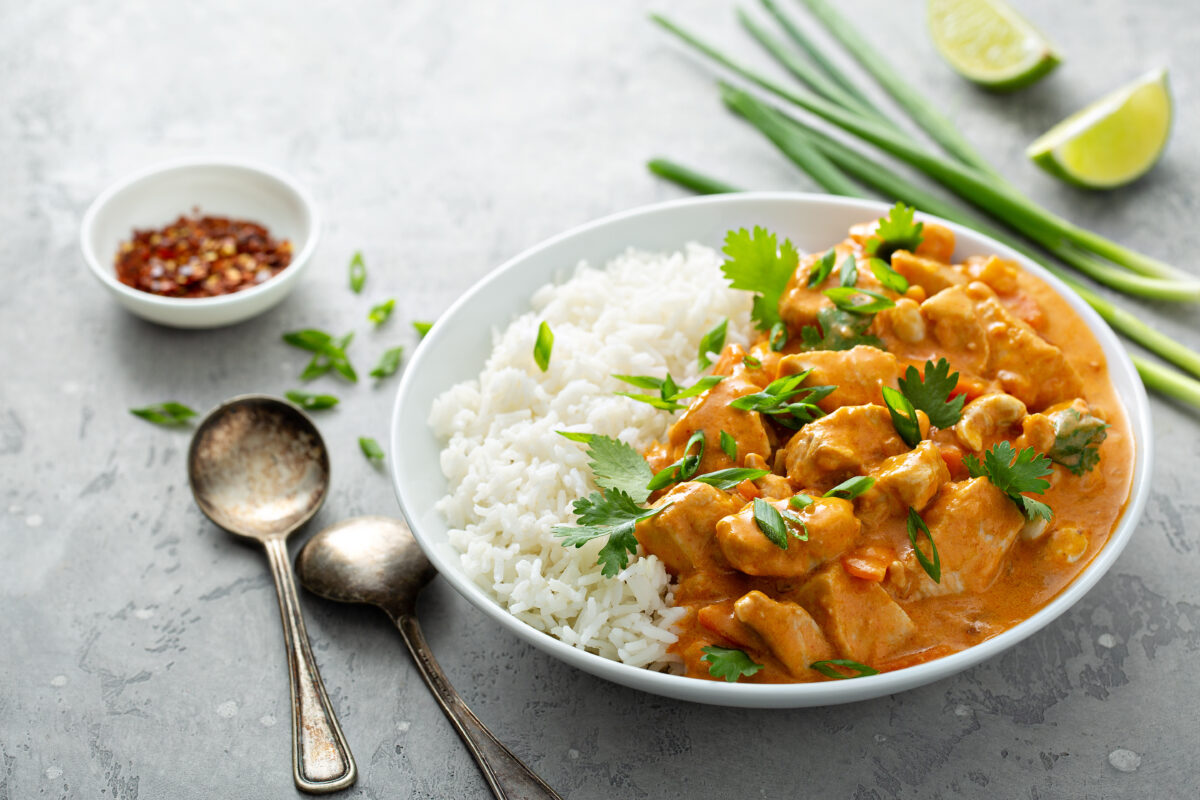
- Final Assembly (5 minutes): Stirring in the fresh cashews, adjusting seasoning with lime juice, and serving over a bed of steamed rice.
Expert Recommendations and Adaptability
Culinary experts and recipe developers emphasize several technical best practices to optimize the outcome of single-pan curries. Toasting spices directly in the pan prior to introducing liquids is critical for mitigating the raw, powdery taste often associated with commercial spice blends. Furthermore, reserving the cashews until the very end of the cooking process prevents them from losing their characteristic crunch, which provides an essential textural contrast to the smooth coconut sauce.
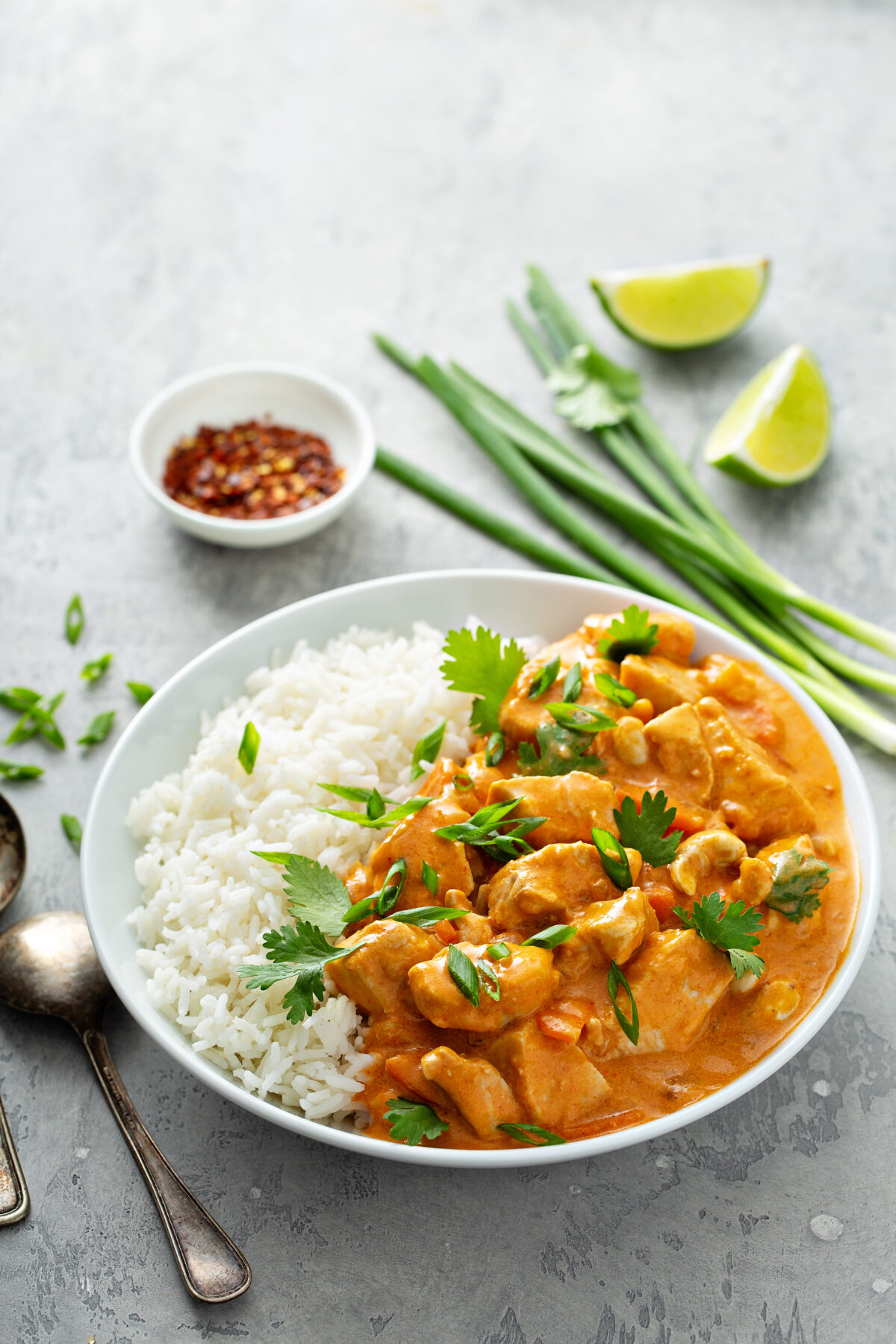
For households managing varying spice tolerances—particularly those involving young children—chefs recommend utilizing mild yellow curry powders and omitting cayenne pepper or aggressive chili flakes. The inherent sweetness of full-fat coconut milk naturally tempers heat, while serving the dish over generous portions of neutral grains like white or brown rice helps buffer robust flavor notes.
Broader Impact, Storage, and Practical Implications
The economic and logistical pressures of modern family life have driven demand for versatile recipes that accommodate meal-planning and batch cooking. The Chicken and Cashew Curry functions effectively as a make-ahead meal, with flavor profiles often deepening after sitting in refrigerated storage for up to 48 hours.
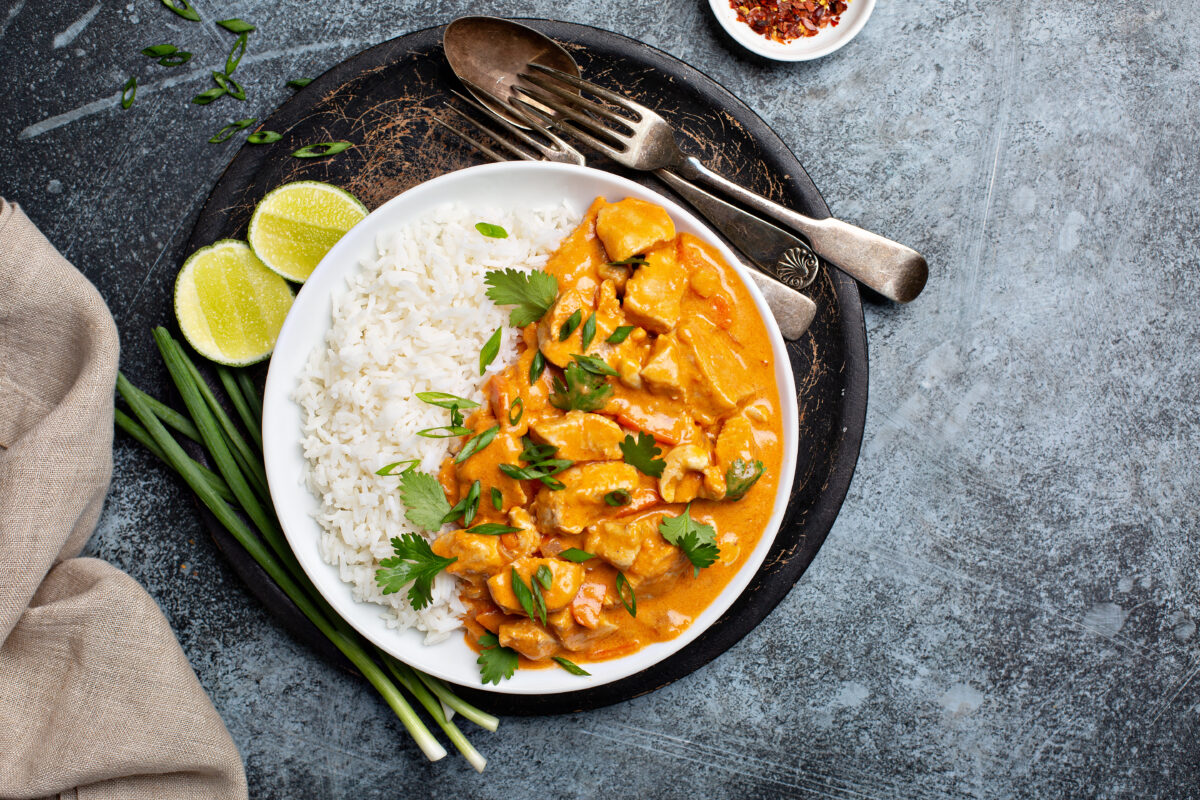
Storage and preservation guidelines for the dish include:
- Refrigeration: Stored in an airtight container, the cooked curry remains viable for up to four days. To preserve optimal texture, cooks often advise storing the toasted cashews separately and adding them immediately prior to consumption.
- Freezing: The base curry—excluding the nuts—can be frozen for up to three months. While coconut milk may occasionally separate upon thawing, gentle reheating on a stovetop over medium-low heat typically restores the emulsion.
- Scalability: The recipe easily adapts to dietary modifications, allowing the substitution of chicken with shrimp, tofu, or chickpeas, as well as the incorporation of seasonal produce like bell peppers, zucchini, or green peas.
As home cooks continue to seek out streamlined solutions that do not compromise on culinary quality, adaptable one-pan curries represent a sustainable intersection of convenience, nutrition, and global gastronomy in the domestic sphere.