Easy Chicken Salad: A Versatile Solution for Nutritional Efficiency and Meal Planning

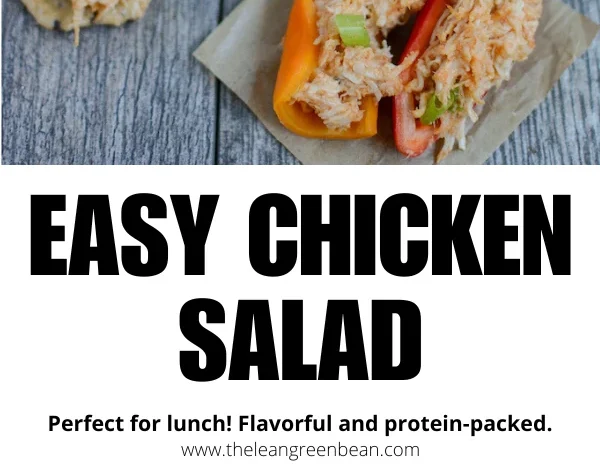
The culinary landscape for modern, time-constrained households has shifted significantly toward convenience-oriented, high-protein meal solutions. Central to this trend is the resurgence of chicken salad, a staple that has evolved from a traditional deli item into a cornerstone of contemporary home meal preparation. By leveraging shelf-stable ingredients such as canned poultry or pre-cooked rotisserie options, consumers are increasingly prioritizing efficiency without compromising nutritional density. This shift is particularly evident during the back-to-school season, as families seek reliable, nutrient-dense lunchbox options that satisfy both dietary requirements and time constraints.
The Evolution of Convenience-Based Nutrition
Historically, chicken salad functioned as a method for repurposing leftover roasted poultry, a practice rooted in frugality and waste reduction. In the contemporary market, however, the dish has been reimagined as a strategic component of meal planning. Data from the Bureau of Labor Statistics and various consumer research groups suggest that as food costs remain a point of concern for middle-income families, the reliance on pantry staples like canned chicken has surged.
Canned chicken, in particular, offers a significant shelf-life advantage, allowing households to maintain a consistent supply of lean protein. From a nutritional standpoint, a standard serving of chicken breast—whether canned or freshly cooked—provides an essential profile of amino acids necessary for muscle maintenance and satiety. When prepared as a salad, the protein base is often paired with healthy fats and fiber, creating a balanced meal that supports sustained energy levels throughout the workday or school day.
Comparative Analysis: Preparation Methods
The debate between shredded versus diced chicken remains a primary consideration for culinary consistency. While both methods rely on the same fundamental protein, the texture dictates the application. Shredded chicken is widely favored for its structural integrity; the fine strands of muscle fiber allow the protein to bind more effectively with emulsified dressings such as mayonnaise, Greek yogurt, or avocado-based alternatives. This makes shredded chicken ideal for sandwiches or wraps, where stability is paramount.
Conversely, diced chicken provides a more tactile eating experience. Culinary experts suggest a small, uniform dice to ensure even distribution and ease of consumption. When utilizing rotisserie chicken, which is often more succulent due to the roasting process, the dicing method allows for better integration of added aromatics like celery, onions, or herbs. Regardless of the chosen method, the objective remains the same: optimizing the protein-to-binder ratio to ensure that the salad remains cohesive rather than watery.
Mitigating Food Safety and Quality Concerns
A common challenge in the preparation of chicken salad is the maintenance of texture and safety over time. Moisture control is critical; excess water from ingredients such as cucumbers, tomatoes, or poorly drained protein can degrade the quality of the emulsion, leading to a compromised, liquid-heavy final product.
Industry standards for food safety dictate that chicken salad should be stored at temperatures below 40 degrees Fahrenheit. For school-aged children, this necessitates the use of insulated lunch containers and cooling elements. Research into food shelf-life indicates that while chicken salad can be safely consumed for up to four to five days when refrigerated properly, the degradation of fresh vegetables within the mixture can occur more rapidly. Therefore, for those engaged in advanced meal preparation, it is often advised to store dressing and crunchy mix-ins separately until the time of consumption to preserve the integrity of the dish.
Strategic Alternatives to Traditional Emulsifiers
The traditional reliance on mayonnaise as a binder has been challenged by evolving consumer preferences for lower-fat or dairy-forward alternatives. Plain Greek yogurt has emerged as the leading substitute, offering a similar mouthfeel while providing the added benefit of probiotics and higher protein content.
Other alternatives, such as mashed avocado or hummus, have gained traction among health-conscious demographics. While these substitutes offer superior nutritional profiles in terms of healthy fats and dietary fiber, they present logistical challenges—specifically oxidation. Avocado, if not consumed promptly, will undergo enzymatic browning, which, while safe to eat, negatively impacts the aesthetic appeal of the meal. Consequently, the selection of a binder is often a trade-off between long-term storage stability and immediate nutritional gain.
Broader Nutritional Implications
From a public health perspective, the inclusion of chicken salad in a regular diet offers a manageable way to regulate macronutrient intake. By controlling the components—specifically the sodium content in canned poultry and the quality of the fats in the binder—individuals can tailor the dish to meet specific dietary goals, such as low-carb or Mediterranean-style eating patterns.
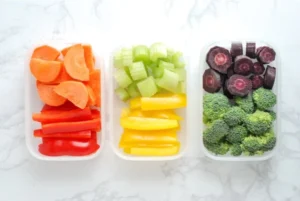
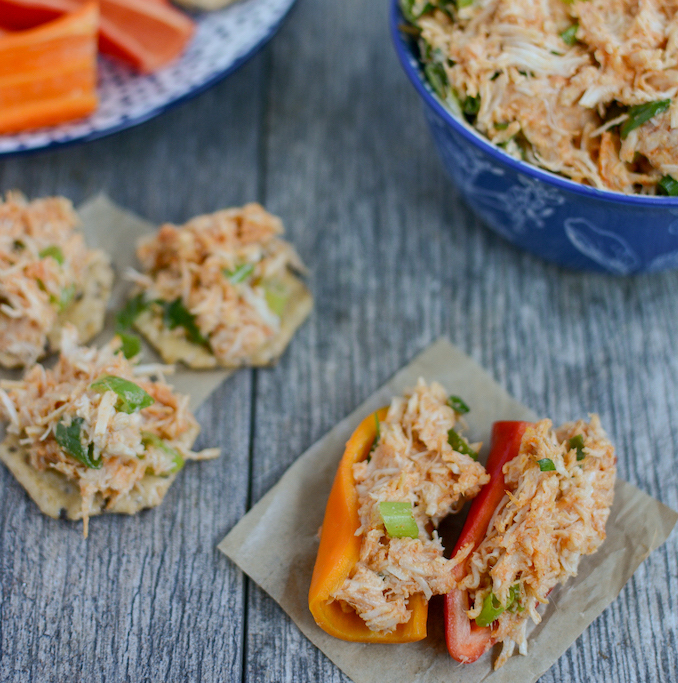
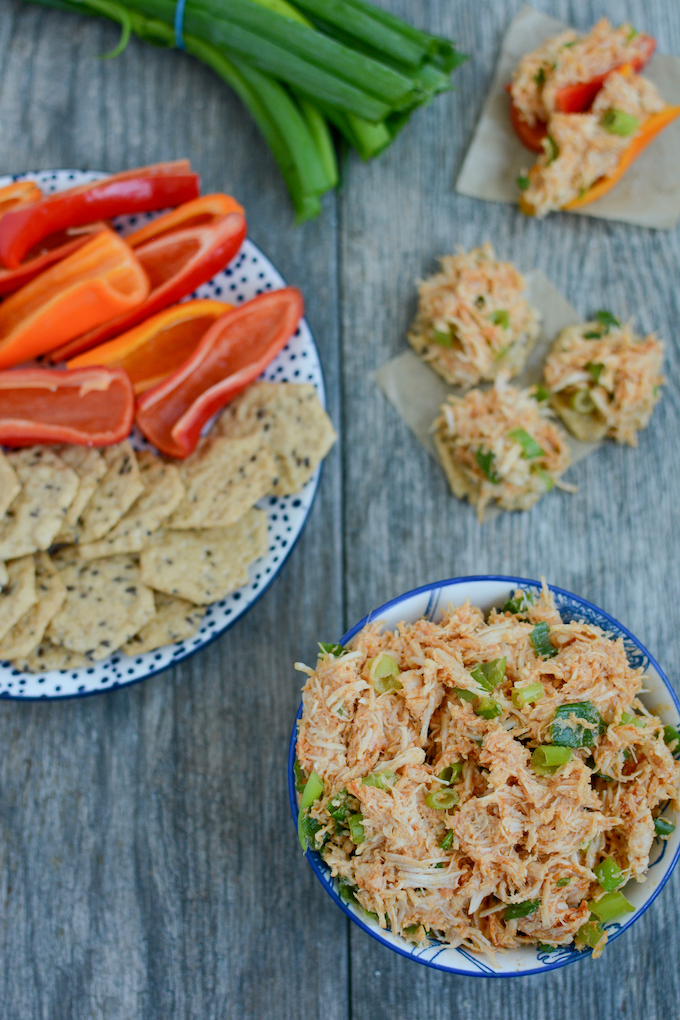
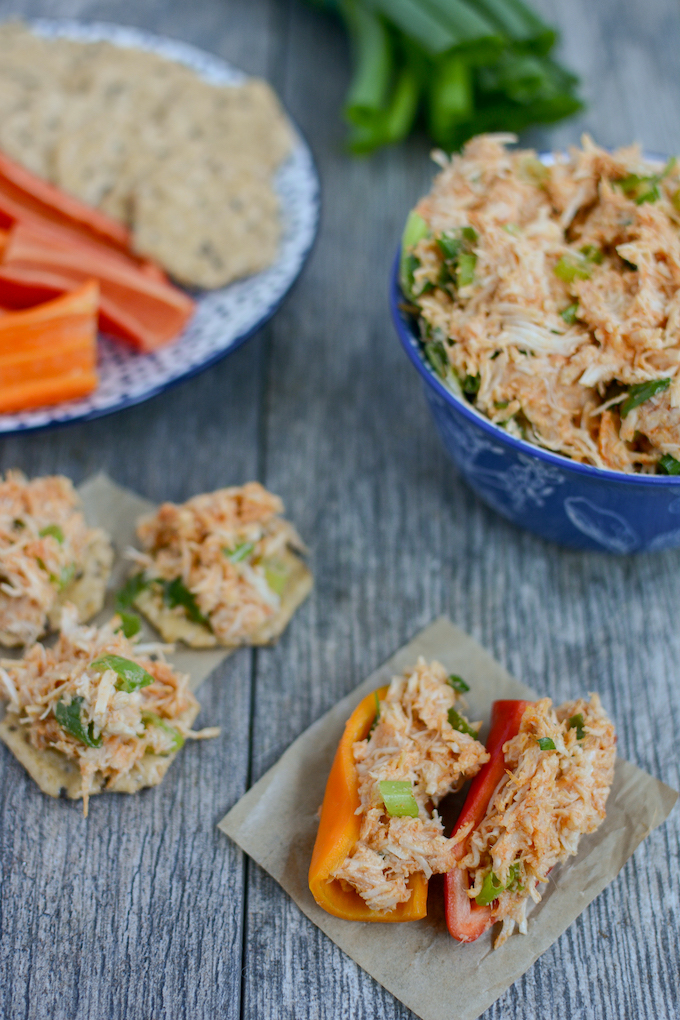
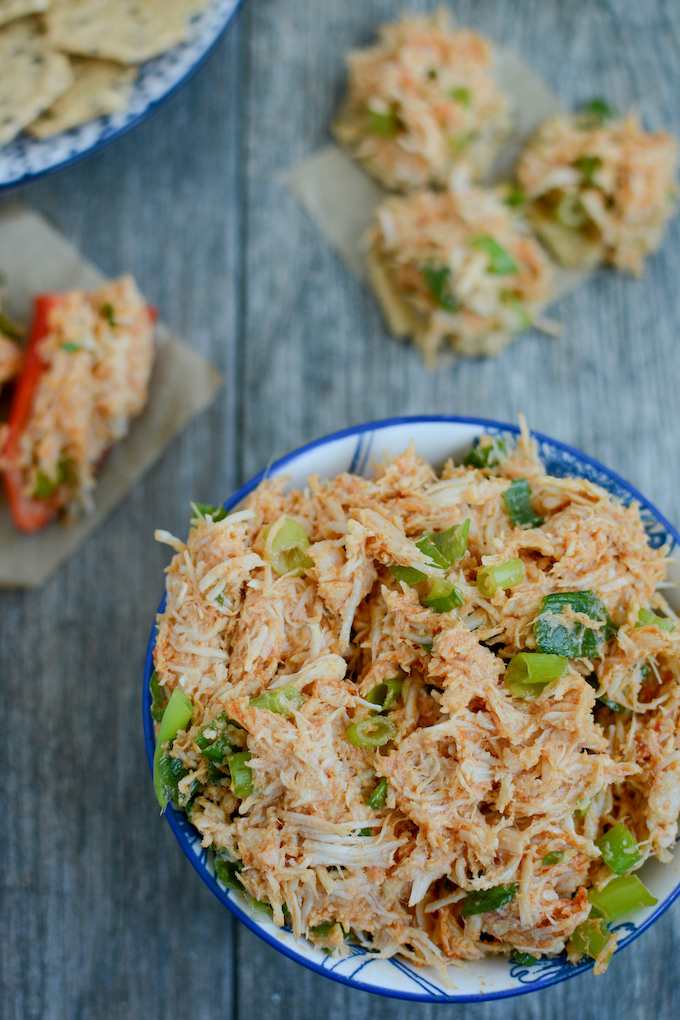
Furthermore, the versatility of the dish allows for the inclusion of micronutrient-dense mix-ins. The addition of nuts, seeds, or dried fruits can introduce essential vitamins and minerals, effectively transforming a simple protein source into a comprehensive nutritional profile. This adaptability is perhaps the greatest asset of the dish; it functions equally well as a light snack when paired with bell pepper slices or as a substantial meal when served on whole-grain bread or leafy greens.
Chronology of Meal Preparation Trends
The shift toward "easy" meal prep has accelerated over the past five years, driven by digital platforms that emphasize accessibility in the kitchen. In the 2020s, the "back-to-school" cycle has become a focal point for content creators and nutritionists alike, who use this window to promote high-protein, low-effort solutions. The methodology for preparing chicken salad has been simplified through these channels, emphasizing the use of pre-cooked shortcuts that save an estimated 30 to 45 minutes of active preparation time per week.
This trend mirrors broader consumer movements toward "functional eating," where the focus is not merely on flavor, but on the efficiency of fueling the body. As school systems and workplaces continue to place higher importance on nutrition, the standard for a "quick lunch" has moved beyond processed convenience foods toward assembly-based meals that utilize high-quality, shelf-stable foundations.
Conclusion and Future Outlook
As culinary technology and consumer knowledge continue to intersect, the classic chicken salad serves as a prime example of how traditional recipes can be adapted to meet modern demands. Whether through the substitution of mayonnaise for Greek yogurt or the integration of varied texture profiles through shredded or diced chicken, the dish remains a reliable, cost-effective, and highly adaptable staple.
Looking forward, the focus will likely remain on optimizing the shelf-life and nutritional density of such meals. As more households embrace the benefits of structured meal planning, the importance of foundational recipes that prioritize simple, high-quality ingredients will continue to grow. By maintaining a balance between culinary tradition and modern nutritional requirements, the chicken salad is positioned to remain a definitive fixture in the landscape of quick, healthy, and efficient daily dining.