The Quest for the Healthiest Frozen Treat: A Registered Dietitian’s Guide to Store-Bought Popsicles for Summer 2026

As the summer months approach and temperatures rise, consumers are increasingly seeking refreshing and healthier alternatives to traditional frozen treats. For parents and health-conscious individuals alike, navigating the frozen aisle can be a daunting task, with many conventional popsicles laden with excessive added sugars and artificial ingredients. This guide, curated by a Registered Dietitian and mother of three, aims to demystify the selection process, highlighting top-tier store-bought popsicle brands that prioritize real fruit, minimal added sugars, and wholesome ingredients, making them ideal choices for summer 2026.
Understanding the Modern Popsicle Landscape
The market for frozen treats has evolved significantly, with a growing demand for products that align with healthier eating habits. Traditional popsicles, often characterized by their vibrant colors and sweet flavors, frequently contain upwards of 20 grams of added sugar per serving. This figure represents a substantial portion of recommended daily sugar intake, particularly for children, prompting a shift towards more transparent and nutritious options.
The distinction between "real fruit" and "fruit-flavored" popsicles is paramount. While fruit-flavored varieties typically rely on water, artificial flavorings, and sweeteners, those made with real fruit utilize blended whole fruits or 100% fruit juice. This distinction not only impacts nutritional content but also the presence of beneficial vitamins and, in some cases, fiber. Further differentiating these options, fruit purees, which involve blending the entire fruit, retain more of the fruit’s natural pulp and fiber compared to fruit juices, where only the liquid is extracted.
Key Ingredients to Prioritize in Popsicle Selection
When scrutinizing ingredient lists, consumers should prioritize popsicles that feature 100% fruit juice or fruit puree as their primary components. For those containing added sweeteners, cane sugar is generally preferred over high-fructose corn syrup, sucralose, or other artificial sweeteners. The presence of artificial food dyes, such as Yellow 5, should also be avoided, with natural coloring agents like spirulina extract being a more desirable alternative.
A closer examination of nutrition labels can reveal further insights. Distinguishing between "total sugar" and "added sugar" is crucial. While total sugar may be elevated due to the natural sugars present in fruit, a low or zero "added sugar" count indicates that minimal or no extra sugars have been incorporated beyond what is naturally found in the fruit. Additionally, the presence of fiber, protein, or even a small amount of fat can contribute to a more satisfying treat that mitigates rapid blood sugar spikes.
Leading Store-Bought Popsicle Brands for 2026
This year’s selections represent a commitment to transparency and quality ingredients, offering a range of choices from fruit-forward freezer pops to creamy yogurt-based options.
No Added Sugar Options: Pure Fruit Goodness
For consumers seeking the purest form of frozen fruit, several brands stand out for their commitment to zero added sugar:
-
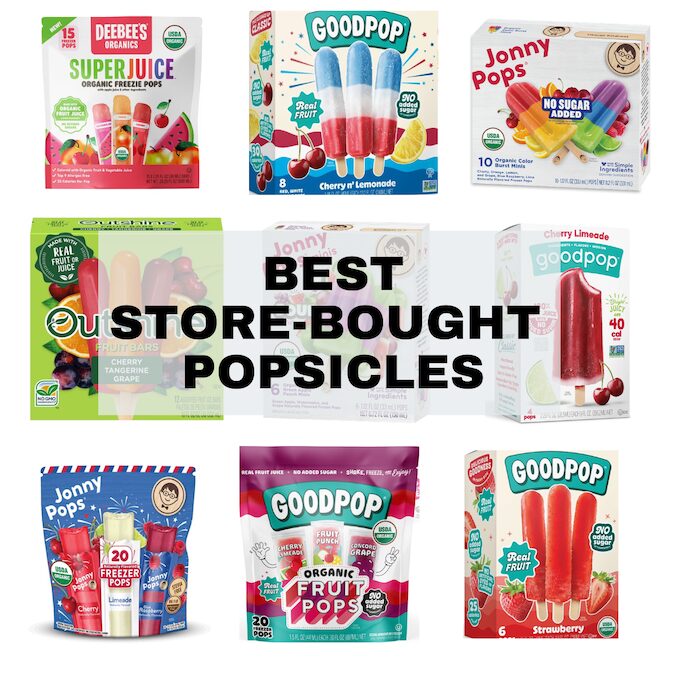
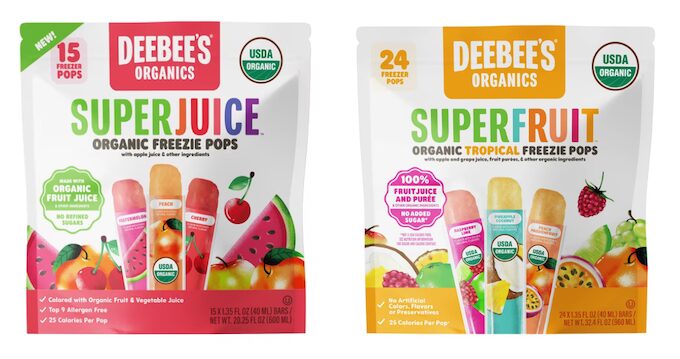
Deebees Organic SuperFruit & SuperJuice Freezies: These popsicles are a testament to the power of simple ingredients, made primarily with fruit juice and boasting no added sugars. Their commitment to organic sourcing further enhances their appeal.
-
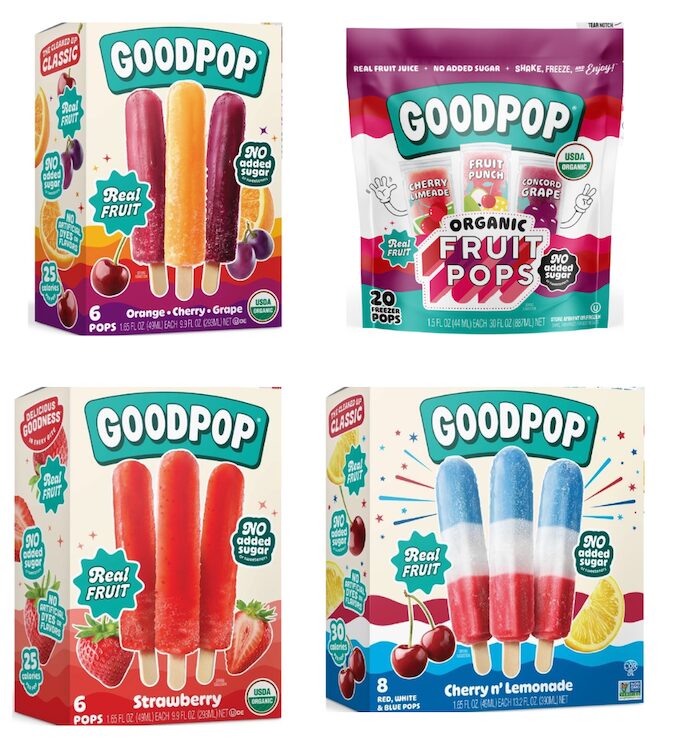
Goodpop Freezer Pops: Goodpop offers a variety of flavors made with 100% fruit juice. Their use of natural colorings derived from sources like spirulina and carrot juice, combined with a lack of added sugar, makes them a standout choice. It is important to note that while Goodpop offers no-added-sugar varieties, consumers should always verify the specific product label, as some of their other offerings may contain added sugars.
-
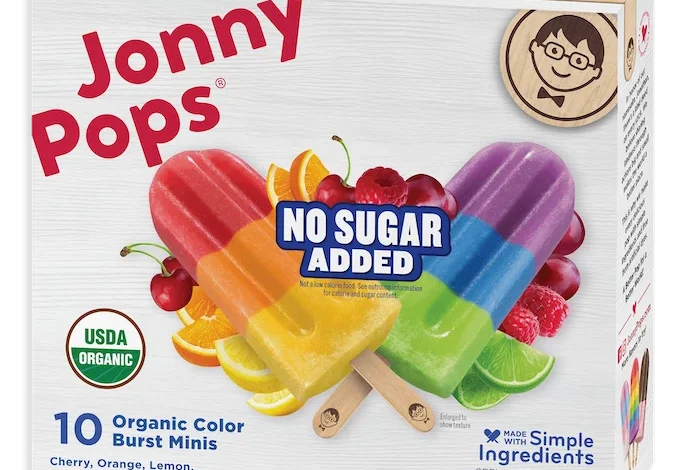
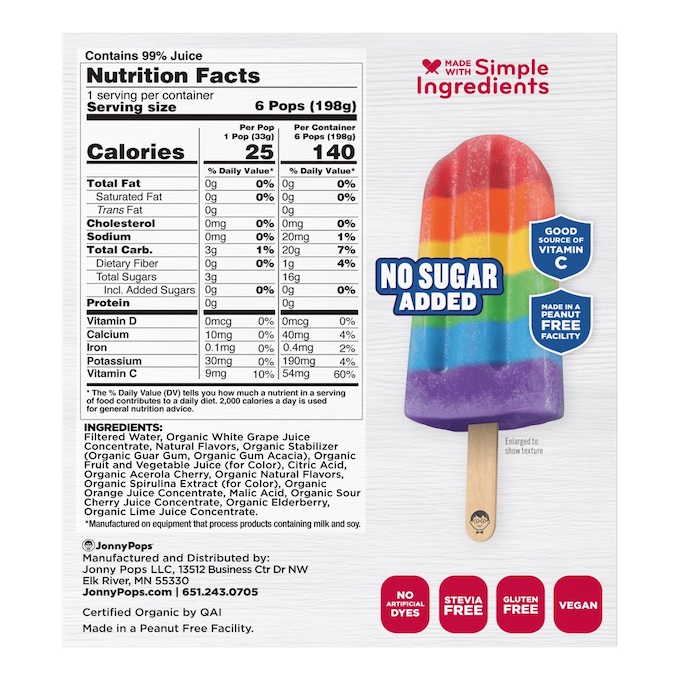
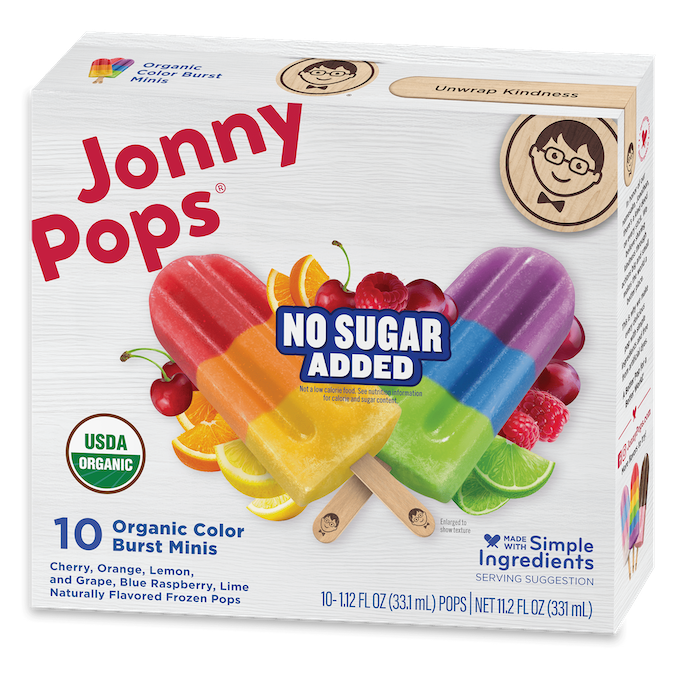
Johnny Pops Organic Color Burst Minis: This brand provides several flavor varieties that are entirely free from added sugars and artificial sweeteners. Their dedication to simple, recognizable ingredients positions them as a top contender for health-conscious families.
Popsicles with Limited Added Sugar: A Balanced Approach
While the ideal scenario involves no added sugar, many consumers may find popsicles with a modest amount of added sugar to be a more accessible and palatable option, especially when those sugars are derived from natural sources like cane sugar. These options are still significantly lower in added sugar than their traditional counterparts.
-
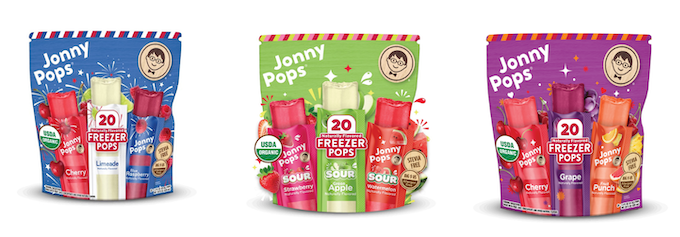
Johnny Pops Freezer Pops: These freezer pops, available in various flavors including a sour option, are sweetened with cane sugar and typically contain around 6 grams of added sugar per serving. This makes them a considerably healthier alternative to conventional options that can contain upwards of 20-23 grams of added sugar.
-
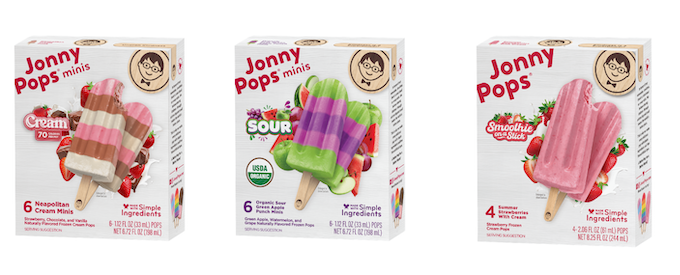
Johnny Pops Cream Minis and Sour Minis: Further expanding their offerings, Johnny Pops also provides cream minis and sour minis with approximately 5-6 grams of added sugar. Their "smoothie on a stick" varieties, crafted from fruit, sugar, and heavy cream, contain around 9 grams of added sugar per serving. Most of their standard popsicles also fall within the 10-gram added sugar threshold.
-
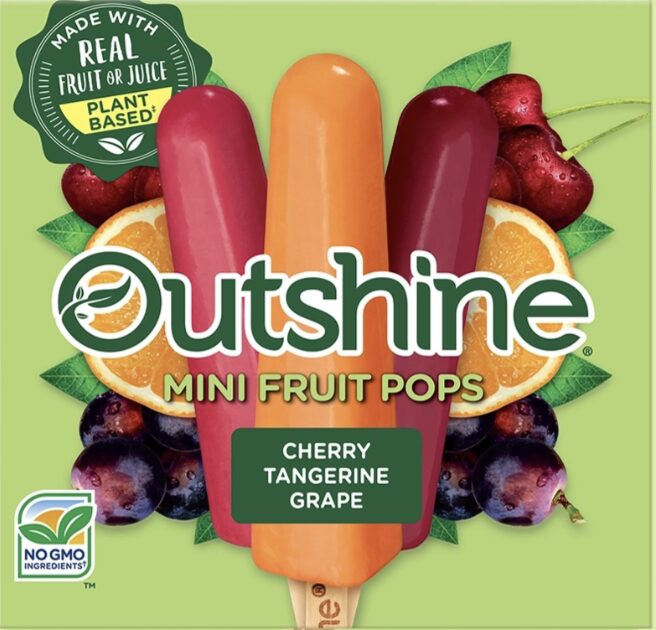
Outshine Mini Fruit Pops: These popular mini fruit pops are crafted from fruit purees, water, sugar, and fruit juice. The single-serve mini variety typically contains about 8 grams of added sugar. While Outshine offers a no-added-sugar variety, it is sweetened with artificial sweeteners like sucralose, making the fruit-based versions a preferred choice for those prioritizing natural ingredients.
-
Otter Pops (100% Fruit Juice Variety): The 100% fruit juice Otter Pops offer a simple, juice-based option with a notably low added sugar content of just 3 grams per serving. This makes them an appealing choice for those seeking a more straightforward, fruit-centric frozen treat.
-
Kisko Freezies (Country Orchard Organic Juice Freeze Pops): These freeze pops, made with 100% organic juice, represent a wholesome option for consumers. They are readily available through online retailers, offering convenience for those seeking a natural, fruit-juice-based frozen treat.
Creamy Indulgence: Healthier Alternatives to Ice Cream
For those craving a creamier texture, Yasso bars offer a compelling alternative to traditional ice cream.
- Yasso Bars: Made with Greek yogurt instead of heavy cream, Yasso bars provide a satisfyingly creamy experience with a significantly reduced sugar content. They typically contain 8-9 grams of added sugar per serving while also offering a few grams of protein, contributing to a more balanced nutritional profile.
Navigating Retailer-Specific Offerings
Availability of these healthier popsicle options can vary by store, but major retailers often stock a good selection:
- Costco: Depending on the location, Costco typically carries Jonny Pops and Deebees Organic Freezie Pops.
- Target: Target’s frozen section often features a variety of Jonny Pops, Deebees Organic Freezie Pops, and Yasso bars. Additionally, Outshine Minis and Tru Fru are commonly found. The store’s own brand, Good & Gather, offers Strawberry Fruit Bars with a slightly higher sugar content (12g) but a simple ingredient list.
- Walmart: Consumers can expect to find Jonny Pops, Dee Bees, 100% fruit juice Otter Pops, and Outshine Mini Fruit Pops at Walmart.
The Homemade Advantage: Ultimate Control Over Ingredients
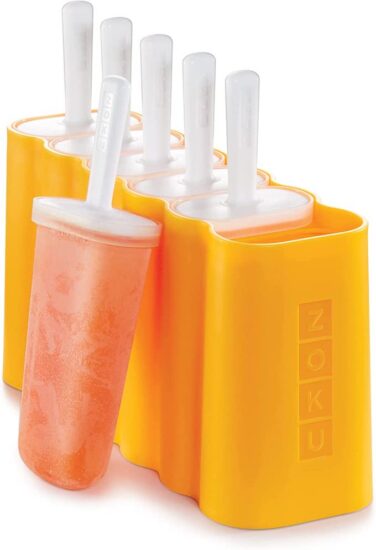
For those who desire complete control over ingredients and customization, homemade popsicles offer the ultimate solution. Utilizing popsicle molds, available in both reusable and disposable formats, allows for the creation of treats using 100% fruit juice, fresh fruit purees, or favorite smoothies. This approach not only ensures the absence of unwanted additives but also provides an engaging activity for families. Numerous recipes for homemade fruit popsicles and healthy frozen creations are readily available online, offering a wealth of inspiration.
Creative Frozen Yogurt Hacks
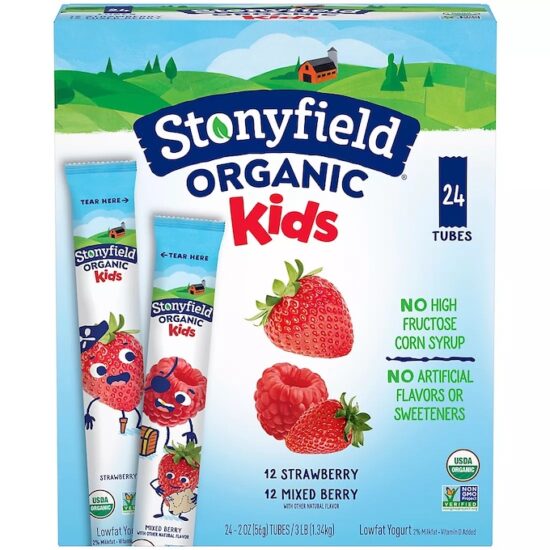
An easy and effective method for creating creamy, healthier frozen treats involves freezing lower-sugar yogurt tubes. Alternatively, one can fill disposable yogurt tubes or reusable popsicle molds with their preferred yogurt brand or homemade smoothies. Several brands offer low-sugar yogurt options that are ideal for this purpose.
Addressing Common Questions About Healthy Popsicles
The pursuit of healthier frozen options often leads to specific consumer inquiries:
-
Dye-Free Options: Brands such as Good Pop, Jonny Pops, Deebees Organics, and Outshine Bars offer dye-free selections. Otter Pops also provides a colorless version.
-
Best Popsicles for Kids: For children, Good Pop, Jonny Pops (especially their no-added-sugar varieties), Outshine Mini Fruit Bars, and Deebees Organic Freezie Pops are highly recommended due to their wholesome ingredients.
-
Popsicles with No Added Sugar: Good Pop’s freezer pops, Deebees Organic Freezie Pops, and select Jonny Pops flavors are excellent choices for those seeking no added sugar.
-
Brands Using Real Fruit: Deebees Organic, Good Pop, Jonny Pops, and Outshine Bars are among the brands that consistently use real fruit in their products.
-
Health Benefits of Fruit Juice Popsicles: Popsicles made with fruit juice are generally considered healthier than those relying on water, artificial sweeteners, and flavors, as they offer natural fruit sugars and potentially some vitamins.
-
What to Look for in Healthy Popsicles: The ideal healthy popsicle contains no added sugar and no artificial sweeteners. If this is not feasible, prioritizing options made with 100% fruit or fruit juice and the lowest possible amount of added sugar is the best strategy.
-
Best Low-Sugar Popsicle Brands: Jonny Pops Freezer Pops, Outshine Mini Pops, Good Pop Freezer Pops, and Otter Pop 100% Juice are top-tier choices for low-sugar options.
-
Healthy Frozen Treats Beyond Popsicles: For variety, consider Dole Dippers, Tru Fru, and Wyman’s Juice Fruit, which offer innovative and healthier frozen dessert alternatives.
-
Freezer Pops vs. Regular Popsicles: Freezer pops, often sold unfrozen and stored in pantries, can be a convenient option. Their smaller serving sizes may also contribute to reduced overall sugar and calorie intake compared to larger, stick-based popsicles, depending on the specific product.
The Future of Frozen Treats
The growing consumer awareness and demand for healthier food options are driving innovation in the frozen treat market. As brands continue to prioritize real ingredients, reduced sugar content, and transparent labeling, the choices available to consumers seeking refreshing and guilt-free indulgence will undoubtedly expand. The ability to make informed decisions, by carefully examining ingredient lists and nutritional information, empowers individuals and families to enjoy the summer season with delicious and nourishing frozen delights.