
A Nostalgic Journey Through Time: Cup of Jo Readers Share Favorite School Photos and the Stories Behind Them

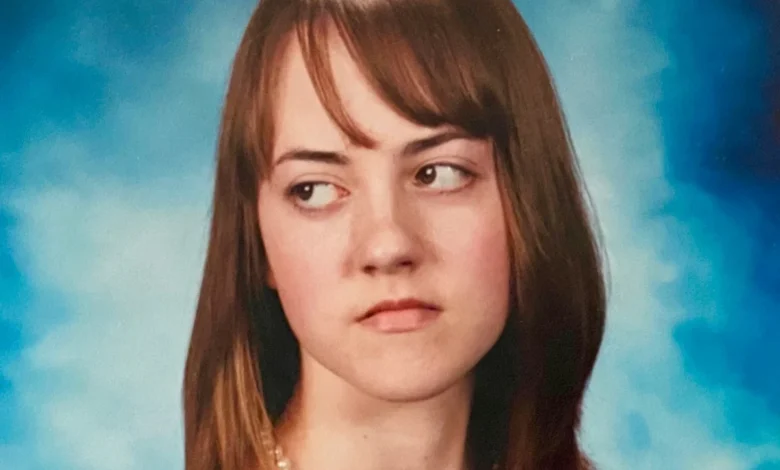
The annual school portrait remains one of the most enduring, universally shared rituals of childhood and adolescence. Across generations, the tradition of sitting on a hard wooden stool before a painted backdrop—whether featuring autumn leaves, abstract laser beams, or classic sports motifs—has captured the fleeting milestones of growing up. Recently, the lifestyle and culture platform Cup of Jo invited its digital community via Instagram to open their archives, resulting in an overwhelming response of vintage portraits accompanied by deeply personal, humorous, and nostalgic narratives.
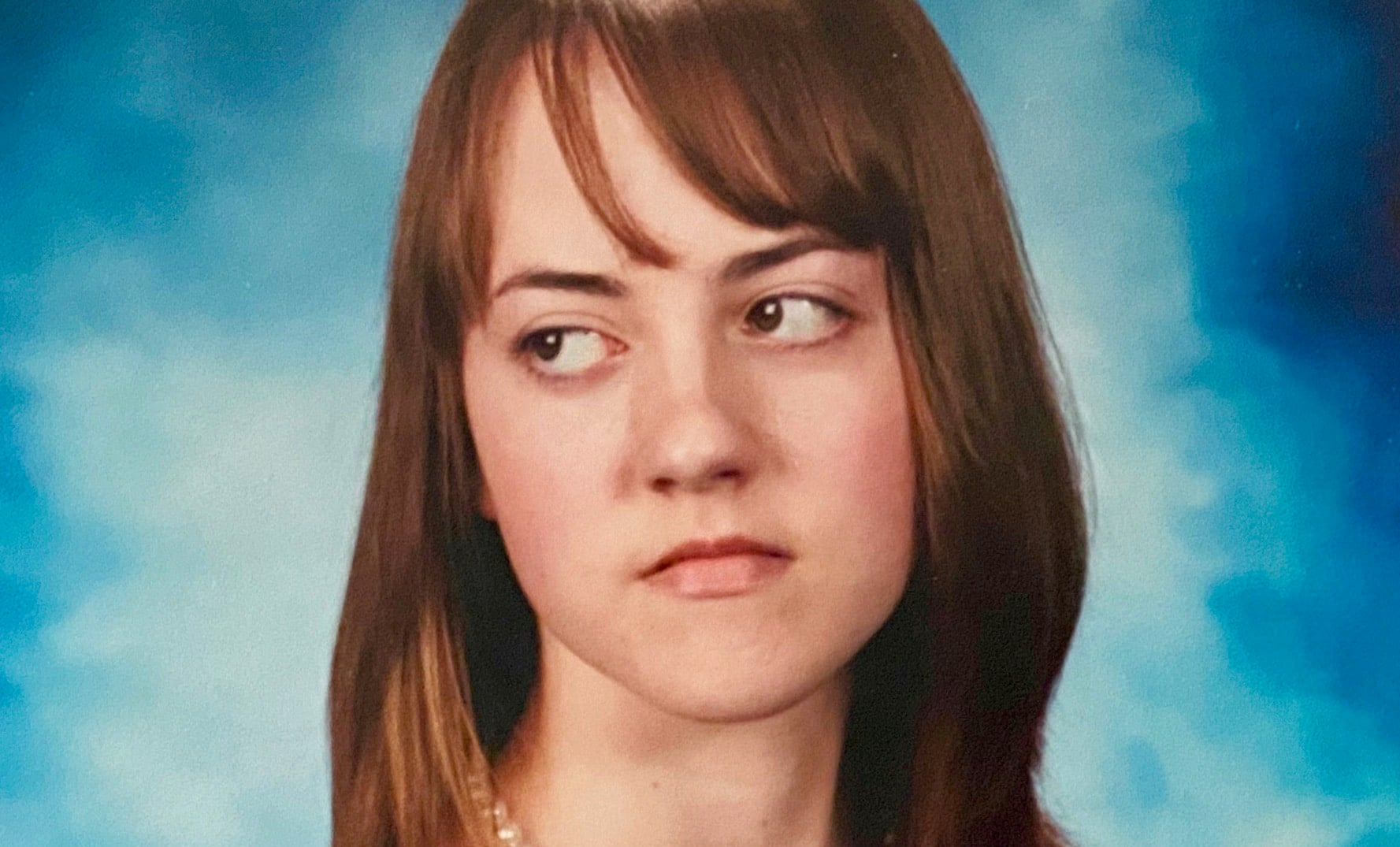
Examining eleven specific reader submissions highlights a broader cultural conversation about identity, youthful optimism, parental support, and the universal awkwardness of coming of age. Far from being mere technical exercises in photography, these snapshots serve as visual time capsules, documenting socio-cultural shifts in fashion, parenting philosophies, and the psychological landscape of youth.
The Evolution and Cultural Significance of the School Portraiture Industry
To understand the resonance of these reader-submitted photographs, one must examine the institutional history of school photography. Emerging as a commercial standardized practice in the mid-20th century, school picture day became a synchronized ritual for educational institutions across North America. Companies contracted by school districts developed high-volume workflows designed to capture images of hundreds of students within a single day.
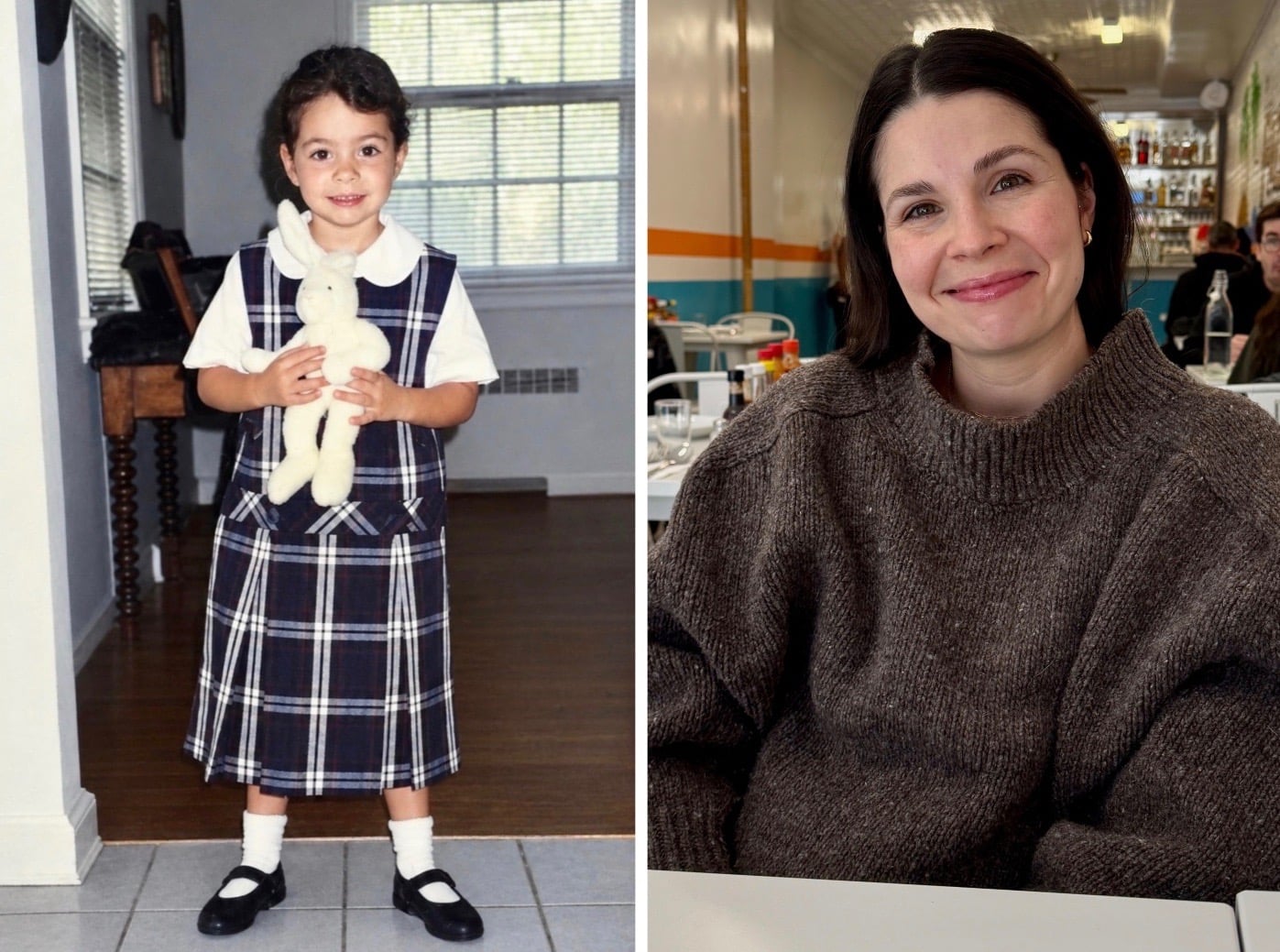
Despite the notoriously rigid constraints—often characterized by artificial lighting, forced smiles, and standardized backgrounds—these portraits have evolved in cultural value. While initially intended as functional keepsakes for parents and grandparents to document chronological aging, they have transformed in the digital age into meme material, badges of honor, and tools for intergenerational empathy. Platforms like Cup of Jo tap into this collective sentiment, transforming private archives into public displays of shared human vulnerability.
Unpacking Childhood Realities: Style, Parenting, and Identity
The submitted stories accompanying the portraits reveal how clothing, accessories, and parental decisions shape a child’s self-perception. Economic pragmatism, for instance, frequently intersects with childhood memory. Maddie, a reader from New York, shared a kindergarten portrait featuring a uniform purchased three sizes too large by a mother operating under the practical, albeit humorous, mandate that it needed to "last" well into elementary school. Such anecdotes reflect a common post-war and late-20th-century parenting strategy focused on durability over immediate aesthetic tailoring.
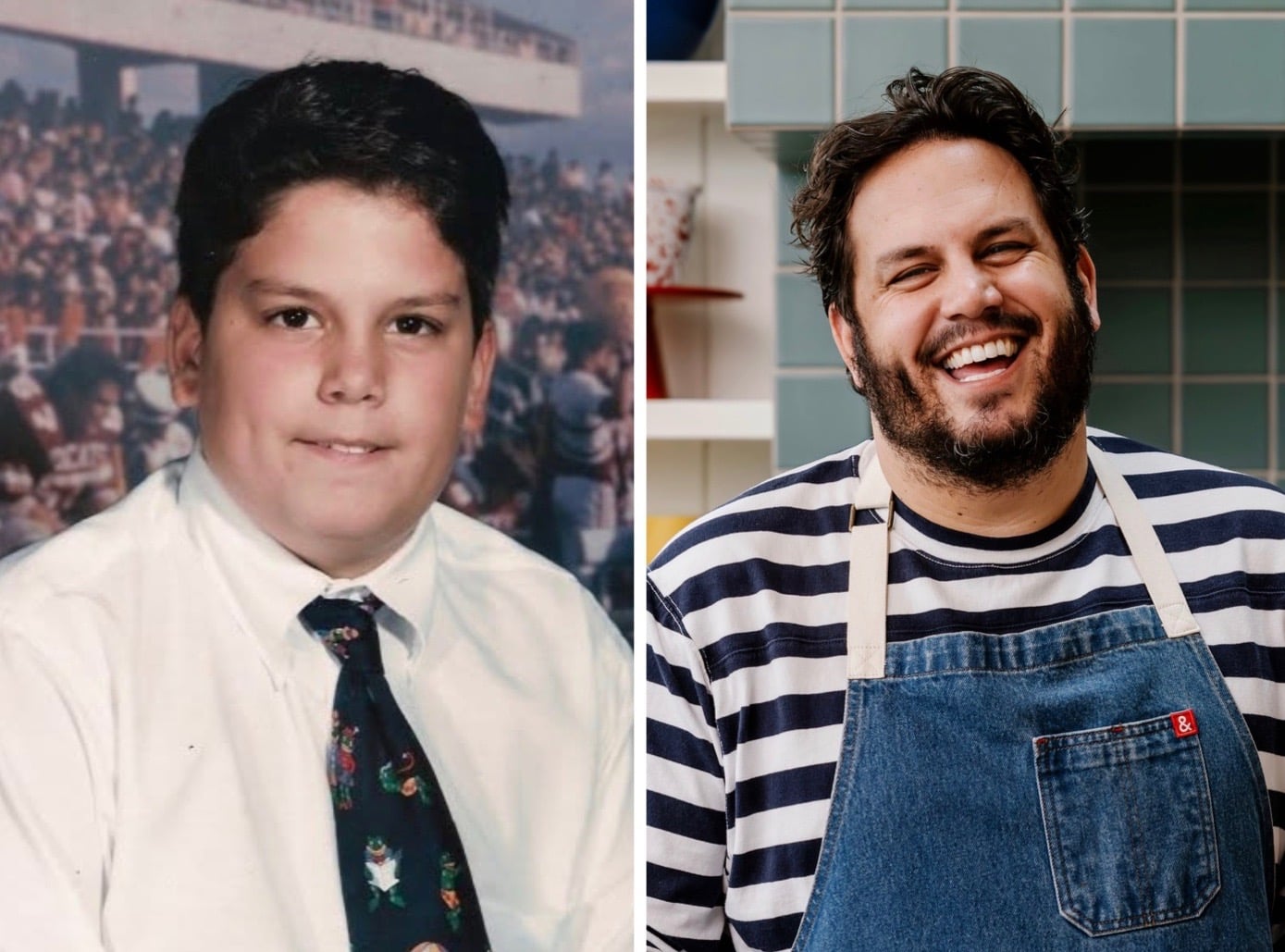
Conversely, some portraits capture early bursts of self-expression constrained by strict institutional environments. Dan, also from New York, reflected on his third-grade Catholic school portrait set against a sports-themed background. Operating within a dress code where neckties served as the sole permissible outlet for individuality, Dan clutched his favorite tie as a subtle defense mechanism, navigating an era of heightened social anxiety and the underlying fear of visibility.
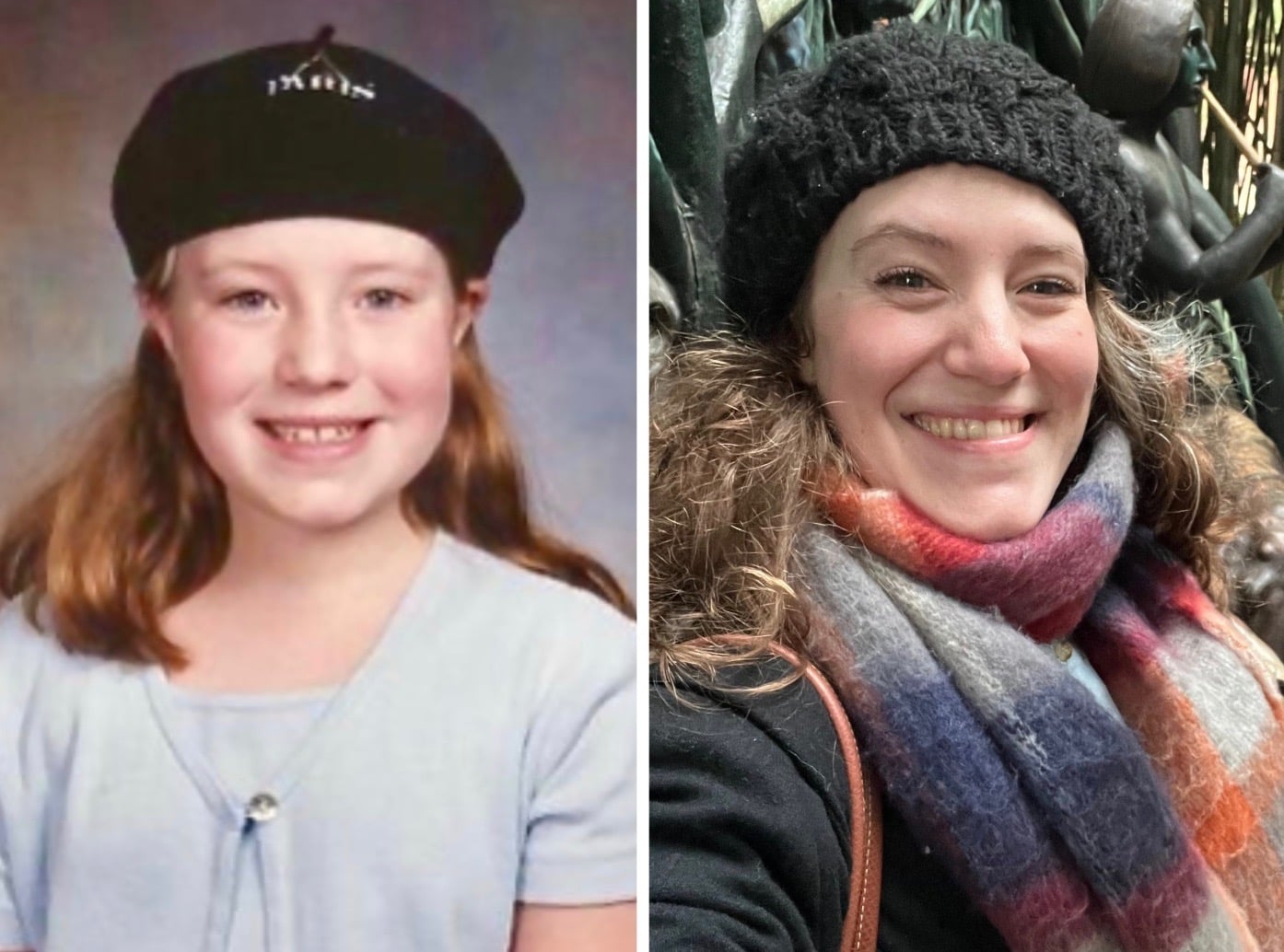
Similarly, Katy from New Jersey recalled a milestone moment from the third grade when an uncle returning from Paris gifted her a beret. Insisting on wearing the French cap for her official school photograph, Katy praised her mother’s decision to accommodate her budding theatrical personality rather than enforcing a standardized look. Sociologists note that such small parental concessions play a crucial role in validating early childhood autonomy and creative exploration.
Navigating the Psychological Terrain of Puberty and Pre-Adolescence
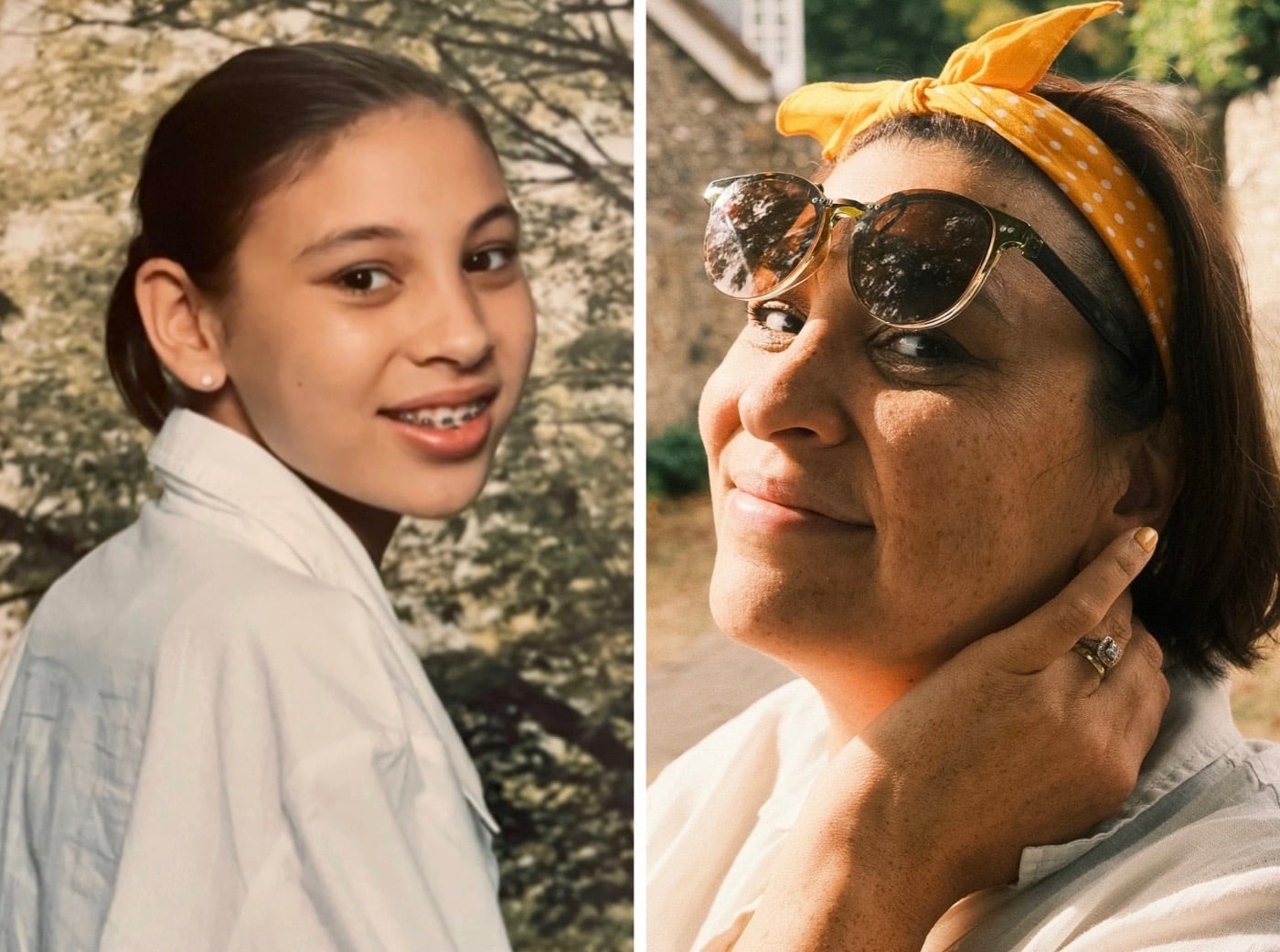
Several of the featured portraits document the precipitous psychological and physical shifts associated with pre-adolescence and teenage years. Erin, writing from North Carolina, pinpointed a seventh-grade photo taken precisely on the cusp of puberty. Describing her facial features—unplucked eyebrows and natural expressions preserved just before the turbulent aesthetic experimentation of subsequent teenage years—Erin’s reflection speaks to a universal nostalgia for the transitional phase before self-consciousness fully takes hold.
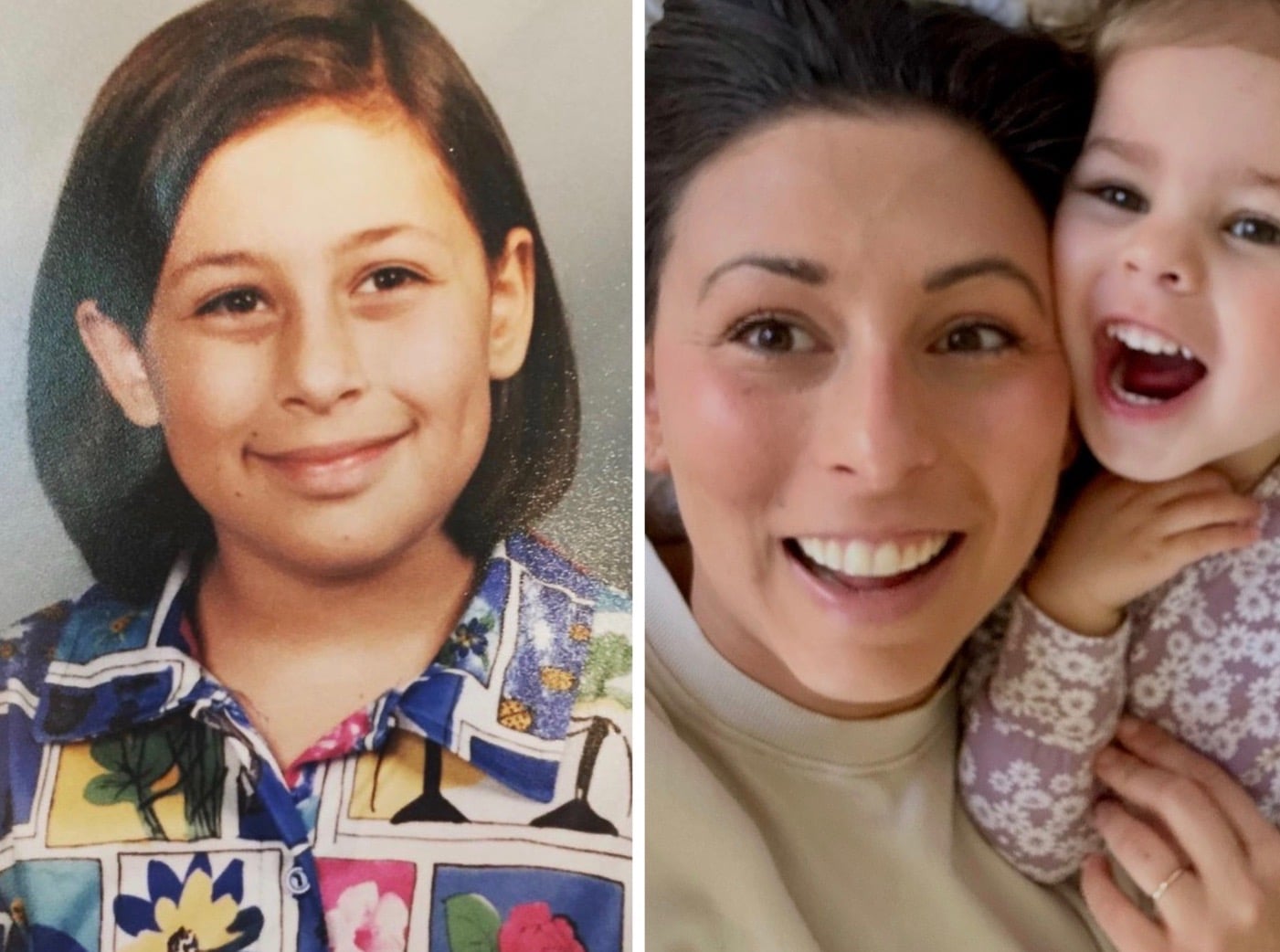
In a similar vein, Sari from Illinois recalled a fourth-grade portrait where she firmly believed she bore a striking resemblance to actress Jennifer Aniston, complete with a Limited Too shirt and an early attempt at a sophisticated gaze. The absence of corrective parental intervention allowed Sari to retain an unbridled self-confidence, a psychological trait she now aims to instill in her own daughter.
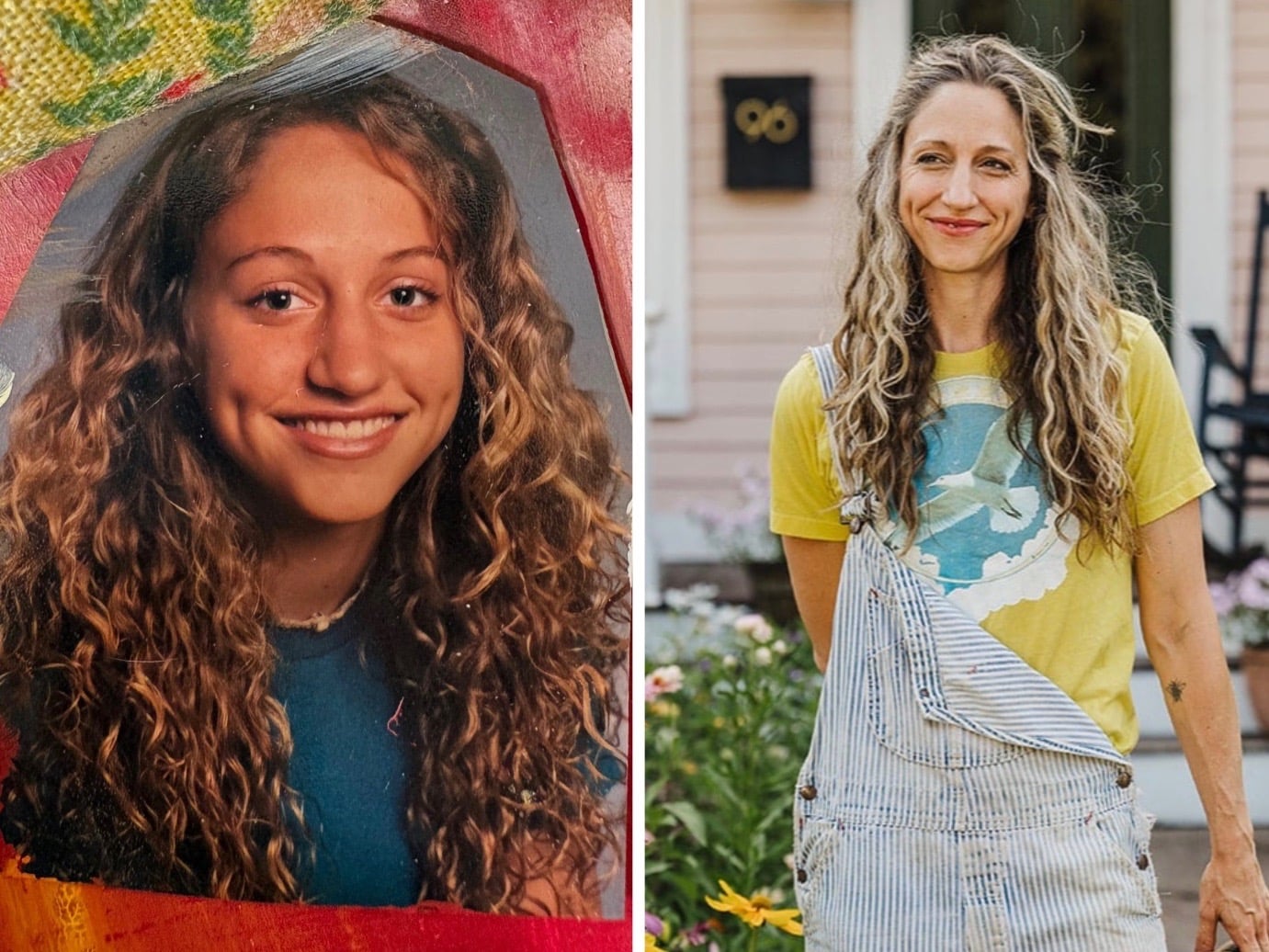
For others, the high school years represented a concentrated peak of extracurricular engagement and cultural immersion. Sharon from Connecticut submitted an eleventh-grade portrait capturing a period defined by springboard diving, student government, art club participation, and attendance at the historic Lilith Fair music festival. Her self-effacing observation that she "peaked in high school" highlights a common cultural trope regarding early success versus adult trajectory.
Generational Shifts: Bridging the Gap Between Educators and Students
The psychological implications of preserving awkward phases extend beyond personal nostalgia into professional environments. Martha, a middle school teacher from Washington state, actively utilizes her own first-grade portrait—reminiscent of literary characters like Ramona the Pest—as a pedagogical tool. By sharing her childhood vulnerabilities with her current students, Martha bridges the generational divide, normalizing the anxieties of adolescence and demonstrating that awkward stages are a universal prerequisite for personal growth.
Educational psychologists have long advocated for this type of vulnerability in classrooms, noting that destigmatizing awkwardness helps reduce social anxiety and fosters empathy among developing adolescents. When students realize that authority figures and older generations experienced the exact same sartorial missteps and unfortunate haircuts, the perceived pressure to conform to contemporary standards of perfection diminishes.
Broader Impact and Implications of Digital Memory Sharing
The overwhelming response to the Cup of Jo Instagram prompt underscores a broader digital trend: the democratization of personal history. In an era dominated by heavily curated social media feeds, algorithmic perfection, and heavily filtered imagery, there is a growing cultural appetite for unpolished, authentic records of the past.
By inviting followers to share images of home perms—such as Tammy’s 1987 seventh-grade portrait from Ontario—mismatched uniforms, and unintended resting facial expressions, digital platforms facilitate a collective catharsis. These shared narratives challenge the pressure of maintaining a continuous highlight reel, reminding audiences that personal identity is forged through trial, error, and the passage of time.
Ultimately, these eleven reader stories and their accompanying portraits transcend simple nostalgia. They serve as historical markers of parenting styles, institutional dress codes, and the interior lives of children navigating the complex path toward self-actualization. As the tradition of school photography continues to adapt to the digital era, the enduring appeal of these snapshots remains rooted in their capacity to reflect our shared, beautifully imperfect humanity.
Related posts: