Alison Leiby’s "I’m a Lot" Offers Candid Exploration of the Only Child Experience and Modern Family Dynamics

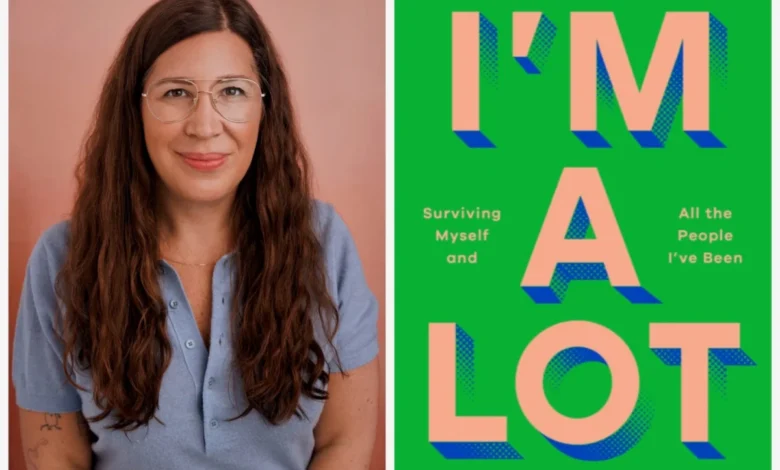
In her recently released essay collection, "I’m a Lot," which debuted in July 2026, writer and producer Alison Leiby delves into the often-misunderstood world of the only child, offering a nuanced and personal perspective that challenges prevailing stereotypes. Through a series of candid reflections, Leiby navigates her unique upbringing, societal perceptions, and the evolving dynamics of her family, providing a timely commentary on contemporary family structures. The book, an excerpt of which has garnered significant attention, examines everything from childhood vacations and media representation to the complexities of adult caregiving responsibilities.
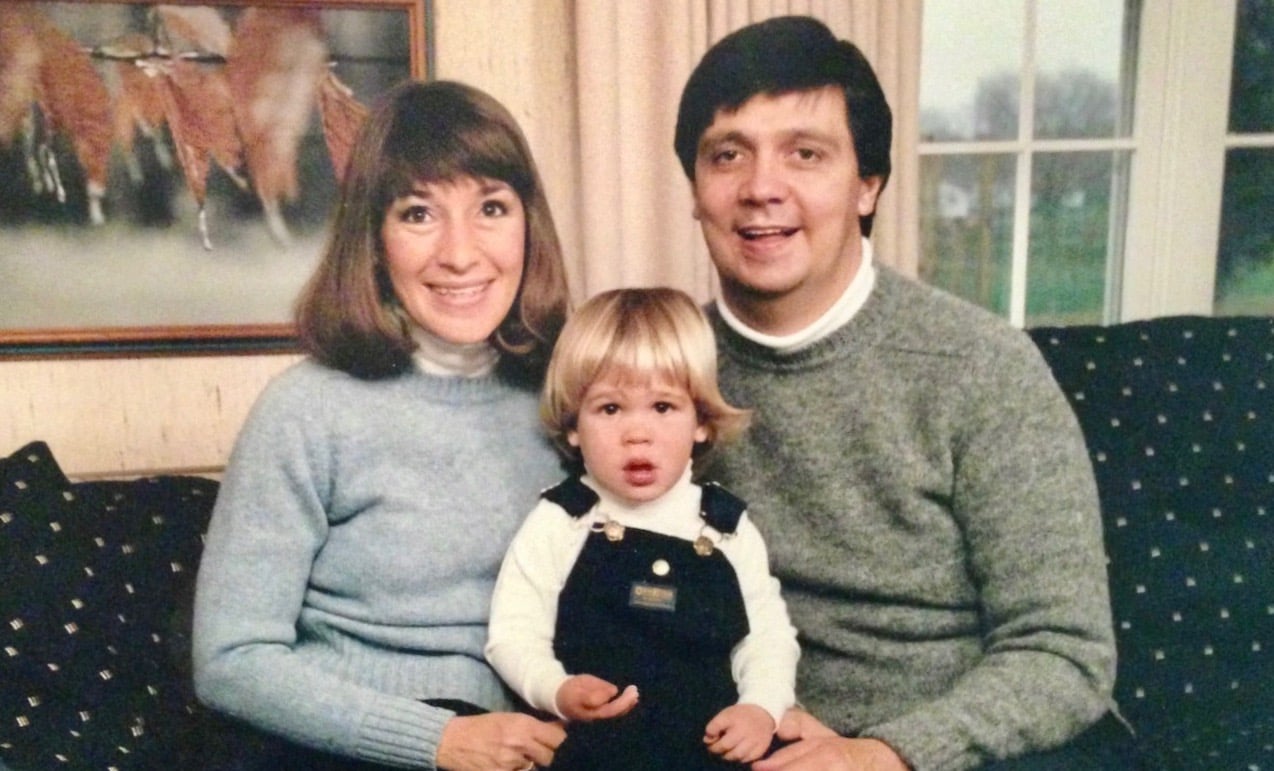
Leiby’s narrative opens with a striking anecdote about her childhood, where her parents’ unconventional vacation arrangement led observers to mistakenly believe they were separated. Her father, a devotee of cold-weather pursuits, would take her skiing in Colorado during January breaks, while her mother, who preferred warmth and relaxation, would whisk her away to Boca for spring break beach holidays. This arrangement, born from wildly different parental interests, highlights an early instance of the unique freedoms afforded to an only child. Leiby humorously notes, "the beauty of being an only child is that I got to go on both," a direct counterpoint to the common stereotype of only children being "spoiled," suggesting instead a life of tailored experiences rather than excessive indulgence. This initial insight immediately sets the tone for a memoir that seeks to dismantle simplistic assumptions about single-child households.
Challenging the "Normal" Family Paradigm and Media Representation
A recurring theme in Leiby’s essays is the concept of a "normal" family, a construct she quickly dismisses as a myth while acknowledging its pervasive influence during her formative years. Growing up, Leiby observed a distinct lack of representation for families like hers in popular culture, particularly in the cherished TGIF block of family sitcoms on ABC. These shows, a cultural touchstone for many of her generation, predominantly featured households with multiple children, whether large, blended, or traditional. Leiby humorously posits that a show depicting the life of an only child with two adults might not have made for "compelling television," envisioning scenes of adults opening mail while the child quietly reads alone. Yet, she reflects, "it was certainly a nice life," hinting at the quiet contentment and personal space that often characterize such upbringings.
This observation resonates with broader sociological discussions about media’s role in shaping perceptions of family. For decades, the nuclear family with two or more children has been the dominant narrative in Western media, often overlooking the diversity of real-world family structures. As family sizes continue to shrink in many developed nations, with the number of single-child households on the rise, this lack of representation becomes increasingly pertinent. Statistics indicate a global trend towards smaller families, influenced by factors such as urbanization, increased female education and workforce participation, later marriages, and economic pressures. In the United States, for example, the average number of children per family has steadily declined over the last century, making only children a significant and growing demographic group whose experiences are still underrepresented in mainstream media.
Deconstructing Only Child Stereotypes and Birth Order Psychology

Leiby confronts the persistent stereotyping of only children head-on, particularly in the era of "BuzzFeed quizzes and millennial meme culture" that sought to neatly categorize personality traits based on birth order. While older, middle, and youngest children were ascribed specific characteristics, only children were often relegated to an afterthought, humorously dismissed as "freaks [who] have no idea how to fight." Leiby’s self-assessment playfully acknowledges some aspects of these stereotypes, admitting her own struggles with conflict resolution, attributing it to the absence of siblings to spar with. She reflects, "Of course I had my own room, who else would I share it with? Of course all these toys and clothes are mine, who else’s would they be? Of course I am terrible at handling conflict, who would I have fought with? My stuffed animals? They’re all pacifists, even Walt the warthog."
Academic research on birth order and personality has offered mixed findings, often challenging the simplistic categorizations popularized in popular culture. While some studies suggest only children may exhibit higher levels of self-esteem, academic achievement, and creativity, they are also sometimes perceived as more self-centered or less adept at negotiation, though these traits are often heavily influenced by parenting styles and individual circumstances. Sociologists and psychologists generally agree that an only child’s development is profoundly shaped by their unique position as the sole focus of parental attention, leading to accelerated verbal development and a comfort with adult company, as Leiby herself experienced. This emphasis on individual experience over rigid categorization forms a cornerstone of her narrative.
Formative Years: Early Maturity and the Quest for Sisterly Guidance
Leiby’s upbringing fostered an early maturity, largely due to her constant immersion in an adult world. As the youngest person in her household by over two decades, her activities, entertainment, and conversations were frequently "geared toward adults." This environment, she notes, enabled her to "hang with the big dogs," engaging with her parents on their interests and developing a comfort in conversing with adults, even befriending teachers "a bit more like a peer." This observation aligns with psychological findings that only children often develop advanced verbal skills and a sophisticated understanding of adult perspectives earlier than their peers with siblings, benefiting from undivided parental attention and conversation.
Despite the advantages of this unique upbringing, Leiby reveals a specific preteen yearning: the desire for an older sister. She describes older sisters as "the gatekeepers to becoming a woman," possessing invaluable knowledge about everything from tampons and foundation to navigating high school social codes, like the preference for messenger bags over backpacks. She contrasts the impersonal advice found in "stacks of teen magazines" with the intimate, practical guidance an older sister could provide, vividly recalling a hypothetical scenario where a sister might prevent the fashion faux pas of metallic gunmetal-gray Lancôme eye shadow applied alone in a poorly lit bathroom. This poignant reflection underscores a specific type of social learning and emotional support that can be uniquely provided by siblings, highlighting a nuanced aspect of the only child experience where even independence comes with its own unique set of developmental gaps.
The Future Burden: Caregiving and the Sole Child
One of the most profound and emotionally charged sections of Leiby’s memoir addresses the looming challenge of being the sole caregiver for aging parents. As her parents enter their seventies, Leiby candidly expresses her "unbelievably scared" apprehension about this future responsibility. The question of whether she sometimes wishes for a sibling to share this "uncertainty of the future together" is met with an emphatic "No fucking chance" of trading her life as an only child. This powerful sentiment underscores the deep bond she shares with her parents, even as it acknowledges the daunting prospect of solo caregiving.
This fear is not uncommon among only children. The increasing longevity of populations globally, coupled with declining birth rates, is creating a demographic shift where more adults face the prospect of being the sole caregiver for elderly parents. This "sandwich generation" phenomenon is exacerbated for only children, who lack siblings to share the emotional, financial, and logistical burdens. Data from organizations like the AARP consistently highlight the significant physical, emotional, and financial strain on informal caregivers. For only children, this burden is often amplified, leading to increased stress, potential career disruptions, and a sense of isolation. Leiby’s willingness to articulate this vulnerability adds a crucial layer of depth to the public discourse on family structures and the future of elder care, making her reflections resonate with a growing segment of the population facing similar realities.
Unwavering Bonds: The Unique Strengths of an Only Child Family
Despite the anxieties about future caregiving, Leiby ultimately reaffirms the profound strengths and unique joys of her family unit. She highlights the unparalleled opportunity for "quality time just the three of us," exemplified by their annual winter trip to Aruba. This tradition, initiated years ago as a "no gifts" exchange in favor of a shared, memorable vacation, has become her "favorite week of the year." In Aruba, the family reads, relaxes in proximity, and dines at local Italian restaurants, recreating the "tropical version of what every day felt like growing up in our house." This environment, free from the need to "accommodate others," allows them to pursue their individual desires within a shared, intimate space. Leiby even notes her father’s contentment reading his book "sitting in the dirt" – a playful nod to his previous aversion to beach lounging, indicating the flexibility and mutual understanding cultivated within their unique dynamic.
This annual ritual symbolizes the enduring bond forged through decades of shared, focused attention. For many only children and their parents, the absence of sibling rivalry or the logistical complexities of larger families can foster an exceptionally close-knit relationship, characterized by deep communication and shared experiences. While stereotypes often paint a picture of isolation, Leiby’s memoir powerfully illustrates the profound connection and tailored life experiences that can blossom in a family of three. Her work ultimately serves as a compelling testament to the diverse and evolving forms of family in the 21st century, encouraging readers to look beyond conventional norms and appreciate the rich tapestry of human connection.
Broader Implications and Author Background
Alison Leiby’s "I’m a Lot" contributes significantly to a growing body of literature and public conversation that seeks to move beyond simplistic stereotypes about only children. Her essays offer a nuanced perspective that acknowledges both the unique advantages and the specific challenges of growing up without siblings, ultimately celebrating the profound and individual bonds forged within her family. As societal trends continue to favor smaller families, such candid explorations become increasingly vital for fostering understanding and empathy across diverse family structures.
Leiby herself is a distinguished writer and producer, known for her contributions to television shows like The Marvelous Mrs. Maisel and Life & Beth, as well as Ilana Glazer’s Comedy on Earth special. She also co-hosts the popular podcast, Ruined, and her writing has appeared in esteemed publications such as The New York Times, New York magazine, McSweeney’s, and Cosmopolitan. Her extensive background in storytelling and comedic observation is evident in the engaging and insightful prose of "I’m a Lot," making it a noteworthy addition to contemporary memoirs. The book is available for purchase now, offering readers a full dive into Leiby’s thoughtful and often humorous reflections on what it truly means to be an only child in a world still grappling with outdated definitions of "normal" family life.
Related posts: