Mastering the Weeknight Meal: A Registered Dietitian’s Blueprint for Affordable Family Dinners Using ALDI Staples

The perennial evening question of what to cook for dinner remains a universal source of stress for working parents, caregivers, and household managers across the United States. Between juggling demanding professional schedules, after-school activities, and the ever-present challenge of feeding picky eaters, the nightly routine often devolves into expensive takeout or frantic, last-minute grocery runs. However, according to food and nutrition experts, the solution to sustainable, nourishing family dinners does not lie in possessing advanced culinary skills or spending hours over a stove, but rather in strategic kitchen inventory management.
Registered dietitians and culinary strategists emphasize that a well-stocked pantry, refrigerator, and freezer serve as the ultimate defense against mealtime fatigue. By anchoring weekly grocery shopping trips in versatile, budget-friendly staples, households can dramatically reduce food waste, lower monthly expenditures, and consistently produce balanced meals in a fraction of the time required for scratch-cooking. Among discount grocery retailers, ALDI has emerged as a focal point for budget-conscious consumers seeking to maximize nutritional value without inflating their food budgets.
The Economic Realities of Modern Grocery Shopping
In recent years, shifting economic conditions, supply chain fluctuations, and inflationary pressures have fundamentally altered consumer purchasing habits. Meat prices, in particular, have experienced historic volatility, prompting shoppers to reevaluate traditional protein mainstays. Red meat, once the undisputed centerpiece of the American dinner plate, has seen substantial price surges, leading dietitians and home economists to advocate for alternative proteins such as ground poultry, plant-based options, and sustainably sourced seafood.
Discount grocery chains like ALDI have capitalized on this shift by offering private-label products that rival national brands in quality while maintaining significantly lower price points. This business model—characterized by smaller store footprints, high inventory turnover, and a streamlined selection of goods—allows consumers to stretch their grocery dollars significantly further. For families preparing upwards of twenty meals a week at home, mastering the layout and inventory of a discount supermarket is no longer just a frugal habit; it is an essential financial strategy.
Fresh Proteins: Versatility Meets Budget Constraints
A strategic approach to meal planning begins with fresh proteins that offer high nutritional value alongside culinary flexibility. When beef prices escalated, many households pivoted toward ground turkey and chicken as primary culinary workhorses. Kirkwood Ground Turkey, priced around $4.69, and Ground Chicken, available for approximately $3.69, provide seamless substitutions in traditional comfort foods. From baked taco casseroles to homemade marinara sauces, these lean meats absorb flavors readily while reducing overall saturated fat intake compared to higher-fat beef alternatives.
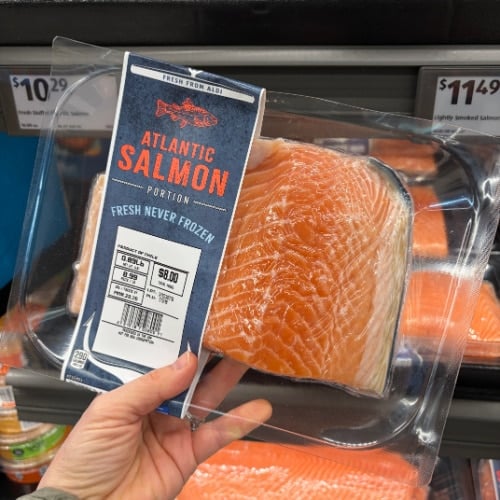
Seafood, frequently viewed as an expensive luxury item restricted to restaurant dining, can also fit into a weekly budget when selected carefully. Atlantic Salmon, retailed at roughly $11 per pound, offers a nutrient-dense profile rich in omega-3 fatty acids. Its rapid cooking time—typically twelve to fifteen minutes in a 400-degree Fahrenheit oven—makes it an accessible option for busy weeknights, elevating a standard home-cooked meal with minimal preparation.
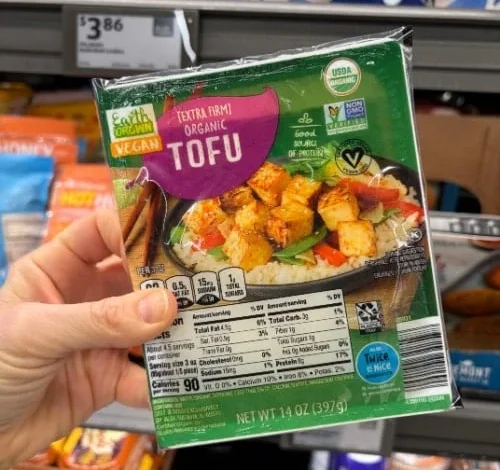
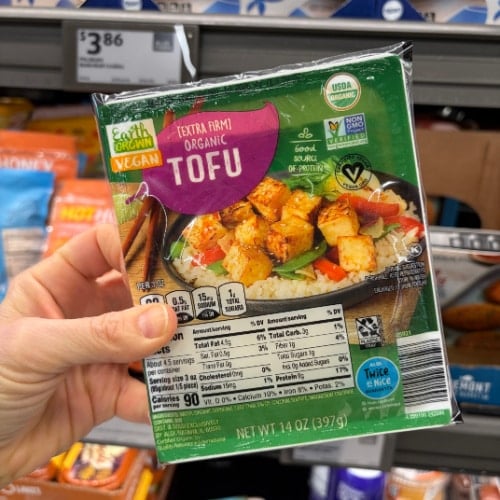
For households aiming to incorporate plant-based meals into their weekly rotation, Earth Grown Extra Firm Tofu presents an exceptionally economical choice at $1.55 per package. Nutritionists note that selecting the extra-firm variety is critical for culinary success, as it retains its structural integrity during pressing, marinating, and pan-searing, making it a reliable vehicle for stir-fries and grain bowls.
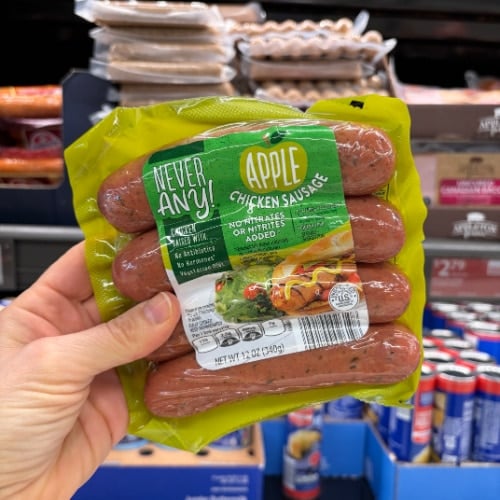
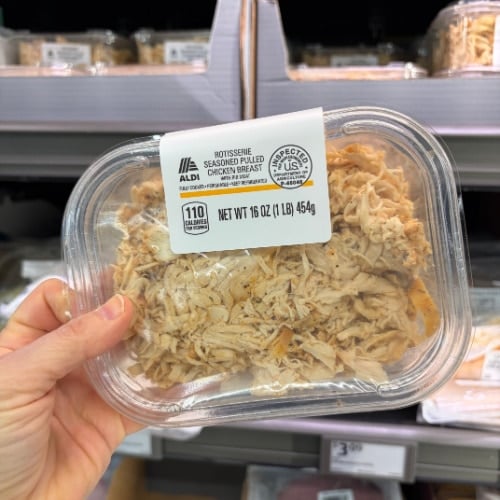
Additional refrigerated protein shortcuts, such as pre-cooked Chicken Apple Sausage ($2.99) and Shredded Seasoned Chicken Breast ($7.15), cater to nights when time is severely constrained. While pre-prepared proteins command a higher price point than raw ingredients, consumer analysts point out that they remain substantially cheaper—and generally more nutritious—than ordering delivery or fast food.
Pantry Foundations: Building Blocks of Flavor
The backbone of any efficient kitchen lies in its dry goods and non-perishable inventory. Culinary experts stress that a properly provisioned pantry eliminates the friction of meal preparation, transforming random ingredients into cohesive dishes.
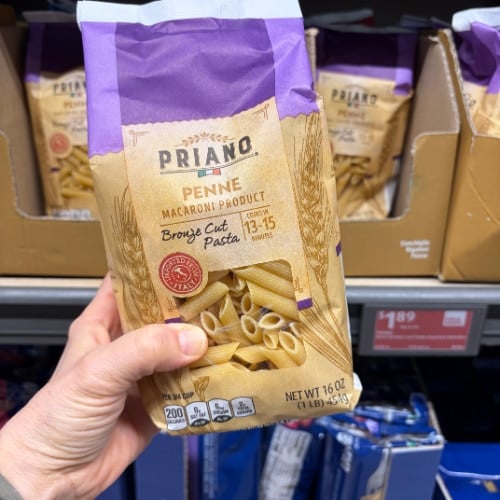
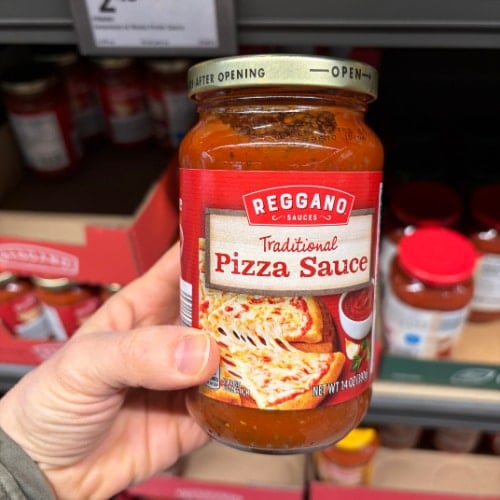
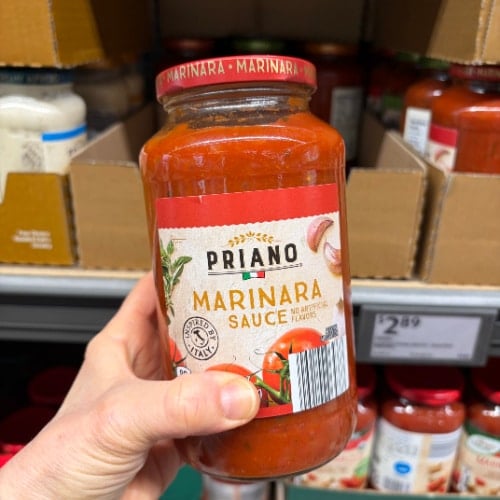
Pasta remains a cornerstone of budget-friendly cooking, with specialty options like Priano Bronze Cut Pasta ($1.89) offering superior texture compared to standard extruded varieties. The rougher surface created by bronze dies allows starch to cling to the noodles, ensuring that sauces adhere more effectively. Combined with Reggano Pizza Sauce ($1.09) or Priano Marinara Sauce ($2.89), these shelf-stable items enable households to assemble comforting, carbohydrate-based meals in under twenty minutes.
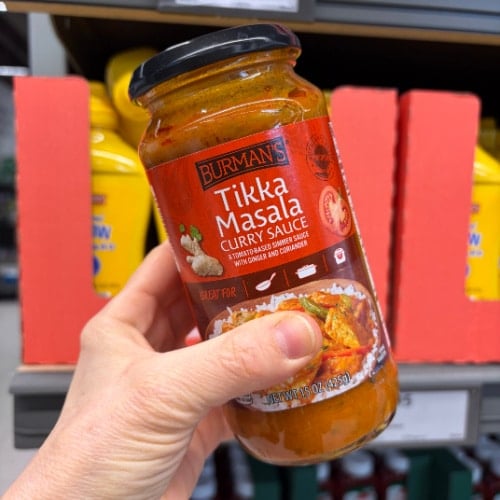
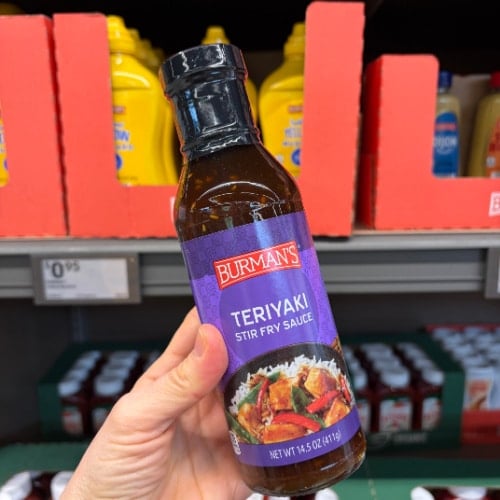
Global flavor profiles can also be achieved efficiently through prepared condiments and sauces. Burman’s Simmer Sauce ($3.69) and Teriyaki Stir-Fry Sauce ($2.19) remove the need to measure out individual spices and liquids for complex dishes. By browning a baseline protein, adding seasonal vegetables, and simmering them in these sauces, cooks can produce Indian- or Asian-inspired meals with minimal effort.
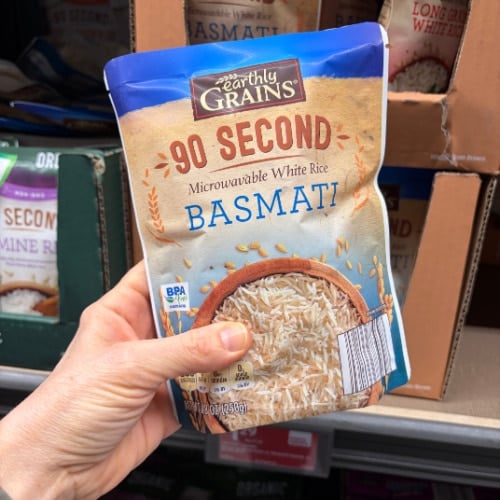
Time-saving carbohydrates, notably Earthly Grains 90-Second Rice Pouches ($1.29), bridge the gap between convenience and nutrition. While traditional dry rice requires extensive simmering and monitoring, these microwaveable pouches deliver identical nutritional benefits in a fraction of the time, accommodating unpredictable family schedules.

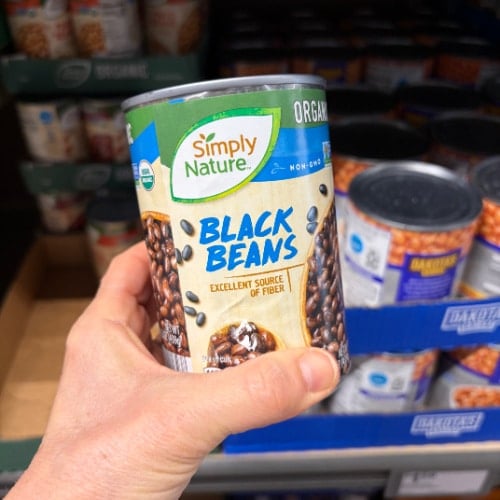
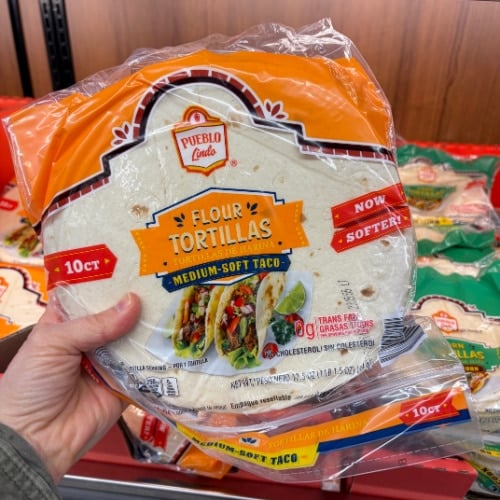
Rounding out the pantry essentials are high-fiber, shelf-stable legumes like Simply Nature Beans, priced at under a dollar per can. Recognized globally as a nutritional powerhouse, canned beans provide an affordable source of plant-based protein and dietary fiber that can be incorporated into soups, salads, and grain bowls. Meanwhile, versatile baking and finishing staples such as Specially Selected Pure Maple Syrup ($4.99)—valued for both breakfast-for-dinner concepts and subtle glaze applications—alongside Pueblo Lindo Flour Tortillas ($1.95) and Specially Selected Brioche Buns ($3.99), ensure that the kitchen is perpetually prepared for wraps, burgers, and handheld meals.
Produce Selection: Balancing Freshness and Efficiency
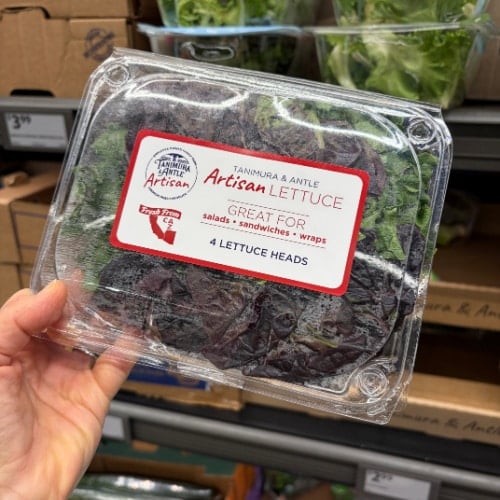
While pre-packaged, pre-washed produce offers undeniable convenience, experienced shoppers often find greater value and longevity in whole-food alternatives. Artisan Lettuce ($2.99 for a multi-head pack), for instance, requires washing and chopping but rewards the cook with superior crispness, enhanced flavor, and extended refrigeration life compared to pre-bagged salad mixes.

For root vegetables, items like Tasteful Selections Honey Gold Bite-Size Potatoes ($2.99) eliminate the peeling and dicing steps that frequently deter weeknight cooks. Their bite-size nature allows them to be roasted whole alongside proteins, streamlining the cleanup process and reducing food preparation labor.
The Freezer Safety Net
The modern frozen food aisle is frequently misunderstood, yet it remains one of the most effective tools for preventing food waste and managing hectic schedules. Frozen fruits and vegetables are harvested and flash-frozen at peak ripeness, locking in vitamins and minerals that can degrade during prolonged transport of fresh produce.
Staples such as Simply Nature Organic Frozen Mixed Vegetables ($1.59), Season’s Choice Frozen Edamame ($2.49), and Season’s Choice Frozen Strawberries ($4.29) offer year-round nutritional support. Frozen strawberries, while unorthodox in traditional dinner contexts, serve a dual purpose: they function as the base for quick post-meal smoothies on lighter dinner nights and support breakfast-for-dinner preparations like pancakes and waffles.

For emergency meal deployment, the freezer aisle provides reliable options that satisfy both adults and children. Fremont Fish Market Frozen Breaded Fish ($4.69) and Frozen Shrimp ($6.49) offer marine protein options that require no advanced planning or thawing. Shrimp, in particular, thaws rapidly under cold running water and cooks in three to four minutes, making it one of the fastest available proteins.

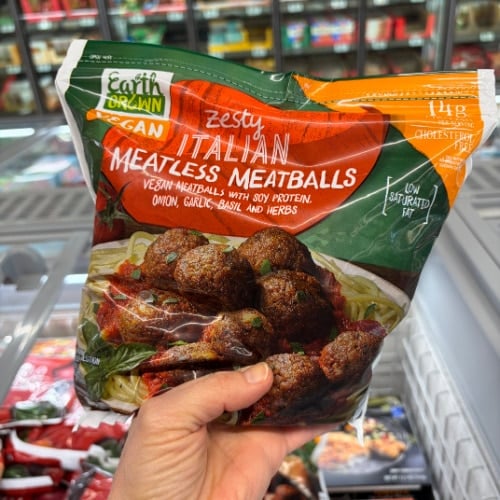
Meatless alternatives, including Earth Grown Frozen Meatless Meatballs ($4.99), and fan-favorite convenience items like Kirkwood Chicken Breast Fillets ($7.15 to $7.99) and Mama Cozzi’s Frozen Pizza ($4.49), serve as culinary insurance policies. When evening schedules unravel completely, these items provide predictable, crowd-pleasing meals that keep households from resorting to costly external food options. Finally, L’Oven Fresh Garlic Bread ($3.49) acts as a universal upgrade, transforming basic canned soup or leftover casseroles into a cohesive, comforting dining experience.

Broader Implications for Household Budgeting and Nutrition
The strategy of curating a targeted grocery list centered around flexible, multi-use staples addresses two of the most significant pain points for modern households: rising food costs and decision fatigue. Nutritional epidemiologists and financial advisors consistently note that impulsive food purchasing—driven by hunger, exhaustion, and a lack of meal planning—is a primary driver of household budget inflation.
By establishing a baseline inventory of reliable proteins, versatile sauces, quick-cooking grains, and dependable freezer backups, consumers can systematically bypass the daily question of sustenance. Furthermore, shifting the culinary focus toward budget-friendly whole foods and strategic convenience items empowers families to maintain nutritional standards without sacrificing precious evening hours. As economic pressures continue to influence consumer behavior, the adoption of methodical, resource-efficient kitchen management stands out as a practical, enduring pathway to domestic stability.