The Ultimate Guide to Crafting Gourmet Homemade Ice Cream Sandwiches for Summer Celebrations

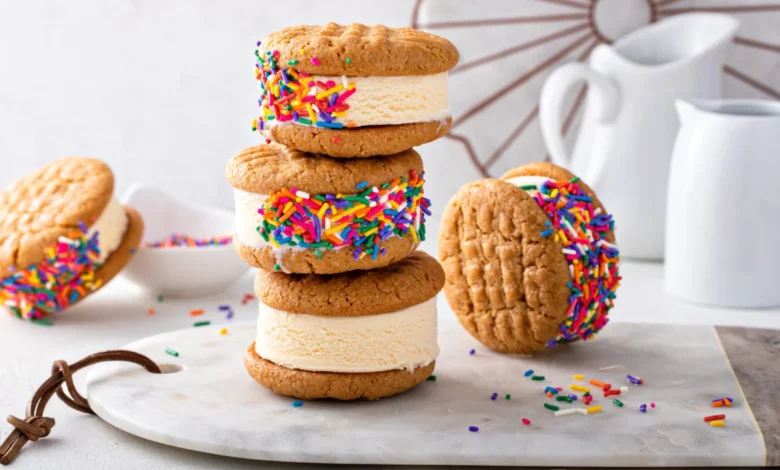
As summer temperatures reach their seasonal peaks, consumers and culinary enthusiasts alike are increasingly turning to nostalgic, artisanal frozen desserts that elevate traditional childhood treats into gourmet culinary experiences. Leading the seasonal trend are homemade ice cream sandwiches, combining freshly baked peanut butter cookies, ultra-creamy vanilla ice cream, and vibrant confectionery coatings. This culinary renaissance reflects a broader consumer shift toward kitchen-based creativity, customizable comfort foods, and family-oriented food preparation during the warmer months.
Market data and culinary trends indicate that homemade frozen desserts have seen a substantial surge in popularity over the past three years. According to consumer food behavior analyses, home baking and dessert crafting experienced a permanent elevation following lifestyle shifts toward home-centric activities. Within this category, frozen novelties—specifically customizable ice cream sandwiches—rank among the most searched and executed summer recipes. Unlike mass-produced commercial counterparts, which often rely on stabilizers and high-fructose corn syrups to maintain shelf stability in distribution networks, homemade iterations allow home cooks to curate ingredient quality, source locally produced dairy, and tailor flavor profiles to dietary preferences or specific festive occasions.
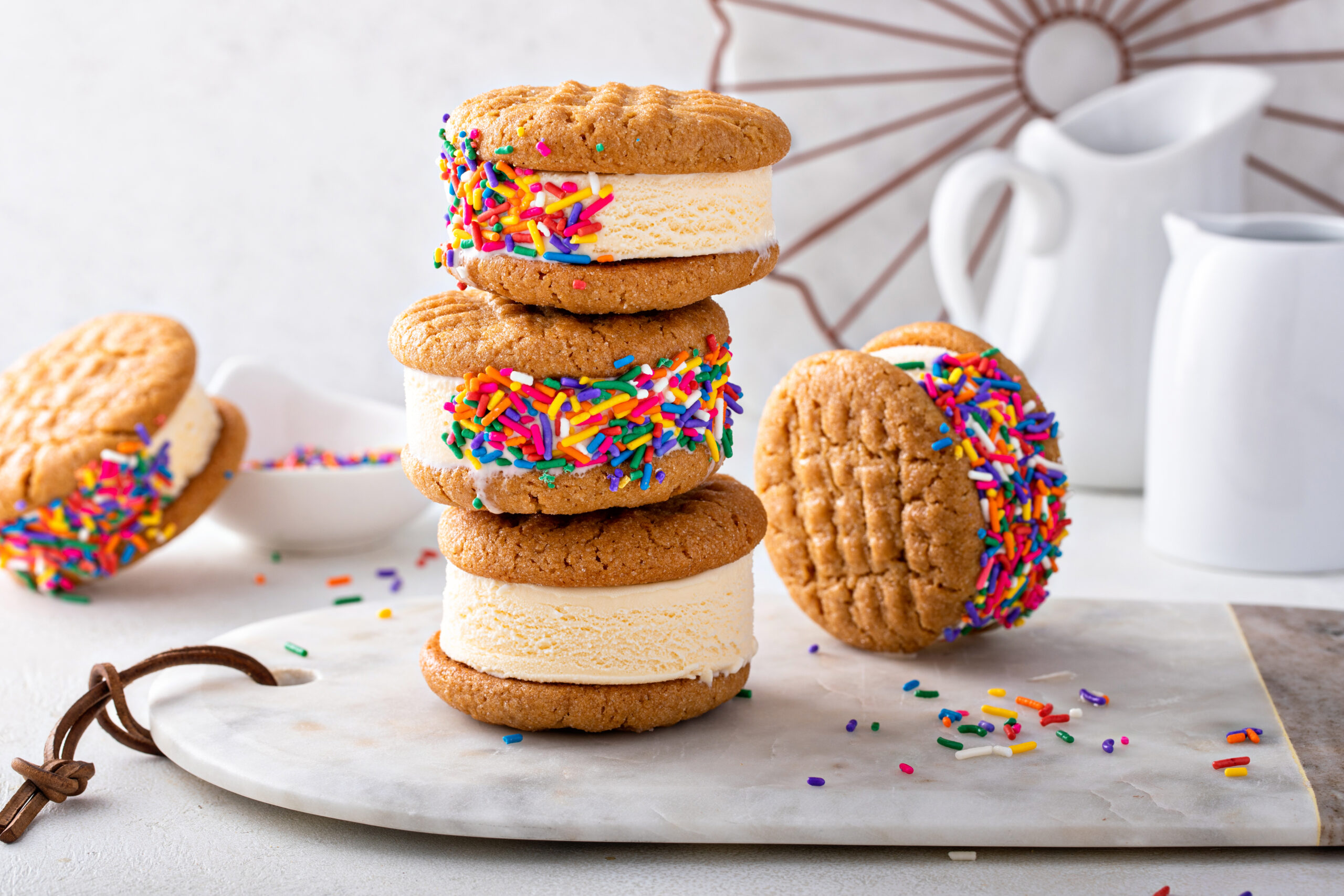
The Anatomy of an Exceptional Homemade Ice Cream Sandwich
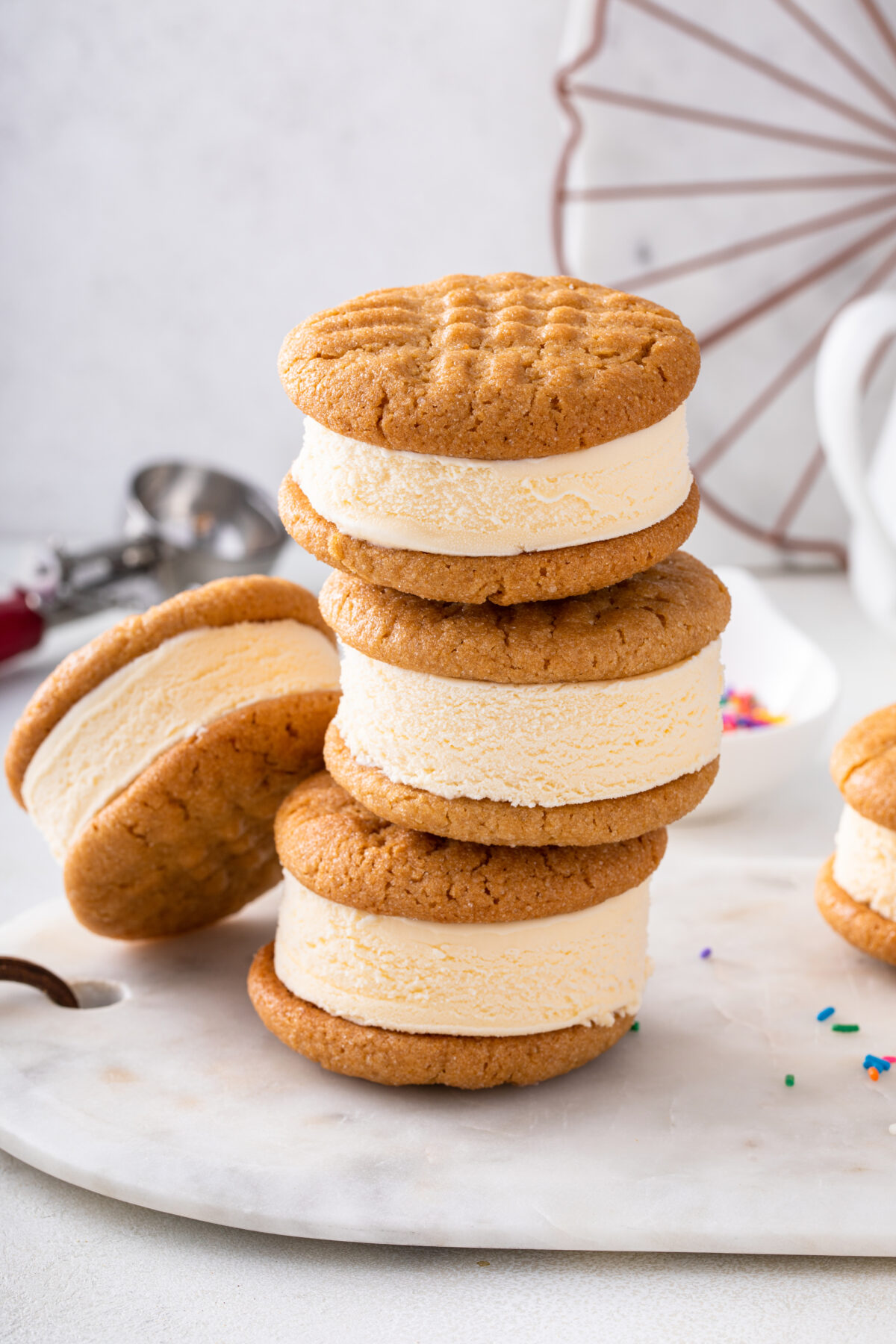
The appeal of a well-executed ice cream sandwich lies in the precise textural contrast between its outer layers and its frozen center. Achieving this balance requires careful attention to baking science, temperature control, and ingredient selection.
Culinary experts emphasize that the primary challenge of creating a frozen sandwich is preventing the cookie from hardening to an unmanageable consistency upon freezing. Standard cookie recipes, when subjected to sub-zero temperatures, frequently become rock-solid, making them difficult to bite and causing the soft ice cream filling to squeeze out violently from the sides. To counteract this physical limitation, specialized recipes utilize adjusted ratios of fats and sugars—such as brown sugar, which retains moisture—to ensure the peanut butter cookies remain tender and yielding straight from the freezer.
Furthermore, the choice of peanut butter introduces natural oils and proteins that contribute to a softer crumb structure, while also imparting a robust, savory undertone that balances the sweetness of the dairy filling. Encasing premium vanilla bean ice cream between two such cookies establishes a classic flavor pairing that has endured in American dessert culture for generations. The final touch—rolling the exposed ice cream perimeter in rainbow sprinkles, crushed roasted peanuts, or mini chocolate chips—provides not only visual allure but also a satisfying crunch that elevates the eating experience.
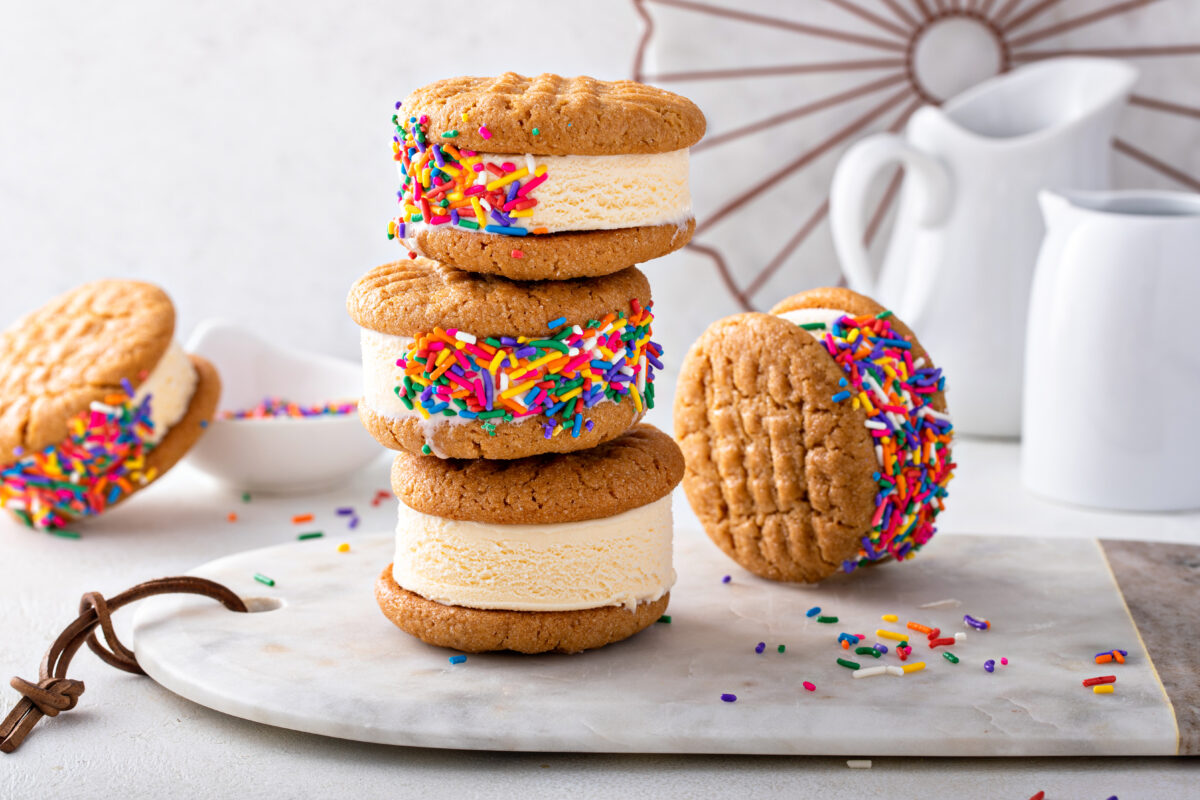
Chronology and Assembly Workflow
Mastering the production of these frozen treats requires a structured workflow to maintain optimal food safety and textural integrity. Professional pastry chefs and culinary test kitchens recommend dividing the process into three distinct phases: preparation, assembly, and maturation.
Phase one begins with the baking of the cookies, which typically requires approximately 10 minutes of oven time following a 25-minute active preparation window. Crucially, these cookies must undergo a complete cooling cycle—often accelerated by transferring them to a wire rack—to eliminate any residual thermal energy. Introducing warm cookies to ice cream initiates rapid melting, compromising the structural integrity of the dessert.
Phase two involves assembly, which should be conducted in small batches to prevent the ice cream from softening under ambient kitchen conditions. Utilizing a standardized cookie scoop ensures uniformity in diameter and thickness, resulting in a neat, professional presentation. Once the ice cream is sandwiched between the twin cookies and smoothed along the edges, the items must be subjected to an initial flash-freeze on a lined baking sheet. This critical step sets the shape of the sandwich before individual packaging.
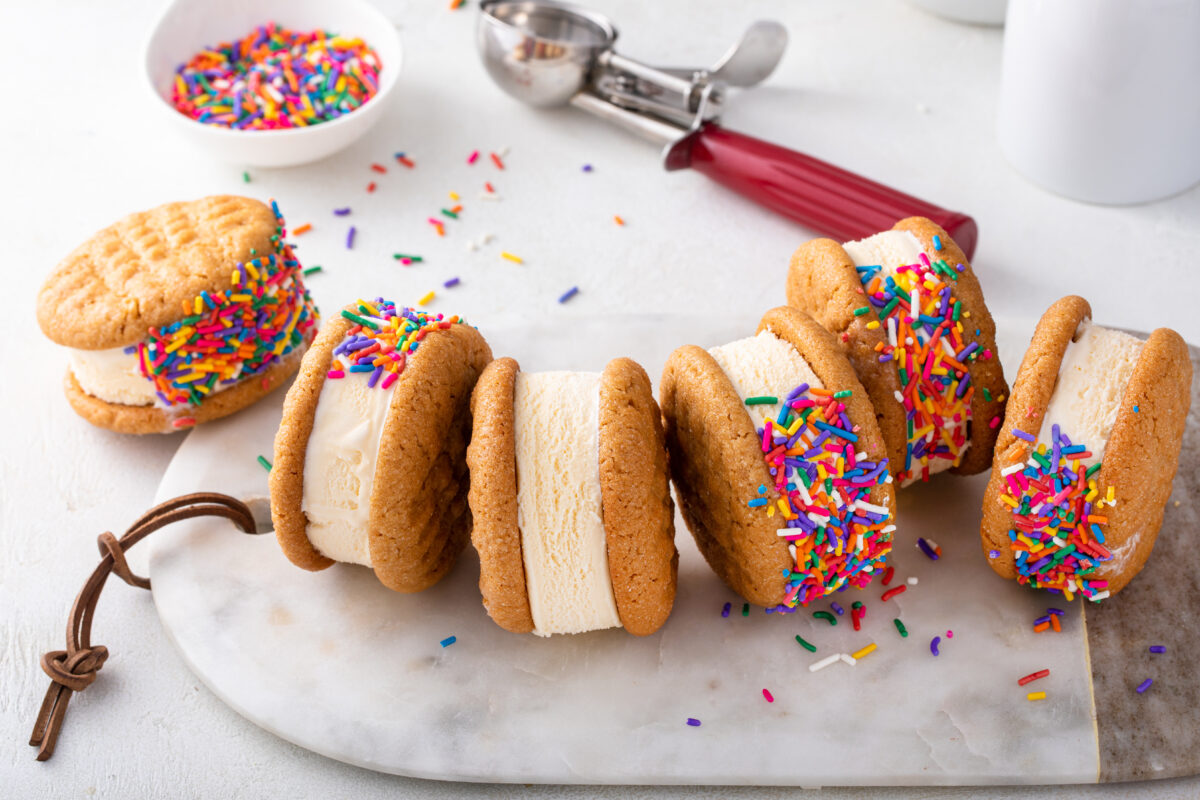
Phase three encompasses long-term storage and maturation. After the initial 2-hour and 30-minute freezing interval hardens the assembly, each sandwich should be individually wrapped in parchment paper, foil, or food-grade plastic wrap. This barrier prevents freezer burn and the absorption of unwanted odors from neighboring items in cold storage. Properly wrapped sandwiches maintain optimal quality for up to one month. Prior to consumption, culinary authorities recommend a 3-to-5-minute tempering period at room temperature, allowing the cookies to soften marginally while the ice cream achieves an ideal, velvety consistency.
Culinary Variations and Dietary Adaptations
Modern home economics and nutritional inclusivity have driven the evolution of the traditional ice cream sandwich into a highly adaptable culinary canvas. Culinary developers have formulated numerous iterations to accommodate diverse palates and dietary restrictions without sacrificing flavor or texture.
For chocolate enthusiasts, substituting the peanut butter base with rich cocoa cookies and pairing them with dark chocolate or mint-chip ice cream creates a decadent flavor profile. Alternatively, a fruit-forward variation—incorporating strawberry or raspberry ice cream alongside a subtle smear of artisanal fruit preserves—mirrors the classic flavor profile of a peanut butter and jelly sandwich.
To serve consumers with dietary restrictions, the recipe seamlessly transitions to plant-based ingredients. Substituting conventional dairy butter with plant-based alternatives and utilizing certified dairy-free vanilla bean frozen desserts ensures that individuals with lactose intolerance or vegan dietary preferences can participate in the culinary tradition. Similarly, seasonal customization remains a prominent driver of the treat’s popularity. By exchanging standard rainbow sprinkles for themed confectionery elements—such as red, white, and blue variants for Independence Day, pastel hues for spring celebrations, or dark tones for Halloween—hosts can easily tailor the presentation to specific holidays and social gatherings.
Broader Economic and Nutritional Implications
The rise in popularity of scratch-made frozen novelties aligns with broader economic and health-conscious consumer behaviors. With the rising cost of pre-packaged, premium grocery store novelties, families increasingly view home preparation as a cost-effective alternative that yields higher quantities and superior ingredient transparency.
From a nutritional perspective, preparing desserts at home empowers consumers to monitor portion sizes, regulate sugar intake, and eliminate artificial preservatives and chemical emulsifiers commonly found in commercial manufacturing. Nutritional scientists note that involving children in the preparation of such foods fosters early culinary literacy, encourages kitchen safety awareness, and promotes positive psychological associations with balanced, home-cooked nutrition.
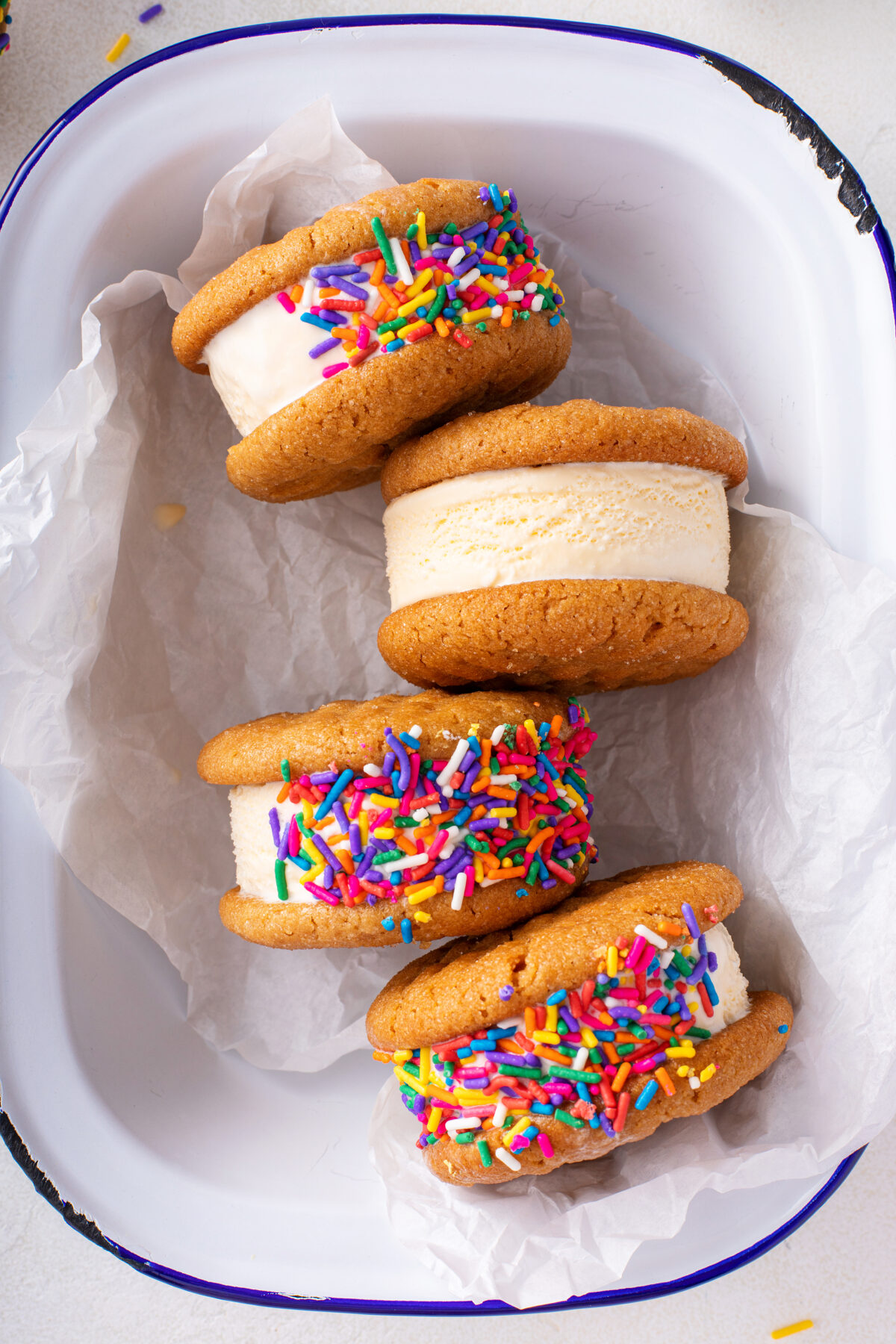
As summer celebrations continue to evolve, the homemade ice cream sandwich stands out as a testament to the enduring appeal of simple, high-quality ingredients transformed through thoughtful preparation. Whether served at neighborhood barbecues, family birthdays, or quiet weekend gatherings, this versatile dessert bridges the gap between childhood nostalgia and contemporary culinary craftsmanship.