Breakthrough T1D Convenes Global Experts in Philadelphia for Inaugural Clinical and Research Congress to Accelerate Type 1 Diabetes Innovation

The landscape of type 1 diabetes (T1D) research, clinical care, and patient advocacy reached a significant milestone this past weekend as Breakthrough T1D—formerly known as JDRF—concluded its first-ever Clinical and Research Congress (CRC 2026). Held in Philadelphia, Pennsylvania, the landmark inaugural event drew a diverse, multidisciplinary coalition of researchers, clinicians, biotechnology industry leaders, healthcare professionals, and members of the broader T1D community. Over the course of three intensive days, attendees engaged in high-level discussions, reviewed cutting-edge clinical trial data, and forged collaborative pathways aimed at accelerating the delivery of life-changing therapies to patients worldwide.
The convention served as a comprehensive forum addressing the entirety of Breakthrough T1D’s core mission: curing T1D, preventing its onset, and continuously improving the quality of life for the millions of individuals currently managing the condition. By bringing together stakeholders from every corner of the diabetes ecosystem, CRC 2026 functioned not only as an academic reporting ground but also as a strategic launchpad for future clinical initiatives, policy advocacy, and technological advancements.
Background and Context of the Event
For decades, the global scientific community has sought to decode the complex autoimmune mechanisms underlying type 1 diabetes. Historically, research presentations and clinical updates were fragmented across various international endocrinology and immunology summits, such as those hosted by the American Diabetes Association (ADA) or the European Association for the Study of Diabetes (EASD). While these major congresses provided vital platforms, the rapid acceleration of disease-modifying therapies, islet cell transplantation breakthroughs, and automated insulin delivery (AID) systems created an urgent demand for a dedicated, single-focus event.
Breakthrough T1D established the Clinical and Research Congress to fill this critical gap. The choice of Philadelphia as the host city for the inaugural event was strategically significant, given its rich history as a hub for biomedical research, world-class academic medical centers, and pediatric healthcare innovation. The event was designed to break down traditional silos between laboratory scientists working on cellular mechanisms and practicing endocrinologists managing day-to-day patient care, ensuring that translational research moves from the bench to the bedside with maximal efficiency.
Chronology and Day-by-Day Overview of CRC 2026
The congress was structured into a meticulous three-day program, with each day dedicated to specific pillars of T1D research, technological innovation, and patient advocacy.
Day 1: Foundations of Care and Technological Integration
The congress officially opened with a deep dive into the immediate improvements of daily life for individuals living with type 1 diabetes. Day one sessions heavily emphasized the rapid evolution of automated insulin delivery systems, commonly known as closed-loop or artificial pancreas systems, and their clinical adoption rates across diverse patient demographics. Clinicians and researchers reviewed real-world data highlighting how modern AID technology significantly reduces glycemic variability and minimizes the psychological burden of continuous self-care.
In addition to device technology, the opening day featured extensive panel discussions on the mitigation and management of long-term T1D complications. Crucially, Day 1 also showcased the latest updates in islet cell therapy clinical trials. Experts discussed the ongoing refinement of stem-cell-derived islet replacements, focusing on strategies to protect transplanted cells from autoimmune attack without the need for toxic, generalized immunosuppressive regimens. This session set an optimistic tone for the congress, bridging the gap between hardware solutions (such as pumps and continuous glucose monitors) and biological cures.
Day 2: Disease-Modifying Therapies, Early Detection, and the Human Experience
The second day of CRC 2026 shifted the paradigm toward disease interception, early screening, and the psychosocial dimensions of living with the condition. As disease-modifying therapies (DMTs) move closer to mainstream clinical practice—underscored by recent historic approvals of therapies that delay the onset of clinical stage 3 T1D—researchers presented the latest clinical trial outcomes regarding immune system modulation.
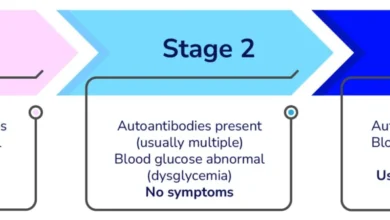
Early detection was a central theme of the day’s symposia. Public health experts and pediatricians debated universal screening guidelines for autoantibodies in pediatric populations, emphasizing that identifying individuals in stage 1 or stage 2 T1D allows for proactive monitoring, family education, and timely intervention before irreversible pancreatic beta-cell destruction occurs.
Equally vital to Day 2 was the integration of the lived T1D experience. Panels featuring adult patients, parents of children with T1D, and advocates discussed the emotional and financial realities of chronic illness management. These sessions explored the intersection of policy advocacy, healthcare equity, and the mental health support systems necessary to combat diabetes burnout, ensuring that clinical advancements remain deeply human-centric.
Day 3: Advanced Horizons, Staging Comparisons, and Future Pathways
The final day of the congress tackled the cutting-edge frontiers of diabetes science and healthcare infrastructure. Discussions centered on advanced screening technologies, including the utilization of multi-analyte assays and genetic risk scores to predict T1D susceptibility with unprecedented precision. Furthermore, health system administrators and clinical leaders discussed the establishment of designated Centers of Reference to standardize specialized care pathways globally.
A notable highlight of Day 3 was a rigorous, balanced debate weighing the pros and cons of islet cell therapies versus disease-modifying therapies. Panelists analyzed the distinct clinical pathways, target patient populations, and risk-benefit profiles of biological cures versus immune interventions. Additionally, the congress addressed the persistent issue of diabetes stigma, exploring how societal misconceptions impact employment, mental health, and policy decisions for individuals living with the condition.
Supporting Data and Technological Milestones
Throughout the three-day congress, data presentations reinforced the unprecedented momentum currently experienced in the T1D research sector. According to organizational metrics shared at the event, the pipeline for T1D therapies has expanded exponentially over the past decade.
Key data points highlighted during CRC 2026 included:
- A significant reduction in severe hypoglycemic events among users of advanced automated insulin delivery systems, as demonstrated by multi-center observational studies.
- Expanding clinical trial data indicating that targeted immunotherapies can delay the onset of clinical T1D by several years, preserving endogenous C-peptide production—a crucial biomarker of residual beta-cell function.
- Promising pre-clinical and early-stage clinical trial updates regarding encapsulation technologies designed to shield donor islet cells from the host immune system, potentially eliminating the requirement for lifelong immunosuppression.
These data points reflect a fundamental shift in the T1D paradigm: moving away from purely symptomatic management toward disease prevention, beta-cell regeneration, and long-term functional cures.
Statements and Organizational Reactions
The success of the inaugural congress elicited strong positive reactions from leadership, researchers, and community stakeholders alike. Organizers emphasized that the event exceeded expectations in fostering cross-disciplinary collaboration.
"The level of engagement, intellectual rigor, and shared commitment witnessed in Philadelphia over this weekend has been truly extraordinary," stated event organizers in official congress summaries. "By bringing together the brightest minds in clinical research, industry development, and patient advocacy, we have laid a robust foundation for the next generation of breakthrough discoveries. We could not be more proud of how our inaugural conference turned out."
Participants echoed these sentiments, noting that the concentrated focus on T1D—without the dilution of broader diabetes categories such as type 2 diabetes—allowed for laser-focused discussions on autoimmune etiology and technological specificity. Industry partners underscored the value of direct dialogue with clinicians and patients, ensuring that future device and drug developments align closely with real-world clinical needs.
Broader Impact and Implications for the T1D Community
The conclusions drawn at CRC 2026 carry profound implications for the global healthcare ecosystem. As disease-modifying therapies transition from experimental protocols to clinical realities, healthcare systems must adapt to identify individuals in the early, asymptomatic stages of T1D. This necessitates a fundamental transformation in pediatric and primary care screening practices, turning routine wellness checks into opportunities for autoimmune risk assessment.
Moreover, the advancements in cell therapies and automated delivery systems signal a future where the daily burden of T1D management may be drastically reduced, if not entirely eliminated. The collaborative networks forged in Philadelphia are expected to streamline regulatory pathways, attract continued venture capital and philanthropic investment, and accelerate the translation of laboratory discoveries into accessible patient treatments.
Looking Ahead: CRC 2027 in Washington, D.C.
Building upon the resounding success of the inaugural gathering in Pennsylvania, Breakthrough T1D has already confirmed plans for the future of the franchise. Organizers announced that the Clinical and Research Congress will return as an annual fixture on the global medical calendar.
Stakeholders, researchers, and community members have been advised to mark their calendars for CRC 2027, which is scheduled to take place in Washington, D.C., from October 15 through October 17, 2027. Moving the nation’s capital for the second iteration of the congress is anticipated to further amplify the event’s policy and advocacy dimensions, providing a strategic platform to engage lawmakers, regulatory agencies, and global health organizations in the fight against type 1 diabetes.
As the curtains closed on CRC 2026, the overarching message resonated clearly across the Philadelphia convention center: the scientific community is closer than ever to turning Type One into Type None. Through relentless collaboration, rigorous clinical investigation, and unwavering community advocacy, the roadmap for the future of T1D care has never been clearer.