The Evolution of Modern Baking: Why Flourless Pumpkin-Based Chocolate Cake is Redefining Dietary Indulgence

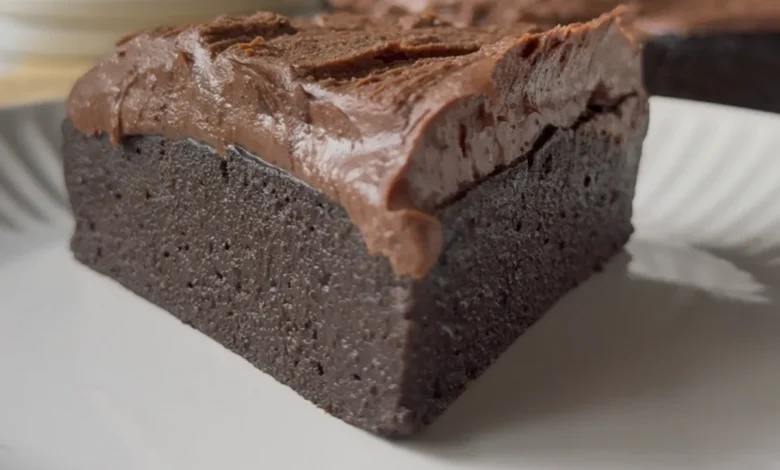
The culinary landscape is currently undergoing a significant shift as home cooks and professional bakers alike move toward nutrient-dense, allergen-friendly alternatives that do not sacrifice texture or flavor. A prime example of this trend is the emergence of the flourless chocolate cake formulated with pumpkin purée. This dessert, which replaces traditional wheat flour, refined sugars, and processed fats with whole-food ingredients, has become a subject of interest for nutritionists and food scientists studying the intersection of satiety and dessert consumption.
The Nutritional Shift in Home Baking
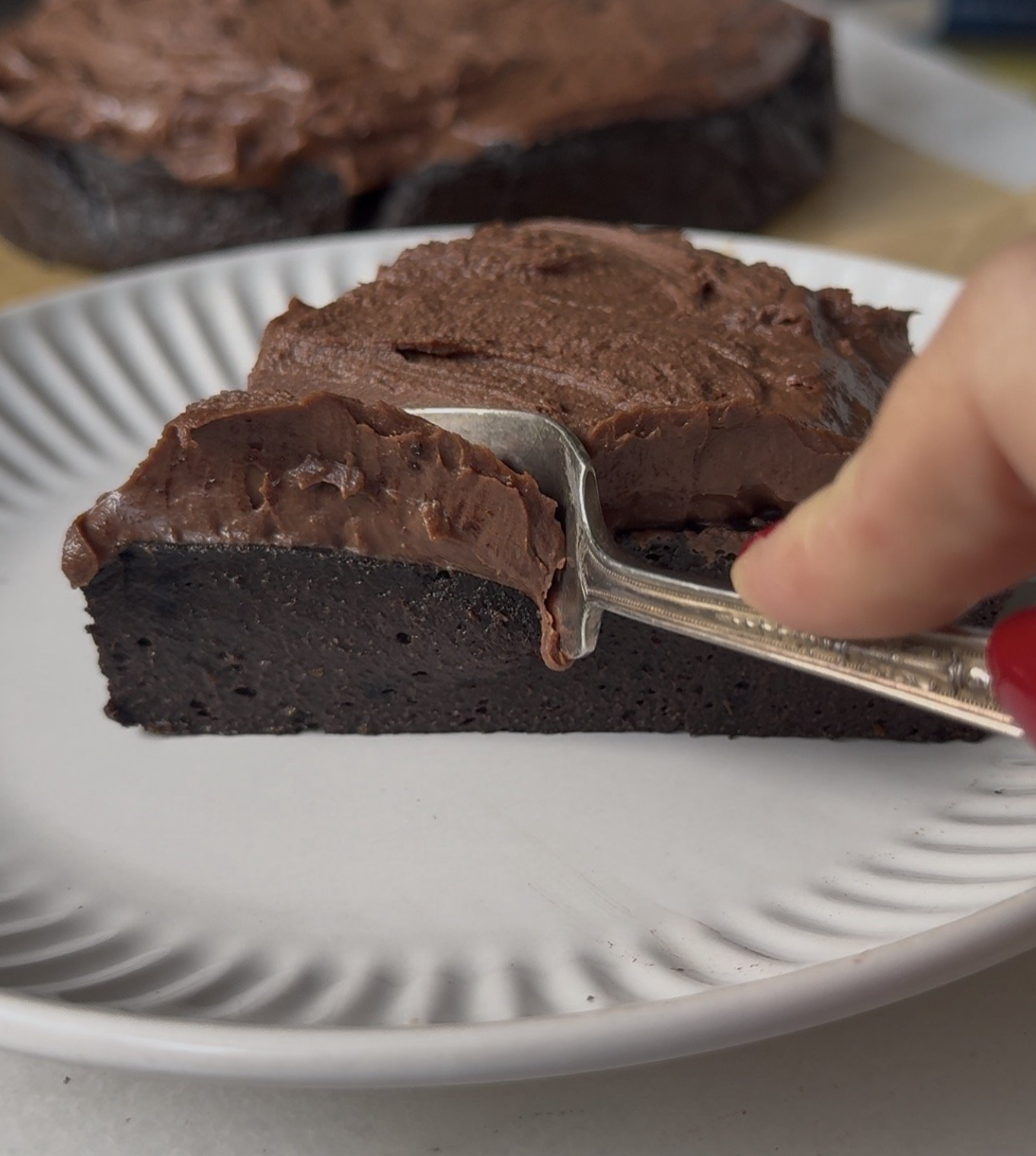
In recent years, the push for "clean label" baking has led to a re-evaluation of structural ingredients in confectionery. Historically, flour served as the primary binding agent, while butter and oils provided the necessary lipid content for moisture. The integration of vegetable purées—specifically pumpkin—into cake batters represents a functional culinary innovation. Pumpkin purée possesses a unique chemical composition: it is high in fiber and pectin, which, when combined with egg proteins, creates a stable matrix capable of holding a dense, fudgy crumb without the need for gluten-based starch networks.
From a nutritional standpoint, replacing refined wheat flour with pumpkin purée lowers the glycemic index of the final product while increasing the intake of Vitamin A, fiber, and potassium. Data from various culinary journals suggests that replacing traditional fats with vegetable-based purees can reduce the caloric density of a dessert by approximately 20 to 30 percent, depending on the ratio of dark cocoa to sweetener used.
Chronology and Development of the Recipe
The development of this specific recipe follows a deliberate, multi-stage process necessitated by the removal of traditional flour. Unlike standard sponge cakes, which rely on the aeration of gluten and chemical leavening agents, this flourless iteration relies on the coagulation of egg proteins.
- Phase 1: The Emulsion (0–10 minutes): The process begins with the integration of pumpkin purée, whole eggs, and an additional yolk. The extra yolk is essential for increasing the lipid content, which compensates for the lack of butter or oil, ensuring a "melt-in-your-mouth" texture.
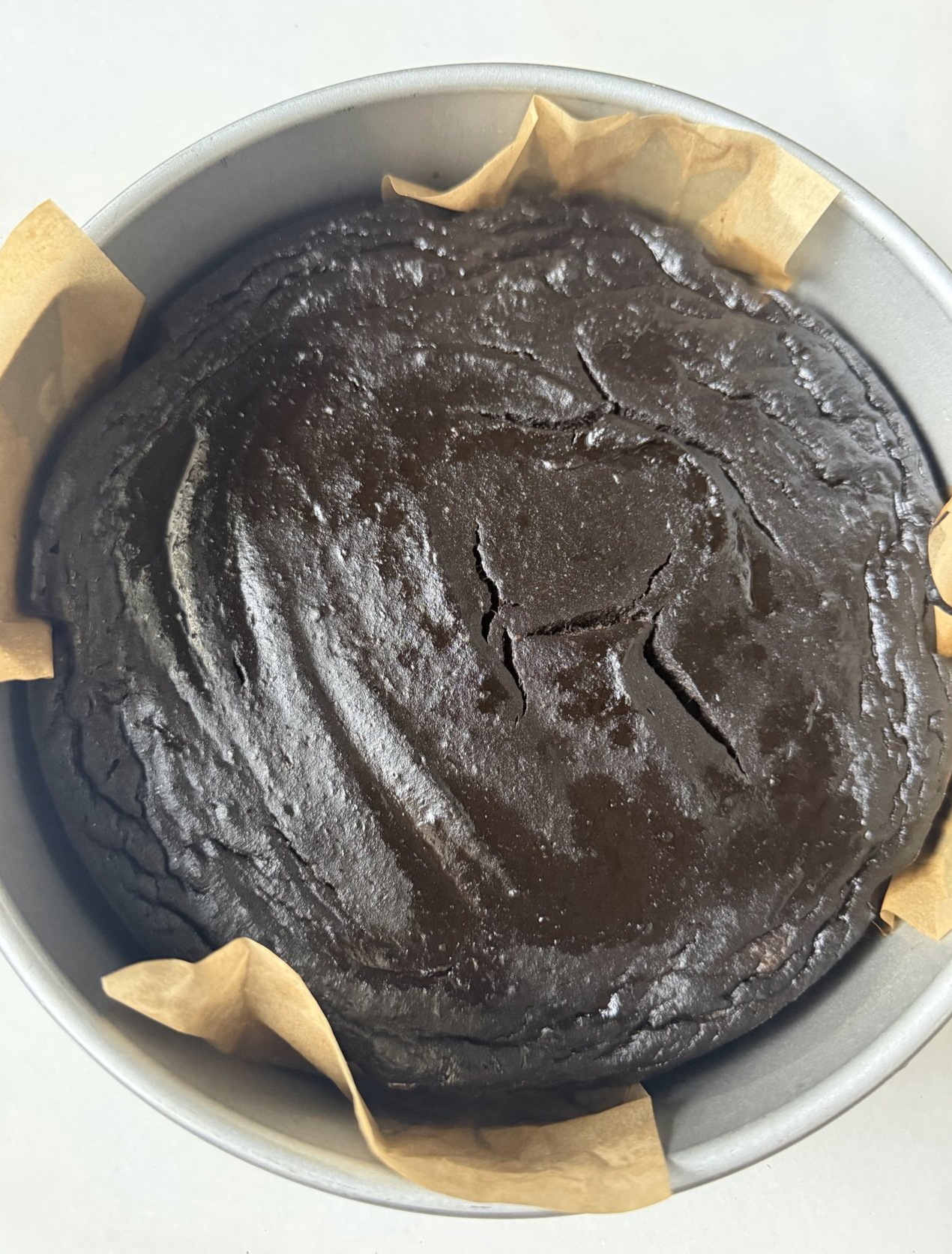
- Phase 2: The Structural Formation (60–65 minutes): Baking at a consistent 350 degrees Fahrenheit allows the egg proteins to set. Because there is no flour to build a crumb, the cake must be baked in a springform pan to maintain its structural integrity during the cooling process.
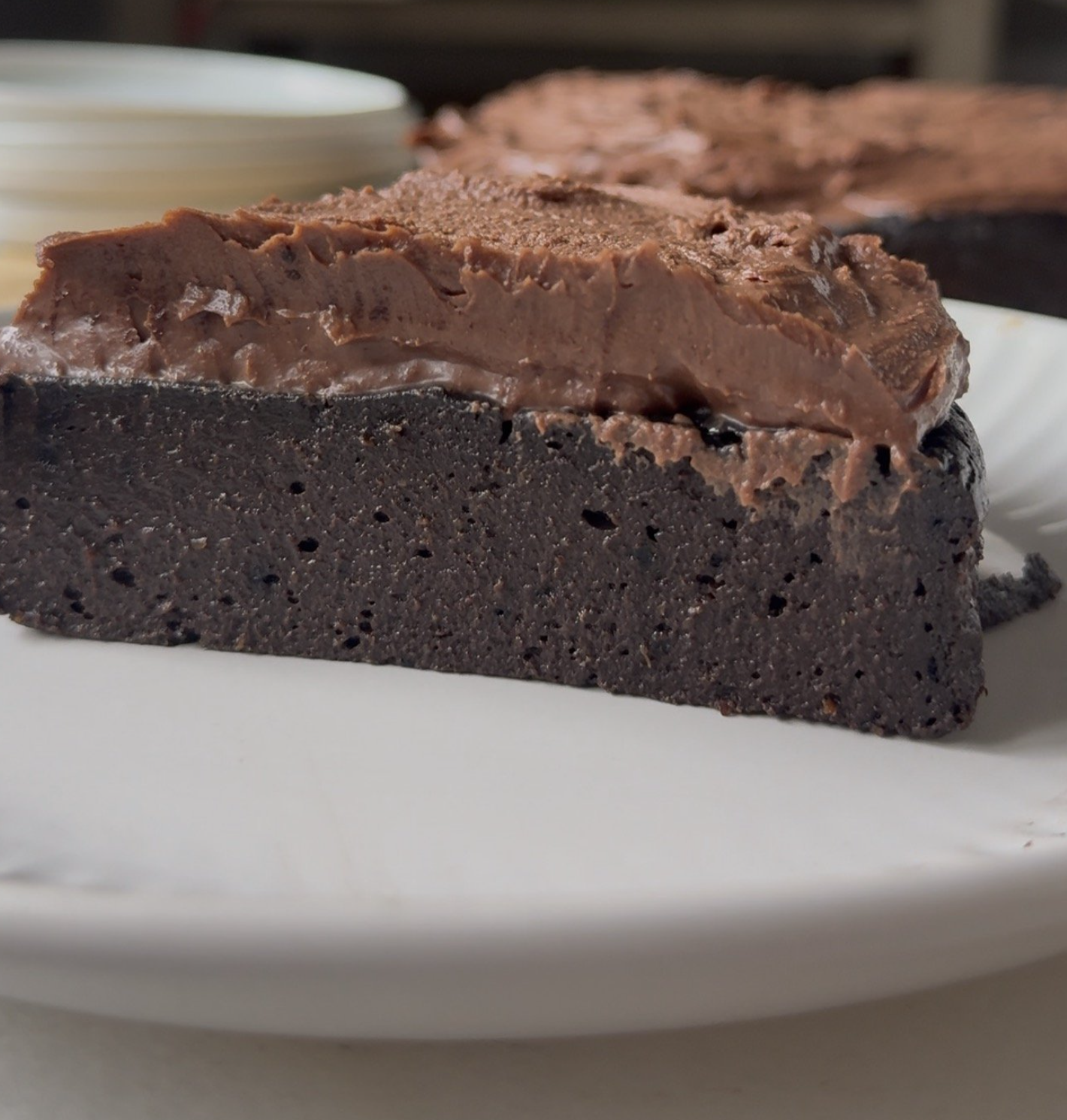
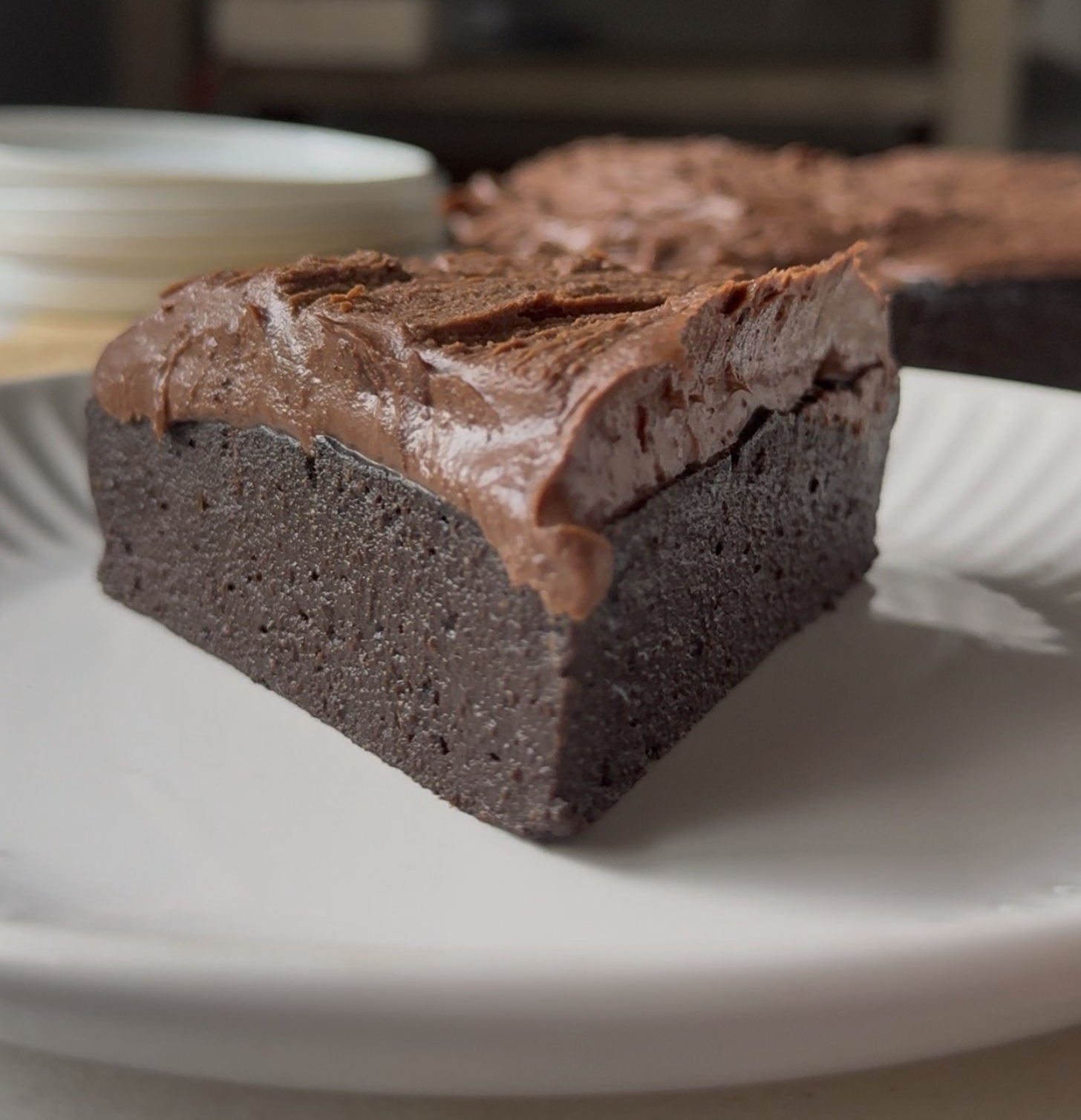
- Phase 3: The Cooling and Setting (4–24 hours): This is the most critical stage. The cake does not reach its final desired consistency immediately upon exiting the oven. It requires a minimum of four hours of cooling—ideally two of which should occur in a refrigerated environment. This allows for "protein coagulation," a scientific process where the internal structure stabilizes into a dense, brownie-like texture.
Analytical Breakdown of Key Ingredients
The success of this recipe hinges on the specific roles of its components, which function in a synergistic manner:
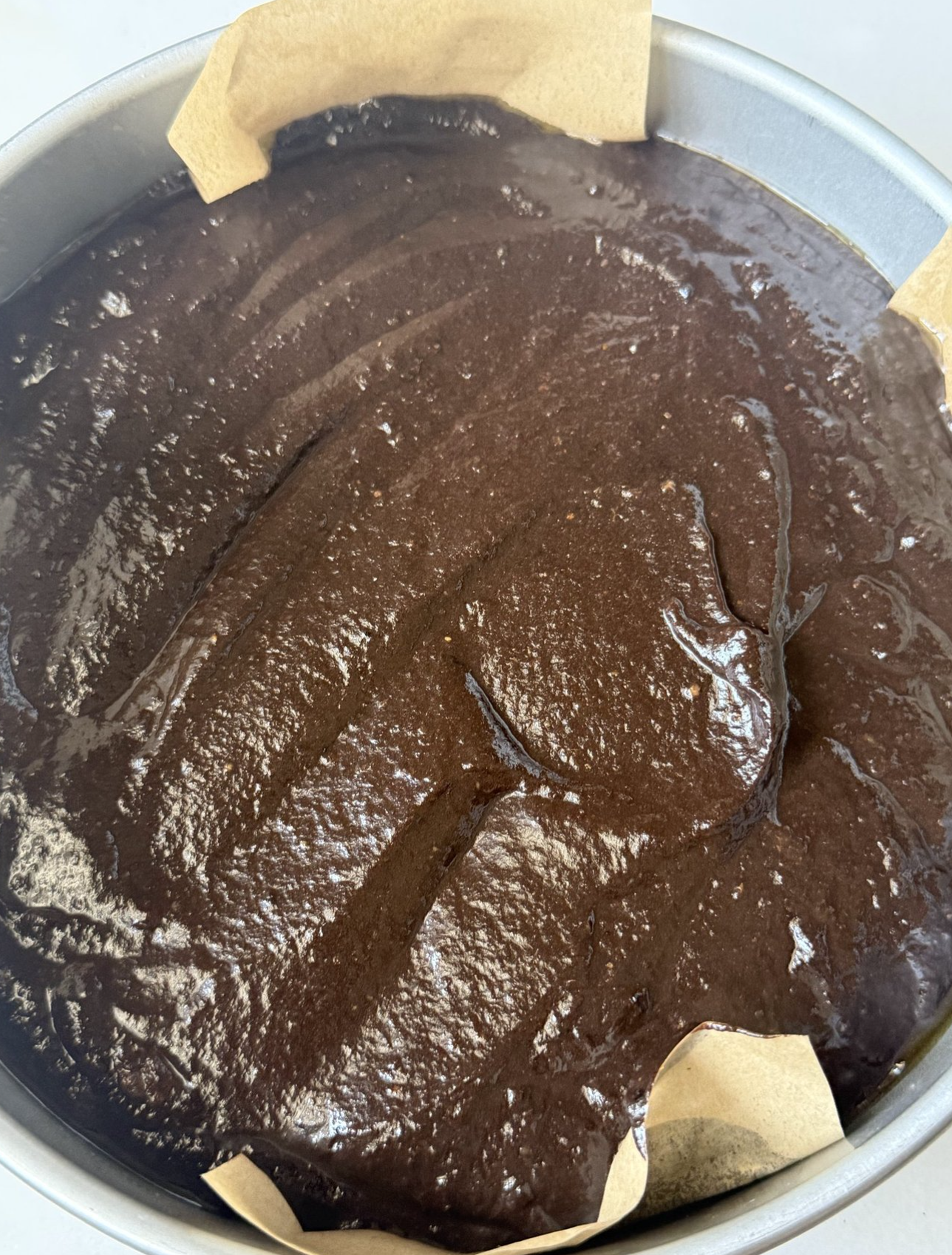
- Pumpkin Purée: Acts as the primary structural anchor. It provides the moisture that would otherwise be supplied by butter. For optimal results, chefs recommend using thicker, lower-moisture purées, as excess water content can lead to a compromised, overly soft, or "wet" center.
- Dark Cocoa Powder: Beyond flavor, cocoa powder acts as a dry solid that absorbs some of the excess moisture from the pumpkin, preventing the cake from becoming a pudding-like consistency. Dutch-process cocoa is preferred in professional settings for its lower acidity, which results in a smoother, more balanced profile.
- Natural Sweeteners (Maple Syrup or Honey): These provide the necessary viscosity for the batter. Unlike granulated sugar, which can add graininess, these liquid sweeteners maintain the smooth, fudgy mouthfeel.
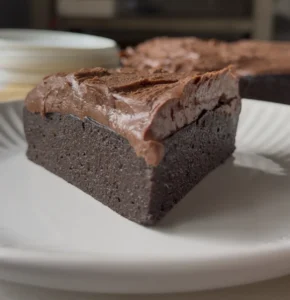
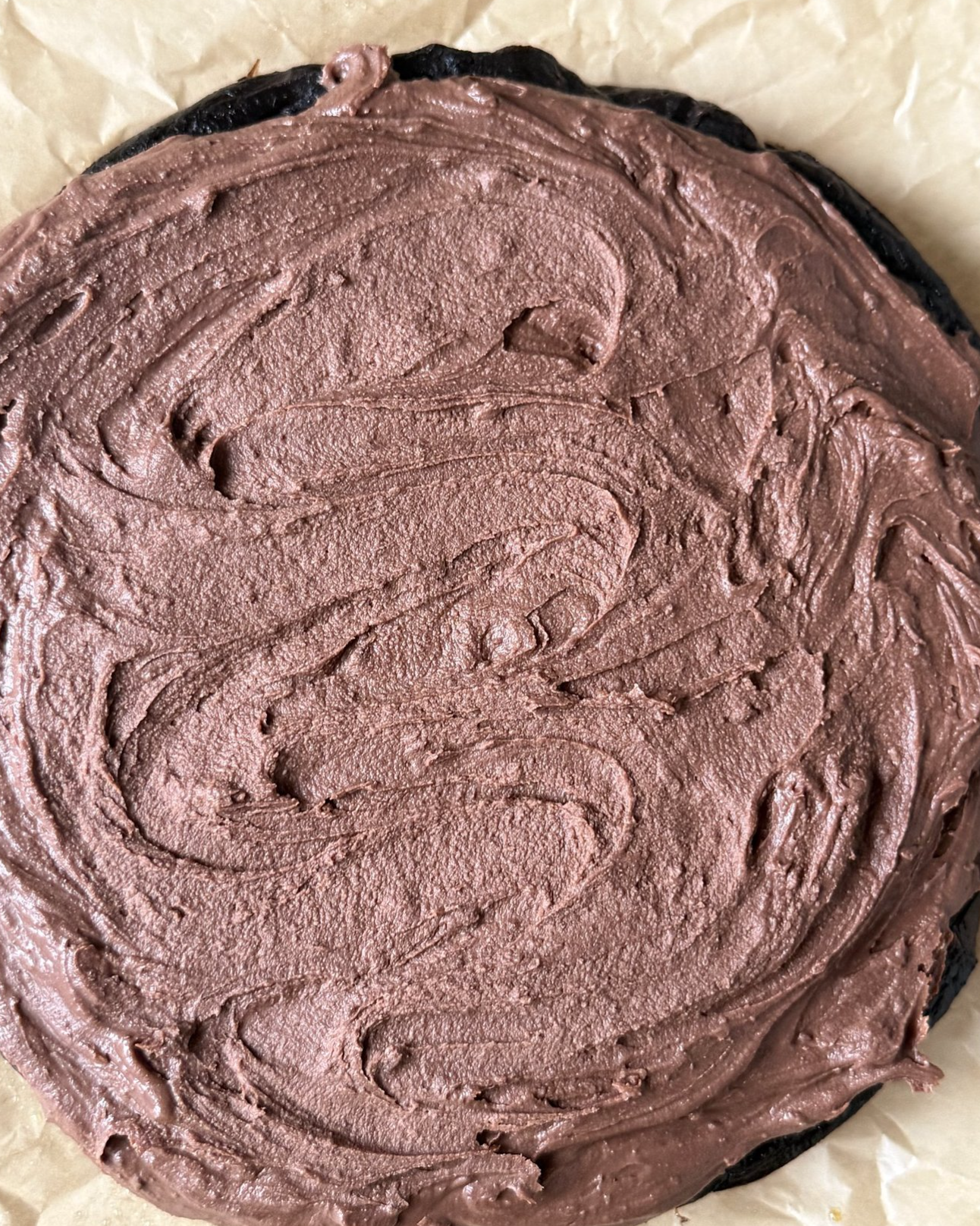
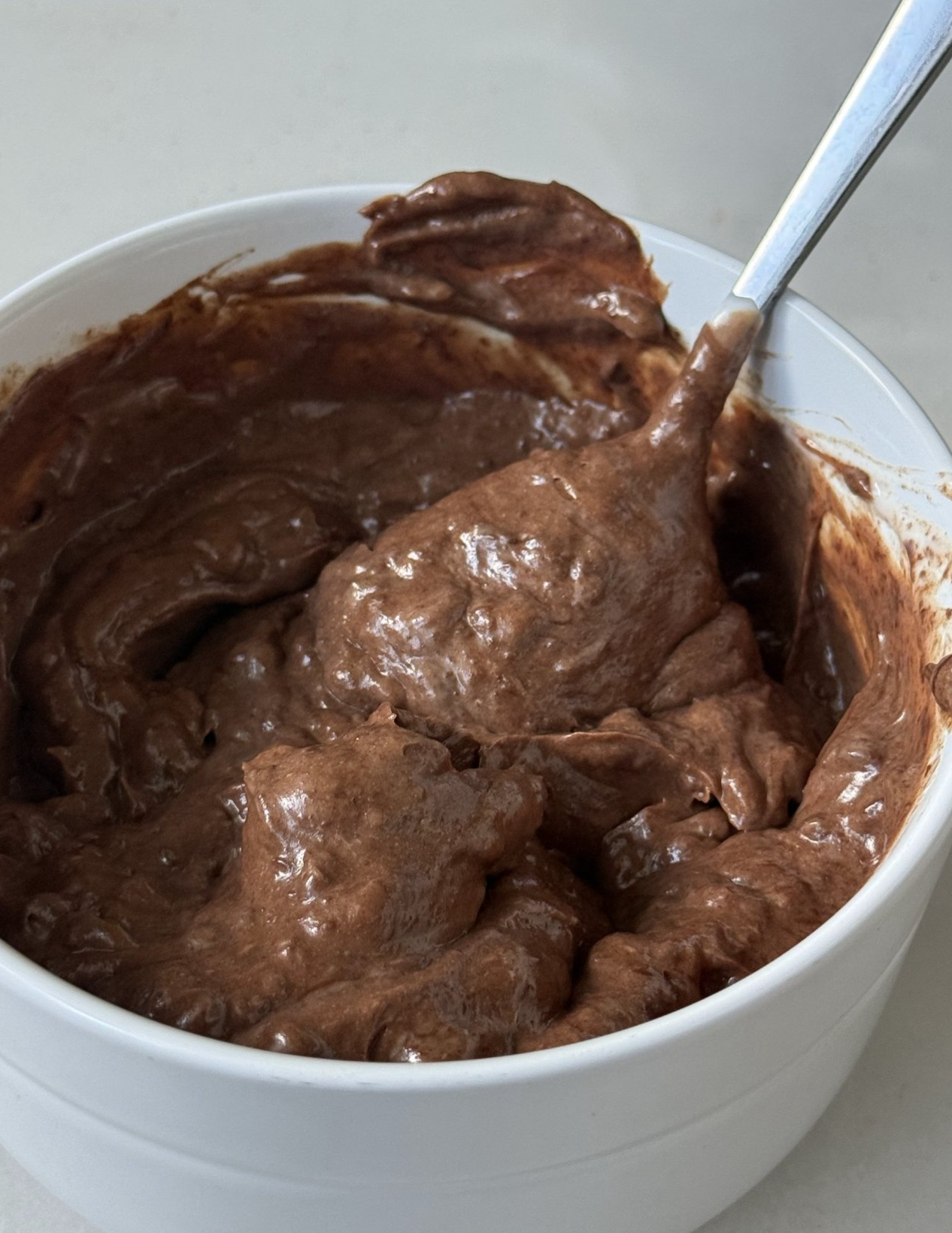
- The Ganache: A two-ingredient ganache—consisting of heavy whipping cream and dark chocolate—is utilized to provide a textural contrast to the dense cake. This frosting technique is a classic professional method that achieves a glossy finish without the need for powdered sugar or hydrogenated oils.
Broader Implications for Dietary Trends
The rise of this flourless cake reflects a broader consumer movement toward gluten-free and grain-free living. According to recent market analysis, the demand for "alternative baking" has seen an annual growth rate of approximately 7% in the last three years. This shift is driven by a combination of medically necessary dietary restrictions—such as Celiac disease or gluten sensitivity—and a lifestyle-driven preference for whole-food, minimally processed ingredients.
Furthermore, the versatility of this recipe suggests a democratization of gourmet-style baking. By eliminating the need for expensive "specialty" gluten-free flour blends—which often contain xanthan gum and various starches that can affect the texture—the use of pumpkin purée provides an accessible, affordable entry point for home cooks.
Expert Perspectives on Structural Challenges
Culinary educators often emphasize that this type of baking is less about "following a recipe" and more about "understanding the chemistry of proteins." A common failure point in flourless baking is the tendency for amateur bakers to remove the product from the oven too early or cut into it while it is still warm.
"The structural strength of a grain-free cake is delayed," explains a spokesperson from a major culinary education institute. "Because you lack the starch lattice provided by wheat, you are relying entirely on the eggs to hold the weight. If you attempt to slice it before the lipids have cooled and the proteins have fully set, the cake will appear to have failed, when in reality, it simply required more time for the phase change to complete."
Comparative Analysis: Traditional vs. Modern
When comparing a traditional flour-based chocolate cake to this pumpkin-based alternative, the differences are primarily in the "crumb" and the "aftertaste." A traditional cake is characterized by a "light and airy" crumb structure. The flourless pumpkin version is categorized as "dense and fudgy."
Regarding flavor, the integration of pumpkin is a masterclass in flavor masking. Because the intensity of dark cocoa (which has a high flavonoid and bitterness profile) is so potent, it effectively neutralizes the earthy notes of the pumpkin. Consequently, the vegetable serves only as a carrier for the chocolate, allowing the consumer to reap the nutritional benefits of the pumpkin without the associated flavor profile of a seasonal squash dish.
Considerations for Long-Term Storage
The chemistry of this cake also influences its storage requirements. Because it contains higher moisture content than a flour-based cake, it is susceptible to mold if left at room temperature for extended periods. It is recommended that this dessert be stored in an airtight container under refrigeration for up to four days.
For those looking to extend the shelf life, freezing is a viable option. The lack of gluten means the cake does not suffer from the same "staling" effect that occurs in wheat-based breads and cakes during the freezing and thawing process. When properly wrapped in a double layer of plastic film, the integrity of the cake can be maintained in a freezer for up to two months.
Conclusion: A Sustainable Future for Dessert
The adoption of flourless, whole-food desserts is unlikely to be a passing fad. As food costs fluctuate and health-conscious consumers demand greater transparency in their ingredient lists, recipes that utilize high-yield, nutrient-dense vegetables like pumpkins are becoming staples in the modern kitchen. By leveraging the natural properties of these ingredients, bakers are finding that they can produce sophisticated, indulgent desserts that align with a wide spectrum of health goals, effectively bridging the gap between traditional comfort food and modern nutritional standards. This evolution in baking signifies a mature understanding of how we can utilize simple, unprocessed ingredients to create complex and satisfying culinary experiences.