Broccoli Cheddar Egg Bake: A Comprehensive Analysis of Nutritional Efficiency and Meal Planning Trends


The modern culinary landscape has seen a significant shift toward high-protein, time-efficient breakfast solutions as consumer demand for health-conscious, home-prepared meals continues to rise. Among the most prominent developments in this sector is the evolution of the egg-based casserole, specifically the broccoli cheddar egg bake. This dish, characterized by its reliance on whole-food ingredients and its adaptability to various dietary requirements, has transitioned from a home-kitchen staple to a subject of interest in nutritional science and professional meal-prep strategy. By leveraging the biological benefits of eggs and cruciferous vegetables, this recipe provides a high-density nutrient profile that addresses the common modern-day deficit of morning protein intake.
The Nutritional Foundation of Egg-Based Breakfasts
Eggs are widely recognized in the field of nutritional biochemistry as the gold standard for high-quality protein. Each large egg contains approximately six grams of protein, including all nine essential amino acids required for human health. When integrated into a casserole format alongside nutrient-dense additions like broccoli and calcium-rich dairy, the resulting meal offers a balanced macro-nutrient profile.
According to data from the United States Department of Agriculture (USDA), a standard serving of a broccoli cheddar egg bake—incorporating cottage cheese as a binding and texturizing agent—typically delivers approximately 30 grams of protein. This quantity is significant, as research from the International Society of Sports Nutrition suggests that consuming 25 to 30 grams of high-quality protein at breakfast can improve satiety and assist in the regulation of blood glucose levels throughout the morning. The inclusion of broccoli adds a crucial element of fiber and vitamin C, which are often absent in conventional breakfast cereals or quick-grab pastries.
Evolution of Meal Prep and Domestic Productivity
The rise of the "make-ahead" meal philosophy, which gained substantial momentum following the global shifts in work-life dynamics over the past five years, has necessitated recipes that prioritize both longevity and reheating quality. The broccoli cheddar egg bake serves as a prime case study in this trend. The dish is engineered to undergo the reheating process—whether via convection oven, microwave, or air fryer—without compromising the structural integrity of the egg proteins or the texture of the vegetables.
The efficiency of this dish is rooted in its preparation timeline. Unlike traditional breakfast methods that require sustained engagement with a stovetop, an egg bake functions on a "prep-and-forget" model. A typical preparation sequence involves:
- Pre-heating the oven to a standard roasting temperature (350°F to 375°F).
- Whisking the egg-and-cottage-cheese base, which utilizes the whey protein and casein found in the cheese to create a fluffy, stabilized structure.
- Incorporating fibrous elements, such as broccoli florets, which remain nutrient-stable under heat.
- Implementing a "rest period" post-baking, which allows the proteins to set, ensuring ease of portioning for individual servings.
This chronology minimizes the "active labor" time to approximately 10 to 15 minutes, allowing for parallel tasking during the morning routine.
Comparative Analysis of Dietary Benefits
From a clinical nutrition perspective, the broccoli cheddar egg bake is categorized as a low-glycemic meal. By replacing refined carbohydrates, which are common in Western breakfast staples, with the complex protein structure of eggs and the fiber content of broccoli, consumers can mitigate the risk of insulin spikes.
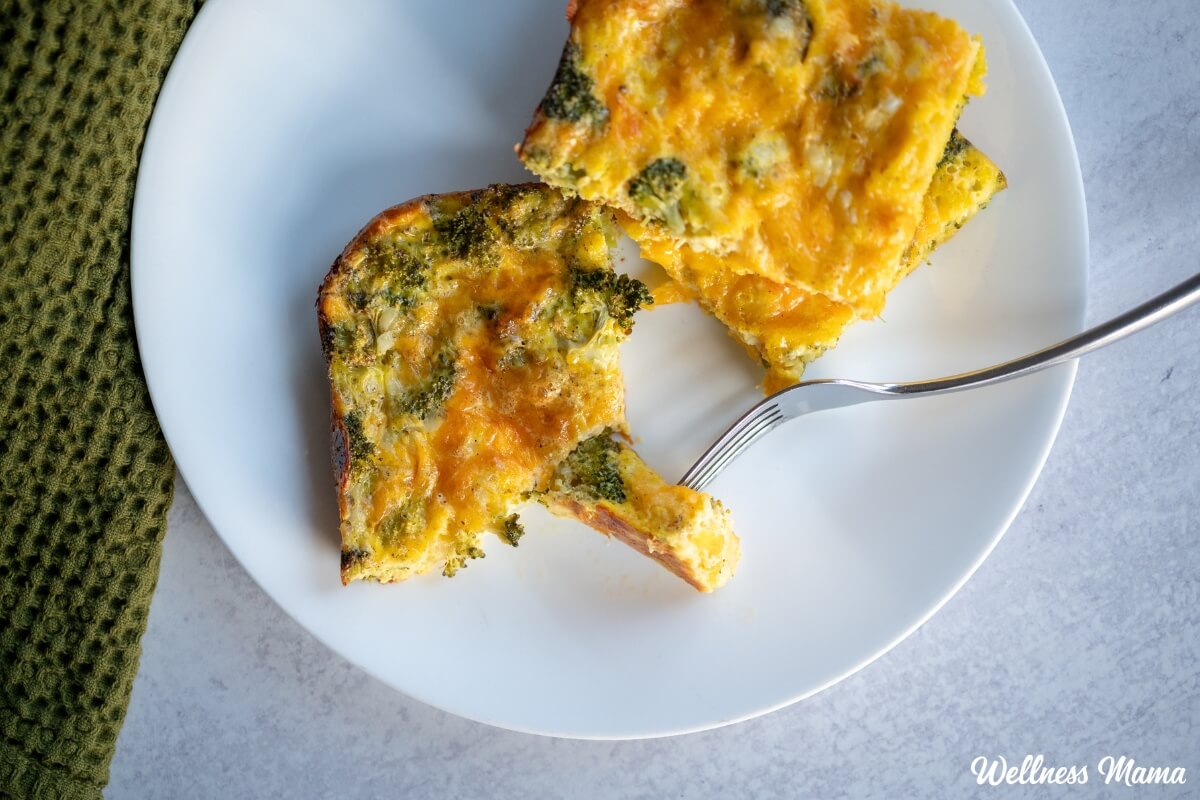
Furthermore, the integration of cottage cheese as a functional ingredient provides a unique benefit. Cottage cheese acts as a secondary protein source while providing a creamy mouthfeel that mimics heavy cream or fat-heavy binders, yet with a significantly lower caloric density. This substitution is essential for individuals managing metabolic health or those seeking to maintain a deficit for weight management without sacrificing meal volume.
Industrial Trends and Consumer Adoption
Market research indicates that the "breakfast casserole" category has seen a 12% increase in search and social media engagement since 2021. This trend is driven by two primary factors: the rising cost of pre-packaged, high-protein breakfast bars and a growing awareness of the additives—such as preservatives, stabilizers, and excessive sodium—found in store-bought prepared meals.
Professional chefs and nutritionists often point to the "forgiving nature" of egg bakes as a catalyst for their adoption. Unlike baking cakes or breads, which require precise chemical ratios, egg bakes are highly modular. The core ratio of eggs to binder (cottage cheese or yogurt) can accommodate various leftovers, frozen vegetables, or different protein sources (such as diced ham or turkey), making it a tool for household waste reduction.
Broader Economic and Health Implications
The widespread adoption of efficient breakfast meal prep has broader implications for public health. By standardizing a protein-rich morning meal, households are effectively reducing their reliance on ultra-processed breakfast alternatives. This shift aligns with the dietary guidelines published by the World Health Organization (WHO), which emphasize the importance of whole-food consumption in preventing chronic lifestyle diseases.
Moreover, the financial accessibility of the ingredients—eggs, frozen broccoli, and cheddar cheese—renders this meal prep strategy inclusive across varying income brackets. The cost-per-serving of an egg bake is substantially lower than that of a meal purchased from a commercial establishment, while providing a higher nutritional yield.
Practical Implementation and Quality Control
To achieve optimal results in a professional or domestic kitchen, adherence to specific thermodynamic principles is recommended. The "rest" phase is not merely a suggestion; it is a critical step in the cooking process. When the egg bake exits the oven, the proteins are still in a state of thermal expansion. Allowing the casserole to sit for 10 minutes ensures that the proteins contract and lock in the moisture, preventing the "watery" consistency that often plagues poorly executed egg dishes.
For long-term storage, the optimal method involves segmenting the casserole into individual portions once it has reached room temperature. Storing these portions in airtight glass containers preserves the moisture content. When reheating, the use of a toaster oven or air fryer is preferred over a microwave, as these methods utilize dry, circulating heat to crisp the edges of the cheese and maintain the structural integrity of the broccoli, preventing it from becoming overly soft or mushy.
Conclusion
The broccoli cheddar egg bake stands as a sophisticated solution to a modern problem: the need for a nutrient-dense, time-efficient breakfast that supports metabolic health. By combining the high-quality protein of eggs with the fiber and micronutrients of cruciferous vegetables, this dish provides a balanced foundation for the day. Its resilience in the face of meal-prep storage and its versatility in ingredient composition underscore its value in the contemporary diet. As consumers continue to prioritize health-conscious, self-prepared meals, the popularity of such structured, efficient, and nutrient-dense breakfast options is expected to remain a permanent fixture in the culinary landscape. Through the lens of nutritional science and domestic productivity, it is clear that the simple egg bake is an essential component of an optimized modern lifestyle.
Related posts: