Building Inclusive Bookshelves: Why Representation Matters in Children’s Literature and How to Diversify Your Reading List

The composition of children’s literature has long faced critical scrutiny regarding representation, equity, and cultural reflection. For decades, demographic surveys of published works for young readers have revealed a persistent imbalance, showing that stories overwhelmingly center on white, male, and non-disabled protagonists. In response to this ongoing homogeneity, educators, literacy experts, and parents are increasingly curating reading lists that intentionally incorporate diverse characters, varied family structures, and multi-ethnic perspectives. Examining the current landscape of children’s publishing reveals why diversifying bookshelves is critical for child development, how historical trends have shaped the industry, and which titles offer high-quality literature featuring inclusive representation.
The Landscape of Representation in Children’s Literature
Data compiled by literacy advocacy groups and academic researchers over the past twenty years consistently highlights a lack of diversity in mainstream children’s books. Studies conducted by organizations such as the Cooperative Children’s Book Center (CCBC) at the University of Wisconsin-Madison have historically tracked the race, gender, and background of characters in newly published children’s and young adult books. These reports indicate that while demographic shifts in Western societies have created increasingly multicultural classrooms and communities, published literature has been slow to mirror these realities.
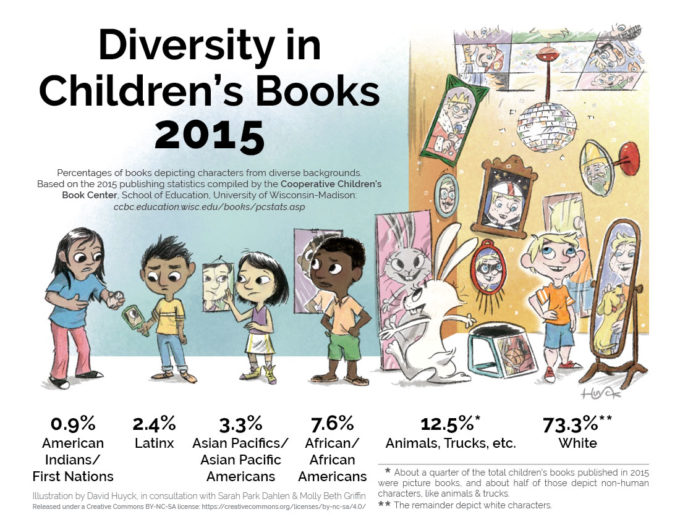
Historically, books featuring characters of color, individuals with disabilities, LGBTQ+ themes, or female protagonists in non-traditional roles have accounted for a disproportionately small fraction of total annual publications. Furthermore, even when analyzing books featuring anthropomorphic animals or fantasy creatures, industry trends show that central characters are predominantly coded as male. This systemic imbalance means that children from marginalized or underrepresented groups frequently struggle to find literary mirrors reflecting their own lived experiences, while children from dominant groups are rarely exposed to diverse perspectives through early storytelling.
Literary experts emphasize that books serve two primary functions for young readers: mirrors that reflect their own identities and windows that offer views into the lives of others. When children’s literature functions exclusively as a mirror for a select demographic, it can inadvertently reinforce social biases and limit empathy-building across different communities.

Historical Context and Industry Evolution
The discussion surrounding diversity in children’s literature gained significant institutional momentum in the mid-20th century, though meaningful systemic shifts have been gradual. Early milestones, such as the publication of Ezra Jack Keats’s The Snowy Day in 1962—which featured an African American boy as the protagonist and won the prestigious Caldecott Medal—proved that diverse stories could achieve widespread commercial and critical success. However, subsequent decades saw slow progress in diversifying the broader publishing pipeline.

In the 21st century, advocacy campaigns such as the "We Need Diverse Books" movement, launched in 2014, galvanized authors, illustrators, educators, and publishers to actively address the lack of representation. These initiatives pressured mainstream publishing houses to diversify editorial boards, scout underrepresented literary talent, and market inclusive books more aggressively. Despite these efforts, independent analyses reveal that while incremental progress has been made, parity across all categories of race, gender identity, neurodiversity, and physical ability remains far from realized.
Chronology of Advocacy and Milestones in Inclusive Publishing
Understanding the trajectory of inclusive children’s literature involves examining key milestones where cultural shifts intersected with publishing trends:
- 1962: Publication of The Snowy Day by Ezra Jack Keats, marking a rare early mainstream success for an African American protagonist winning top literary honors.
- 1980s–1990s: Gradual rise in multicultural publishing initiatives by specialized independent presses, though mainstream representation remains largely stagnant.
- 2014: Launch of the grassroots "We Need Diverse Books" campaign, bringing national attention to publishing industry demographics and sparking systemic reform efforts.
- 2015–Present: Increased industry tracking of diversity metrics, leading to a measurable rise in book awards granted to authors and illustrators of color, as well as stories featuring disabilities and diverse family structures.
Curated Reading Recommendations by Age Group
To assist parents, educators, and caregivers in diversifying children’s libraries without compromising literary quality, literacy advocates recommend specific titles that combine compelling storytelling with authentic representation across various developmental stages.
Books for Babies and Toddlers
Early childhood literature relies heavily on tactile engagement, rhythm, and visual development. Integrating diversity at this stage establishes baseline normalization for young minds.
- Not Quite Narwhal by Jessie Sima: A gentle story about a unicorn raised by narwhals who must navigate identity and belonging. The narrative goes beyond simple messages of difference to emphasize unconditional familial love.
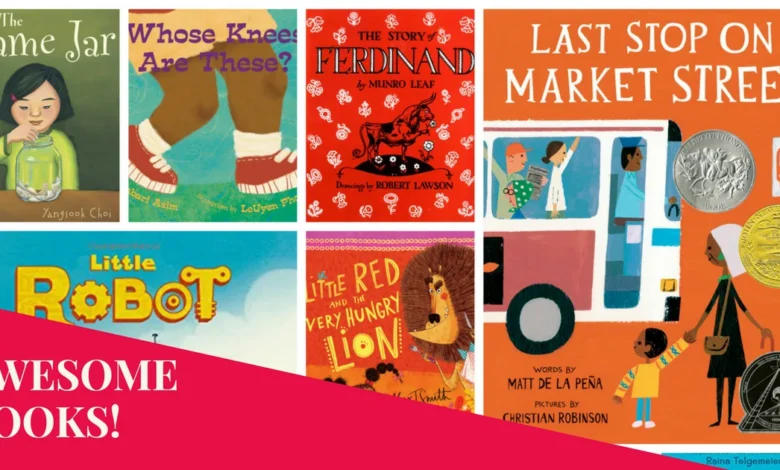
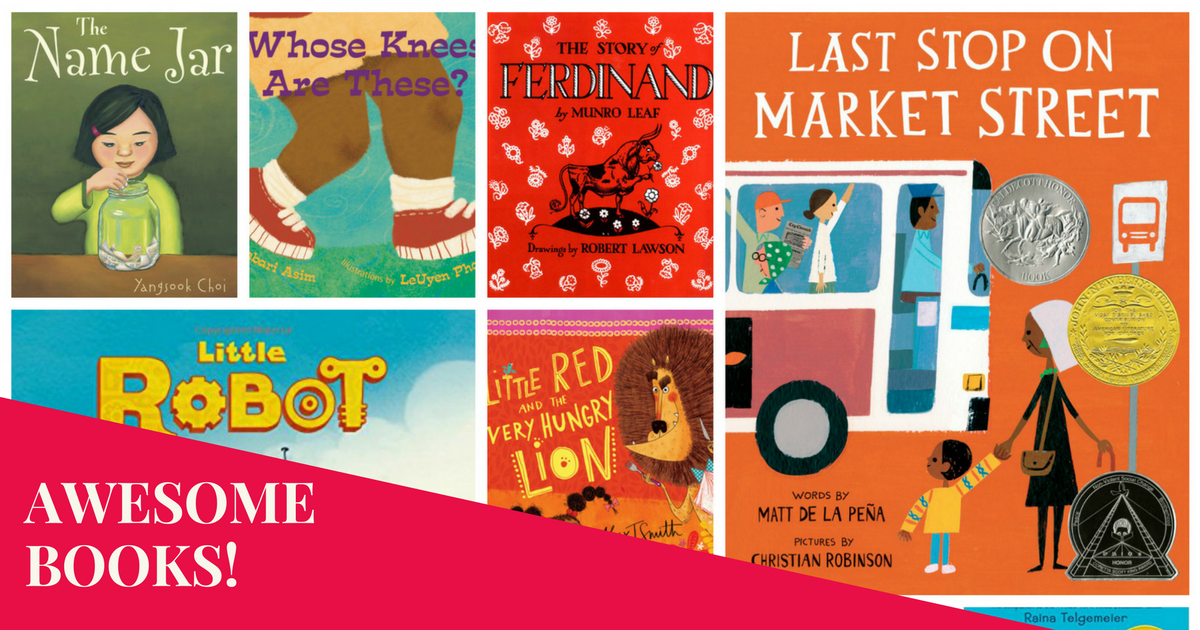
- Whose Knees Are These? by Jabari Asim, illustrated by LeUyen Pham: A rhythmic board book celebrating young bodies of diverse skin tones while assisting toddlers in identifying anatomical parts.
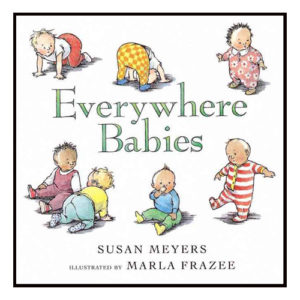
- Everywhere Babies by Susan Meyers, illustrated by Marla Frazee: A vibrant board book depicting infants across a wide spectrum of racial backgrounds, family configurations, and care environments.
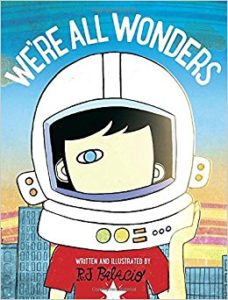
- We’re All Wonders by R.J. Palacio: Adapted from the bestselling novel Wonder, this picture book introduces younger audiences to themes of physical difference, empathy, and social inclusion through the perspective of a child with facial differences.
Books for Preschoolers
Preschool-aged children begin developing social awareness, empathy, and an understanding of community dynamics.
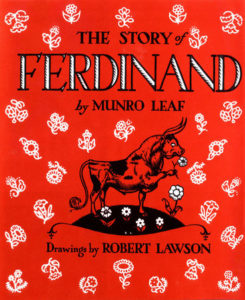
- The Story of Ferdinand by Munro Leaf: A classic, lyrical tale about a bull who prefers smelling flowers to fighting in the ring, challenging rigid expectations of gendered behavior and societal conformity.
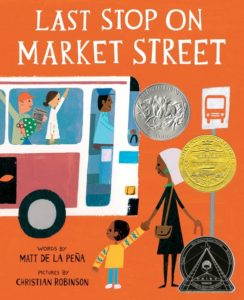
- Last Stop on Market Street by Matt de la Peña, illustrated by Christian Robinson: A Caldecott Medal-winning narrative following a young boy and his grandmother on a city bus ride, highlighting urban community life, socioeconomic diversity, and intergenerational wisdom.
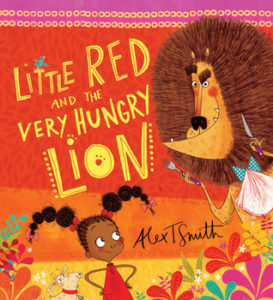
- Little Red and the Very Hungry Lion by Alex Smith: A humorous, jungle-themed retelling of Little Red Riding Hood that offers multicultural representation and a modernized plot emphasizing problem-solving over violence.
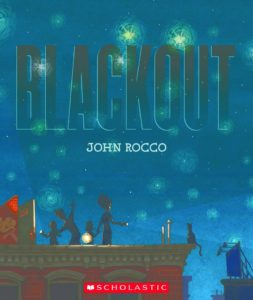
- Blackout by John Rocco: A virtually wordless graphic-style picture book capturing an urban family’s evening during a power outage, illustrating how modern distractions fade when technology is removed, encouraging familial connection.
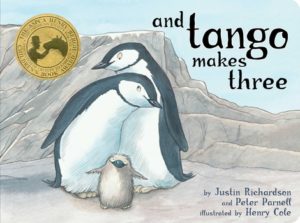
- And Tango Makes Three by Justin Richardson and Peter Parnell: A rare picture book addressing same-sex parenting through the true story of two male penguins at the Central Park Zoo raising an adopted chick together.
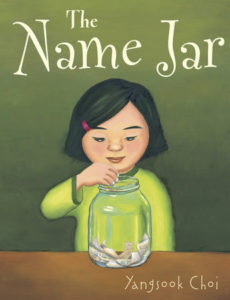
- The Name Jar by Yangsook Choi: A thoughtful exploration of cultural assimilation and identity, following a young Korean immigrant girl navigating a new school and the pronunciation of her given name.
Books for Older Children and Middle Grade Readers
As children develop independent reading habits, longer narratives allow for deeper exploration of complex themes, including neurodiversity, physical disabilities, and non-traditional family structures.
- Zita the Spacegirl by Ben Hatke: A graphic novel series featuring a courageous and resourceful female protagonist who embarks on interplanetary adventures, offering high-engagement storytelling for early and middle-grade readers.
- Mighty Jack by Ben Hatke: A contemporary graphic novel reimagining the classic Jack and the Beanstalk trope. The story prominently features Jack’s nonverbal autistic sister, Maddy, whose role is central to the plot, while also addressing single-parent households and complex sibling dynamics.
- El Deafo by Cece Bell: A Newbery Honor-winning graphic memoir depicting a young rabbit who loses her hearing after contracting meningitis. The narrative balances the social isolation and humor of navigating school with a hearing aid, alongside a rich internal fantasy life where the protagonist views herself as a superhero.
- Sisters by Raina Telgemeier: A semi-autobiographical graphic novel exploring sibling rivalry, family road trips, and the complexities of growing up with a younger sibling, serving as an accessible entry point into realistic contemporary fiction.
Implications and Analysis of Diverse Literature
The deliberate integration of diverse literature into children’s reading routines carries broad implications for psychological development, social cohesion, and educational outcomes. According to developmental psychologists, children begin noticing racial and physical differences as early as infancy. Without intentional exposure to accurate, positive representations of diverse populations, children are vulnerable to absorbing cultural stereotypes and implicit biases prevalent in media.
Conversely, empirical research in educational psychology suggests that reading diverse books fosters empathy, perspective-taking, and cross-cultural understanding. For children from marginalized backgrounds, seeing characters who share their racial identity, physical abilities, or family structure correlates with higher self-esteem and engagement in literacy programs.
Publishing industry analysts note that market demand for inclusive literature has influenced corporate publishing strategies. Major publishing houses increasingly recognize that diverse books are not merely niche educational tools, but commercially viable products that resonate with a broad, multicultural consumer base. However, industry watchdogs caution that tokenism remains a challenge, emphasizing the need for authentic representation written and illustrated by creators from the communities they depict.
Conclusion
Diversifying children’s literature is an ongoing effort that requires active participation from authors, publishers, educators, and parents. By examining current reading habits and consciously incorporating books that reflect the full spectrum of human experience, adults can foster environments where empathy, inclusion, and a love of reading thrive side by side. As the publishing landscape continues to evolve, the expansion of accessible, high-quality diverse literature remains a vital component of modern child development and cultural literacy.