Cultivating Inclusive Excellence: Essential Mindset Shifts for the Modern Educator

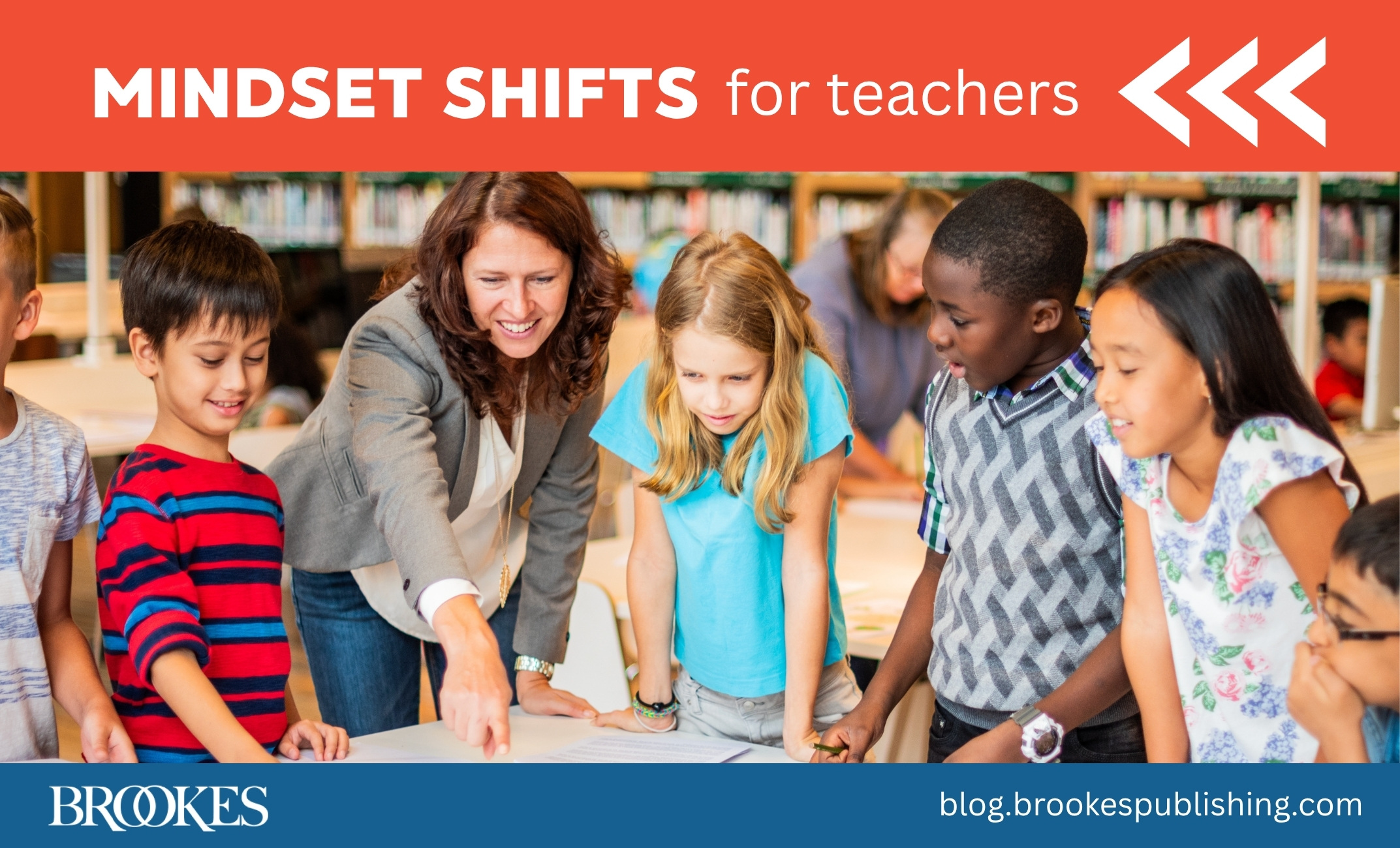
The landscape of modern education is undergoing a profound transformation as schools move away from historical models of segregation toward robust, inclusive environments. As classrooms become increasingly diverse, the pedagogical approaches of the 20th century are proving insufficient for the needs of 21st-century learners. Recent research from organizations such as the Brookes Publishing network suggests that the success of inclusive education relies less on specific hardware or digital tools and more on the fundamental psychological frameworks adopted by educators. By shifting from a deficit-based model to a strengths-based, inclusive perspective, teachers are finding improved outcomes for students with disabilities, those experiencing trauma, and neurodivergent learners.
The Evolution of Inclusion: A Historical Context
For decades, the educational system operated on a "pull-out" model, where students with diverse learning needs were systematically separated from their peers. This approach was largely rooted in the medical model of disability, which viewed a student’s impairment as a problem to be "fixed" or accommodated in isolation. However, the legislative push—spearheaded by the Individuals with Disabilities Education Act (IDEA)—has gradually shifted the mandate toward the Least Restrictive Environment (LRE).
Despite these legal requirements, the implementation of inclusion often falters at the implementation level. Experts in the field, such as Jenna Rufo and Julie Causton, argue that while policy has moved forward, individual classroom mindsets have lagged. The transition from a "deficit lens"—which catalogs what a student cannot do—to a "competence-based lens" represents the current frontier in educational reform.
Presuming Competence as the Foundation
The most critical shift identified by educational psychologists is the move to presume competence. This principle dictates that educators should assume every student is capable of learning and participating, regardless of their current communication methods or physical movement. The "least dangerous assumption" is that a student possesses latent intelligence and potential; failing to act on this assumption risks limiting a student’s access to the curriculum, whereas overestimating competence provides the necessary runway for growth.
Data from longitudinal studies on inclusive classrooms suggest that when educators presume competence, students show higher rates of academic engagement and social integration. Conversely, when students are pigeonholed by their diagnoses, the resulting low expectations become a self-fulfilling prophecy.
Addressing the Deficit Lens in Modern Pedagogy
A significant barrier to student achievement remains the traditional deficit-based reporting used in Individualized Education Programs (IEPs) and daily assessments. Modern inclusive practices advocate for a complete re-framing of student profiles. For example, rather than labeling a student as "non-compliant" or "unable to follow instructions," a strengths-based approach identifies the student as an "independent thinker who requires systematic scaffolding to follow complex, multi-step daily directions."
This linguistic shift is not merely performative; it fundamentally changes the teacher’s role from a disciplinarian to a facilitator of support. By identifying a student’s specific support needs rather than their perceived deficits, educators can design personalized interventions that address the student’s unique learning profile.

The Variability Perspective: Moving Beyond Rigid Standards
In the traditional classroom, standardized assignments—such as a written report on the rotational relationships of the sun, Earth, and moon—often act as an unintentional gatekeeper. For a student with dysgraphia, English language learning barriers, or executive functioning challenges, the requirement of a written report creates a structural failure that is unrelated to their actual understanding of the scientific concept.
The "variability perspective" encourages teachers to design goals that are clear on the objective but flexible in the execution. In this model, the goal remains the understanding of planetary rotation, but the methods of demonstration are varied:
- Multimodal Input: Providing video modeling and visual aids alongside traditional reading.
- Peer Collaboration: Utilizing structured brainstorming to assist with project planning.
- Diverse Output: Allowing students to demonstrate mastery through verbal description, digital modeling, or physical projects.
This approach aligns with Universal Design for Learning (UDL), which emphasizes that a "one size fits all" curriculum is inherently exclusionary. By building in options from the outset, educators reduce the need for retroactive, individualized accommodations, thereby creating a more equitable learning environment for the entire cohort.
Trauma-Informed Responses: Can’t vs. Won’t
The rise in trauma-sensitive education has brought new awareness to the "downstairs brain" response—a term used to describe the activation of the amygdala in response to perceived threats, which triggers fight, flight, or freeze reflexes. Educators like Jen Alexander have highlighted that many behaviors misinterpreted as "defiance" are actually physiological responses to stress.

When a student enters a state of dysregulation, traditional punitive measures—such as loss of recess or behavioral charts—are not only ineffective but potentially harmful. They exacerbate the student’s sense of insecurity and further impede their ability to regulate. Experts argue that the distinction between a "can’t" (a physiological inability to comply) and a "won’t" (a willful choice to be non-compliant) is the difference between a punitive school culture and a restorative one. A "can’t" requires safety, co-regulation, and support; a "won’t" is a behavioral issue that might be addressed through classroom management.
Rethinking Attention and Special Interests
The historical tendency to pathologize "attention-seeking" behavior is being replaced by a more nuanced understanding of human social needs. When students seek out adult connection, it is increasingly viewed as a healthy pursuit of necessary support. By building in scheduled one-on-one time, teachers can satisfy this need before it manifests as disruptive behavior.
Furthermore, the integration of special interests into the core curriculum is a proven strategy for increasing engagement. The work of Paula Kluth, an advocate for inclusive education, demonstrates that what many call "distractions"—such as an intense obsession with trains or pop culture—can serve as the bridge to academic literacy. If a student is motivated by train schematics, they can be tasked with calculating the physics of train speeds or reading historical accounts of the Transcontinental Railroad. This approach honors the student’s identity while meeting mandated learning standards.
The Role of Empathy in Educational Leadership
Perhaps the most human-centric shift is the "think like a parent" heuristic. When an educator encounters a student whose behavior is particularly challenging, they are encouraged to pause and reflect on the student’s history, recognizing that the child is the product of a lifetime of experiences, struggles, and personal development. Viewing a student through the lens of a primary caregiver—someone who values the child’s humanity above their performance—shifts the teacher’s response from one of frustration to one of clinical curiosity and empathy.

Broader Implications and Future Outlook
The implications of these mindset shifts are significant for the broader educational system. As schools face mounting pressure to improve standardized test scores while simultaneously addressing the mental health crisis among youth, the move toward inclusion is not just a moral imperative—it is a functional necessity.
Recent data from the U.S. Department of Education indicates that inclusive classrooms see higher graduation rates for students with disabilities and improved social-emotional outcomes for students in general education. The transition requires a sustained investment in professional development, as shifting these deeply ingrained habits of thought takes time and institutional support.
In conclusion, the path toward inclusive excellence requires a systemic departure from the "deficit-based" educational legacy. By adopting a framework of presumed competence, embracing learner variability, and responding to behavior with trauma-informed empathy, educators can foster environments where all students are positioned to succeed. The transformation is not about doing more; it is about doing things differently—prioritizing the humanity of the student at every step of the pedagogical process. As the field continues to evolve, the integration of these evidence-based strategies will remain the cornerstone of effective, equitable, and forward-thinking instruction.
Related posts: