Strategies for Inclusive Classroom Design A Comprehensive Guide to Equitable Lesson Planning and Student Success

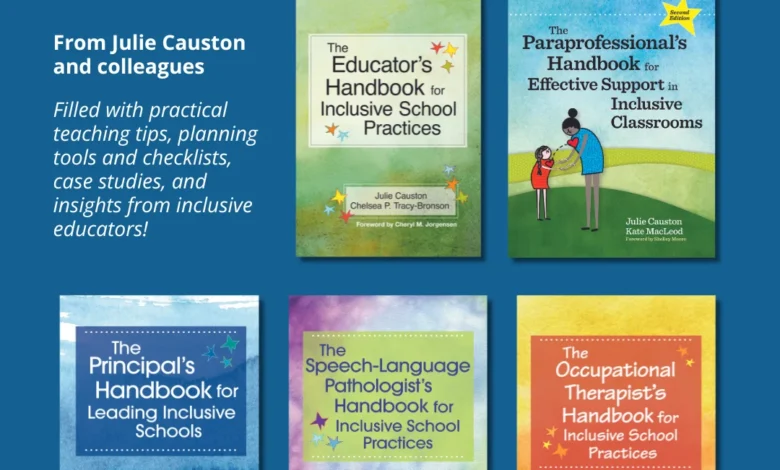
The evolution of the modern American classroom has reached a critical juncture where diversity is no longer an outlier but the standard, necessitating a fundamental shift in pedagogical approaches to ensure that every student, regardless of ability or background, receives a high-quality education. As educational institutions grapple with increasing neurodiversity, varying English language proficiency, and a wide spectrum of socio-economic backgrounds, the demand for practical, scalable frameworks for inclusion has never been higher. Building on the foundational principles established in The Educator’s Handbook for Inclusive School Practices by Julie Causton and Chelsea P. Tracy-Bronson, education experts are now emphasizing a six-step methodology designed to transform traditional lesson planning into a dynamic, accessible process that serves all learners from the first day of the academic year.
The Paradigm Shift in Inclusive Education
The landscape of special education and general classroom integration has shifted significantly since the reauthorization of the Individuals with Disabilities Education Act (IDEA) and the implementation of the Every Student Succeeds Act (ESSA). These legislative frameworks mandate that students with disabilities be educated in the "least restrictive environment" (LRE), which, for the vast majority of students, is the general education classroom. According to the National Center for Education Statistics (NCES), approximately 67% of students with disabilities spend 80% or more of their school day in general education settings. This statistical reality underscores the urgency for general education teachers to possess the tools necessary to differentiate instruction effectively.
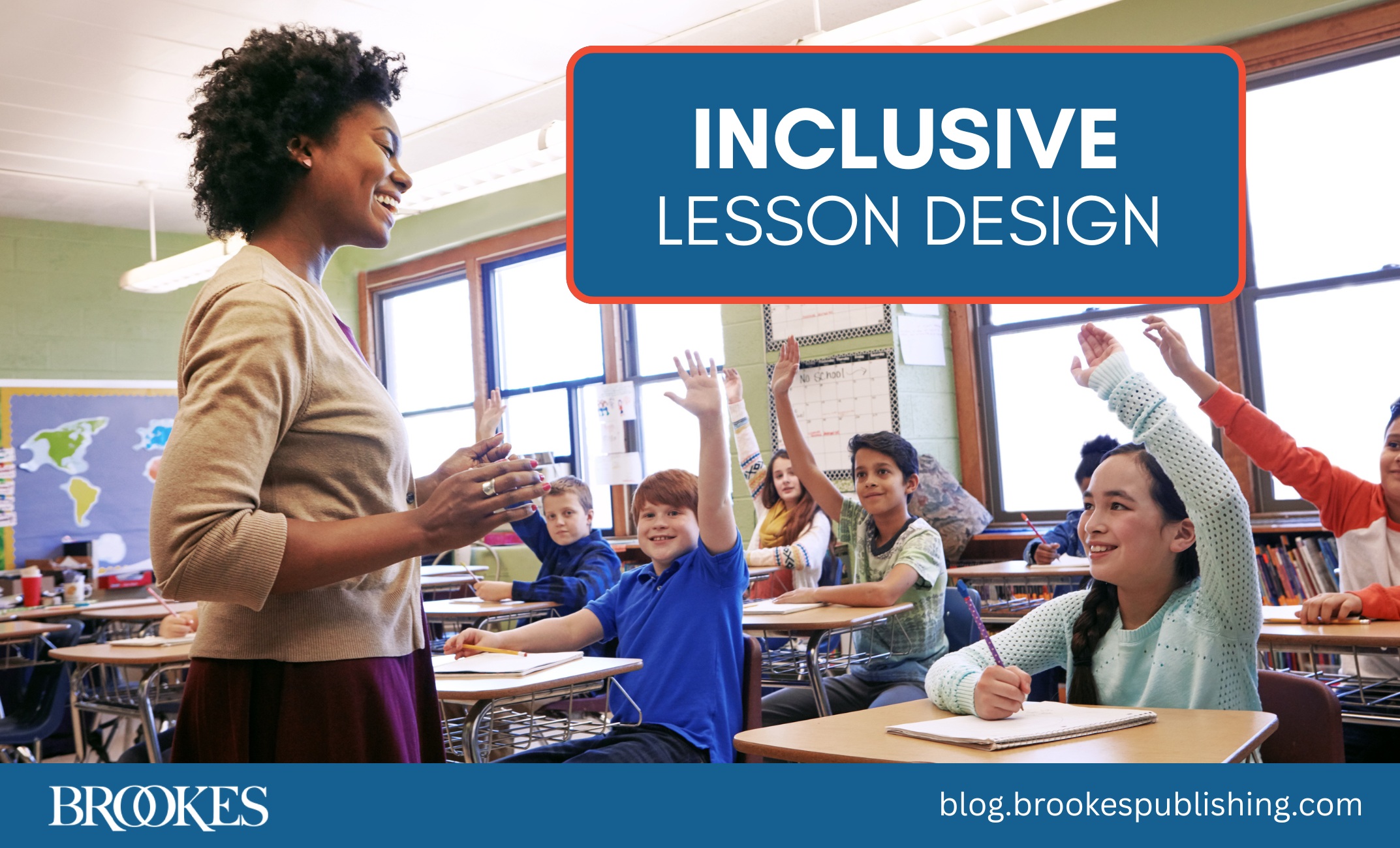
The methodology proposed by Causton and Tracy-Bronson moves away from the "retrofitting" model—where lessons are designed for a mythical "average" student and then modified for others—and toward a Universal Design for Learning (UDL) approach. This proactive strategy ensures that accessibility is baked into the lesson’s DNA, reducing the stigma of modification and increasing engagement across the board.
Step 1: The Development of Positive Student Profiles
The cornerstone of inclusive design is a deep, empathetic understanding of the student body. Educators are encouraged to move beyond the deficit-based language often found in Individualized Education Programs (IEPs) and instead construct Positive Student Profiles. This process begins by identifying three students who represent the diverse academic, behavioral, and social spectrum of the class.
A Positive Student Profile is a holistic document that captures a student’s strengths, interests, and successful triggers alongside their challenges. By documenting what a student "can do" rather than focusing solely on what they "cannot do," teachers can leverage a student’s passions—such as a love for graphic novels or a talent for mechanical assembly—to bridge gaps in traditional literacy or mathematics. This step requires teachers to consider communication styles, sensory needs, and social dynamics, ensuring that the lesson plan accounts for the human element of the classroom before the curriculum is even addressed.
Step 2: Alignment with Rigorous Content Standards
Inclusion does not imply a watering down of the curriculum. On the contrary, effective inclusive practices are rooted in high expectations and state-mandated standards. The second action in this framework requires teachers to conduct a thorough analysis of the standards they intend to teach. By identifying the "Big Ideas" and essential questions within a unit, educators can determine exactly what every student should know and be able to do.
This stage involves deconstructing complex standards into manageable learning targets. For instance, if a middle school science standard involves understanding the laws of thermodynamics, the teacher must decide the core conceptual takeaway for all students while allowing for various depths of complexity. This ensures that even as students may be working on different tasks, they are all moving toward the same rigorous academic destination.
Step 3: Divergent Thinking and Instructional Structures
The third step challenges the traditional lecture-based model of teaching by requiring "divergent thinking." This involves brainstorming a multitude of ways to deliver content and an equal number of ways for students to demonstrate mastery. In an inclusive classroom, the "one-size-fits-all" assessment is replaced by a menu of options.

Divergent thinking encourages the use of concept webs, cooperative learning structures, and multi-modal instruction. For example, a lesson on the American Civil War might be delivered through a combination of primary source analysis, tactile map building, and digital storytelling. When students are given the agency to choose how they demonstrate their knowledge—whether through a written essay, a recorded podcast, or a visual diorama—engagement levels typically see a marked increase. This approach recognizes that a student’s inability to write a traditional five-paragraph essay does not necessarily reflect their lack of understanding of the historical content.
Step 4: The Construction of a Comprehensive Learning Plan
Developing the actual learning plan is the most labor-intensive phase of the process. A robust inclusive learning plan must integrate scaffolds and supports directly into the instructional sequence. Based on modern best practices, a comprehensive plan should include:
- Anticipatory Sets: Engaging hooks that activate prior knowledge for all students, including those with limited background experience in a topic.
- Varied Grouping Strategies: The use of flexible grouping, such as "Think-Pair-Share" or "Clock Partners," to ensure students can learn from their peers.
- Scaffolded Materials: Providing graphic organizers, sentence starters, and visual aids as standard options for the entire class, not just those with identified disabilities.
- Technology Integration: Utilizing assistive technologies like text-to-speech, speech-to-text, and interactive simulations to remove barriers to information.
- Explicit Modeling: Using "Think-Alouds" to demonstrate the cognitive processes required to solve a problem or analyze a text.
By embedding these elements into the daily routine, teachers create a predictable environment where students feel safe taking academic risks.

Step 5: Continuous Assessment and Data-Driven Instruction
Assessment in an inclusive classroom is an ongoing, formative process rather than a final, summative event. To monitor progress effectively, educators must employ a variety of "checks for understanding." This might include:
- Exit Tickets: Quick, daily assessments that provide immediate data on student mastery.
- Observational Checklists: Systematic tracking of student participation and behavior during group work.
- Self-Assessment Tools: Encouraging students to reflect on their own learning process and identify areas where they need more support.
- Peer Feedback: Teaching students how to provide constructive critiques to one another, fostering a collaborative learning community.
This data is then used to adjust instruction in real-time. If the data shows that a significant portion of the class is struggling with a concept, the teacher can pivot to a different instructional strategy the following day, preventing students from falling behind.
Step 6: Critical Reflection and Collaborative Debriefing
The final stage of the inclusive cycle is perhaps the most vital for long-term professional growth: debriefing and reflection. Inclusive education is rarely a solitary endeavor; it often involves a team of general educators, special educators, paraprofessionals, and therapists.

During the debriefing process, the educational team should analyze the effectiveness of the instructional strategies and materials used. Key questions include:
- Were the planned supports sufficient for the students identified in Step 1?
- Did the physical and digital environment facilitate or hinder learning?
- What unexpected barriers arose during the lesson?
Crucially, this step involves the students themselves. By asking students what helped them succeed and what they found difficult, teachers gain invaluable insights into the student experience. This feedback loop ensures that the next lesson plan is even more refined and responsive than the last.
Statistical Context and the Case for Inclusion
The transition toward these inclusive practices is supported by a growing body of research. A study published in the Journal of Special Education found that students with disabilities who were included in general education classrooms performed significantly better on standardized tests in reading and math compared to their peers in segregated settings. Furthermore, the benefits extend to neurotypical students; research indicates that students without disabilities in inclusive classrooms develop higher levels of empathy, improved social skills, and a deeper understanding of diverse perspectives without any loss of academic achievement.
According to data from the American Institutes for Research (AIR), inclusive education also has long-term economic implications. Students who graduate from inclusive environments are more likely to pursue post-secondary education and secure competitive employment, reducing long-term reliance on social support systems.
Implications for School Districts and Leadership
The implementation of the framework outlined by Causton and Tracy-Bronson requires more than just individual teacher effort; it necessitates systemic support from school leadership. Districts that have successfully moved toward full inclusion often provide dedicated co-planning time for teachers, ongoing professional development in UDL, and a culture that celebrates diversity as an asset rather than a challenge.
As school districts face teacher shortages and increasing classroom complexity, these six actions provide a roadmap for sustainability. By designing lessons that are accessible from the start, teachers can reduce the time spent on individualized modifications and crisis management, allowing them to focus on the joy of teaching and the success of every learner in the room.

The shift toward inclusive practices is not merely a pedagogical trend but a civil rights imperative. By adopting these six actions—Positive Student Profiles, Standards Alignment, Divergent Thinking, Comprehensive Learning Plans, Continuous Assessment, and Critical Reflection—educators can ensure that the promise of an equitable education is fulfilled for every student who walks through their doors. The work of Causton and Tracy-Bronson serves as a vital reminder that when we design for the margins, we create a better learning experience for everyone.
Related posts: