Chicken Taco Pasta: A Culinary Fusion Reshaping Modern Home Cooking

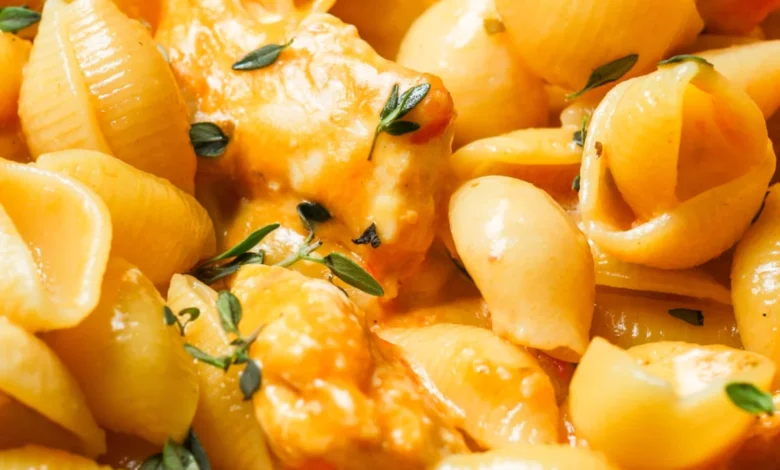
The culinary landscape of the mid-2020s has seen a significant shift toward efficiency and "fusion-at-home" dining, as evidenced by the rising popularity of the Chicken Taco Pasta. This dish represents a broader trend in domestic food preparation: the integration of high-protein, globally inspired flavor profiles into the traditional comfort food staple of pasta. By consolidating the preparation of two distinct meal categories—the zest-forward profile of Mexican-inspired tacos and the creamy, satiating nature of Italian pasta—into a single-skillet format, this recipe addresses the growing consumer demand for time-sensitive, nutritionally balanced weeknight dinners.
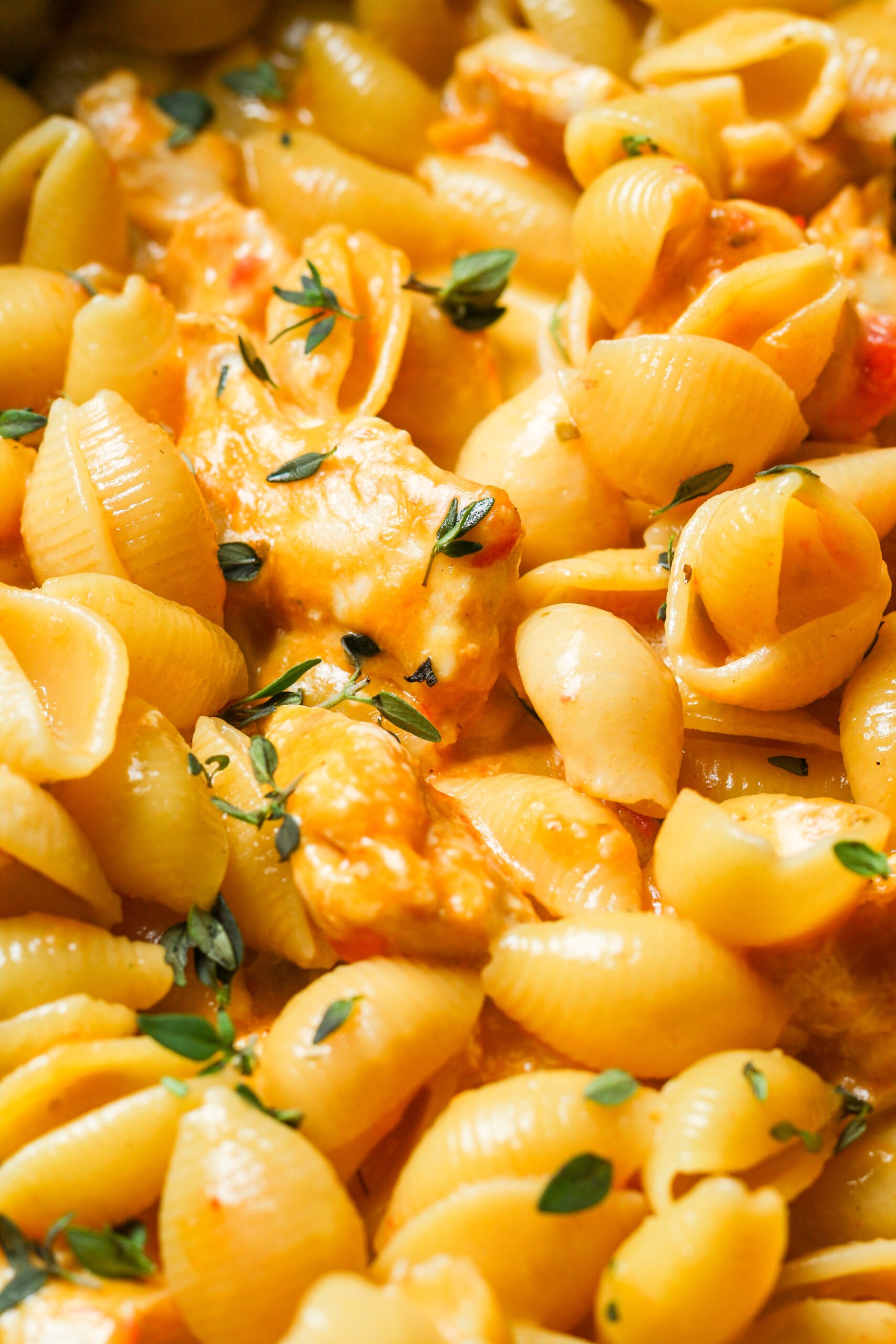
The Evolution of the One-Pan Movement
The emergence of one-pan recipes, such as the Chicken Taco Pasta, coincides with a marked increase in the time constraints faced by the average household. Data from national lifestyle surveys conducted throughout 2024 and 2025 indicate that "time-poor" demographics are increasingly prioritizing recipes that reduce cleanup time by 40% or more. The one-pan methodology, which utilizes the starch content of the pasta to thicken the sauce simultaneously with the cooking of the protein, has become a standard in modern home economics.
Historically, pasta and taco meat were prepared separately, requiring multiple heat sources and vessels. The transition to a unified, single-skillet preparation marks a technical departure from traditional methods. This shift is not merely stylistic; it is rooted in chemistry. By cooking pasta directly in a seasoned broth and dairy base, the starch released by the pasta binds with the fats and proteins in the sauce, creating a homogeneous, velvety consistency that would traditionally require a separate roux or reduction.
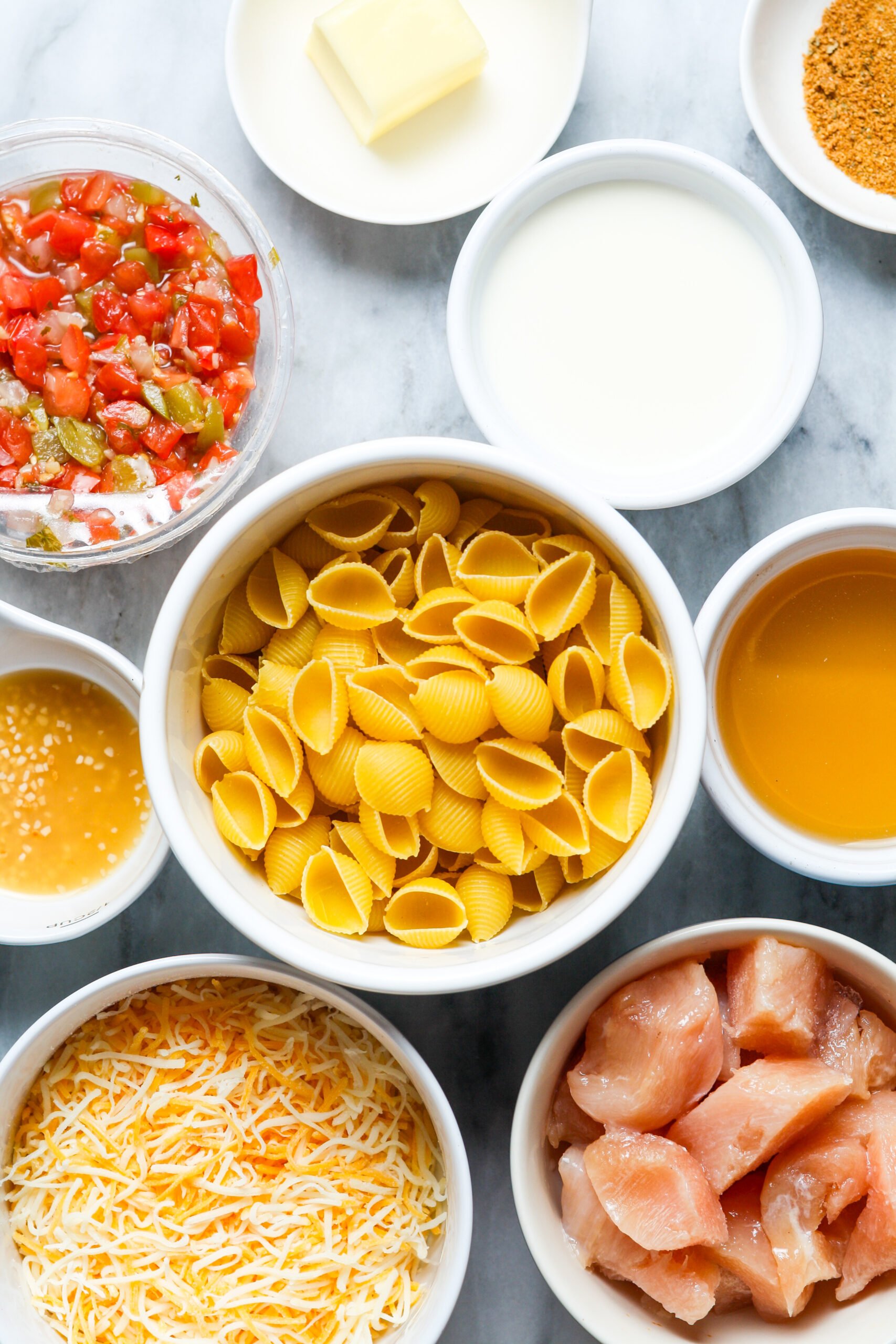
Technical Breakdown: The Chemistry of the Dish
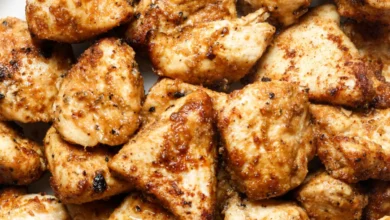
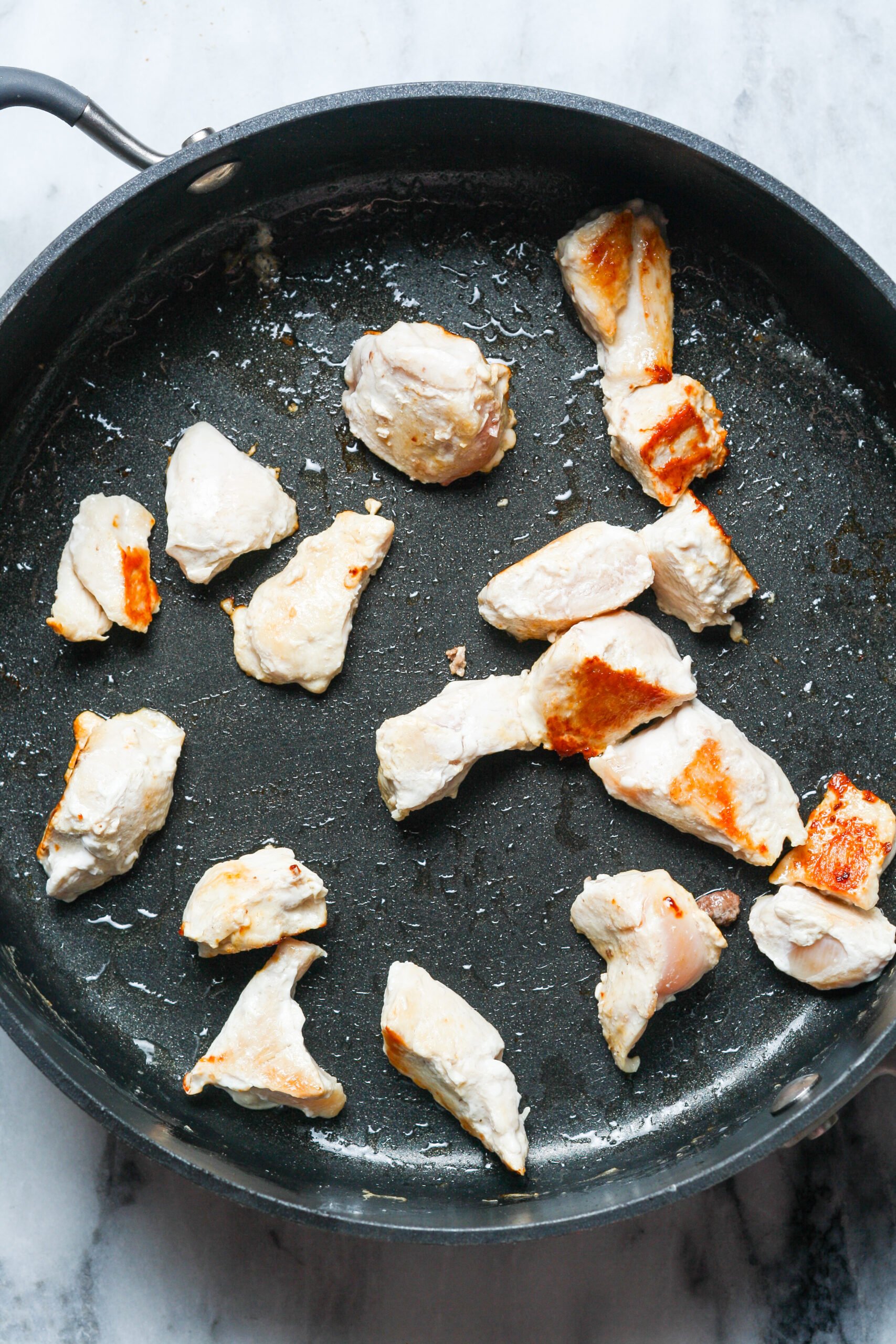
The preparation of this dish follows a strict procedural sequence designed to maximize flavor development while minimizing equipment usage. The process begins with the browning of protein—typically cubed chicken breast or thighs—in a butter-based medium. The Maillard reaction, which occurs during this searing phase, provides the foundational savory notes of the dish.
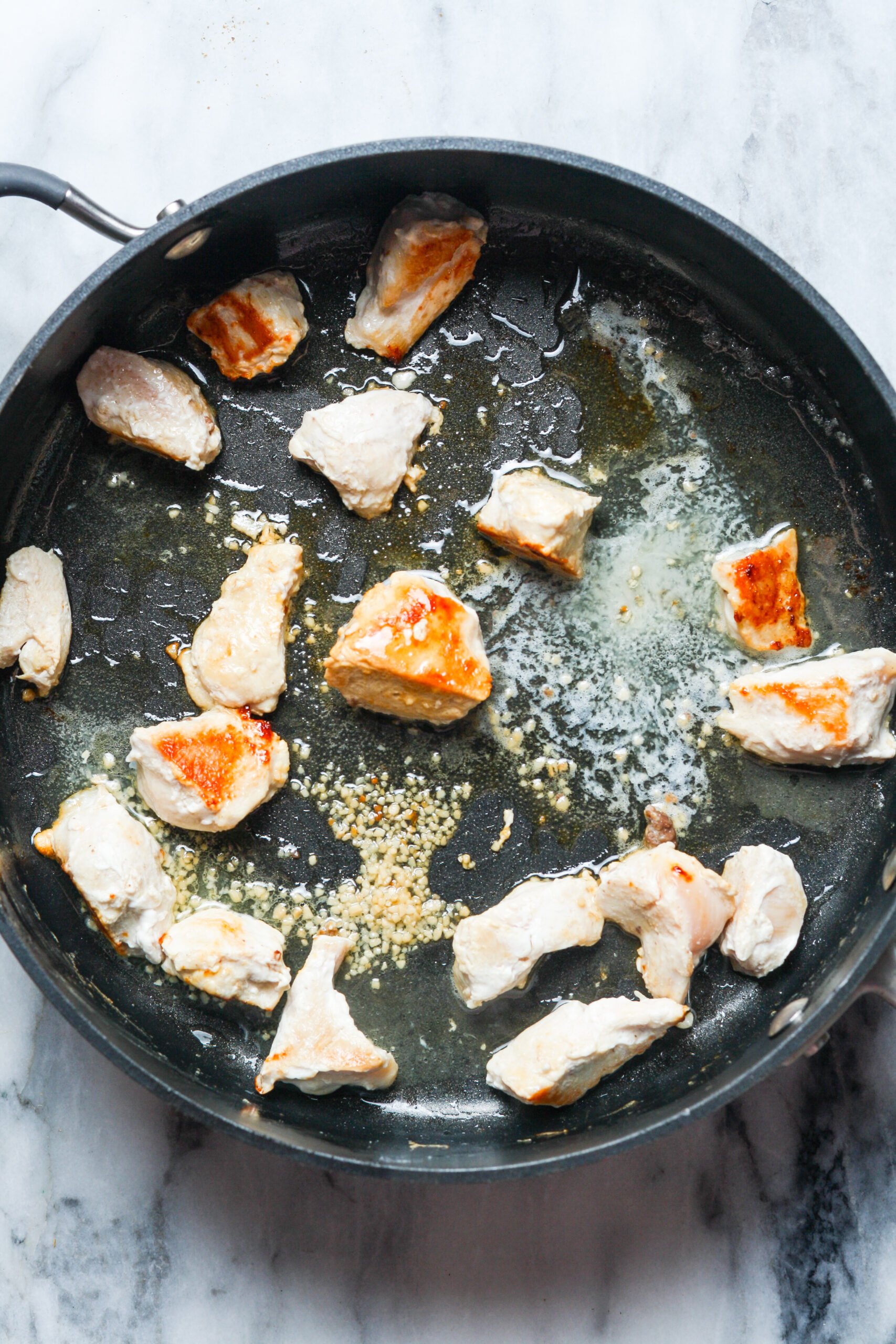
- Protein Sealing: The chicken is sautéed in butter, allowing for uniform browning. This step ensures that the meat remains tender while providing a browned base for the subsequent aromatics.
- Aromatic Infusion: The addition of garlic and spices during the secondary sauté stage releases volatile oils, which are then captured by the remaining fat in the pan.
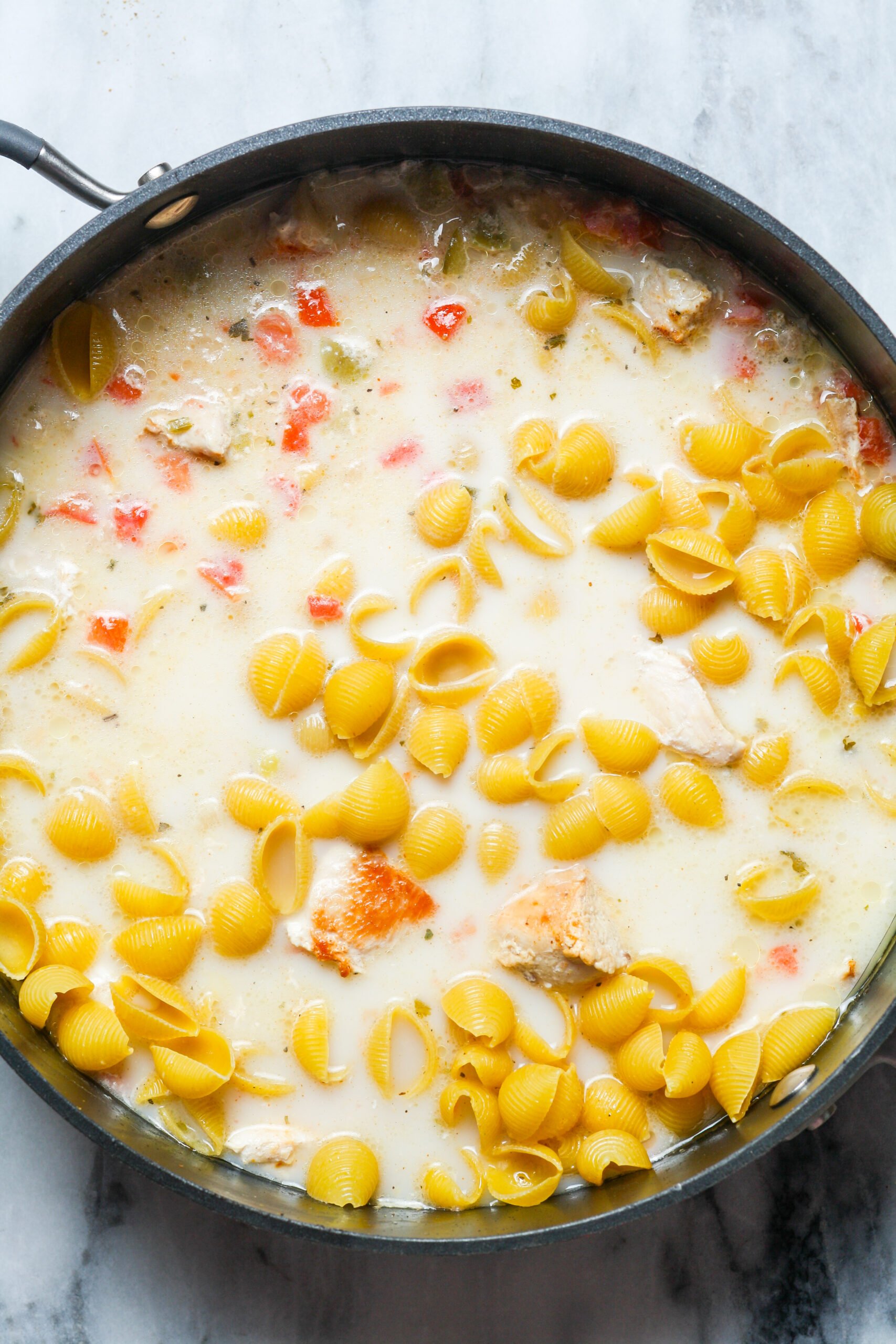
- The Hydration Phase: By introducing chicken broth, milk, and canned tomato products (such as Rotel) at a precise ratio, the cook establishes a braising liquid. The acidity of the tomatoes balances the richness of the dairy, a pairing that has become a hallmark of modern "Tex-Mex-Italian" fusion.
- Starch Integration: The addition of pasta shells serves a dual purpose. As the pasta reaches an al dente texture, it simultaneously leaches starch into the liquid, effectively thickening the sauce without the need for additional flour or cornstarch.
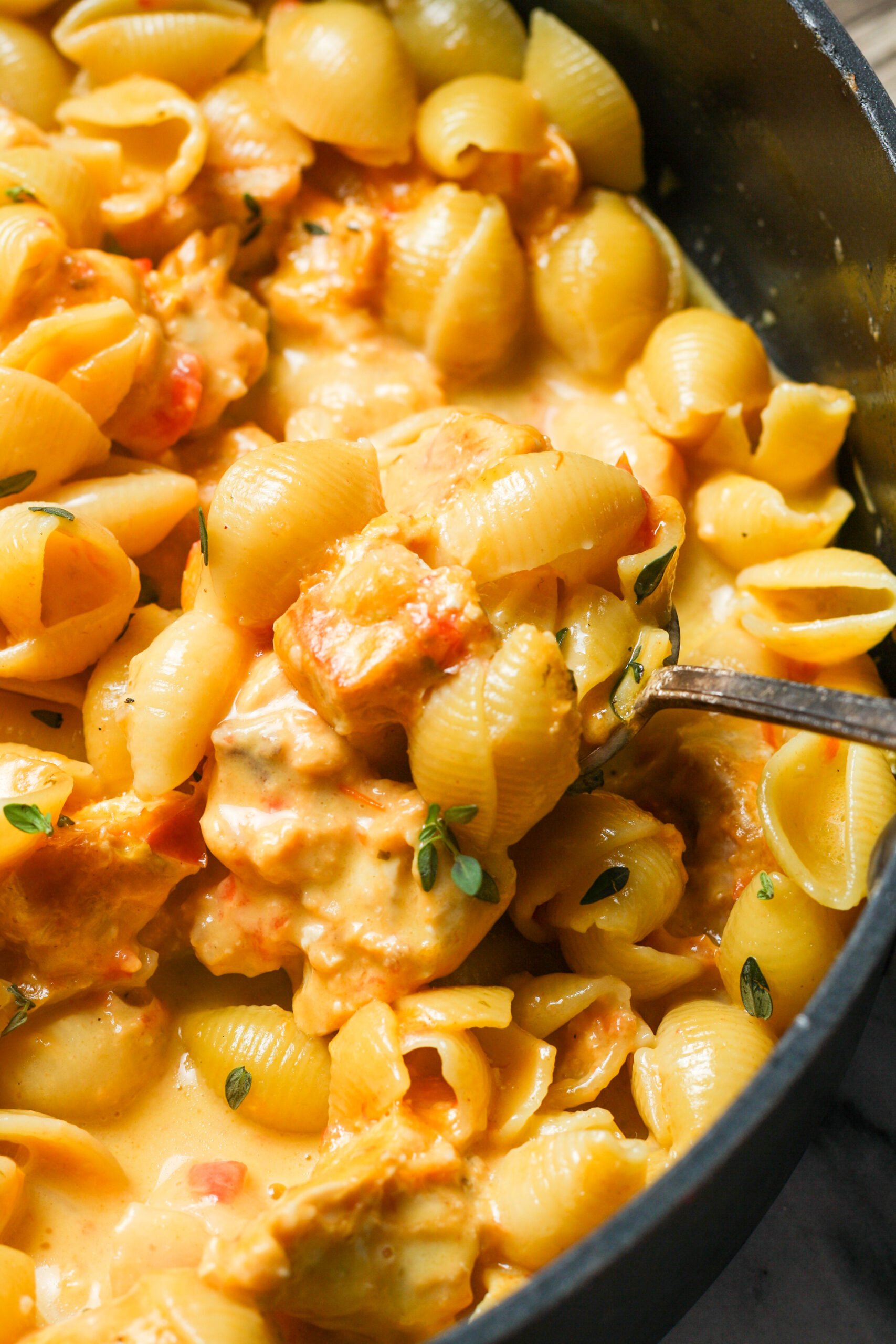
- Emulsification: The final addition of shredded cheese—typically a blend of mozzarella or Monterey Jack—is performed at low heat. This prevents the proteins in the cheese from separating or "breaking," resulting in a stable, cohesive sauce.
Nutritional Context and Ingredient Selection
Dietary experts and nutritionists have noted that the shift toward whole-grain pasta and leaner protein sources within this recipe format reflects a broader public health interest. While the dish is categorized as "comfort food," the ability to swap ingredients allows for significant nutritional customization.
The use of whole-wheat pasta, for instance, increases the fiber content of the meal, which aids in digestion and blood sugar regulation. Furthermore, the inclusion of fresh herbs and, in some variations, diced vegetables like bell peppers or corn, introduces necessary micronutrients. Market research suggests that families choosing to cook this meal at home are often motivated by the desire to control sodium levels—a significant advantage over pre-packaged, shelf-stable "taco pasta" kits, which are frequently criticized for excessive preservatives and high sodium content.
Economic and Logistical Implications
From a budgetary standpoint, the Chicken Taco Pasta is highly efficient. By utilizing basic pantry staples—dried pasta, canned broth, and common spice blends—the cost per serving remains significantly lower than comparable dining-out options. This economic efficiency has contributed to the dish’s popularity during inflationary periods, where households seek to maximize the utility of their grocery budgets.
Moreover, the versatility of the recipe allows for the utilization of leftovers. The recipe is inherently "forgiving," meaning it can accommodate a variety of proteins, including ground turkey, pork, or even plant-based substitutes. This flexibility reduces food waste, as the sauce profile can easily mask the slight textural differences between various proteins.
Expert Perspectives on Culinary Fusion
Food scientists and chefs often debate the legitimacy of such fusion dishes. However, culinary historians point out that global cuisine has always been fluid. The adoption of taco seasoning—a blend of chili powder, cumin, and oregano—into a pasta dish is a logical progression of the American palate.
"The modern home kitchen is a laboratory of necessity," explains a researcher specializing in food systems. "The Chicken Taco Pasta is successful because it taps into ‘flavor memory.’ Diners recognize the comfort of pasta and the excitement of taco spice. When you combine them, you aren’t creating something entirely new; you are optimizing the satisfaction derived from two familiar experiences."
Best Practices for Optimal Preparation
To achieve the intended culinary result, kitchen experts emphasize the importance of temperature control. Because the dish relies on a dairy base, high heat can lead to the curdling of the milk or the separation of the cheese. Maintaining a consistent, low-to-medium heat during the final stages of the process is essential.
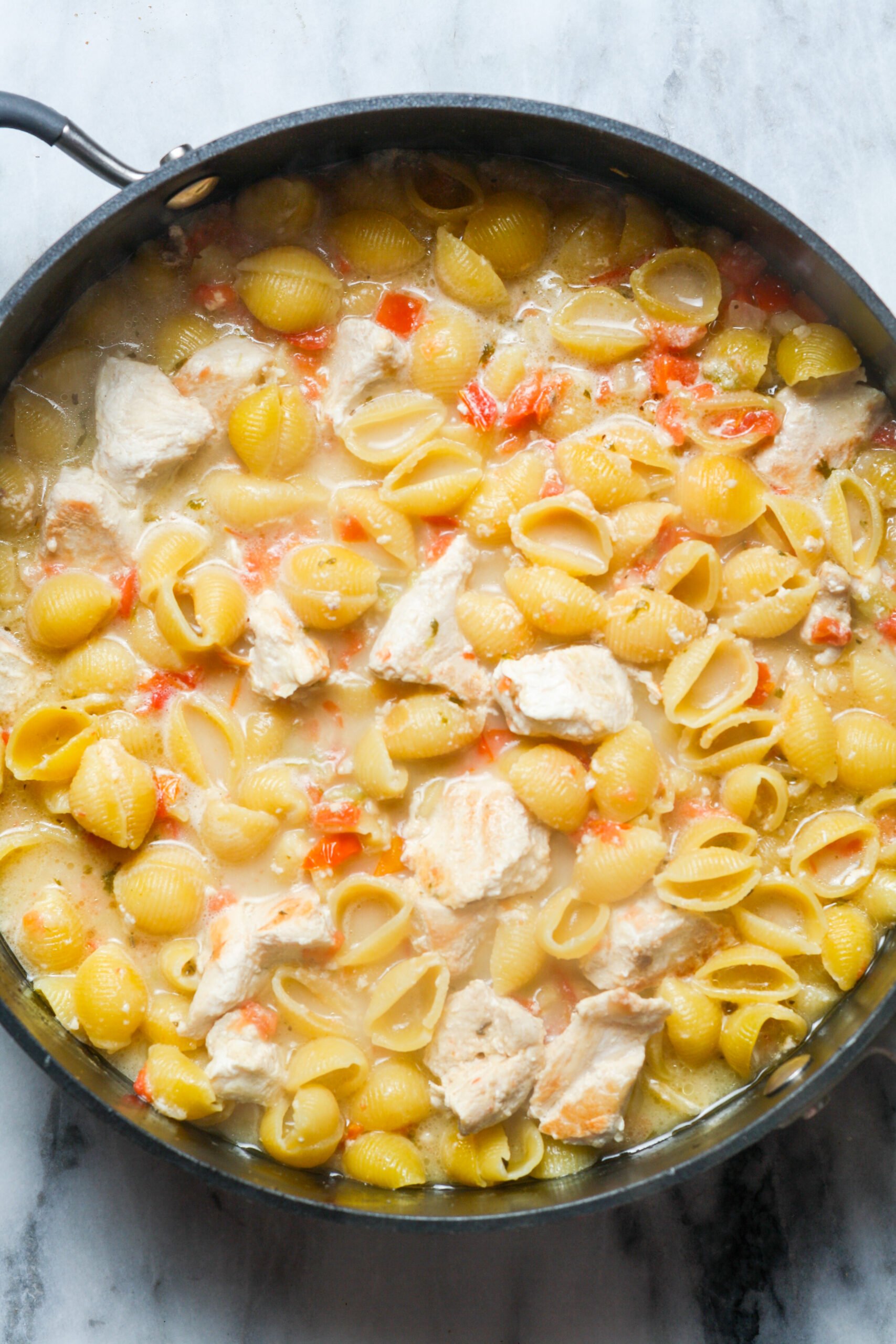
Additionally, the choice of pasta shape is not purely aesthetic. The use of "shells" or similar concave pasta shapes serves a functional purpose: they act as vessels for the sauce. The internal cavity of the shell captures the tomato-based, cheesy emulsion, ensuring that every bite delivers a consistent ratio of pasta to sauce.
Broader Impact on Home Cooking Trends
The rise of the Chicken Taco Pasta is emblematic of a broader trend: the "democratization of the chef." Through the availability of online tutorials and social media-driven recipe sharing, home cooks are increasingly comfortable experimenting with traditional structures. This recipe serves as a gateway for many, encouraging them to move away from rigid, multi-step recipes and toward a more fluid, adaptive style of cooking.
As the industry moves forward, it is likely that similar one-pan dishes will continue to dominate the home cooking space. The combination of speed, flavor, and reduced labor is a powerful motivator for the modern, busy household. Furthermore, the potential for infinite variations—from the addition of black beans to the incorporation of different spice levels—ensures that the concept remains relevant, even as culinary trends shift.
Conclusion
The Chicken Taco Pasta, while simple in its execution, represents a sophisticated synthesis of convenience and flavor. By leveraging the principles of starch-based thickening and one-vessel preparation, it provides a template for the modern home cook to create high-quality meals under time constraints. As the culinary world continues to value efficiency, this dish serves as a testament to the fact that minimal effort does not necessarily equate to a sacrifice in flavor. Its longevity in the home kitchen is secured not only by its ease of preparation but by its inherent ability to adapt to the changing tastes and nutritional needs of a diverse, global population.