The Rise of Simple Home Baking: Why Easy Sprinkle Sugar Cookies Are Taking Over Family Kitchens

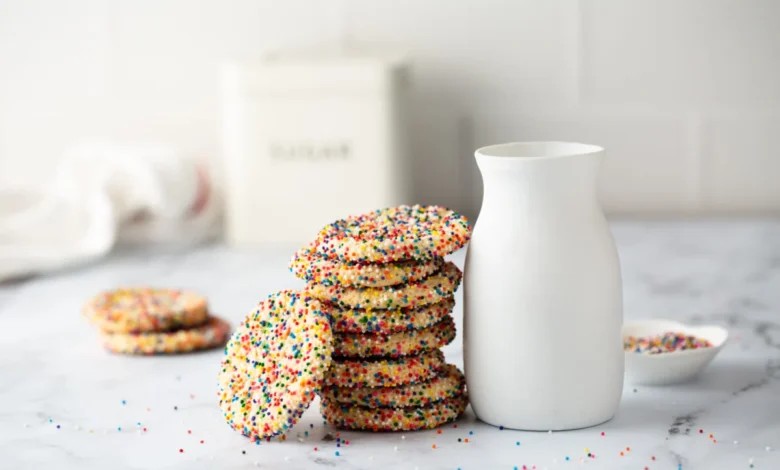
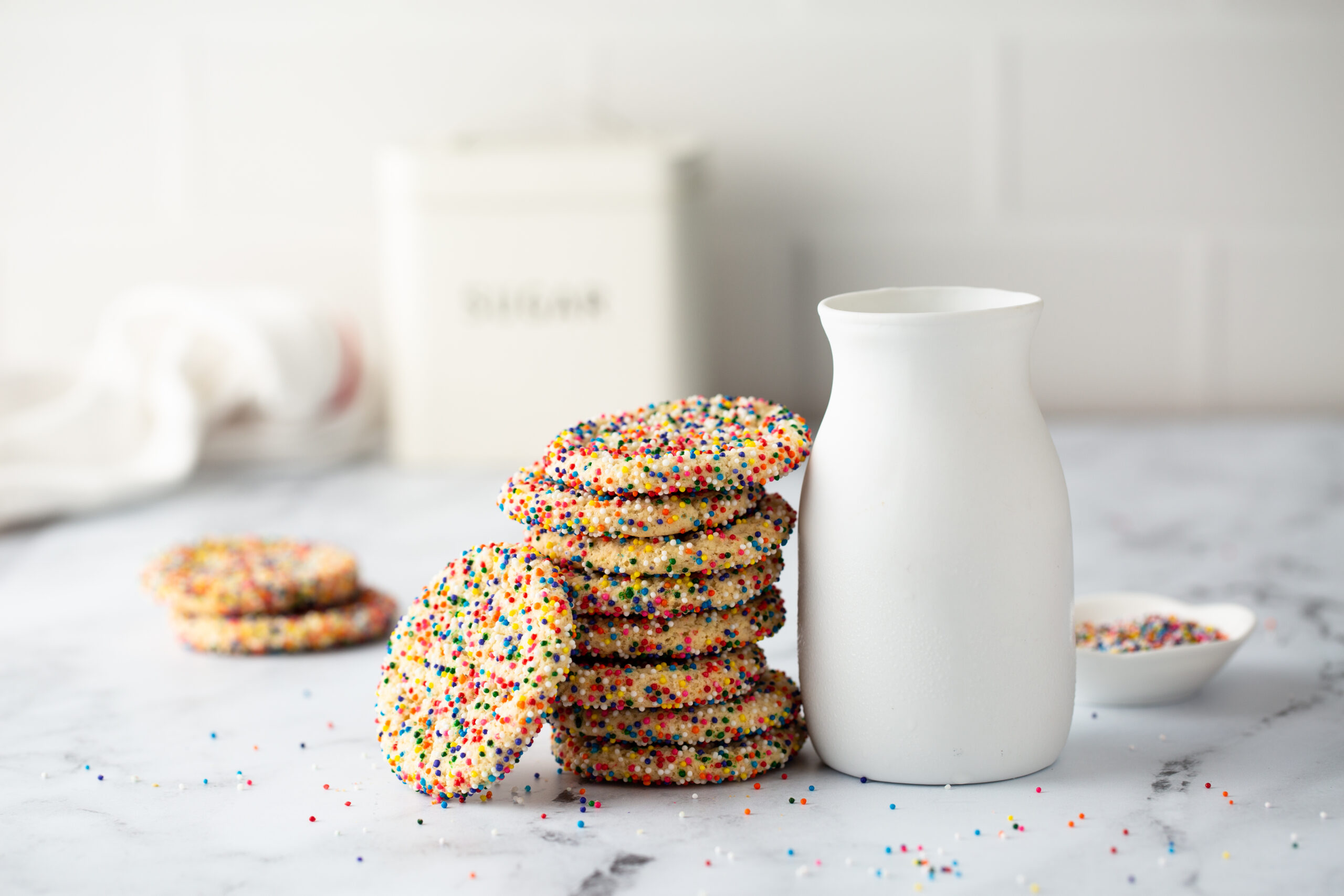
The modern home baking landscape has shifted dramatically over the past several years, moving away from labor-intensive, intricately decorated confections toward accessible, high-yield treats that prioritize efficiency without sacrificing aesthetic appeal. Among the frontrunners of this culinary trend are easy sprinkle sugar cookies, a classic comfort baked good that has seen a massive surge in popularity across domestic kitchens, school bake sales, and community celebrations. Culinary historians and baking industry analysts point to a broader cultural desire for approachable, nostalgic cooking projects that can be executed quickly using basic pantry staples. Unlike royal icing-heavy sugar cookies that require hours of drying time and professional piping skills, sprinkle sugar cookies offer an instant bakery-quality finish through a straightforward technique: rolling unbaked dough balls directly in colorful jimmies before they enter the oven.
This culinary development aligns with shifting consumer preferences observed by food psychologists and parenting lifestyle experts. As families juggle increasingly demanding schedules, weekend baking projects must double as bonding activities that accommodate participants of varying skill levels, particularly young children. The interactive nature of rolling dough balls in vibrant, multi-colored sprinkles transforms a routine baking task into a tactile, engaging workshop for kids. Consequently, food blogs, educational cooking platforms, and community cookbooks have increasingly prioritized recipes that minimize specialized equipment and eliminate post-bake decorating phases. The result is a foolproof recipe category that consistently yields soft, buttery interiors, delicately crisp edges, and an undeniably festive visual presentation suited for birthdays, holidays, and everyday snacking.
To understand the enduring appeal of these cookies, one must examine the precise chemistry and operational mechanics required to achieve the ideal texture. Professional pastry chefs and food scientists emphasize that the hallmark of a superior sugar cookie lies in the delicate balance of fats, sugars, and flour hydration. The foundational process begins with softened, non-melted butter beaten with sugar to incorporate air, establishing a stable emulsion that prevents the cookies from flattening into greasy disks during the baking cycle. Unlike traditional cutout sugar cookies that demand extensive chilling and rolling pins, drop-style sprinkle cookies require a modest thirty-minute refrigeration period. This brief chilling window allows the dairy fats to solidify, ensuring controlled outward expansion in the oven while making the dough pliable enough for portioning.
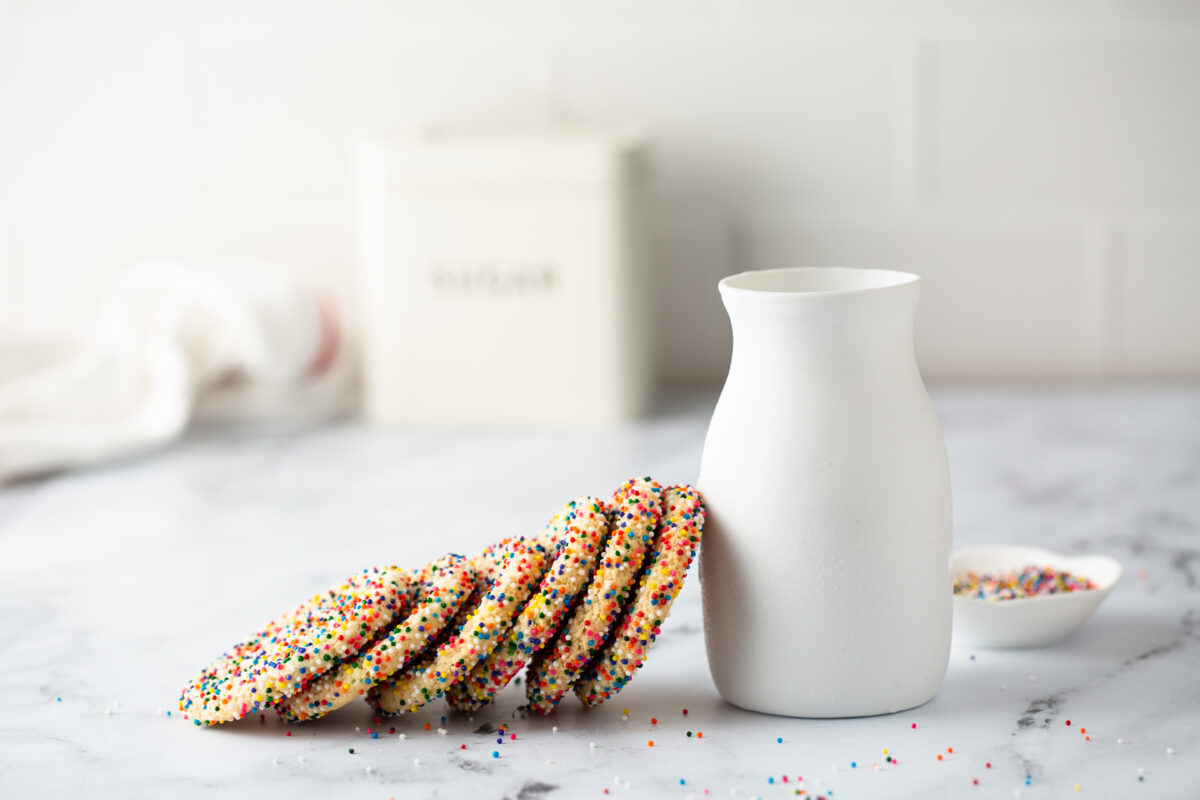
Furthermore, ingredient selection plays a pivotal role in dictating the final product’s structural integrity and flavor profile. Culinary testing consistently demonstrates that "jimmies"—the elongated, soft-coated sprinkles traditionally reserved for ice cream toppings and cupcakes—outperform other varieties such as nonpareils or sanding sugars. Jimmies possess a formulation that resists bleeding its pigment into the surrounding dough under high oven temperatures, maintaining their distinct chromatic shapes and adding a subtle, pleasant crunch to the cookie’s perimeter. Conversely, nonpareils are prone to color-bleeding and present a harder, more abrasive texture, while sanding sugars yield a translucent, sparkling finish rather than the classic confetti-like appearance consumers associate with festive celebration cookies.
The widespread adoption of this baking method has also generated significant economic ripple effects within the consumer packaged goods and home-baking supply sectors. Major grocery store chains and specialty baking brands report heightened year-round demand for bulk colorful sprinkles, unbleached all-purpose flour, and pure vanilla extract. Industry market research indicates that sales of domestic baking supplies experience predictable spikes during major holiday windows—such as Halloween, Christmas, and the Fourth of July—yet versatile recipes like sprinkle sugar cookies have successfully sustained baseline sales throughout the spring and summer shoulder seasons. Consumers are increasingly treating baking not merely as a holiday necessity, but as a weekly therapeutic ritual and a cost-effective alternative to commercial bakery purchases.
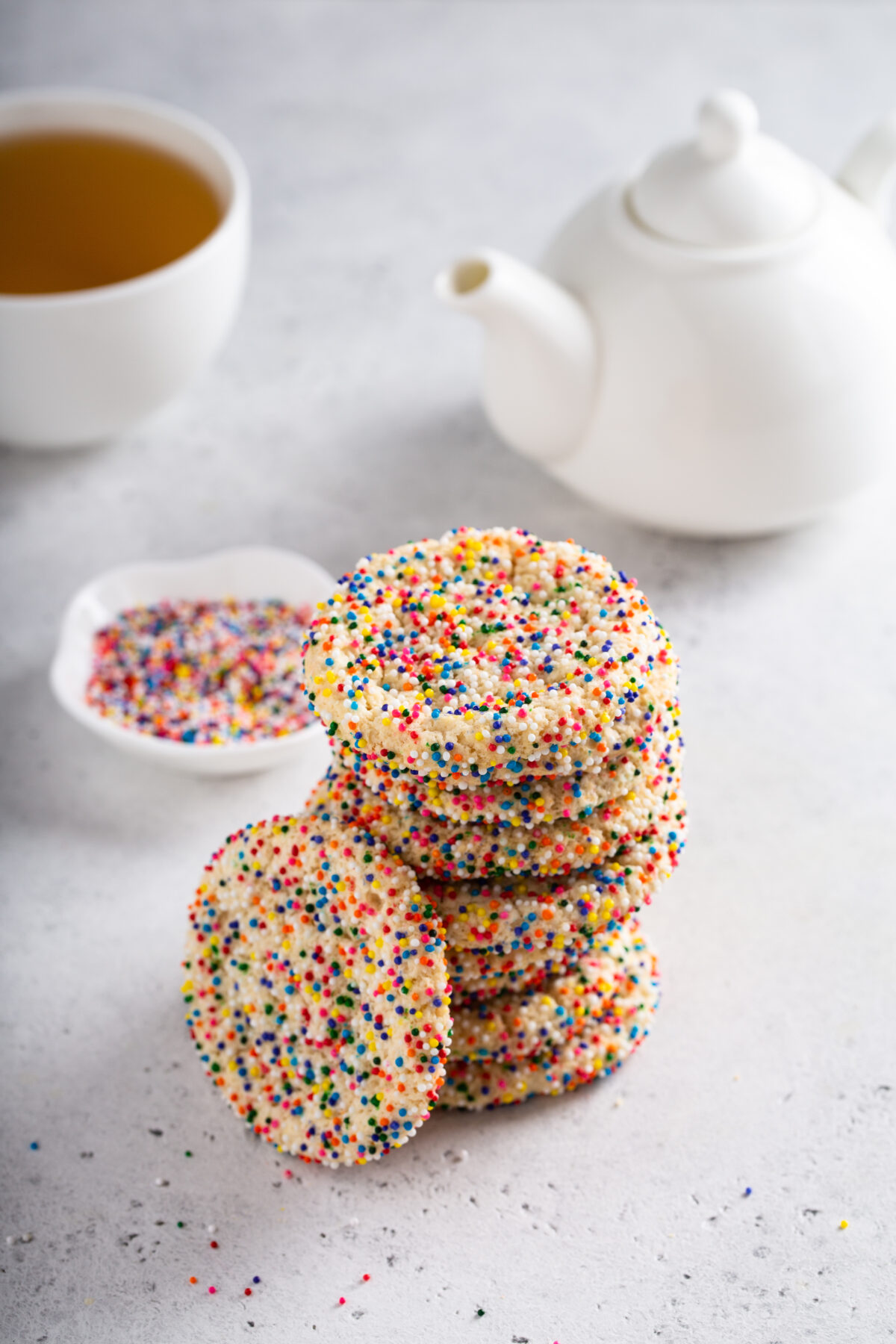
Nutritional and logistical flexibility further compounds the recipe’s appeal in contemporary households. Nutritional consultants note that while traditional sugar cookies are often laden with heavy, sugary frostings that drastically elevate total carbohydrate and sugar counts, rolling cookies in a superficial layer of jimmies provides maximum visual impact with a fraction of the added sugar content found in piped icings. Moreover, the adaptability of the base dough allows home cooks to easily modify the flavor profile to accommodate dietary preferences or thematic event requirements. Variations ranging from almond extract-infused birthday cake styles and cocoa-powdered chocolate versions to lemon zest-infused spring treats demonstrate the recipe’s high degree of culinary modularity.
Logistical efficiency is another critical factor driving the popularity of sprinkle sugar cookies in high-volume environments like school cafeterias and community bake sales. The dough can be prepared up to forty-eight hours in advance and stored securely within standard refrigeration units, or portioned, rolled in sprinkles, and frozen for up to three months on parchment-lined baking sheets. This make-ahead capability alleviates the time-crunch pressures frequently experienced by event organizers and working parents. When the baking window arrives, frozen dough balls can transition directly from the freezer to the oven with only a minor, calculated adjustment to the baking timer, yielding freshly baked goods on demand with virtually zero food waste.
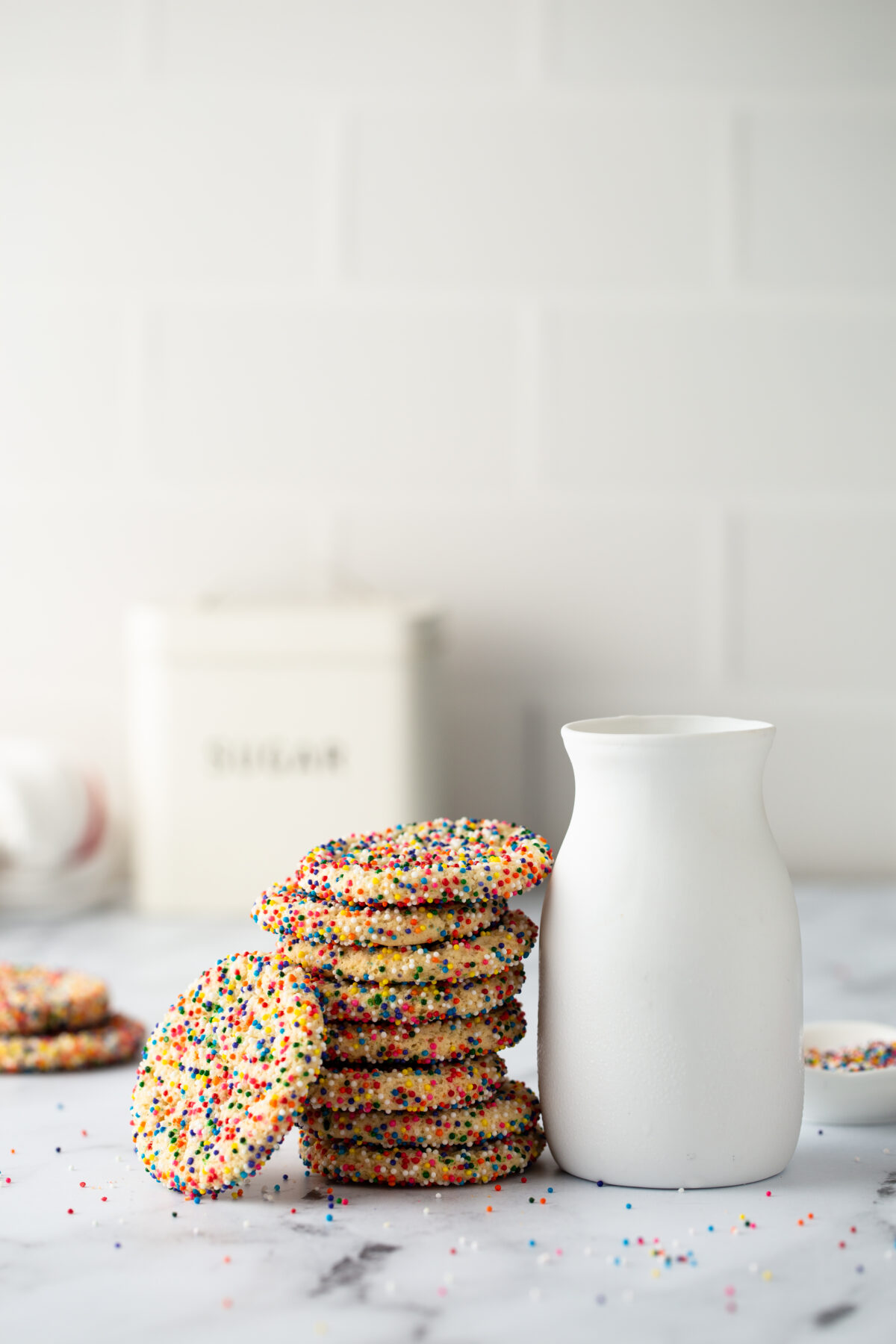
As home economics programs and digital culinary creators continue to champion minimalist, high-reward recipes, the foundational principles behind the easy sprinkle sugar cookie remain a masterclass in accessible baking. By eliminating the barriers of precision piping and complex architectural decorating, this baking style democratizes the kitchen experience, inviting bakers of all ages to participate in the creation of visually striking, comforting treats. Whether utilized as a staple for childhood milestones or as a quick weeknight baking project, the enduring prominence of the sprinkle sugar cookie underscores a collective culinary appreciation for efficiency, nostalgia, and universally appealing flavor.