Nutritional Profile and Dietary Context
The integration of pumpkin and chia seeds provides a unique synergy of macronutrients and micronutrients. Pumpkin, a member of the Cucurbita family, is widely recognized by nutritionists for its high concentration of beta-carotene, a precursor to Vitamin A, which plays a critical role in immune function and ocular health. According to agricultural data, a single cup of cooked pumpkin contains over 200% of the recommended daily intake of Vitamin A.
When paired with chia seeds, the nutritional impact is compounded. Chia seeds are a significant source of alpha-linolenic acid (ALA), a type of plant-based omega-3 fatty acid, and they provide a substantial amount of dietary fiber. The addition of yogurt introduces probiotic cultures and high-quality protein, creating a balanced meal that supports gastrointestinal health and sustained satiety. Data from the provided recipe indicates approximately 7 grams of fiber and 5 grams of protein per serving, metrics that align with current dietary guidelines emphasizing the importance of morning fiber intake to regulate blood glucose levels throughout the day.
The Evolution of Make-Ahead Breakfast Trends
The rise of "overnight" or "make-ahead" breakfasts, such as chia seed pudding, reflects a broader trend in culinary anthropology. As urban schedules have become increasingly compressed, consumers have moved away from traditional, time-intensive cooking methods in favor of preparation techniques that utilize passive time—specifically, the overnight setting process in refrigeration.
Historically, the use of seeds as a thickening agent can be traced back to ancient Mesoamerican cultures, where chia was a dietary staple for endurance. Its resurgence in the 21st century as a "superfood" is not merely a marketing trend but a response to the need for shelf-stable, nutrient-dense ingredients that do not require complex thermal processing. The Pumpkin Chia Seed Pudding, in particular, bridges the gap between traditional seasonal comfort food and modern convenience, effectively utilizing canned pumpkin—a staple often underutilized outside of holiday baking—to create a functional daily meal.
Preparation Methodology and Scientific Principles
The preparation of this pudding relies on the hydrocolloid properties of chia seeds. When submerged in a liquid medium—in this case, a mixture of yogurt and milk or a plant-based alternative—the seeds absorb approximately 10 to 12 times their weight in liquid. This hydration process forms a mucilaginous outer layer, transforming the liquid into a thick, pudding-like consistency.
The recommended protocol for preparation is as follows:
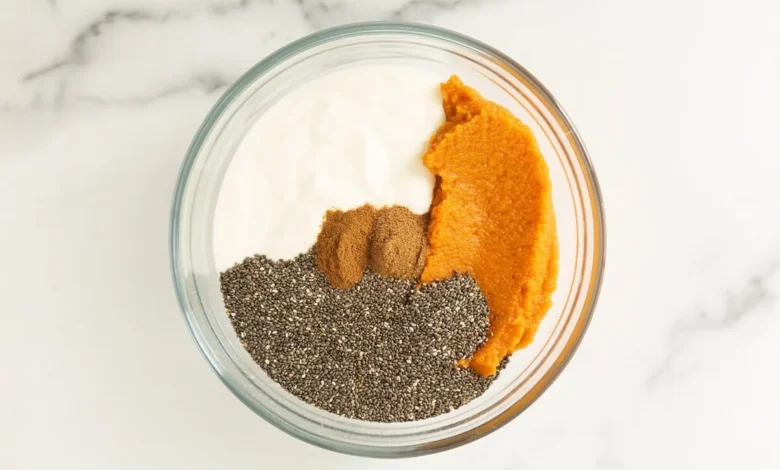
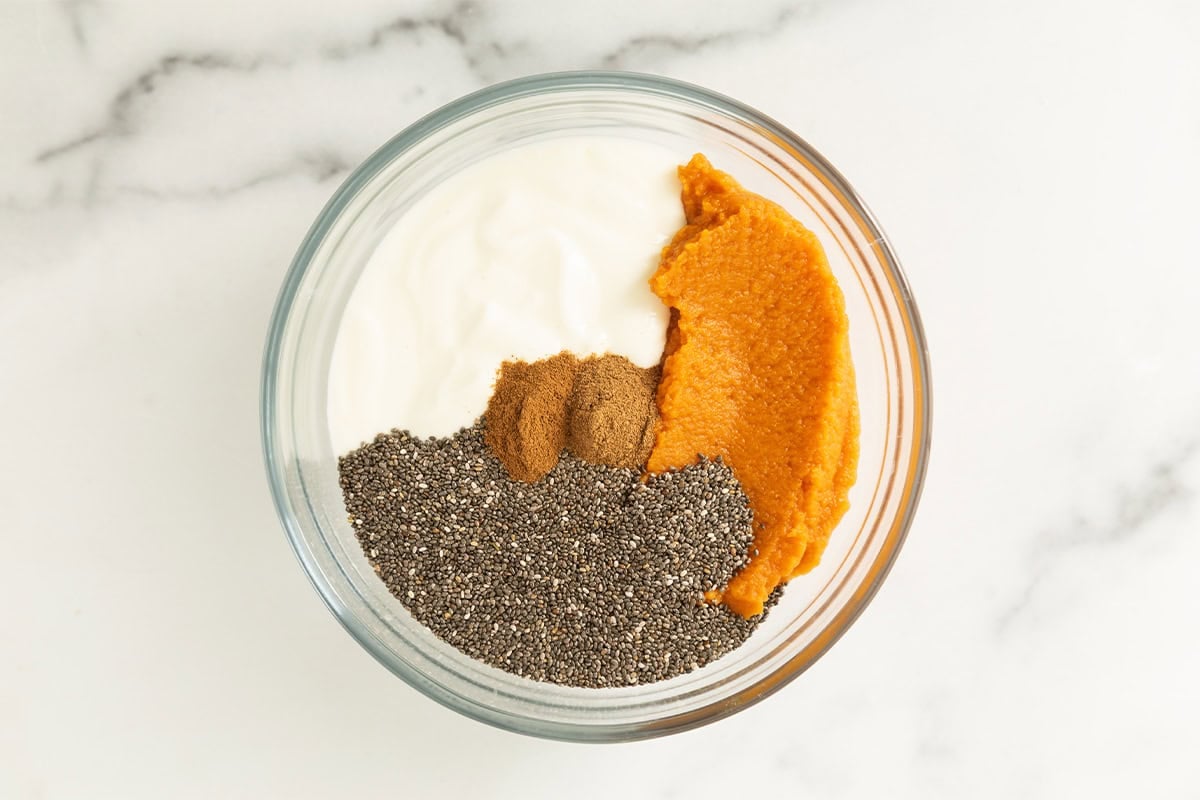
- Dispersion: Ingredients, including pureed pumpkin, spices (cinnamon, ginger, cloves), and the chosen dairy or non-dairy base, are combined with the chia seeds.
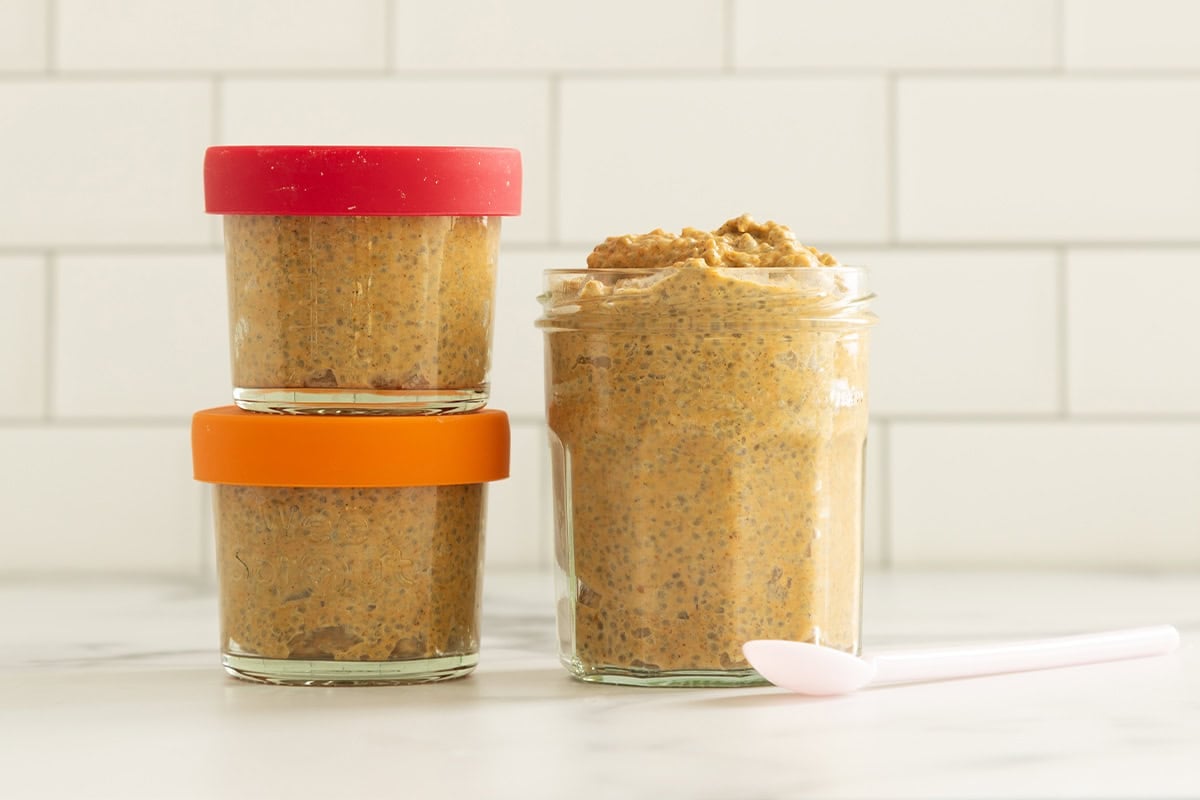
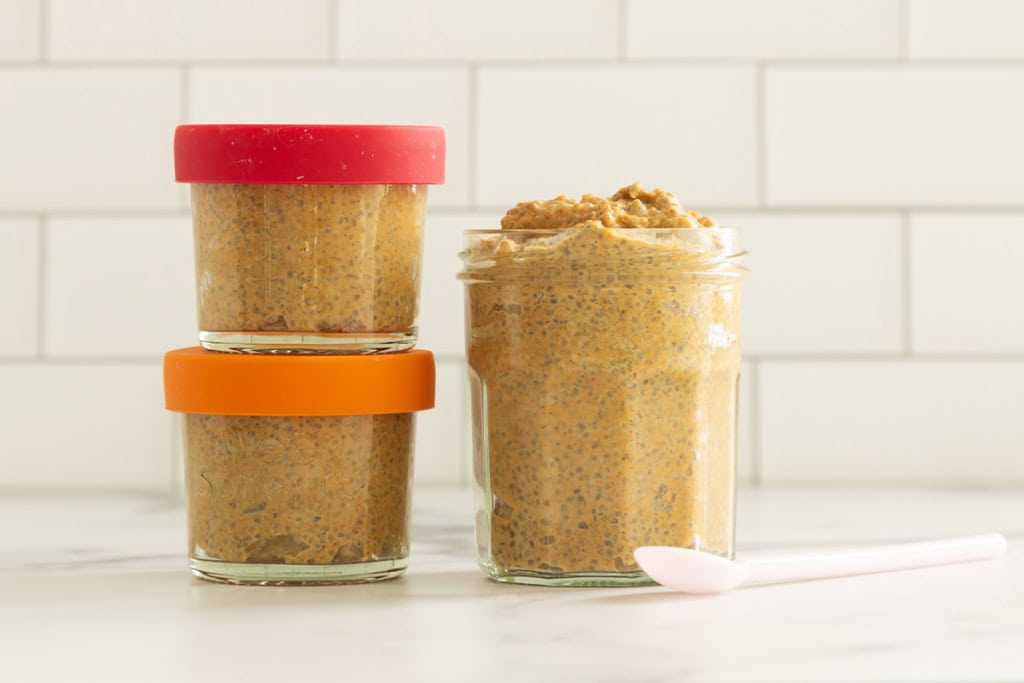
- Hydration Phase: The mixture must be stored in an airtight container for a minimum of two hours, though a duration of 8 to 12 hours is optimal for full saturation and texture development.
- Stabilization: Once set, the pudding maintains its structural integrity for three to five days under proper refrigeration (below 40°F/4°C).
This process demonstrates a fundamental application of food science: the conversion of a liquid suspension into a semi-solid gel without the need for heat-activated starches, which significantly reduces the energy footprint and preparation time of the dish.
Economic and Sustainability Implications
From an economic perspective, the shift toward ingredients like canned pumpkin and dry chia seeds represents a cost-effective strategy for household meal planning. Canned pumpkin is a shelf-stable product that can be purchased in bulk during peak agricultural seasons, mitigating the price volatility associated with fresh produce. Similarly, chia seeds have a long shelf life, reducing the risk of food waste—a primary concern in modern kitchen management.

Furthermore, the versatility of the pudding allows for the incorporation of seasonal fruits, such as blueberries or cinnamon-spiced apples, enabling consumers to adapt the base recipe to seasonal availability. This flexibility is a key factor in the long-term sustainability of the recipe, as it encourages the use of local, seasonal toppings rather than relying on imported or highly processed additions.
Professional Observations on Pediatric Nutrition
In the context of child nutrition, the appeal of this dish lies in its texture and flavor profile, which mimic traditional desserts. Nutrition experts often emphasize the "bridge" effect, where familiar, desirable flavors (such as pumpkin pie) are used to introduce nutrient-dense foods to children who might otherwise be hesitant to consume seeds or high-fiber ingredients.
By sweetening the dish with natural alternatives like date paste or small amounts of maple syrup, parents can control sugar intake while ensuring the child receives essential vitamins. The ability to customize the sweetness level—or omit it entirely in favor of fruit-based sweetness—addresses concerns regarding the overconsumption of refined sugars in early childhood development.
Broader Impact and Future Outlook
As global interest in plant-forward diets continues to expand, the integration of traditional "pudding" concepts with high-fiber seeds is likely to see further innovation. The Pumpkin Chia Seed Pudding serves as a template for other variations, such as incorporating protein powders, nut butters, or diverse fruit purees.
The widespread adoption of these methods has significant implications for food retail as well. Grocery outlets have noted an increase in the demand for shelf-stable seeds and alternative dairy products, which are the primary drivers of this trend. As consumers continue to prioritize health-span and efficiency, the reliance on recipes that require minimal daily intervention—such as the overnight chia pudding model—is expected to remain a permanent feature of the modern culinary landscape.
In conclusion, the Pumpkin Chia Seed Pudding represents a sophisticated intersection of nutritional science, logistical efficiency, and culinary tradition. It is a practical answer to the complexities of modern eating, providing a high-fiber, vitamin-rich start to the day that respects both the constraints of a busy schedule and the requirements of human physiological health. By mastering the simple, stir-together preparation method, consumers can leverage the long-term storage benefits of these ingredients to maintain a consistent, healthy dietary pattern throughout the work week.