Comprehensive 2026 American Diabetes Association Blood Sugar Guidelines and Clinical Reference


Navigating the complexities of metabolic health requires a precise understanding of blood glucose metrics, diagnostic boundaries, and individualized therapeutic targets. Grounded in the latest clinical benchmarks, the American Diabetes Association Standards of Medical Care in Diabetes outline definitive frameworks for evaluating normal glucose homeostasis, identifying prediabetes, and managing both type 1 and type 2 diabetes effectively. Clinical consensus emphasizes that while universal diagnostic thresholds streamline the identification of metabolic disorders, therapeutic management demands customized parameters that account for age, concurrent health conditions, life expectancy, and vulnerability to glycemic volatility.
To establish clinical clarity, healthcare providers rely on three primary diagnostic indicators: fasting plasma glucose evaluations, postprandial measurements, and glycated hemoglobin assessments. Fasting blood sugar tests require a minimum eight-hour window without caloric intake, serving as the gold standard for routine outpatient screening. For individuals without diabetes, normal fasting glucose levels range from 70 to 99 milligrams per deciliter, corresponding to 3.9 to 5.5 millimoles per liter. Readings between 100 and 125 milligrams per deciliter indicate predisposing metabolic dysfunction, or prediabetes, whereas persistent laboratory measurements of 126 milligrams per deciliter or higher on separate occasions confirm a formal diagnosis of diabetes.
In contrast to fasting evaluations, postprandial metrics assess glycemic response following the consumption of food. Healthy adults typically experience a temporary rise in blood glucose that peaks within one to two hours after a meal before returning to baseline parameters. Normal post-meal blood sugar remains strictly below 140 milligrams per deciliter, with clinical studies demonstrating that metabolically healthy individuals stay within this range approximately 95 to 99 percent of the time. Readings spanning 140 to 199 milligrams per deciliter signify impaired glucose tolerance, while postprandial values reaching or exceeding 200 milligrams per deciliter in symptomatic patients strongly correlate with overt diabetes.
Long-term glycemic control is quantified via the A1C test, which measures glycated hemoglobin to establish an integrated average of blood glucose over the preceding two to three months. Because this diagnostic tool reflects cumulative exposure rather than acute fluctuations, it does not require fasting. A normal A1C baseline for non-diabetic adults rests below 5.7 percent, while values ranging from 5.7 to 6.4 percent define prediabetes. A threshold of 6.5 percent or higher confirms a diabetes diagnosis. For non-pregnant adults managing diabetes, the standard ADA target sits at less than 7.0 percent, though clinicians frequently tailor this objective to fit individual patient profiles.
Translating these statistical targets into daily care involves accounting for the myriad physiological and environmental factors that disrupt glycemic equilibrium. Carbohydrate consumption exerts the most direct influence on blood glucose spikes, with high-glycemic foods accelerating intestinal absorption compared to fiber-dense complex carbohydrates. Beyond nutrition, physical activity enhances insulin sensitivity, allowing working muscles to absorb glucose efficiently; however, high-intensity anaerobic exertion can temporarily elevate blood sugar due to stress hormone secretion. Emotional stress, acute illness, systemic inflammation, and sleep deprivation similarly trigger counter-regulatory hormones like cortisol and adrenaline, prompting the liver to release stored glucose and driving up readings despite minimized food intake.
Furthermore, acute deviations from established glycemic boundaries present substantial medical emergencies that require immediate intervention. Severe hypoglycemia, characterized by blood sugar dropping below 54 milligrams per deciliter, threatens neurological function and can lead to seizures or loss of consciousness. Standard mild-to-moderate hypoglycemia—defined as any reading below 70 milligrams per deciliter—necessitates the implementation of the 15-15 rule, involving the ingestion of 15 grams of fast-acting carbohydrates followed by a fifteen-minute waiting period before retesting. Conversely, severe hyperglycemia exceeding 240 milligrams per deciliter in insulin-dependent patients warrants immediate ketone screening to preempt diabetic ketoacidosis, while readings surpassing 600 milligrams per deciliter represent a life-threatening hyperosmolar hyperglycaemic state demanding emergency medical response.
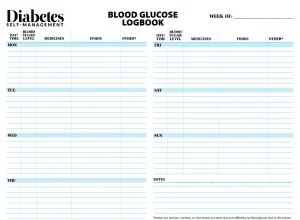
Ultimately, effective metabolic stewardship relies on continuous education, structured monitoring regimens involving self-monitoring blood glucose meters or continuous glucose monitors, and collaborative partnerships between patients and their clinical care teams to adapt targets to evolving life stages and health conditions.