Cottage Cheese Brownies: A Healthier Indulgence Emerges on the Culinary Scene

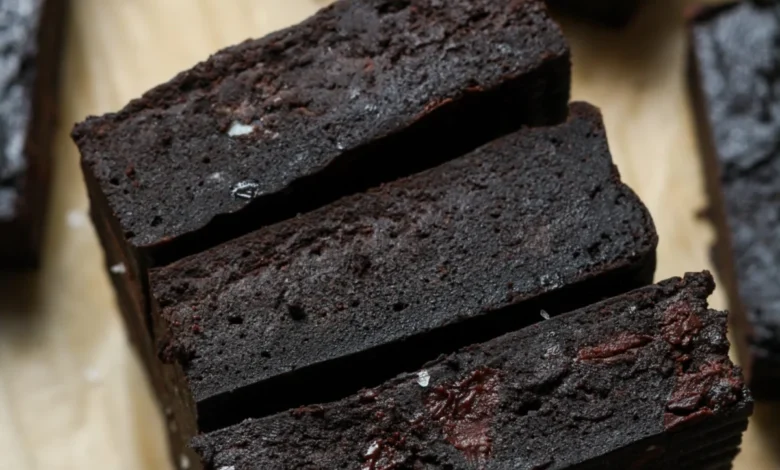
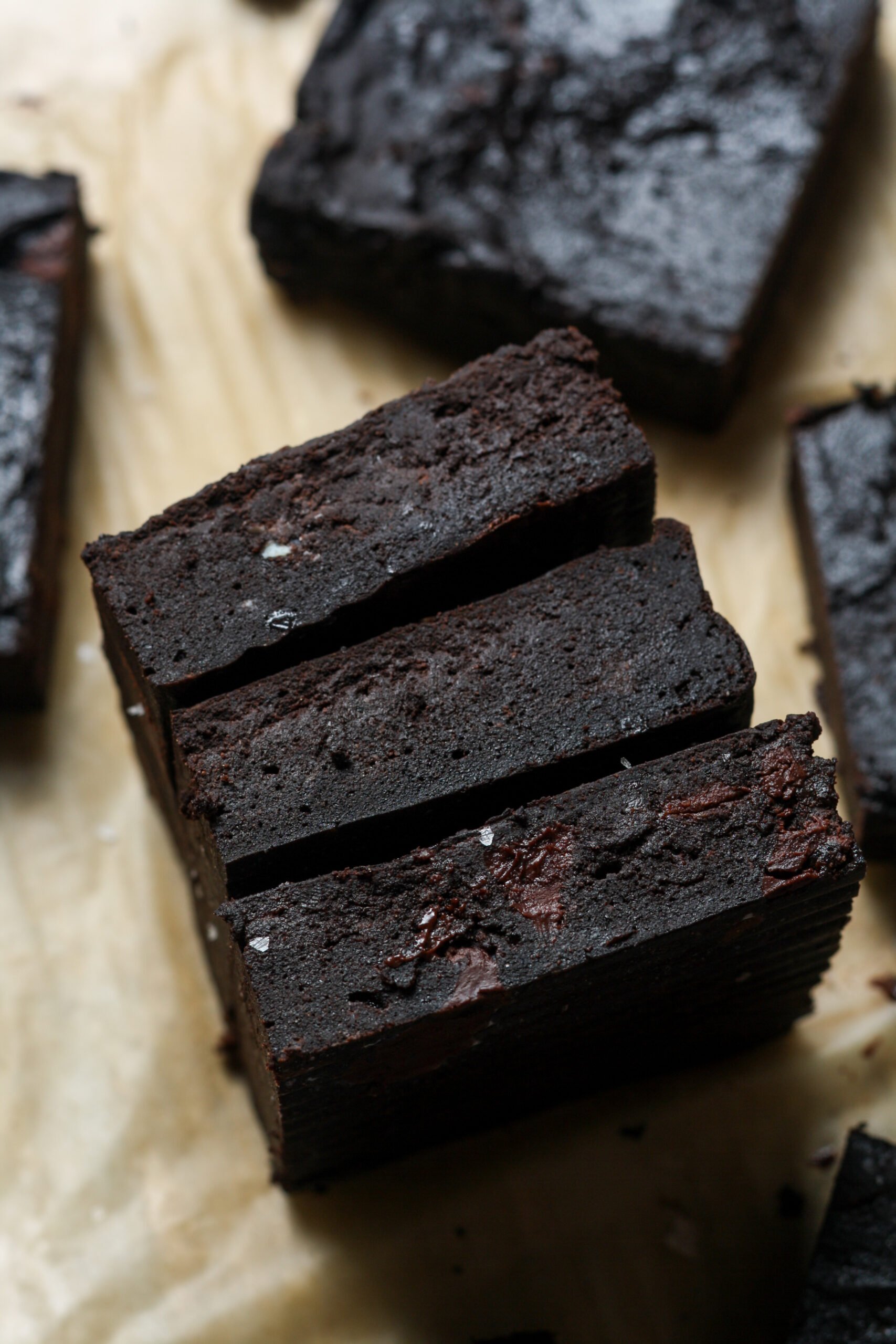
The world of baking is continuously evolving, seeking innovative ways to satisfy sweet cravings while aligning with health-conscious lifestyles. A recent development garnering significant attention is the emergence of Cottage Cheese Brownies, a culinary creation that promises the decadent experience of traditional brownies with a surprising nutritional upgrade. These brownies are being heralded for their rich, gooey, and chocolate-packed profile, offering a creamy interior, pockets of melty chocolate chips, and a satisfyingly chewy edge, all while leveraging the moisture-adding and protein-boosting properties of cottage cheese.
The appeal of these Cottage Cheese Brownies lies in their ability to deliver a deeply satisfying chocolate experience without the typical guilt associated with conventional desserts. For many consumers, the prospect of a fudgy brownie that is also secretly packed with protein and potentially lower in refined sugars represents a significant breakthrough in accessible healthier indulgence. This trend taps into a broader societal shift towards incorporating more protein into diets and seeking alternatives to highly processed ingredients.
The core of this innovative recipe centers on the substitution of traditional fats and dairy with blended cottage cheese. This ingredient choice is not merely for texture; it significantly enhances the protein content of the brownies. Cottage cheese, a dairy product made by curdling milk and then straining the curds, is renowned for its high protein content, with a typical cup (about 226 grams) containing around 25 grams of protein. This makes the brownies a more satiating option and a potentially beneficial post-workout treat or a more substantial snack.
Beyond the protein boost, the cottage cheese plays a crucial role in achieving the desired texture. When blended smooth, it contributes exceptional moisture and creaminess to the baked goods. This eliminates the need for large amounts of butter or oil, common in traditional brownie recipes, thereby reducing the overall fat content. The subtle tang of cottage cheese, when balanced with the sweetness and chocolate, is often imperceptible, allowing the rich chocolate flavor to dominate.
The sweetener of choice in many versions of this recipe is coconut sugar. This natural sweetener, derived from the sap of coconut palm trees, offers a slightly lower glycemic index compared to refined white sugar and imparts a subtle caramel-like flavor. While still a sugar, its use aligns with the growing consumer preference for natural and less processed ingredients in their food.
Dark chocolate chips are another key component, providing bursts of intense chocolate flavor and a pleasing textural contrast. Opting for dark chocolate, especially varieties with a higher cocoa content (70% or more), can also offer potential antioxidant benefits, further aligning the treat with a "healthier indulgence" narrative.
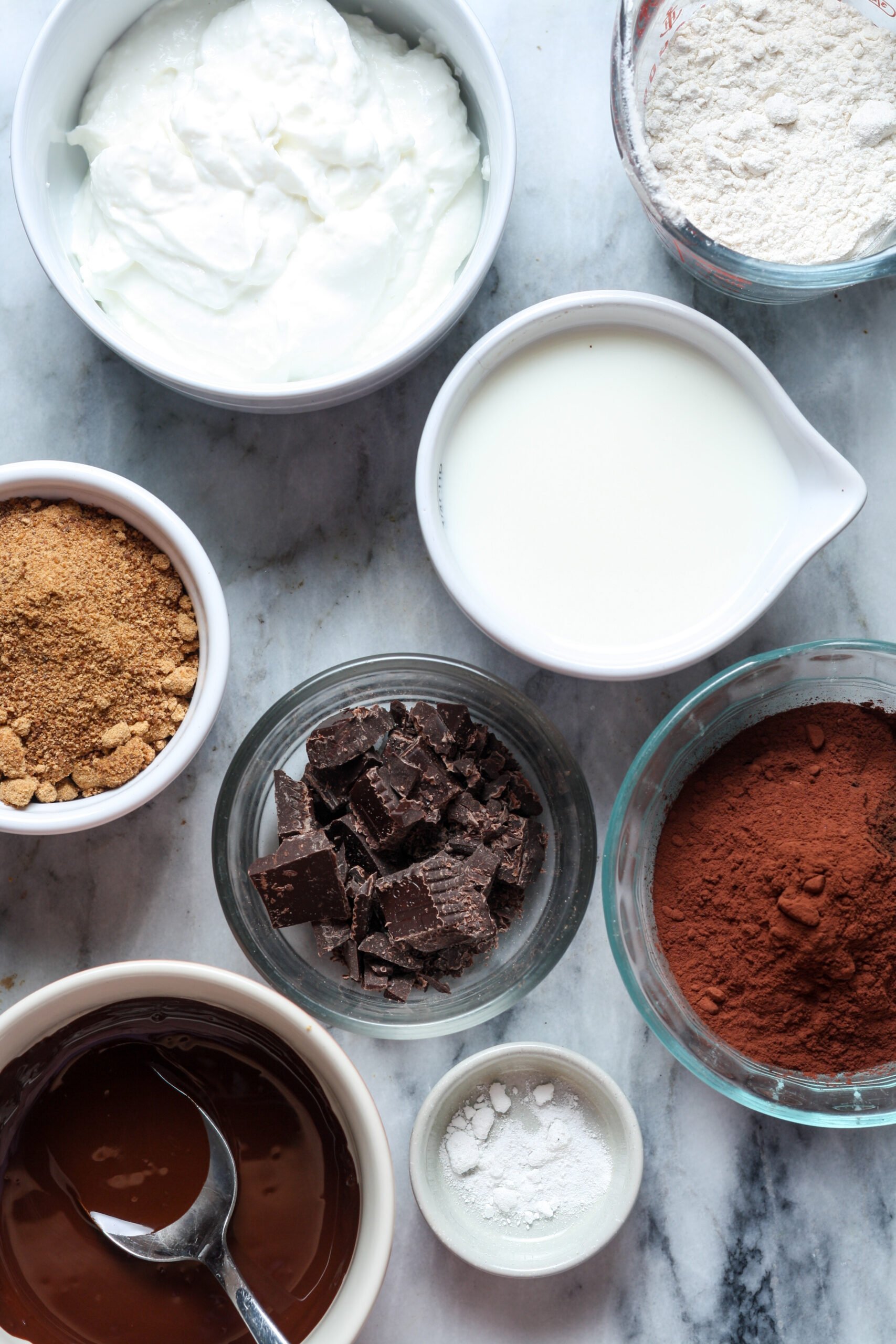
The basic ingredients list for these innovative brownies typically includes:
- Melted Chocolate (often sugar-free or high-cocoa content)
- Blended Cottage Cheese
- Coconut Sugar (or other preferred natural sweeteners)
- Milk (any type, dairy or non-dairy)
- Cocoa Powder (unsweetened)
- Whole Wheat Flour (or a gluten-free alternative)
- Baking Soda
- Dark Chocolate Chips
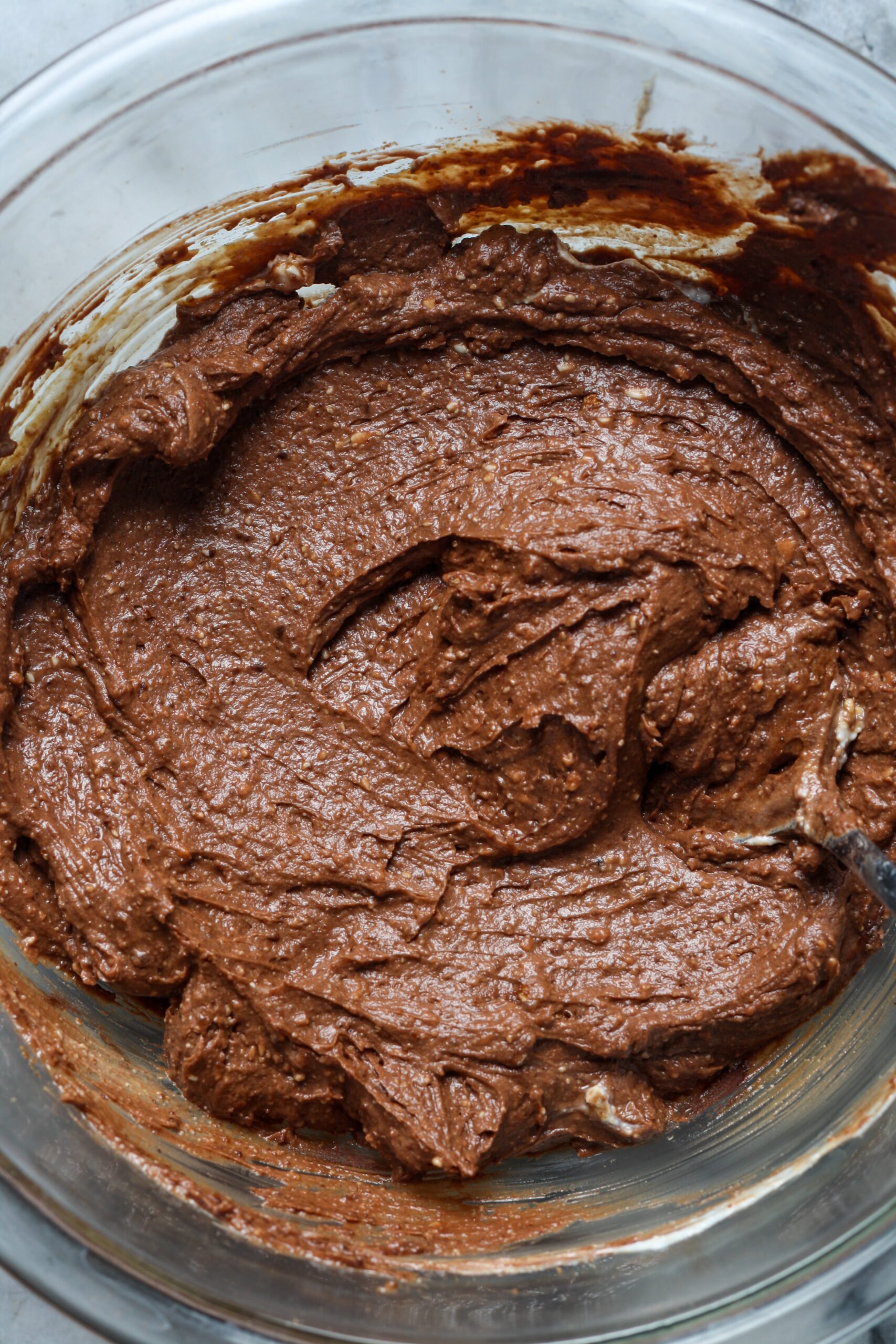
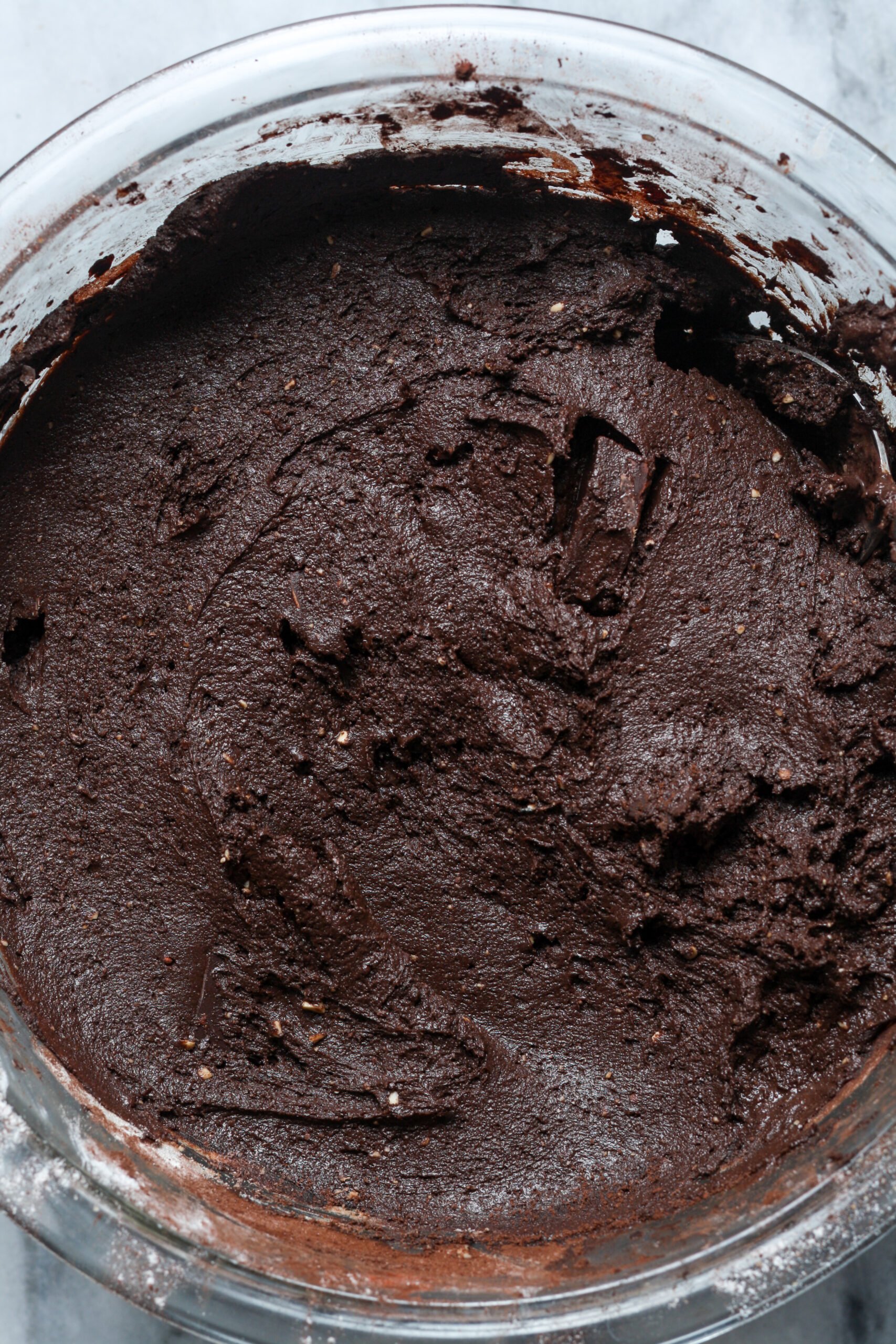
The preparation method is designed to be relatively straightforward, often achievable in under 30 minutes of active preparation time. The process generally involves melting chocolate, blending cottage cheese to a smooth consistency, and then combining these wet ingredients with the dry ingredients. The batter, which can be surprisingly thin initially, thickens as the dry ingredients are incorporated. Finally, chocolate chips are folded in before the batter is spread into a prepared baking pan and baked.
The Rise of Health-Conscious Baking
The popularity of Cottage Cheese Brownies is a symptom of a larger trend in the food industry: the demand for "better-for-you" alternatives to classic comfort foods. For decades, dessert recipes have relied heavily on butter, refined sugars, and all-purpose flours, ingredients that are now often viewed with scrutiny by health-conscious consumers. This has spurred innovation, leading to the development of recipes that cleverly modify traditional favorites.
The integration of ingredients like cottage cheese, Greek yogurt, avocado, and alternative flours (almond, coconut, oat) has become commonplace in health-focused baking. These ingredients not only offer nutritional advantages but also contribute unique textures and flavors that can rival, and sometimes even surpass, their conventional counterparts. The cottage cheese brownie exemplifies this movement, demonstrating that it’s possible to enjoy the rich, decadent experience of a brownie while incorporating a significant protein source and potentially reducing refined sugar content.
Ingredients and Substitutions: A Closer Look
The versatility of this recipe allows for several substitutions, catering to different dietary needs and preferences.

- Cottage Cheese: While full-fat cottage cheese can yield a richer result, low-fat or non-fat varieties can be used. The key is to blend it until completely smooth to avoid any grainy texture. For those with dairy sensitivities, experimenting with plant-based cottage cheese alternatives could be an option, though the protein content and texture may vary.
- Sweeteners: Coconut sugar is a popular choice, but other natural sweeteners like maple syrup, honey (though not vegan), or even date paste can be explored. Adjusting the quantity may be necessary based on the sweetness of the chosen alternative. Brown sugar is also a viable substitute, offering a slightly different flavor profile and moisture content.
- Flour: Whole wheat flour provides a slightly nuttier flavor and added fiber. For a gluten-free option, a good quality gluten-free all-purpose flour blend can be used. The exact measurement might need slight adjustments depending on the specific blend.
- Chocolate: The choice of chocolate is crucial for flavor. Using a high-quality dark chocolate, preferably with a cocoa percentage of 70% or higher, enhances the chocolate intensity and reduces the overall sugar. Sugar-free chocolate chips are also available for those looking to further minimize sugar intake.
The Science Behind the Texture: How Cottage Cheese Works
The magic of cottage cheese in baking lies in its protein and moisture content. When blended, the protein structures in cottage cheese break down, creating a smooth, emulsified base. This acts as a binder and contributes to the overall tenderness and moistness of the brownie. Unlike traditional fats that can sometimes lead to a greasy texture, cottage cheese provides a creamy mouthfeel that is both satisfying and surprisingly light. The minimal fat content compared to butter or oil also contributes to a "healthier" profile.
Step-by-Step: Crafting Your Cottage Cheese Brownies
The process of making these brownies is designed for home bakers, emphasizing simplicity and efficiency.
- Preparation is Key: Preheat your oven to 350°F (175°C). Line an 8×8 inch baking pan with parchment paper, ensuring it overhangs the sides for easy removal. This step is crucial for preventing sticking and ensuring clean cuts.
- Melting the Chocolate: Gently melt your chosen chocolate. This can be done using a double boiler or in the microwave in short, 30-second intervals, stirring between each, until smooth.
- Creating the Base: In a mixing bowl, combine the melted chocolate, thoroughly blended cottage cheese, and coconut sugar. Stir until well incorporated.
- Adding Moisture: Incorporate the milk into the mixture and stir to combine. At this stage, the batter may appear thin.
- Incorporating Dry Ingredients: Add the whole wheat flour, cocoa powder, and baking soda to the wet ingredients. Stir until just combined. Overmixing can lead to tough brownies, so it’s important to be gentle. The batter will thicken considerably.
- Folding in the Stars: Gently fold in the dark chocolate chips.
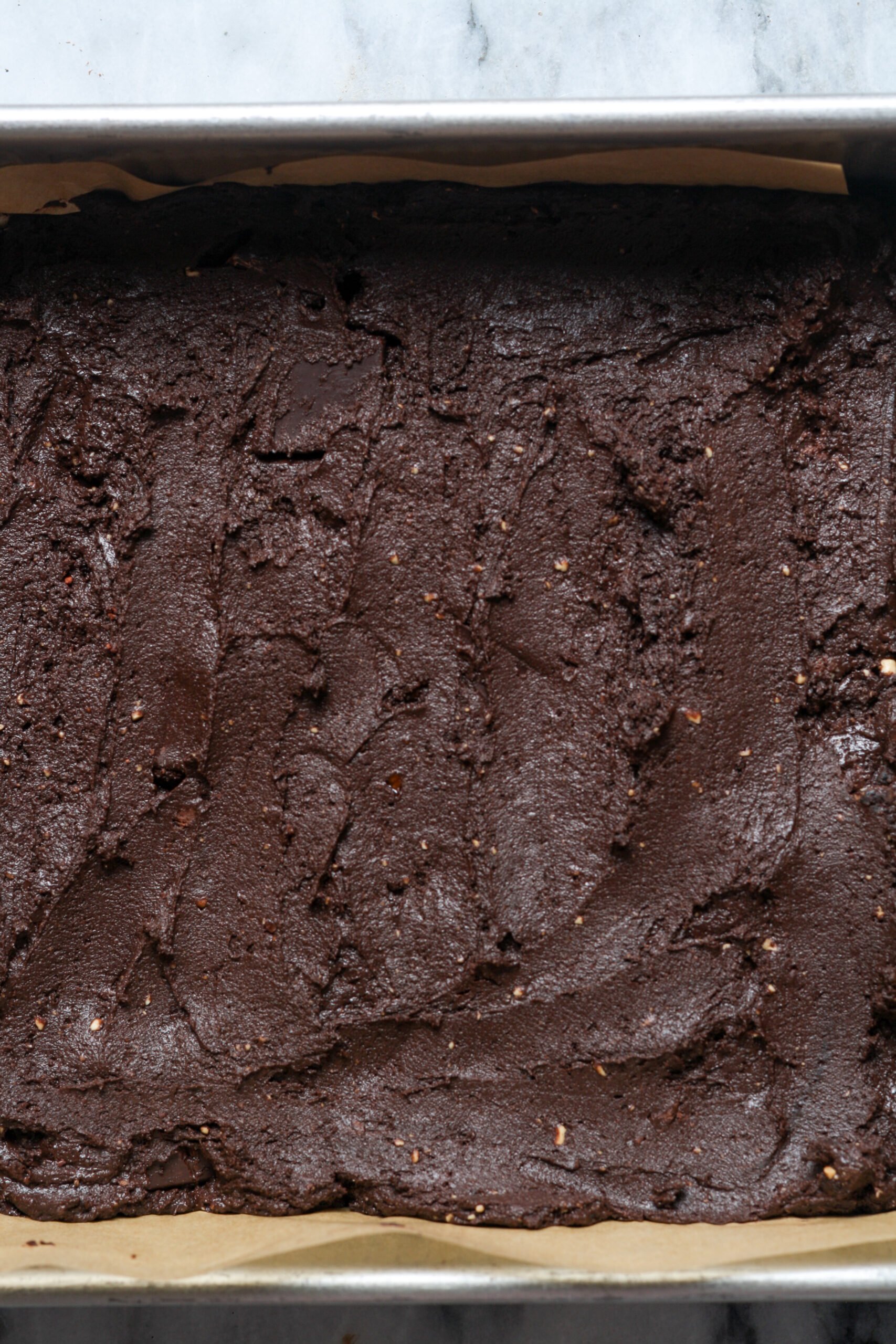
- Pan and Bake: Pour the batter into the prepared pan and spread it evenly.
- Baking to Perfection: Bake for 20-21 minutes, or until a toothpick inserted into the center comes out with moist crumbs attached, indicating they are cooked but still wonderfully fudgy. Overbaking will result in a drier brownie.
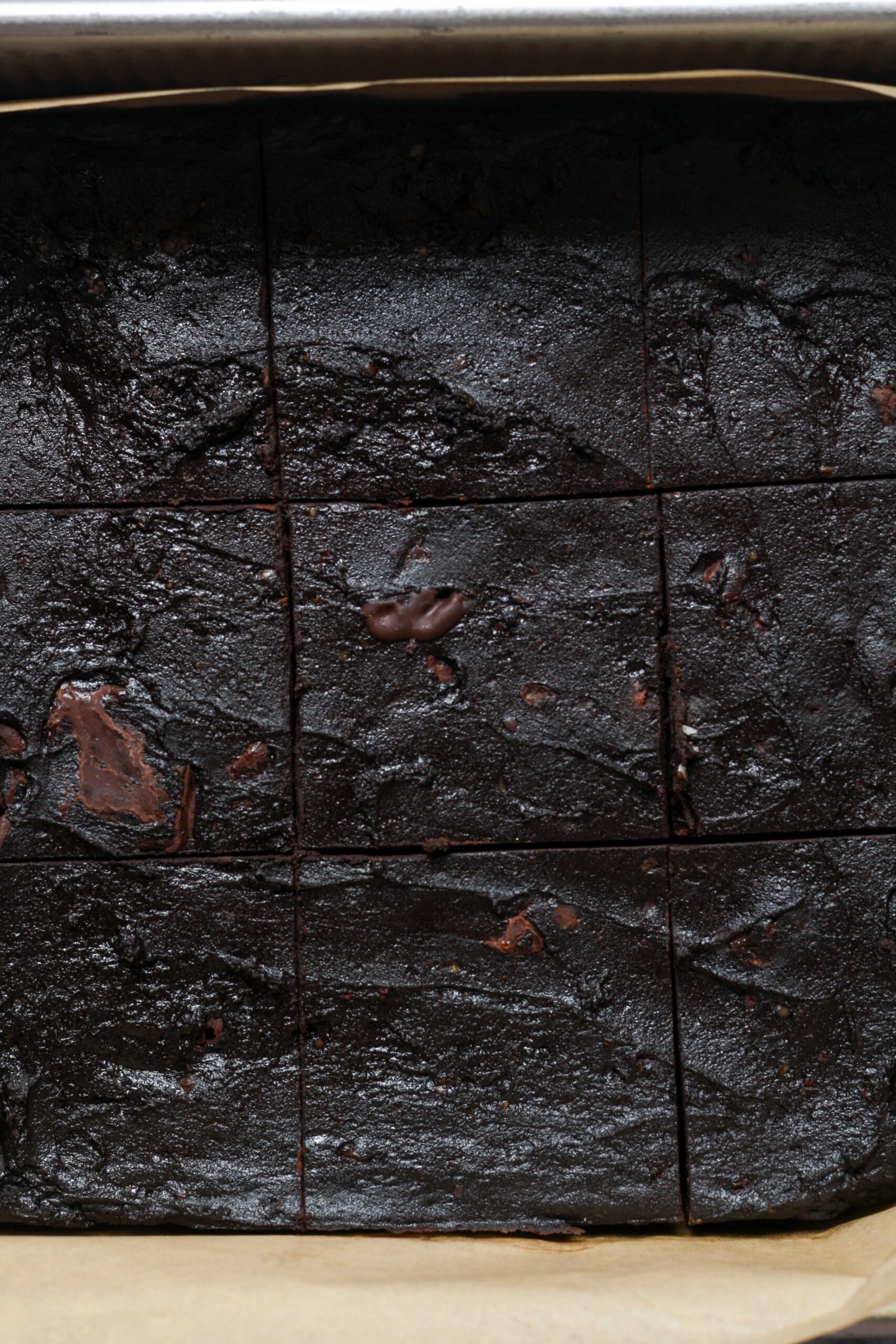
- Cooling for the Best Bite: Allow the brownies to cool completely in the pan before slicing. This is essential for the texture to set properly.
Taste and Texture: A Symphony of Chocolate
The resulting cottage cheese brownies are a testament to successful ingredient innovation. They offer a rich, deeply chocolatey flavor profile, punctuated by pockets of gooey, melted dark chocolate. The texture is a delightful balance: moist and tender throughout, with a slight chewiness around the edges that provides a satisfying contrast. The creaminess imparted by the blended cottage cheese is a standout feature, contributing to a luxurious mouthfeel without any discernible dairy taste. This creates a brownie that is both indulgent and surprisingly light, satisfying a sweet craving without feeling overly heavy.
Expert Tips for Achieving Brownie Nirvana
To ensure the best possible outcome when baking cottage cheese brownies, several tips can be invaluable:
- Smooth Cottage Cheese is Paramount: Ensure the cottage cheese is blended to a completely smooth consistency. Any lumps can affect the final texture and appearance. A food processor or high-powered blender works best.
- Don’t Overbake: Brownies are best when slightly underbaked. A toothpick test is crucial; it should come out with moist crumbs, not completely clean. The brownies will continue to set as they cool.
- Cool Completely: Patience is a virtue when it comes to brownies. Allowing them to cool fully in the pan before cutting will result in cleaner slices and a better texture.
- Quality Ingredients Matter: Using good quality cocoa powder and chocolate chips will significantly elevate the flavor of your brownies.
Flavor Variations and Add-Ins: A Creative Playground
The base recipe for cottage cheese brownies is a fantastic starting point for culinary creativity. Here are some popular variations and add-ins:
- Sea Salt Finish: A sprinkle of flaky sea salt on top before baking or after cooling enhances the chocolate flavor and adds a delightful sweet-and-salty contrast.
- Nutty Crunch: Incorporate chopped nuts like walnuts, pecans, or almonds into the batter for added texture and flavor.
- Peanut Butter Swirl: Swirl a tablespoon or two of peanut butter into the batter before baking for a classic flavor combination.
- Espresso Boost: Add a teaspoon of instant espresso powder to the dry ingredients to deepen the chocolate flavor.
- Extracts: A splash of vanilla extract or almond extract can add another layer of complexity to the flavor profile.
Serving and Storage: Keeping the Goodness Fresh
Cottage cheese brownies are versatile in how they can be enjoyed. They can be served warm for an ultra-gooey experience or chilled for a firmer, more fudge-like consistency. They pair exceptionally well with a dollop of Greek yogurt or even a side of cottage cheese ice cream for an extra protein-rich treat.
For storage, airtight containers are key. Leftovers can be kept in the refrigerator for up to 4 days. For longer storage, individual brownies can be wrapped tightly and frozen for up to 2 months. Thawing overnight in the refrigerator or a quick 20-30 second microwave zap will revive their delicious texture.
Frequently Asked Questions (FAQs)
Addressing common queries can help demystify the recipe and encourage wider adoption.
- Can I make Cottage Cheese Brownies without a blender?
While blending the cottage cheese is recommended for a smoother texture, it is possible to make these brownies without one. You can try mashing the cottage cheese very thoroughly with a fork or whisk. However, expect a slightly less refined texture with potential small curds. - Can I make these brownies vegan?
This specific recipe, as it stands, is not vegan due to the dairy content of cottage cheese and milk. However, experimentation with vegan cottage cheese alternatives and plant-based milk could yield a vegan version. The texture and protein content might differ. - Can I use a different sweetener?
Absolutely. While coconut sugar is preferred for its flavor and glycemic profile, other sweeteners like brown sugar, maple syrup, or honey can be used. Adjust the quantity based on the sweetness of your chosen alternative, and be aware that the final texture and moisture content might vary slightly. - What kind of cocoa powder should I use?
Both natural unsweetened cocoa powder and Dutch-processed cocoa powder work well. Natural cocoa powder tends to be more acidic and can react with baking soda, potentially giving a slightly lighter color and tangier note. Dutch-processed cocoa is alkalized, resulting in a smoother, darker, and less acidic flavor.
Essential Equipment for Baking Success
To facilitate the baking process and ensure optimal results, certain kitchen tools are highly beneficial:
- Parchment Paper Sheets: Pre-cut parchment paper makes lining the baking pan effortless, ensuring easy removal of the brownies.
- Glass Mixing Bowls: High-quality glass mixing bowls are durable and safe for mixing ingredients, especially when dealing with melted chocolate.
- Measuring Cups: Accurate measuring is fundamental in baking. Pyrex glass measuring cups are a reliable choice.
- Brownie Pan: While an 8×8 inch square pan works, a dedicated brownie pan with defined sections can create perfectly portioned, uniformly baked brownies.
The advent of Cottage Cheese Brownies represents a positive evolution in the pursuit of healthier indulgence. By cleverly incorporating protein-rich cottage cheese, these brownies offer a guilt-free way to satisfy chocolate cravings, proving that nutritious can indeed be delicious. As dietary trends continue to evolve, innovative recipes like this are likely to play an increasingly significant role in shaping how we enjoy our favorite treats.