Nurturing Adventurous Eaters: Expert Strategies for Building Healthy Habits from Pregnancy to Toddlerhood


The journey to raising a child who embraces a diverse and healthy diet often begins long before they utter their first word or take their initial bite of solid food. For parents navigating the complexities of childhood nutrition, the early years, from pregnancy through toddlerhood, present a critical window of opportunity to cultivate lifelong positive eating habits. A registered dietitian and mother of two, drawing on extensive research and practical experience, offers a comprehensive guide to transforming potential picky eaters into confident, adventurous eaters. This approach emphasizes evidence-based strategies that are not only effective but also manageable for busy parents.
The Foundation: Why the First Two Years Are Paramount
The period from conception through a child’s second birthday is a sensitive and formative time for taste bud development and the establishment of food preferences. Scientific consensus highlights that early exposure to a wide variety of flavors and textures can significantly influence a child’s willingness to accept new foods throughout their life. This crucial period, particularly the "Flavor Window" between four and eighteen months of age, is when infants are most receptive to new tastes and food experiences. By strategically introducing diverse foods during this time, parents can lay the groundwork for a more open-minded approach to eating as their children grow. While it is never too late to foster healthy eating habits, initiating these practices during infancy and toddlerhood offers a considerable advantage, making the process more organic and less challenging.
Prenatal Influences: Shaping Palates Before Birth

The dietary choices made during pregnancy have a tangible impact on a developing fetus. Through the amniotic fluid, babies are exposed to the flavors of their mother’s diet. Research indicates a correlation between prenatal flavor exposure and a baby’s subsequent acceptance of those same flavors once solid foods are introduced. A notable study demonstrated that infants whose mothers consumed carrot juice during the last trimester of pregnancy or the first two months of breastfeeding showed a greater preference for carrots and exhibited fewer negative reactions compared to infants whose mothers did not have this exposure. This suggests that a diverse prenatal diet can contribute to a broader palate from the outset.
It is important to acknowledge the challenges many pregnant individuals face, including severe nausea and vomiting. For those experiencing extreme morning sickness, the goal is to aim for dietary variety whenever possible, without inducing undue guilt. The aspirational advice regarding prenatal nutrition should not be a source of stress; for many, survival during the first trimester might involve a limited, albeit perhaps less healthy, range of accepted foods. The principle remains: any exposure to diverse flavors, however challenging to achieve, can be beneficial.
Introducing Solids: The "Flavor Window" and Beyond
The common adage, "food before one is just for fun," is increasingly being challenged by nutritional science. Research now indicates that the manner in which babies are introduced to solid foods can profoundly affect their future food choices, influencing both acceptance and rejection of various items. Every new flavor a baby encounters, beyond breast milk or formula, represents a novel sensory experience. This makes the introduction of solids a critical juncture for building familiarity and positive associations with healthy foods. Repetitive exposure to a food, both visually and through taste, is key to transforming the unfamiliar into the familiar, and ultimately, the preferred.
Baby-Led Weaning: Empowering Self-Feeding

Baby-Led Weaning (BLW) has emerged as a popular and effective approach to introducing solids. In this method, infants are offered "grasp-able" pieces of whole foods, allowing them to self-feed. Foods are prepared in a manner that is safe and manageable for babies, such as well-cooked wedges of sweet potato, large sticks of soft carrot, steamed broccoli florets, ripe fruits like kiwi or banana, avocado, and even small pieces of soft-cooked meats or eggs, and toast. A cornerstone of BLW is that the parent offers the food, but the infant controls the quantity and pace of consumption.
The potential benefits of BLW are significant. By engaging with a variety of textures and table foods from an early age, babies may develop a greater acceptance of diverse food textures and types as they grow. This can lead to a preference for whole foods, particularly fruits and vegetables, over pureed options. Studies on early exposure to varied textures suggest a link to fewer feeding problems and a broader dietary range in later childhood.
Navigating Taste Sensations: Understanding Grimaces and Rejections
Infants often exhibit facial expressions, such as grimacing, when encountering new or bitter flavors. It is crucial for caregivers to understand that a grimace does not necessarily equate to dislike or a permanent aversion. This reaction is a natural physiological response to certain taste profiles. Researchers advise against interpreting these expressions as definitive rejections. If a baby appears to truly refuse a food, the most effective strategy is often to try again on a different day, rather than forcing the issue.
The Power of Repetition: Cultivating Familiarity

The principle of repeated exposure is central to overcoming food neophobia, or the fear of new foods. Scientific evidence suggests that a child may need to encounter a particular fruit or vegetable at least eight to nine times before they begin to accept it. However, many parents inadvertently give up after only three to five attempts if their child shows no immediate liking for a food. Maintaining a log of foods introduced and the number of exposures can be an invaluable tool for parents, ensuring consistent opportunities for familiarity and eventual preference to develop. This systematic approach builds comfort and reduces anxiety around trying new foods.
Texture Progression: From Smooth to Solid
A common pitfall in infant feeding is prolonged reliance on smooth purees. This can create a barrier to transitioning to more complex textures later on. Research indicates that children who are introduced to lumpy solids later in infancy (after nine months of age) may experience greater difficulties with food variety and feeding challenges compared to those who are exposed to varied textures earlier. A gradual progression from smooth purees to lumpy textures and then to soft, manageable finger foods helps babies develop oral motor skills and become comfortable with the full spectrum of food consistencies. This prepares them for a wider range of culinary experiences.
The Toddler Years: Navigating Independence and Opinions
The toddler years, typically from age one to three, often mark a peak in picky eating. This is a natural developmental stage, often linked to a child’s burgeoning sense of independence and their desire to assert control. During this period, children may consume fewer fruits and vegetables, show a greater interest in sweets, and express strong opinions about food. The primary objective for parents during these years is to maintain the healthy habits established in infancy and to remain consistent, even when faced with resistance.

Consistent Exposure: The Non-Negotiable
Even if a toddler does not consume a fruit or vegetable offered at a meal, its consistent presence on the plate is invaluable. Regular exposure fosters familiarity, which is a critical precursor to acceptance. A strategic approach involves offering vegetables as a snack in the hour preceding dinner. At this time, children are often at their hungriest, making them more receptive to trying new foods. This "pre-dinner snack strategy" ensures that children have had some exposure to nutrient-rich options, regardless of their consumption at the main meal.
The Pitfalls of Pressure: Releasing Control
One of the most counterintuitive yet scientifically supported findings in feeding research is the ineffectiveness, and often detrimental impact, of pressuring children to eat. Studies have consistently shown that when children are coerced, they tend to eat less and express more negative sentiments about mealtimes. Furthermore, research indicates that being told a food is "good for them" can paradoxically lead to a reduced liking for that food and a decreased intake. A long-term study of college students revealed that a significant majority who were forced to eat certain foods as children still refuse to eat those foods today.
The realization that pressure can be counterproductive is crucial for parents. While concerns about a child’s nutritional intake are understandable, alternative strategies are more effective. Serving the food without expectation and offering a reassuring phrase like, "you don’t have to eat it," can be remarkably effective. This simple statement removes the immediate pressure, often leading to a more relaxed and positive mealtime experience, and can encourage children to try foods they might otherwise avoid.
When Picky Eating Signals a Deeper Concern
While a degree of picky eating is considered normal within childhood development, certain indicators may suggest that a child requires additional support. Signs that warrant professional consultation include a severely restricted diet consisting of only a handful of foods, unintentional weight loss, or significant anxiety surrounding mealtimes. If these or similar concerns are present, parents are advised to consult with their pediatrician. A referral to a feeding therapist or a registered dietitian can provide specialized guidance and interventions tailored to the child’s specific needs.
The Comprehensive Guide: Unlocking 20 Strategies
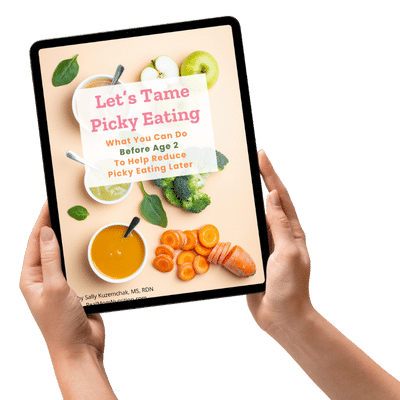
The strategies outlined provide a foundational framework for nurturing healthy eating habits. For parents seeking a more in-depth and structured approach, a comprehensive guide offers an expansive collection of 20 research-backed strategies, meticulously organized by developmental stage through toddlerhood. This resource delves into the scientific rationale behind each recommendation and addresses common parental concerns, including when to seek professional help. The guide also includes a complimentary audio file, allowing parents to access the information conveniently while managing daily routines. This resource aims to equip parents with the knowledge and tools they need to foster confident and adventurous eaters, mirroring the guidance the author wished she had during her own parenting journey.
The broader implications of establishing healthy eating habits in early childhood extend far beyond the dinner table. They contribute to a child’s overall physical and cognitive development, laying the foundation for a lifetime of well-being. By understanding and implementing these research-driven strategies, parents can transform the often-stressful landscape of childhood nutrition into a positive and empowering experience for both themselves and their children.