The Rise of No-Fuss Baking: Why Easy Sprinkle Sugar Cookies Are Taking Over Home Kitchens

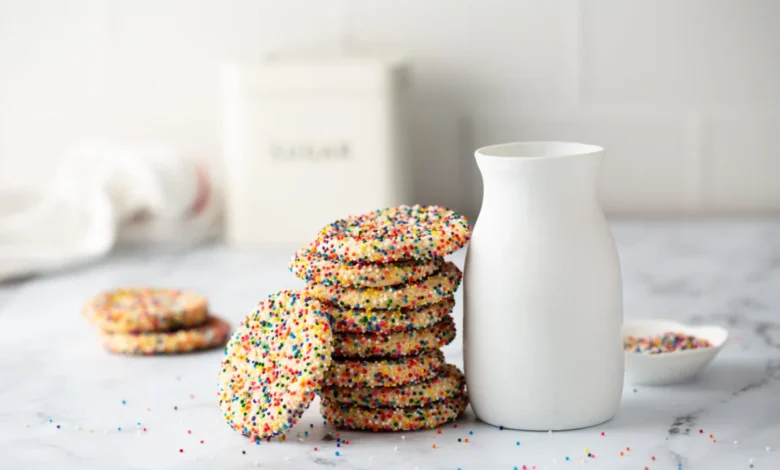
The culinary landscape of home baking has shifted dramatically in recent years, moving away from labor-intensive, multi-step decorating projects toward accessible, high-yield treats that prioritize efficiency without sacrificing aesthetic appeal. Among the frontrunners of this movement are easy sprinkle sugar cookies, a classic confectionery item that has experienced a massive resurgence in family kitchens, school bake sales, and community celebrations across the country. Combining buttery softness with vibrant visual presentation, these treats have become a staple for bakers seeking professional results with minimal equipment and preparation time.
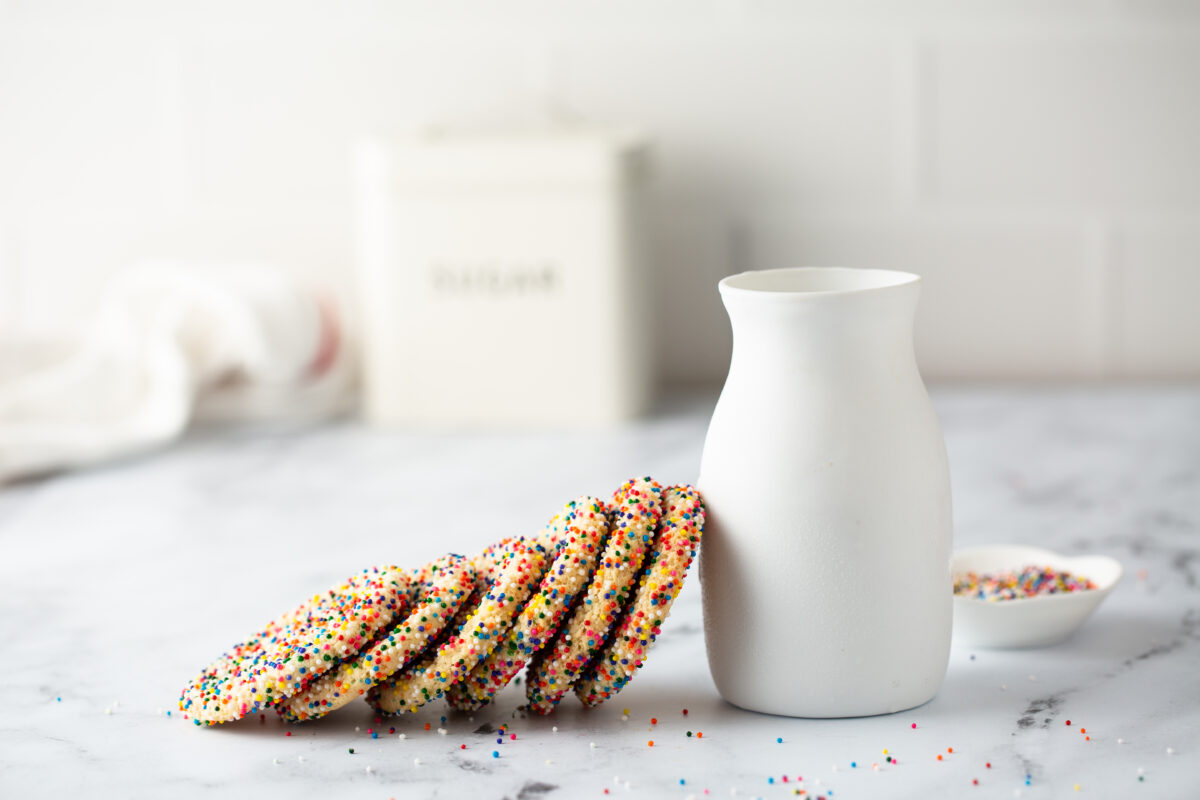
Market analysis of consumer baking trends over the past half-decade indicates a steady preference for recipes utilizing basic pantry staples. As grocery inflation and tighter household schedules prompt consumers to rethink dining and entertainment habits, scratch-made baked goods have increasingly served as an economical yet rewarding domestic activity. Sprinkle sugar cookies occupy a unique sweet spot in this economic environment, relying on inexpensive foundational ingredients—such as flour, butter, sugar, and vanilla—while offering the customization potential of commercially produced bakery items.
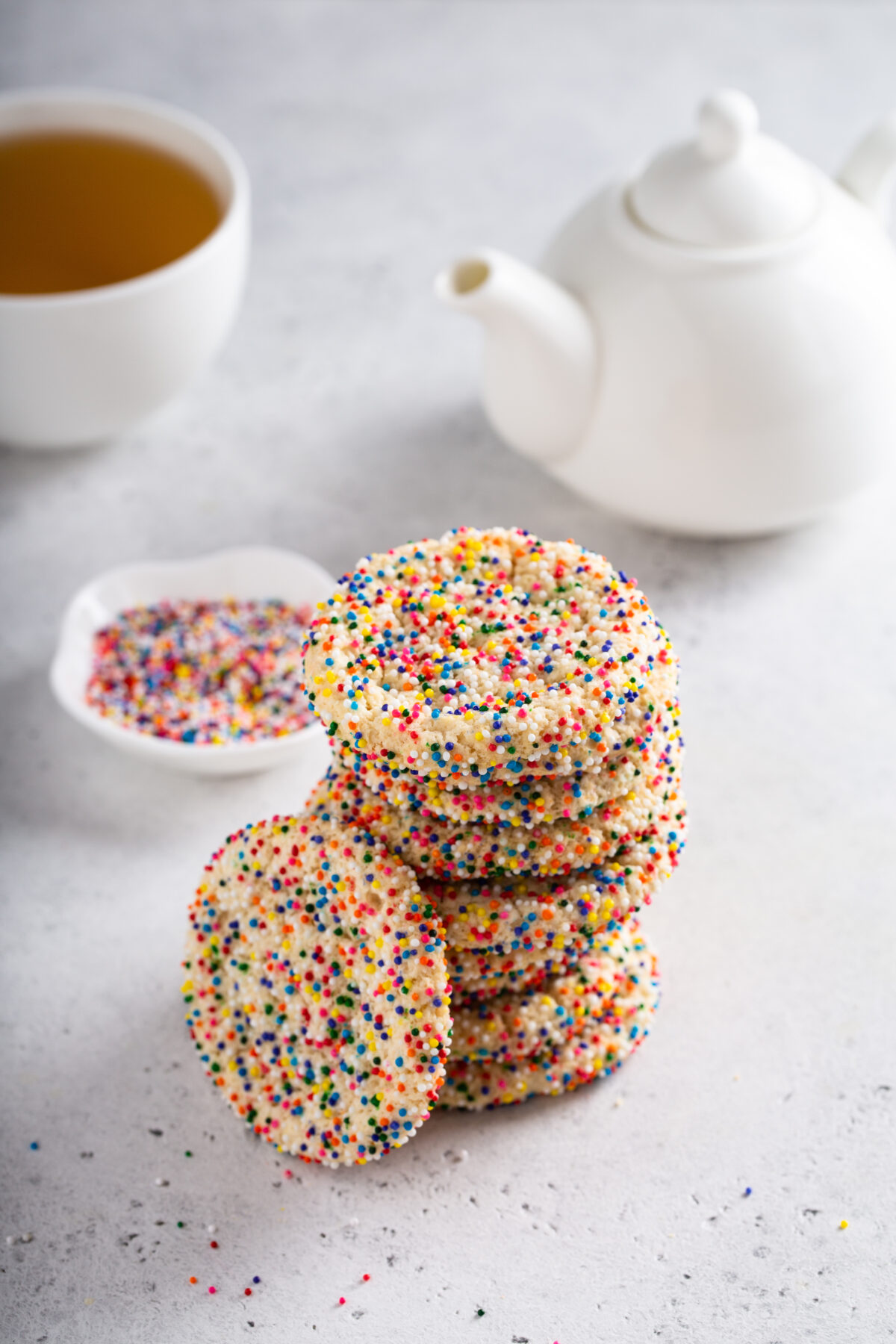
The appeal of the recipe lies heavily in its streamlined construction. Unlike traditional holiday cookies that require rolling out dough, cutting shapes, and waiting hours for royal icing to dry and set, sprinkle sugar cookies utilize a pre-bake coating method. By rolling individual dough balls in jimmies—the elongated, soft sugar cylinders traditionally reserved for ice cream toppings—prior to baking, home bakers achieve a bright, confetti-like finish instantly upon removing the pans from the oven. This structural approach eliminates post-baking cooling and decorating phases entirely, reducing total kitchen engagement time to under an hour.
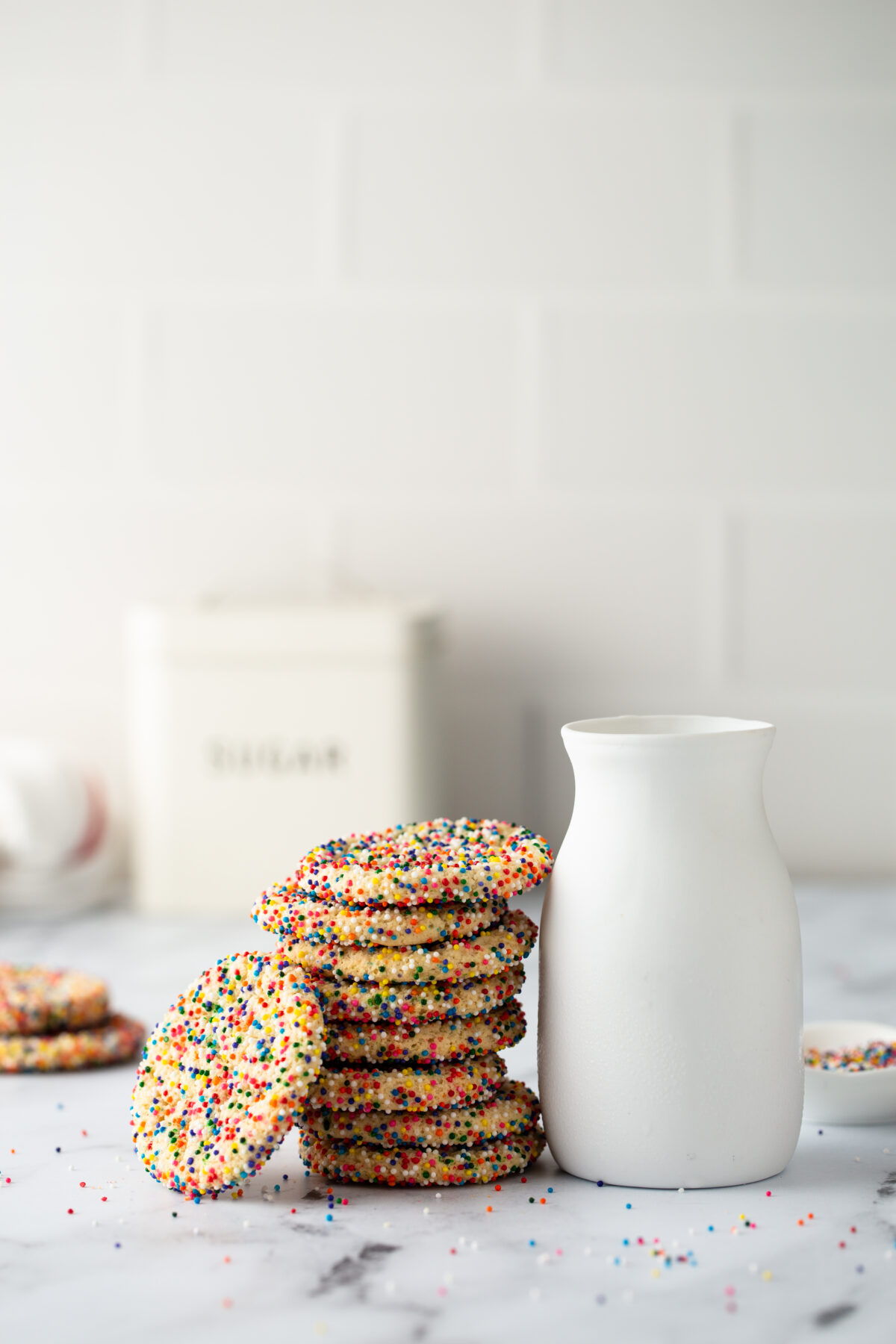
Culinary experts note that achieving the ideal texture requires precise temperature control and measurement techniques. Professional pastry chefs emphasize the importance of using softened, rather than melted, butter to prevent excessive spreading during the baking process. Additionally, a standardized chilling period of approximately thirty minutes allows the butter to solidify, ensuring that the cookies retain a thick, soft center while developing lightly crisp edges. Precision in flour measurement remains critical; packing flour directly into measuring cups frequently introduces excess dry weight, leading to crumbly or dry results, which can be mitigated by spooning and leveling the dry ingredients.
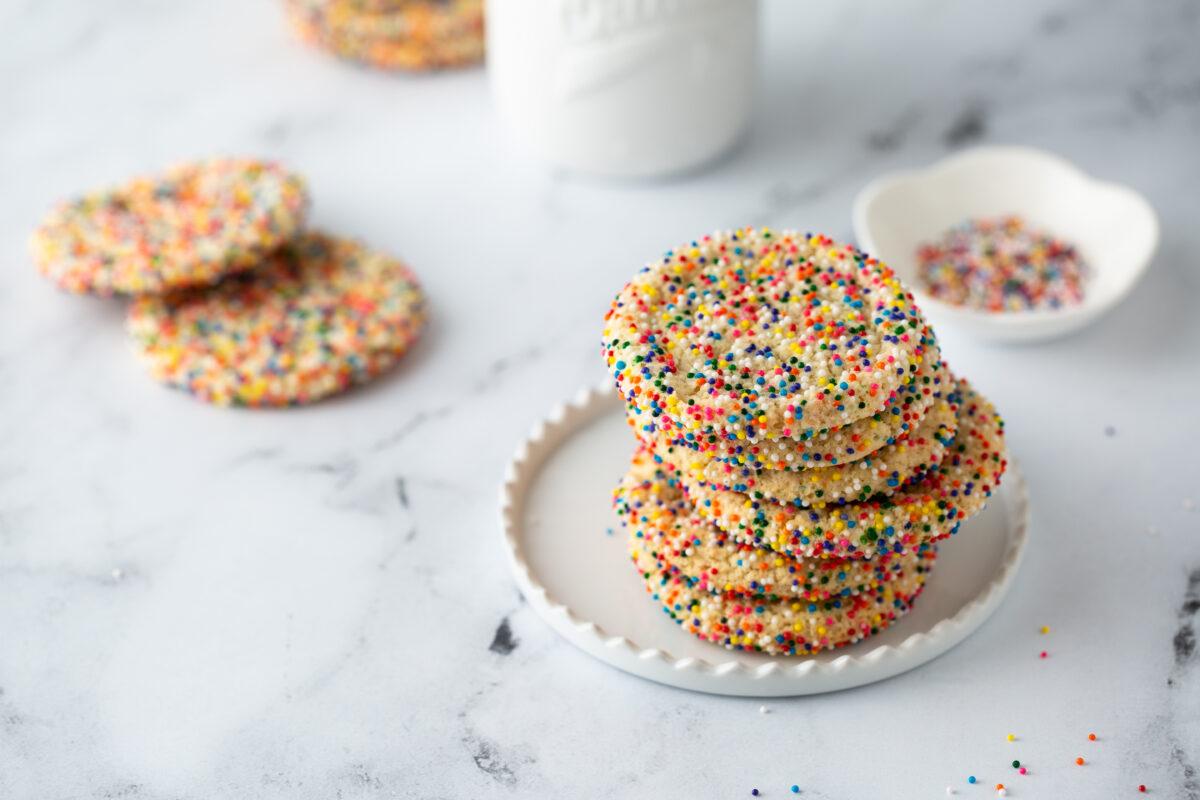
Beyond individual home kitchens, these cookies have found widespread adoption in institutional settings, including elementary schools, community fundraisers, and youth baking programs. Child development specialists and family nutrition educators frequently highlight the recipe’s high degree of kid-friendly ergonomics. Because the final preparation step involves rolling dough balls in colorful sprinkles, young children can safely participate in the production process, fostering early fine motor skill development and positive associations with culinary arts.
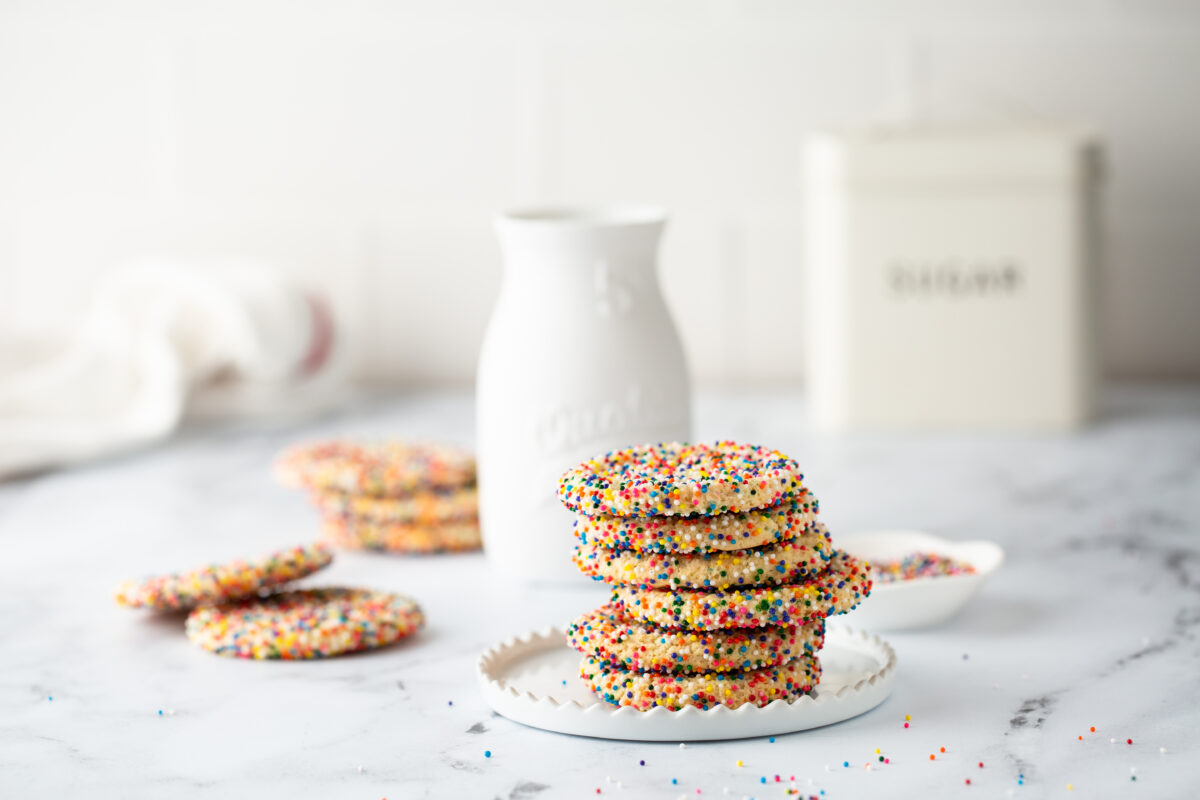
Nutritional and logistical flexibility further enhances the recipe’s viability for modern households. The dough can be prepared up to forty-eight hours in advance and refrigerated, or frozen in pre-rolled, sprinkle-coated balls for up to three months, allowing time-constrained parents and event planners to execute large batches on short notice. Furthermore, simple variations—ranging from the incorporation of almond extract for birthday cake profiles to the substitution of cocoa powder for chocolate iterations—demonstrate the recipe’s adaptability across diverse dietary preferences and seasonal themes, cementing its status as a permanent fixture in contemporary home economics.