This Balsamic Grilled Chicken is a simple, elegant, and flavor-packed recipe perfect for weeknight dinners or summer grilling.

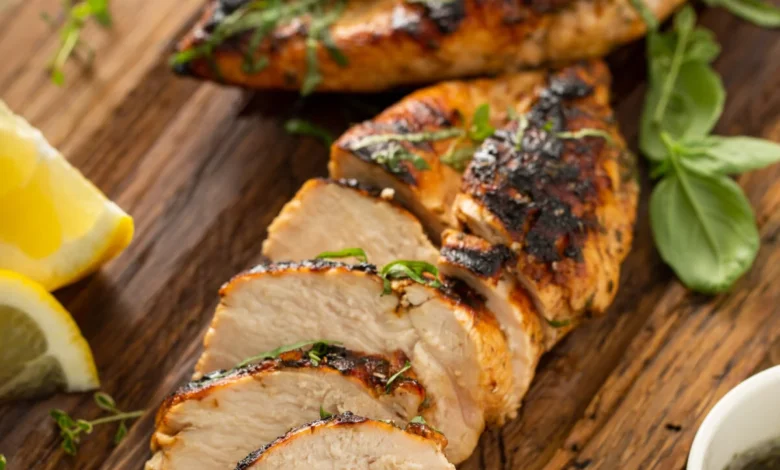
The culinary landscape of weeknight meals is often a tightrope walk between convenience and flavor. For home cooks seeking a dish that delivers on both fronts, the Balsamic Grilled Chicken emerges as a compelling solution. This recipe, celebrated for its straightforward preparation and sophisticated taste, has become a staple for those looking to elevate their dining experience without sacrificing precious time. Its appeal lies in the harmonious blend of tangy balsamic vinegar, aromatic herbs, and the inherent succulence of grilled chicken, creating a dish that is both comforting and remarkably refined.
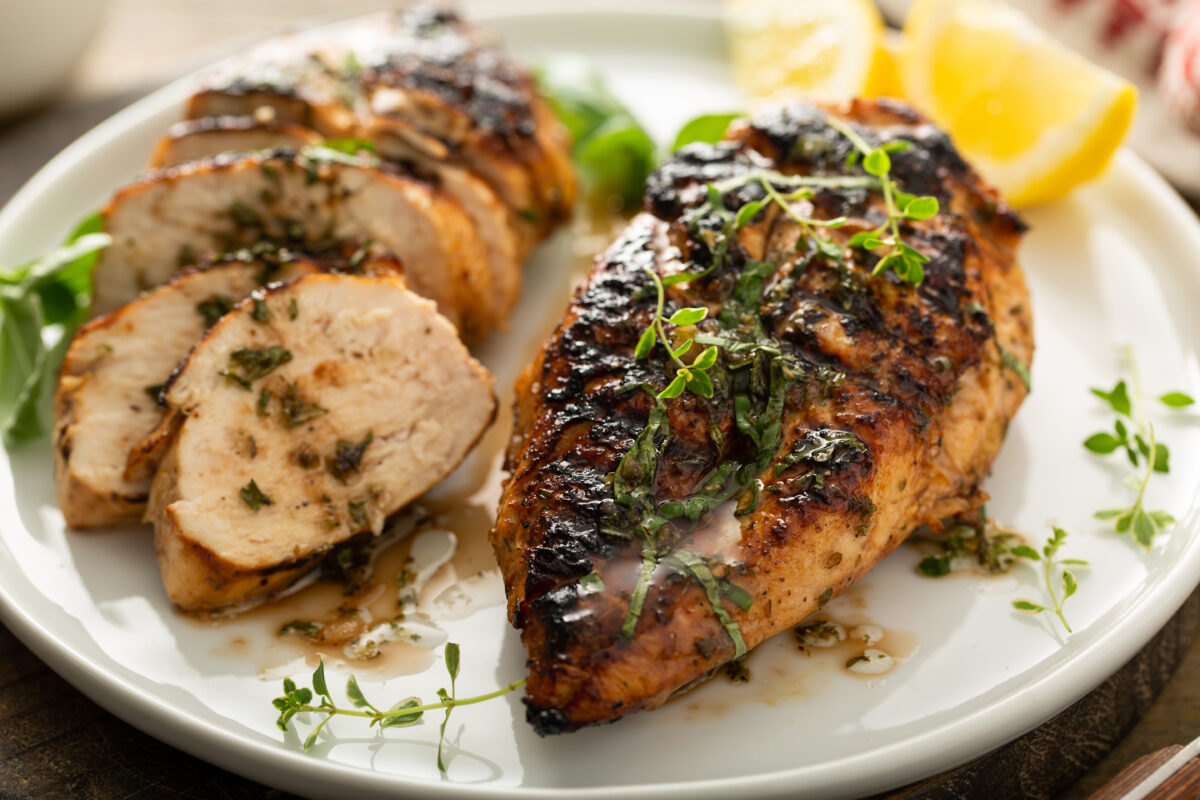
At its core, the Balsamic Grilled Chicken recipe leverages a potent marinade to transform ordinary chicken breasts into a culinary delight. The primary ingredient, balsamic vinegar, provides a characteristic sweet and tart profile that deepens with the heat of the grill. This rich, complex flavor is further enhanced by the addition of garlic, a touch of honey for balanced sweetness, and a medley of fresh herbs. These aromatics infuse the chicken during its marination period, ensuring that each bite is imbued with a vibrant, fresh essence. The grilling process itself plays a crucial role, as the sugars within the balsamic marinade caramelize, forming appealing golden-brown edges and imparting a subtle smokiness that is intrinsically linked to outdoor cooking. This textural and flavor contrast—the tender, juicy interior against the slightly crisped, caramelized exterior—is a hallmark of well-executed grilled chicken.
The inherent simplicity of this recipe is one of its most significant advantages. Requiring only a handful of common ingredients and minimal preparation time, it is ideally suited for busy weeknights. The marination process, often a few hours or overnight, can be done in advance, allowing for even quicker assembly when it’s time to cook. This foresight makes it an excellent candidate for meal prepping, providing a versatile protein that can be incorporated into various dishes throughout the week. The resulting chicken is not only a standalone star but also a highly adaptable component for salads, wraps, sandwiches, and grain bowls, underscoring its practicality for modern, time-conscious lifestyles.
The Allure of Balsamic Marinades
The popularity of balsamic marinades in contemporary cuisine is not accidental. Balsamic vinegar, originating from the Modena region of Italy, has a long-standing history as a prized condiment. Traditionally aged for years, it develops a syrupy consistency and a complex flavor profile that distinguishes it from other vinegars. Its versatility allows it to bridge the gap between sweet and savory, making it an ideal base for marinades. In the case of grilled chicken, the acidity of the vinegar tenderizes the meat, while its natural sugars contribute to the Maillard reaction during grilling, leading to desirable browning and flavor development. Studies on the Maillard reaction highlight how the complex interplay of amino acids and reducing sugars under heat creates hundreds of new flavor compounds, contributing to the rich taste and aroma of grilled foods.
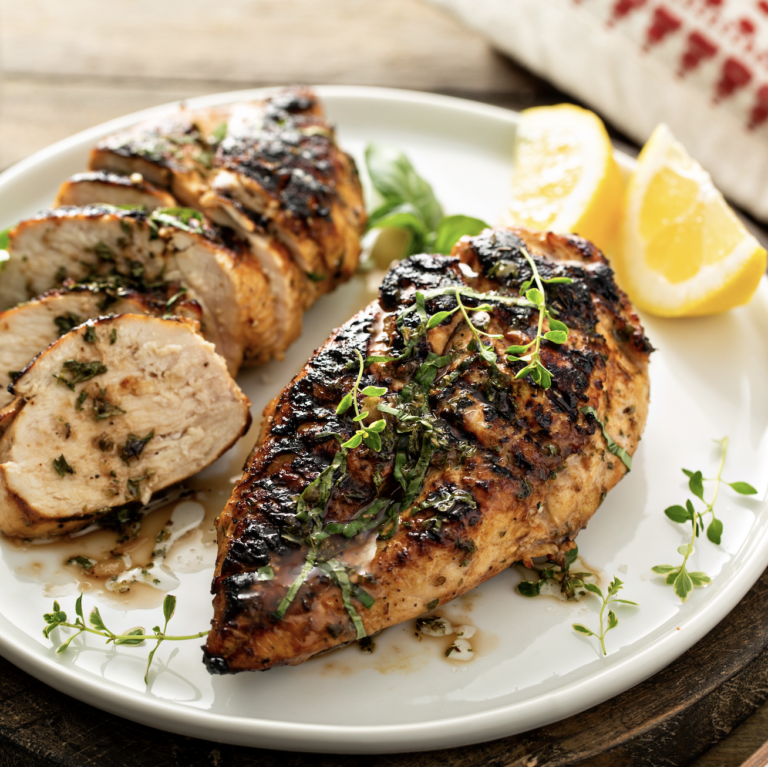
The addition of fresh herbs to the marinade further elevates the dish. Ingredients like thyme, rosemary, or parsley introduce bright, aromatic notes that cut through the richness of the balsamic and complement the savory chicken. This herbaceous element adds a layer of freshness that prevents the dish from becoming too heavy, making it feel both satisfying and invigorating. The synergy between the robust balsamic and the delicate herbal notes creates a balanced flavor profile that appeals to a broad range of palates.
Versatility and Adaptability
The beauty of the Balsamic Grilled Chicken recipe extends beyond its primary preparation. The marinade itself is remarkably adaptable, opening doors to numerous variations and applications.
Optimal Chicken Selections
While chicken breasts are the most common choice due to their quick cooking time and lean profile, other cuts can also be successfully marinated and grilled. Thighs, with their higher fat content, offer additional moisture and flavor, resulting in an even more succulent outcome. Bone-in pieces, such as chicken legs or thighs, will require longer cooking times but can yield a deeply flavorful result, especially when allowed to char slightly on the grill. The key is to adjust cooking times according to the thickness and type of chicken cut to ensure it is cooked through without becoming dry.
Expanding Beyond Poultry
The robust and appealing flavor of the balsamic marinade is not confined to chicken. This versatile blend can be used to marinate and grill a variety of other proteins, offering a consistent flavor profile across different culinary explorations.
- Pork: Pork tenderloin or pork chops benefit significantly from the tangy sweetness of the balsamic marinade, becoming tender and flavorful when grilled.
- Beef: Flank steak or sirloin can be marinated for a few hours to enhance their tenderness and introduce a delightful balsamic glaze.
- Seafood: Larger, firmer fish like salmon or tuna steaks can be lightly marinated (for shorter durations to avoid "cooking" the fish) and grilled for a delicate yet flavorful dish. Shrimp also absorb the marinade beautifully and cook very quickly.
- Tofu and Vegetables: For vegetarian and vegan options, firm or extra-firm tofu can absorb the marinade and achieve a satisfying texture when grilled. Hearty vegetables such as zucchini, bell peppers, red onion, and mushrooms also take well to this marinade, making for a complete and vibrant grilled meal.
Culinary Method Diversification
While grilling is often lauded as the optimal method for achieving the signature caramelized edges and smoky depth, this balsamic marinade is remarkably forgiving and can be adapted to various cooking techniques, ensuring this flavorful chicken can be prepared regardless of weather or equipment availability.
- Grilling (The Preferred Method): The direct heat of the grill, whether charcoal or gas, provides the ideal environment for the balsamic marinade to caramelize, imparting that sought-after smoky essence and slightly charred exterior. This method typically takes between 6 to 8 minutes per side for boneless, skinless chicken breasts, depending on thickness.
- Oven-Baking: For an indoor alternative, chicken marinated in balsamic can be baked at 400°F (200°C). For boneless, skinless breasts, this usually takes approximately 20 to 25 minutes, or until the internal temperature reaches 165°F (74°C). To enhance browning, a quick broil for the last few minutes can achieve a similar effect to grilling.
- Pan-Searing: A cast-iron skillet or heavy-bottomed pan is excellent for achieving a beautiful sear. Medium-high heat allows the exterior to crisp up while the marinade locks in moisture. After searing both sides, reducing the heat and covering the pan can help finish the cooking process through. This method is particularly effective for achieving a restaurant-quality crust.
- Air Frying: The air fryer offers a quick and efficient way to prepare marinated chicken. At 375°F (190°C), chicken breasts typically cook within 12 to 15 minutes, requiring a flip halfway through to ensure even cooking and browning. This method often results in a juicy interior and a slightly crisp exterior.
Meal Preparation and Storage Insights
The forward-thinking nature of meal preparation is a cornerstone of efficient home cooking, and Balsamic Grilled Chicken is an ideal candidate for such strategies. Once cooked, the chicken can be stored and repurposed in numerous ways, significantly reducing daily cooking demands.
Refrigerator Storage: Cooked Balsamic Grilled Chicken will retain its quality and flavor for up to 4 days when stored in an airtight container in the refrigerator. This makes it a perfect component for lunches or quick dinners throughout the work week.
Freezer Storage: For longer-term preservation, the cooked chicken can be frozen for up to 3 months. Ensure it is cooled completely before packaging it in freezer-safe bags or containers to prevent freezer burn. Thawing should be done in the refrigerator overnight for optimal texture and safety.
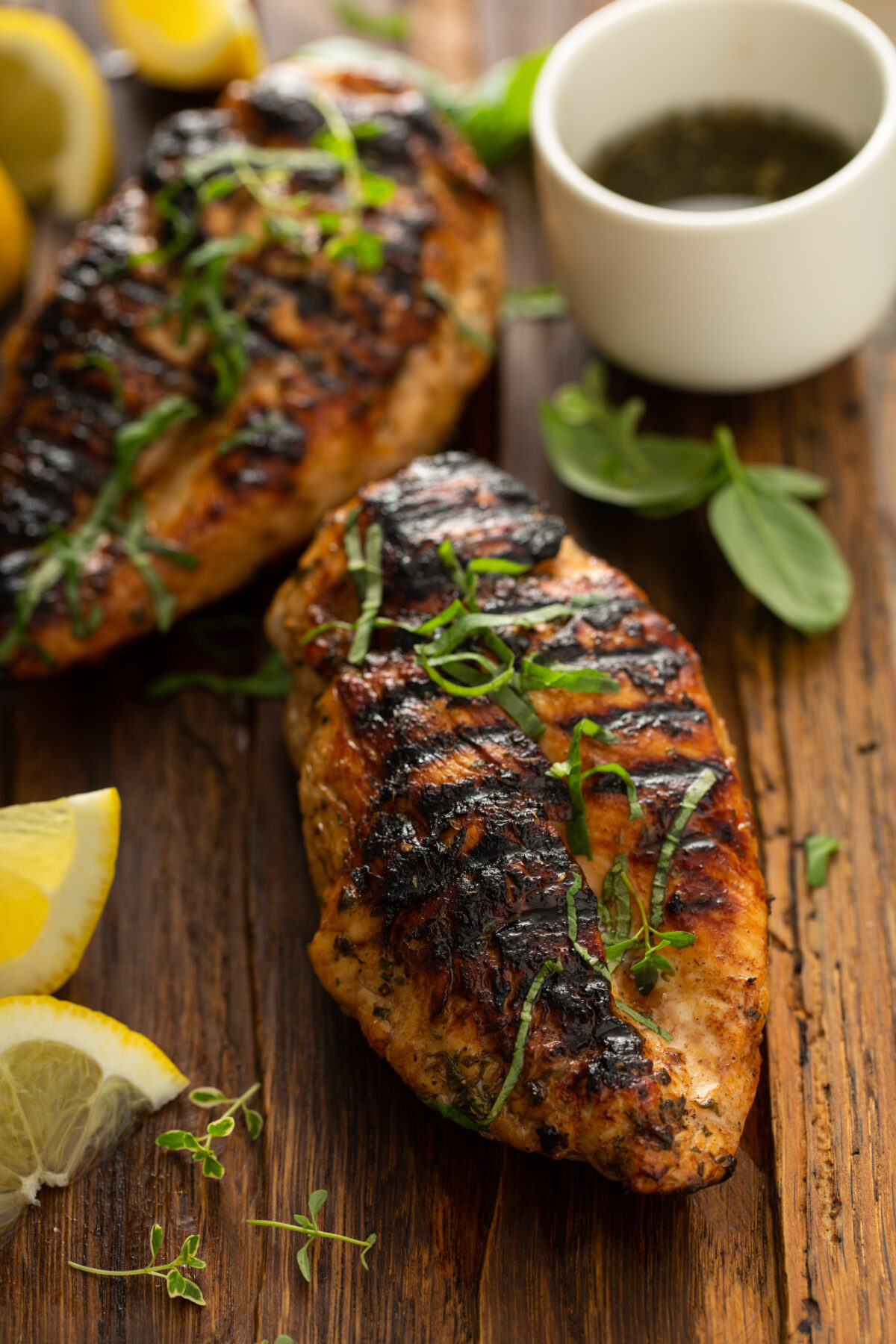
The versatility of prepped Balsamic Grilled Chicken is a key factor in its appeal for busy individuals and families. It can be sliced or diced and added to:
- Salads: A refreshing green salad becomes a substantial meal with the addition of tender, flavorful chicken.
- Wraps and Sandwiches: Quickly assemble satisfying wraps or sandwiches for lunches on the go.
- Grain Bowls: Combine with quinoa, rice, or farro, along with roasted vegetables and a drizzle of sauce, for a complete and nutritious bowl.
- Pasta Dishes: Toss with cooked pasta and a light sauce for an elevated weeknight pasta meal.
Harmonizing Flavors: Serving Suggestions
The balanced flavor profile of Balsamic Grilled Chicken makes it an exceptionally versatile dish, capable of complementing a wide array of side dishes. Its tangy, slightly sweet, and savory notes create a natural pairing with numerous culinary companions.
- Roasted or Grilled Vegetables: Asparagus, broccoli, zucchini, bell peppers, and cherry tomatoes all benefit from the smoky char of grilling or roasting, and their earthy sweetness pairs beautifully with the chicken.
- Fresh Salads: A crisp green salad with a light vinaigrette provides a refreshing contrast to the richness of the chicken. Consider adding ingredients like cucumber, feta cheese, or toasted nuts for added texture and flavor.
- Creamy or Starchy Sides: Mashed potatoes, roasted sweet potatoes, or a simple side of rice or quinoa offer a comforting base that absorbs the delicious juices from the chicken.
- Pasta: Lightly dressed pasta salads or a simple side of al dente pasta can be a hearty accompaniment.
- Legumes: Lentils or a simple bean salad can add protein and fiber, creating a well-rounded and nutritious meal.
Broader Implications and Nutritional Context
The widespread adoption of recipes like Balsamic Grilled Chicken reflects a growing trend towards healthier, home-cooked meals. The emphasis on fresh ingredients, lean protein, and simple preparation methods aligns with contemporary dietary recommendations. According to the USDA, chicken breast is a lean source of protein, providing essential amino acids necessary for muscle repair and growth. A typical 3-ounce serving of grilled chicken breast contains approximately 25 grams of protein and fewer than 3 grams of fat. Balsamic vinegar, while containing some natural sugars, is largely calorie-free and offers antioxidants. When prepared with minimal added sugars and healthy fats, this dish can be a cornerstone of a balanced diet. The ability to control ingredients also allows individuals to manage sodium intake and avoid preservatives often found in processed or pre-marinated meats.
The accessibility and popularity of this recipe also speak to the democratization of culinary knowledge. Through online platforms and recipe-sharing websites, sophisticated yet simple dishes like Balsamic Grilled Chicken can reach a global audience, empowering home cooks of all skill levels to create delicious and nutritious meals. The ongoing evolution of culinary techniques, from advanced grilling methods to the efficient use of air fryers, further enhances the appeal and practicality of such recipes, ensuring they remain relevant and celebrated in kitchens worldwide.