Curating Inclusive Classrooms: The Vital Role of Black History Month Literature in Early Childhood Education

Early childhood educators across the nation are increasingly recognizing that the foundational years of preschool serve as a critical window for shaping children’s worldviews, empathy, and social comprehension. In communities ranging from dense urban centers to isolated rural towns, young learners absorb cultural cues from their environments, making intentional pedagogical choices more essential than ever. Among these strategies, the integration of diverse literature—specifically picture books highlighting Black history, culture, and everyday experiences—has emerged as a cornerstone for fostering inclusive educational spaces. According to educational experts, introducing children to narratives featuring Black protagonists and historical figures not only validates the experiences of minority students but also equips peers from different backgrounds with cross-cultural awareness and mutual respect.

The Importance of Representation in Early Childhood Development

Child development specialists have long emphasized that children begin noticing racial differences and forming social biases as early as preschool. During this developmental phase, the absence of inclusive media can inadvertently reinforce feelings of invisibility among minority children, while simultaneously shielding children from majority cultures against the realities of a pluralistic society. Seminal research in developmental psychology indicates that when children encounter characters who share their racial, ethnic, or cultural backgrounds in literature, their self-esteem, cognitive engagement, and sense of belonging are significantly reinforced. Conversely, a homogenous classroom library can narrow a child’s understanding of humanity.

Educators argue that reading materials serve dual purposes: windows that allow children to look into the lives and experiences of others, and mirrors that reflect their own identities. By thoughtfully incorporating books that celebrate Black history and daily life, teachers lay the groundwork for empathetic reasoning, dismantling stereotypes before they become deeply rooted. This pedagogical approach aligns with broader educational equity initiatives aimed at narrowing the empathy gap in early learning environments.

Real People and True Stories: Introducing Nonfiction to Preschoolers

Nonfiction picture books focusing on historical figures and pivotal events offer young learners tangible entry points into complex subjects such as courage, civil rights, perseverance, and societal change. While historical accuracy remains paramount, early childhood educators adapt these narratives using accessible language, open-ended discussions, and visual aids to help preschoolers grasp foundational concepts of fairness and justice.

Prominent nonfiction titles frequently utilized in preschool curricula include Brittney Cooper’s Stand Up!, which profiles ten historical and contemporary women who fought for civil rights, spanning from iconic figures like Ruby Bridges and Rosa Parks to modern activists such as Bree Newsome. Such texts allow teachers to introduce the concept of civic engagement in age-appropriate terms. Similarly, Roda Ahmed’s Mae Among the Stars charts the childhood of Mae Jemison, the first African American woman in space, emphasizing familial support and the pursuit of ambitious goals.

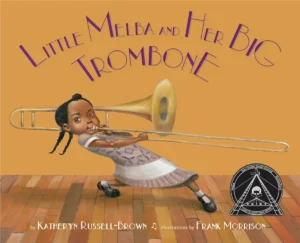
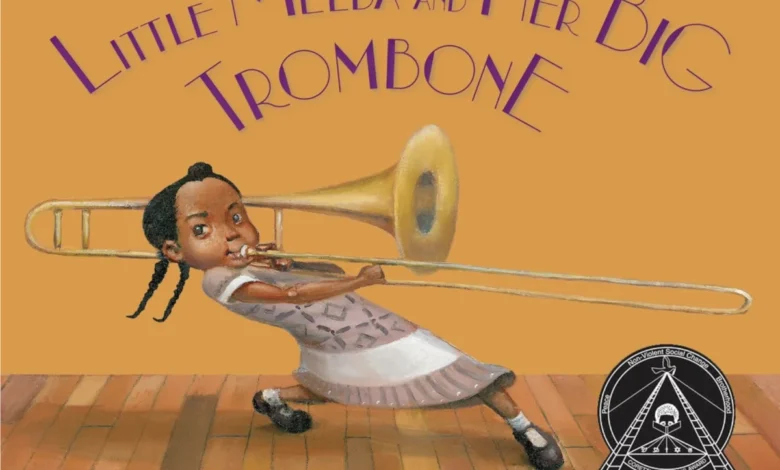
Other notable historical works include Monica Clark-Robinson’s Let the Children March, which chronicles the 1963 Children’s Crusade in Birmingham, Alabama, providing educators with a framework to discuss peaceful protest and community solidarity. In the realm of arts and culture, Katheryn Russell-Brown’s Little Melba and Her Big Trombone introduces children to jazz musician Melba Liston, addressing themes of resilience in the face of racial and gender barriers. Additionally, Rita Lorraine Hubbard’s The Oldest Student, illustrating the life of Mary Walker—who learned to read at age 116—underscores the universal value of lifelong learning and determination.

Celebrating Everyday Joy and Humanity in Fiction

While historical narratives are crucial, educational specialists stress that Black history and culture cannot be reduced solely to struggles against oppression or systemic injustice. Fiction and poetry that capture everyday moments, familial warmth, and ordinary childhood joys are equally vital for maintaining a balanced classroom library. Books portraying Black children playing in snowstorms, visiting libraries, navigating sibling dynamics, or simply experiencing familial love reinforce the reality that joy and creativity are central components of diverse human experiences.

Vashti Harrison’s award-winning book Big explores self-acceptance and the emotional landscape of feeling conspicuous in a world that enforces rigid expectations of size and space. In When Langston Dances by Kaija Langley, a young boy discovers a passion for ballet after attending an Alvin Ailey American Dance Theater performance, challenging traditional gender norms within athletic and artistic pursuits. Angela Joy’s Black is a Rainbow Color weaves poetry with cultural heritage, while Matthew A. Cherry’s Hair Love celebrates familial bonds and natural hair through a heartwarming father-daughter narrative.

Additional titles utilized in progressive preschool settings include Nancy Johnson James’ Brown: The Many Shades of Love, Matt de la Peña’s Last Stop on Market Street and Milo Imagines the World, Oge Mora’s Saturday, Grace Byers’ I Am Enough, Ruth Forman’s Like So, Parker Curry’s Parker Looks Up, and Lupita Nyong’o’s Sulwe. These selections collectively address nuanced concepts such as colorism, socioeconomic diversity, and visual bias, encouraging children to examine their own subconscious assumptions about others.

Broader Implications and Institutional Responses

The intentional curation of Black History Month literature within preschool settings extends far beyond February, serving as a year-round strategy for systemic inclusivity. Professional organizations, including the National Association for the Education of Young Children (NAEYC), have published extensive guidelines advising educators on how to broach conversations surrounding race, equity, and inclusion in early education classrooms. According to institutional policy analysts, early exposure to diverse literature correlates positively with reduced racial bias later in childhood, improved literacy metrics, and enhanced social-emotional competence.

Despite the proven benefits of inclusive curricula, school districts nationwide have faced administrative friction regarding the selection of library books addressing race and civil rights. Proponents of diverse book selection maintain that literature reflecting the pluralistic nature of modern society is not politically motivated, but rather an educational necessity. By ensuring that classrooms mirror the rich tapestry of the global community, educators provide children with the foundational tools necessary to navigate an interconnected world with curiosity, empathy, and mutual respect.
Related posts: