Enhancing Early Childhood Development Through Targeted Fine Motor Activities: A Comprehensive Guide for Educators and Families

The landscape of early childhood education is currently undergoing a significant shift toward evidence-based, play-centered interventions that prioritize the development of fine motor skills as a precursor to academic success. Research in pediatric development consistently demonstrates that the mastery of small muscle movements in the hands and fingers—known as fine motor skills—is foundational not only for self-care tasks like dressing and eating but also for the eventual acquisition of literacy and numeracy. As educational institutions prepare for the upcoming 2026 release of the second edition of "Beautiful Beginnings: A Developmental Curriculum for Infants and Toddlers," authored by Helen H. Raikes, Ph.D., Darcy D. Lenz, M.Ed., and Katlyn M. Hoggatt, M.Ed., there is a renewed focus on low-cost, high-impact activities that can be integrated into both classroom environments and home settings. This curriculum, which aligns with the Ages & Stages Questionnaires (ASQ) and the Centers for Disease Control and Prevention (CDC) developmental milestones, emphasizes that fun and simple experiences are the primary drivers of neurological and physical growth in children aged birth to three.
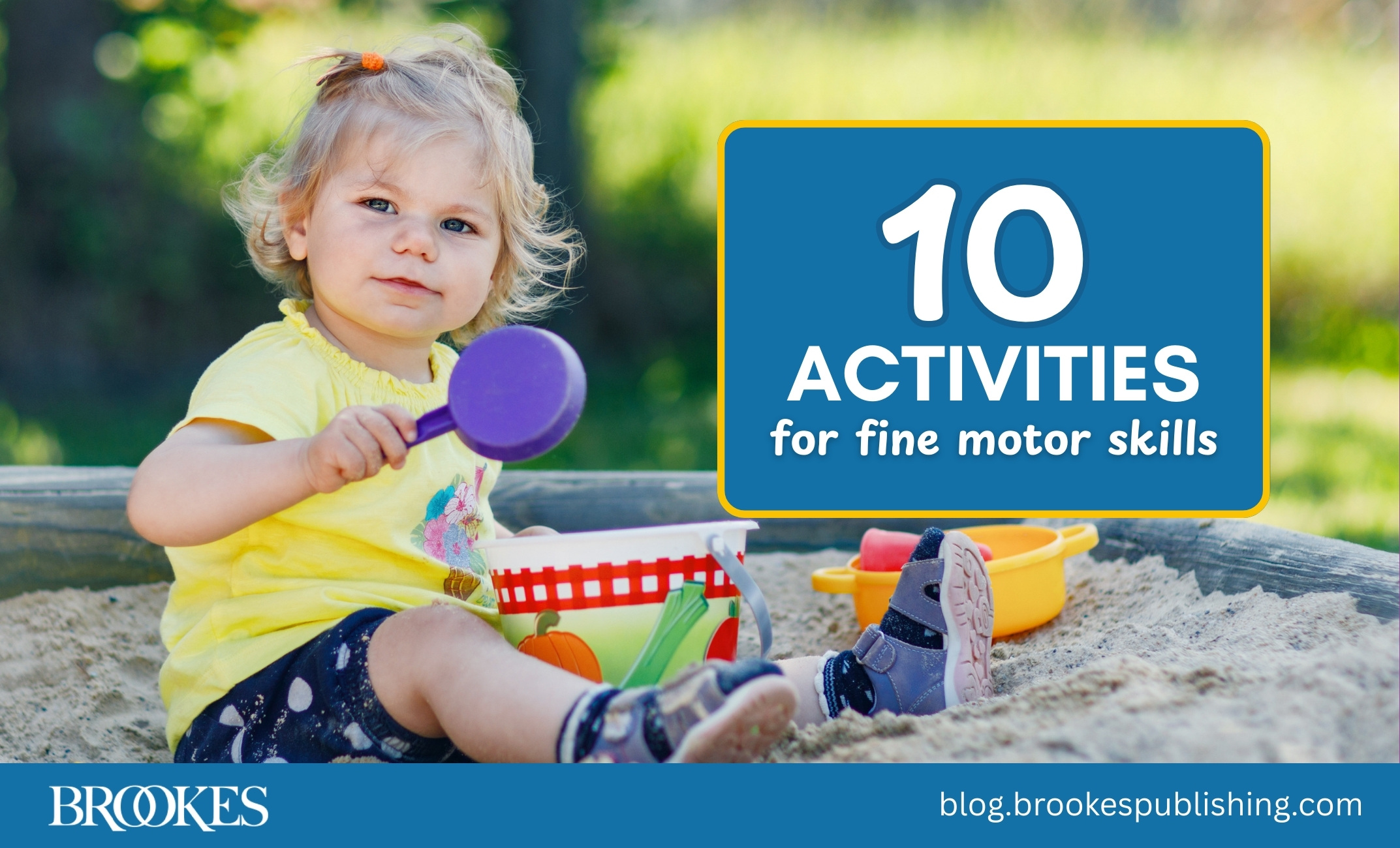
The Neurological and Physical Importance of Fine Motor Mastery
Fine motor development involves the refined use of the small muscles controlling the hand, fingers, and thumb. These skills allow a child to complete tasks such as reaching, grasping, and manipulating objects. From a neurological perspective, these movements are complex, requiring the brain to coordinate visual information with muscular response—a process known as hand-eye coordination. According to data from the CDC’s “Learn the Signs. Act Early.” program, children typically begin to develop a pincer grasp (using the thumb and forefinger) between 9 and 12 months, which serves as the basis for nearly all future manual dexterity.
Experts in the field, including the authors of "Beautiful Beginnings," argue that early intervention is critical. When toddlers are provided with consistent opportunities to practice these skills, they build the muscle memory and strength required for later challenges, such as holding a pencil or using scissors. Furthermore, the psychological impact of mastering these tasks cannot be overstated; as children gain the ability to manipulate their environment, their sense of autonomy and self-efficacy increases, which is a key component of healthy emotional development.

A Chronology of Curriculum Evolution: The Path to "Beautiful Beginnings" Second Edition
The development of the "Beautiful Beginnings" curriculum reflects a multi-year effort to synthesize the latest research in early childhood education into a practical format for educators. The first edition established a baseline for activity-based learning, focusing on the premise that expensive toys are not necessary for high-quality developmental support.
Following the success of the initial release, the authors began a comprehensive review process in the early 2020s to align the curriculum with updated developmental benchmarks from the ASQ-3 and the latest CDC milestone revisions. Between 2024 and 2025, the 350+ activity sheets included in the new edition underwent field testing in various childcare programs to ensure they were accessible to diverse populations. The timeline for the current rollout includes a pre-order phase through late 2025, culminating in a scheduled release in the summer of 2026. This second edition is specifically designed to target eight key developmental areas, ensuring that progress in fine motor skills is integrated with cognitive, social-emotional, and linguistic growth.

Strategic Fine Motor Activities for Toddler Programs
To support these developmental goals, educators are encouraged to implement a variety of tactile experiences. The following activities, derived from the research-supported framework of the "Beautiful Beginnings" curriculum, offer practical ways to enhance digital dexterity using common household or classroom items.
Precision and Release: The "Aim and Drop" Method
The "Aim and Drop" activity is a fundamental exercise in hand-eye coordination and controlled release. By instructing a child to drop a clothespin, a spool, or pieces of uncooked pasta into a container with a narrow opening—such as a milk jug—educators are asking the toddler to calculate distance and align their movements precisely. This activity also provides sensory feedback; the sound made by the objects hitting the bottom of the container reinforces the child’s understanding of cause and effect.

Functional Autonomy: The "Snacktime Helper"
Incorporating fine motor practice into daily routines is a hallmark of the Raikes, Lenz, and Hoggatt approach. "Snacktime Helper" transitions the toddler from a passive recipient of food to an active participant in its preparation. Tasks such as twisting lids, spreading condiments with a blunt knife, or scooping applesauce require bilateral coordination (using both hands together) and different types of grasps. Analysts suggest that involving children in these tasks early on reduces "learned helplessness" and accelerates the physical ability to perform self-feeding.
Dexterity and Patterning: "Macaroni Stringing"
A classic pedagogical tool, stringing large-hole pasta like rigatoni onto a stiffened string or shoelace, requires significant concentration and steady hands. This activity can be scaled in difficulty; younger toddlers may simply focus on the act of threading, while older children can paint the pasta first, adding a layer of artistic expression. The use of a "stiff tip"—created by taping the end of a piece of yarn—is a crucial modification that prevents frustration and allows the child to focus on the motor task rather than the limitations of the material.

Literacy Integration: "My Favorite Things"
The "My Favorite Things" activity bridges the gap between fine motor development and early literacy. By choosing pictures to glue into a handmade book and attempting to "write" their names, children practice the tripod grasp and the precision required for gluing and sticking. Even if a child’s signature is a mere mark, it represents the beginning of symbolic thought and the physical control necessary for future handwriting.
The Pincer Grasp: "Sticky Shapes" and "Sorting Objects"
Refining the pincer grasp is essential for digital precision. "Sticky Shapes" involves pressing plastic materials onto mirrors or windows, which requires the child to use the pads of their fingers to apply pressure. Similarly, "Sorting Objects" using tongs or small spoons to move cotton balls or shells into egg cartons or muffin pans introduces the concept of categorization while simultaneously strengthening the hand muscles used for gripping tools.

Data-Driven Insights: Why Low-Cost Materials Matter
In a 2023 report on early childhood equity, researchers found that the "toy gap"—the disparity in access to high-quality educational materials between high-income and low-income families—can impact developmental outcomes. The "Beautiful Beginnings" curriculum addresses this by utilizing "found objects" and low-cost supplies.
Statistical analysis indicates that the efficacy of a learning activity is not determined by the price of the material but by the frequency of the interaction and the engagement of the caregiver. By using items like cereal boxes for "Beginner Puzzles" or sand and funnels for "Funnel Fun," the curriculum ensures that high-quality developmental support is accessible to all socio-economic groups. This approach democratizes early childhood education, providing every child with the opportunity to reach their milestones regardless of their family’s financial resources.

Broader Implications for the Educational Sector
The release of the "Beautiful Beginnings" second edition in 2026 is expected to have a ripple effect across the childcare and early education sectors. By providing 350+ photocopiable activity sheets, the curriculum offers a scalable solution for large-scale childcare providers who need to maintain consistent standards of care across multiple locations.
Furthermore, the alignment with ASQ and CDC milestones provides a standardized language for educators and parents to discuss a child’s progress. When a teacher can point to a specific activity—such as "Draw What I Draw" (where a child mimics zigzags and spirals)—and explain how it relates to neurological development, it builds trust and fosters a collaborative environment between the home and the classroom.

Safety and Supervision: The Professional Standard
While the activities described are designed for fun and engagement, professional standards dictate a rigorous approach to safety. All activities must be supervised by an adult to prevent choking hazards, particularly when using small objects like pasta, shells, or clothespins. Educators are tasked with reviewing all materials for safety before they are introduced into the play environment. This vigilant supervision ensures that the learning process remains a positive and secure experience for the child.
As the educational community looks toward the summer 2026 launch, the emphasis remains on the joyful, activity-based approach that has made the "Beautiful Beginnings" framework a bestseller. By focusing on the intersection of play and science, educators can ensure that the next generation of learners is physically and cognitively prepared for the challenges of the future. The curriculum not only expanded on emerging developments but also provided a clear roadmap for encouraging progress in areas where a child may face developmental delays, making it an indispensable tool for the modern educator.
Related posts: