The integration of literacy into play is supported by the National Association for the Education of Young Children (NAEYC), which emphasizes that a playful, intentional approach to literacy is essential for preschool-aged children. When students encounter a clipboard in a "doctor’s office" or a menu in a "cafe," they are not merely playing; they are decoding the societal functions of text. This method fosters a sense of "grown-up" responsibility, enticing students to experiment with reading and writing in a low-stakes, high-engagement environment.
The Evolution of Early Literacy Instruction
Historically, early literacy instruction relied heavily on direct instruction, focusing on phonics, letter recognition, and repetitive tracing. However, longitudinal data from the last two decades suggests that while these skills are foundational, they are most effective when paired with "emergent literacy" experiences. Emergent literacy posits that children begin learning about reading and writing long before they can actually read or write fluently.

The shift toward functional literacy in dramatic play represents a move toward a more holistic educational model. In this framework, the classroom is no longer a static environment but a dynamic "print-rich" space. Educators are now tasked with curating environments where text serves a purpose. This evolution in teaching philosophy reflects a broader understanding of cognitive development: children learn best when information is relevant to their immediate social goals.
Level 1: The Foundation of Environmental Print
The first stage of functional literacy is the introduction of environmental print. This refers to the signs, symbols, and logos that permeate daily life. For a preschooler who cannot yet decode phonetic sounds, environmental print serves as the first "readable" text. In a dramatic play setting, this involves the strategic placement of signs such as "Open," "Closed," "Exit," or labels on bins and shelves.
Research indicates that exposure to environmental print helps children develop the "alphabetic principle"—the understanding that marks on a page represent specific meanings or sounds. When a child recognizes a "Stop" sign in a play-based traffic zone, they are performing a complex cognitive task: they are retrieving a stored meaning from a visual symbol. This builds confidence and provides a bridge to more complex reading tasks. Furthermore, environmental print adds a layer of realism to the play center, increasing student "buy-in" and prolonging the duration of focused play, which is itself a predictor of future academic success.

Level 2: Reading for Information and Decision-Making
As children become comfortable with the presence of print, the next level of functional literacy involves using text to gather information and make decisions. This is a significant cognitive leap from mere recognition to active utility. In the dramatic play center, this is achieved through the use of menus, instructional posters, and labeled diagrams.
Consider a "Pet Shop" or "Veterinary Clinic" scenario. A student might look at a chart to determine which supplies are needed to "wash" a toy dog. By following a sequence of pictures paired with words (e.g., 1. Water, 2. Soap, 3. Towel), the child is learning the mechanics of informational reading. Similarly, in a "Taco Stand" setup, a "customer" might look at a menu to decide what they want to order, while the "server" points to the words to confirm the choice.
This level of engagement teaches children that reading is a source of power and autonomy. It allows them to navigate their environment independently. Data from early childhood literacy assessments show that children who engage in these "informational" play activities score higher on reading comprehension tests in later grades, as they have already internalized the concept that text conveys specific, actionable data.

Level 3: Writing for a Purpose and Functional Production
The peak of functional literacy in the preschool classroom is reached when writing becomes a necessary component of the play. This stage focuses on providing the tools and the motivation for children to produce their own text. When a writing tool is introduced not as a task, but as a requirement for the game to continue, the resistance often associated with early writing disappears.
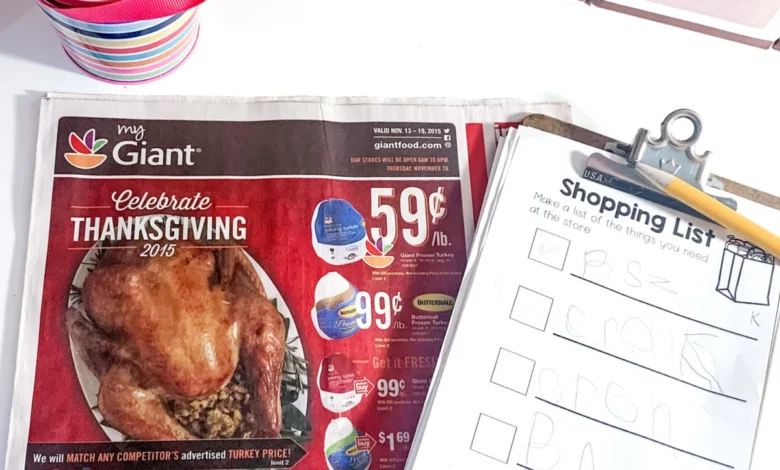
In a "Hot Drink Cafe," for example, a student might use an order form to check off which beverage a classmate wants. In a "Post Office" center, they might scribble an address on an envelope. Even if the "writing" consists of scribbles or "invented spelling," the child is practicing the physical act of writing and the mental act of encoding thought into a physical medium.
The use of sign-in sheets, appointment logs, and "prescriptions" in a play doctor’s office provides a meaningful reason to write. Educators note that when children feel they are performing a "real" job, their persistence in practicing fine motor skills increases. They are no longer just "drawing lines"; they are "taking an order" or "saving a patient."

Data and Research: The Impact of Play-Based Literacy
A growing body of evidence supports the efficacy of integrating literacy into dramatic play. A study published in the Journal of Early Childhood Literacy found that classrooms with high levels of "prop-based literacy" (the inclusion of writing materials in play centers) saw a 40% increase in voluntary writing attempts by students compared to traditional classrooms.
Furthermore, the NAEYC reports that play-based literacy supports the development of "executive function" skills, such as working memory, cognitive flexibility, and inhibitory control. When a child has to remember a customer’s order while finding the correct "check-off" box on a form, they are exercising their brain in ways that a standard worksheet cannot replicate.
The social aspect of dramatic play also plays a role in literacy development. "Peer-to-peer scaffolding" occurs when a more advanced student helps a peer "read" a sign or "write" a name. This social interaction reinforces the learning and creates a community of learners where literacy is a shared, valued skill.

Implementation Strategies for Educators
Implementing a functional literacy program does not require an expensive overhaul of the classroom. Instead, it requires intentionality. Experts recommend the following chronology for introducing these elements:
- Observation: Teachers should first observe current play patterns to see where print would naturally fit.
- Environmental Addition: Introduce simple signs and labels to the existing play area.
- Introduction of Tools: Add clipboards, pens, and paper, modeling their use during circle time.
- Thematic Expansion: Rotate the dramatic play theme (e.g., from a "Grocery Store" to a "Space Station") to introduce new vocabulary and different types of functional text.
- Assessment: Observe how students interact with the materials and adjust the complexity of the print to meet the varying needs of the students.
For instance, in a "Taco Stand" theme, an educator might start with just a sign. The following week, they might add a simple menu with pictures. By the third week, they might introduce a "Guest Check" pad where students can "write" the total number of tacos ordered. This gradual increase in complexity ensures that students are challenged without becoming overwhelmed.
Broader Implications for Future Academic Success
The implications of functional literacy extend far beyond the preschool years. As the modern economy shifts toward a greater reliance on information technology and communication, the ability to use text functionally is more important than ever. By introducing these concepts early, educators are preparing children for a world where they must constantly decode and produce information.
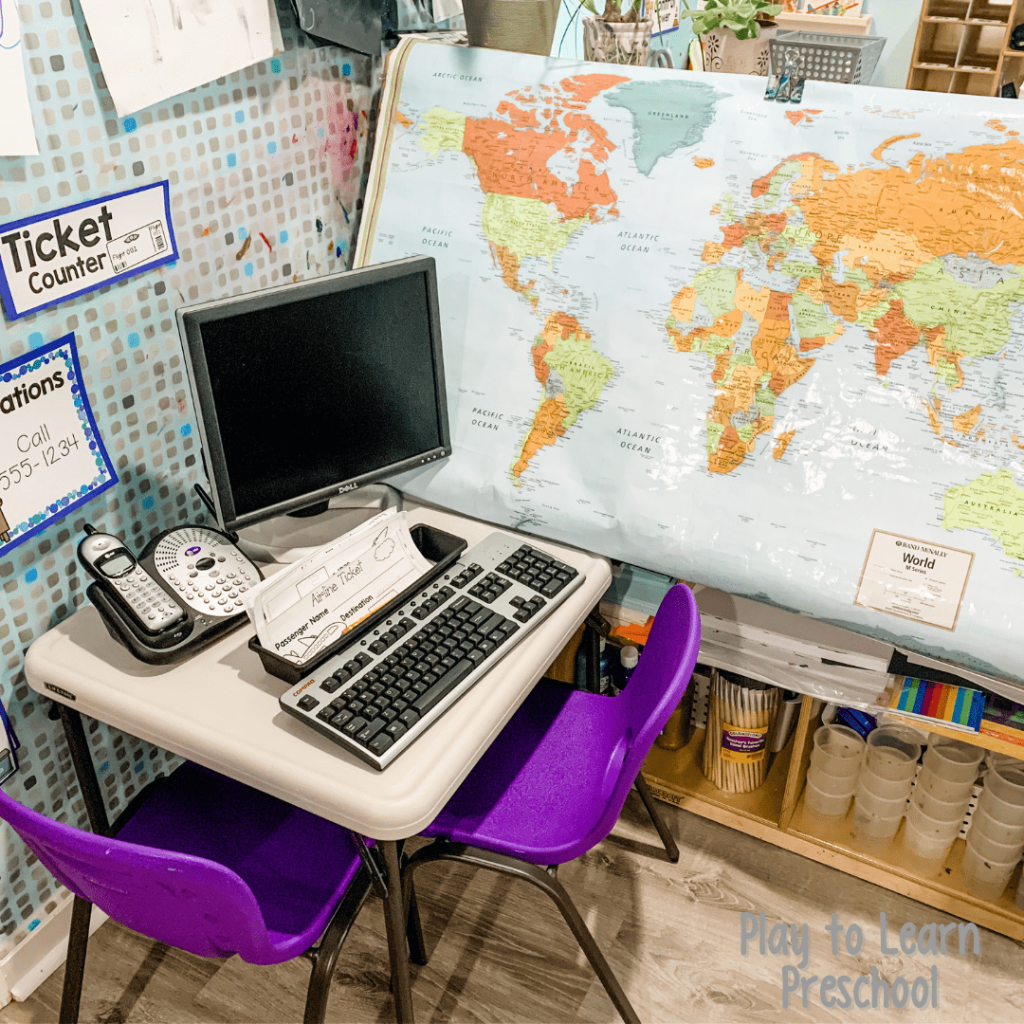
Moreover, this approach addresses the "literacy gap" often seen in children from different socioeconomic backgrounds. By providing a rich, text-heavy environment in the classroom, schools can ensure that all children, regardless of their home environment, have the opportunity to develop a positive and functional relationship with written language.
The "grown-up" feeling that children experience when using a clipboard or a menu is a powerful motivator. It fosters a sense of agency and self-efficacy. When a child realizes that they can use a pen and paper to influence the world around them—by taking an order or signing a name—they are no longer just students; they are active participants in a literate society.
Conclusion
Functional Literacy: Naturally Integrate Writing into Dramatic Play is more than just a classroom trend; it is a fundamental shift in how we approach early childhood education. By treating literacy as a natural, functional part of the human experience, rather than a series of abstract rules to be memorized, educators are setting the stage for a lifetime of successful communication. Through the clever use of environmental print, informational reading, and purposeful writing, the dramatic play center becomes the most important "academic" hub in the preschool classroom. As children "play" at being chefs, doctors, and shopkeepers, they are simultaneously mastering the very skills that will define their future academic and professional lives.
Related posts: