Embracing Autumnal Flavors: A Culinary Roadmap for Mid-Week Family Dinners and Seasonal Produce Integration

The transition from late summer to early autumn brings a significant shift in consumer purchasing habits, culinary preferences, and agricultural availability. As local farmers markets begin to display the initial harvest of autumn-inspired produce—ranging from crisp apples and hearty squashes to robust greens and root vegetables—home cooks and culinary planners face the annual task of adapting family meal schedules to reflect these seasonal changes. Amid busier post-summer school and work routines, the demand for streamlined, nutritious, and family-friendly dinner options has intensified, prompting a renewed focus on strategic meal planning.
Culinary platforms and family nutrition experts have increasingly emphasized the importance of structured weekly menus to mitigate the mid-week fatigue often associated with home cooking. By integrating seasonal ingredients with quick-preparation proteins, households can maintain dietary quality while reducing the time spent on food preparation. This week’s highlighted meal plan exemplifies this balance, offering a curated schedule that features comfort-driven pasta dishes, quick-assembly burgers, and dedicated breaks from domestic cooking, all while maximizing the nutritional yield of the early fall harvest.
The Evolution of Modern Family Meal Planning
Meal planning has evolved from a niche organizational hobby into a widely recognized strategy for nutritional health, financial economy, and stress reduction. According to recent consumer behavior studies conducted by food industry analysts, households that utilize structured weekly meal plans report a 25 percent reduction in weekly food waste and a significant decrease in reliance on ultra-processed convenience foods.
The psychological and logistical benefits of meal planning are particularly pronounced during seasonal transitions. As daylight hours shorten and academic and professional calendars become more demanding, the cognitive load of deciding what to cook each evening can become a source of household friction. Culinary strategists advocate for a hybrid approach: combining scratch-cooking with shortcut ingredients, leveraging multi-use kitchen appliances like air fryers, and intentionally scheduling low-effort evenings, such as takeout nights, to maintain long-term sustainability in the kitchen.
Mid-Week Highlights: Comfort and Efficiency on Wednesday
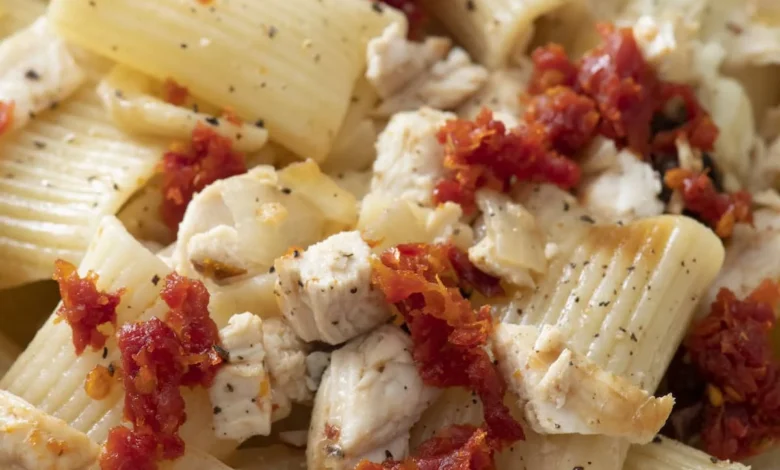
At the center of this week’s culinary schedule is a Wednesday evening meal designed for maximum efficiency without sacrificing flavor: Chicken Mozzarella Pasta, paired with a robust farmers market salad.
Nutritional and Culinary Analysis
Pasta dishes, long a staple of family dining, offer a versatile canvas for incorporating lean proteins and seasonal vegetables. The inclusion of chicken provides an essential source of complete proteins necessary for muscle repair and growth, particularly beneficial for growing children. Paired with fresh mozzarella, the dish delivers a calcium-rich dairy component that complements the savory profile of the poultry and pasta.
However, nutritionists emphasize that the true dietary value of such mid-week meals lies in their accompaniment. By serving the pasta alongside a large farmers market salad, cooks can leverage the peak nutrient density of early autumn produce. Farmers market produce, harvested closer to its peak ripeness compared to internationally shipped alternatives, typically retains higher levels of vitamin C, antioxidants, and phytonutrients.
"The mid-week meal needs to serve a dual purpose," notes a prominent food systems researcher specializing in family nutrition. "It must offer the comforting familiarity that children respond to—such as melted cheese and pasta—while stealthily incorporating the micronutrients found in fresh, locally sourced greens and seasonal vegetables."
Preparation Logistics
From a logistical standpoint, the Chicken Mozzarella Pasta requires minimal active cooking time, a crucial factor for families navigating Wednesday evening extracurricular schedules. By utilizing pre-cooked or rapidly sautéed chicken breast, quick-boiling pasta shapes, and fresh cheese that melts under the residual heat of the dish, preparation and cleanup are kept to a minimum. This operational simplicity aligns with broader consumer trends favoring 30-minute weeknight dinners.
Thursday Night Dynamics: The Rise of Air-Frying and Clean Comfort Food
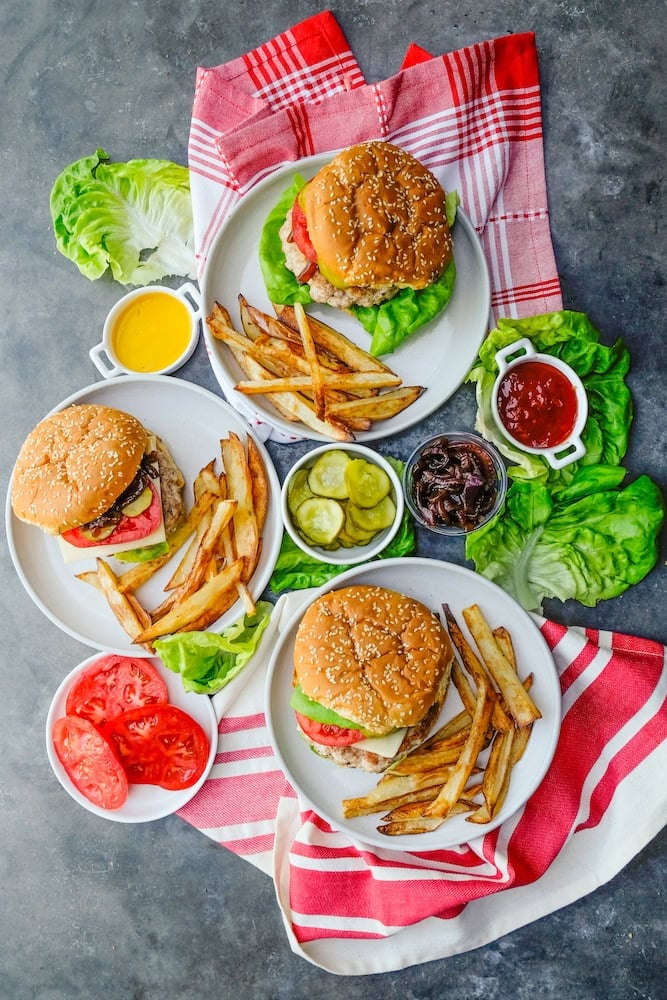
As the workweek reaches its penultimate evening on Thursday, culinary fatigue often peaks. To counter this, the featured meal plan transitions to an American classic with a modern, health-conscious twist: turkey burgers accompanied by air-fried French fries.
The Nutritional Profile of Turkey as a Red Meat Alternative
Ground turkey has steadily gained market share as a preferred alternative to ground beef in family households. Boasting a lower saturated fat content while maintaining comparable protein levels, turkey offers a heart-healthy option for consumers monitoring cardiovascular health. When prepared with minimal binding agents and seasoned judiciously, turkey burgers provide a savory, satisfying dining experience that appeals to both adults and children.
The inclusion of "all the toppings"—such as crisp lettuce, ripe tomatoes, onions, and natural condiments—further enhances the nutritional profile by introducing fiber, vitamins, and minerals.
The Air-Fryer Revolution in Home Cooking
The side dish for Thursday evening—French fries prepared in an air fryer—highlights a broader technological shift in residential kitchens over the past decade. Air fryers, which utilize rapid air circulation to cook food with a fraction of the oil required by traditional deep-frying, have transformed how households approach fried foods.
Market research data indicates that air fryer ownership in North American households surpassed 50 percent, driven by consumer demand for healthier cooking methods that do not compromise on texture and taste. By circulating super-heated air around hand-cut or frozen potatoes coated in a minimal amount of oil, the appliance achieves a crispy exterior and tender interior comparable to traditional frying methods, while reducing total fat content by up to 75 percent.
This technological integration allows families to enjoy comfort food favorites on a busy Thursday night without the caloric burden or the safety hazards associated with open-vif oil frying.
The Economic and Social Importance of Supporting Local Restaurants
A critical component of a sustainable and balanced weekly meal plan is the intentional inclusion of non-cooking days. The schedule designates Saturday as an evening to order in from a local restaurant, a practice that carries significant economic and social implications for local communities.
Economic Impact on the Independent Dining Sector
The independent restaurant industry continues to navigate a complex economic landscape characterized by fluctuating supply chain costs, labor shortages, and shifting consumer spending patterns. Industry data compiled by restaurant associations indicates that local dining establishments generate a significantly higher multiplier effect for the local economy compared to national chain restaurants; a larger percentage of every dollar spent at an independent eatery remains within the community, supporting local suppliers, farmers, and service workers.
By dedicating at least one evening a week to ordering takeout from a neighborhood restaurant, families not only alleviate their own domestic labor burden but also contribute directly to the economic viability of their local food ecosystem. This practice fosters community resilience and ensures the preservation of diverse culinary options within residential neighborhoods.
Psychological Benefits of Culinary Reprieves
Beyond the economic benefits, scheduling a regular break from home food preparation is widely recognized by psychologists and family therapists as an effective measure against burnout. The mental labor associated with meal planning, grocery shopping, food preparation, and kitchen sanitation can accumulate over the course of a five-day work and school week. Allocating time to rest and enjoy professionally prepared food allows families to redirect their energy toward social interaction, relaxation, and weekend transition.
The Broader Implications of Seasonal Eating
The underlying philosophy connecting the week’s varied meals—from the farmers market salad on Wednesday to the seasonal produce inspirations introduced throughout the week—points to a growing consumer interest in seasonal eating.
Defining Seasonal Consumption
Seasonal eating involves consuming foods that are harvested or produced during specific times of the year within a given geographic region. Historically dictated by agricultural necessity, modern seasonal eating has re-emerged as a conscious consumer choice driven by considerations of flavor, environmental sustainability, and nutritional value.
Environmental and Agricultural Benefits
From an environmental perspective, aligning dietary habits with seasonal availability reduces the carbon footprint associated with food transportation, artificial greenhouse cultivation, and cold-chain storage. Produce that travels thousands of miles out of season requires substantial fossil fuel consumption and often undergoes chemical ripening processes that compromise taste and nutritional integrity.
Agricultural economists note that consumer demand for seasonal produce incentivizes local farmers to diversify their crop yields, supporting biodiversity and soil health. As autumn approaches, crops such as apples, pears, pumpkins, winter squashes, brassicas, and root vegetables step to the forefront of agricultural production. Integrating these items into weekly meal plans connects urban and suburban consumers more directly with regional agricultural cycles.
Expert Perspectives on Family Nutrition and Meal Architecture
Nutritionists and pediatric feeding specialists emphasize that the architecture of family meals plays a foundational role in shaping children’s lifelong relationships with food. Platforms dedicated to family nutrition, such as those curated by culinary educators and parents of multiple children, frequently stress two core principles: that all children are capable of developing into versatile, enthusiastic eaters, and that mealtime management must remain accessible and stress-free for the adults preparing the food.
"The goal of family meal planning is not to achieve culinary perfection every single night," explains a registered dietitian specializing in pediatric nutrition. "The objective is to establish a predictable rhythm that balances nutrition, efficiency, and pleasure. When meals are straightforward and incorporate familiar comfort foods alongside fresh, seasonal elements, children are more likely to engage positively with the food environment."
This philosophy underpins the structure of the weekly menu under review. By pairing approachable, highly palatable main courses like Chicken Mozzarella Pasta and turkey burgers with nutrient-dense additions like farmers market salads and air-fried vegetables, the meal plan bridges the gap between what children naturally desire and what growing bodies require.
Conclusion and Future Outlook for Home Culinary Trends
As residential kitchens continue to adapt to the demands of contemporary family life, the integration of strategic meal planning, technological cooking aids, and seasonal produce sourcing will remain paramount. The weekly schedule—featuring efficient mid-week comfort dishes, health-conscious adaptations of traditional favorites, and community-supporting restaurant breaks—illustrates a sustainable model for modern domestic management.
Looking ahead, food industry forecasters predict a continued acceleration in consumer demand for transparency in ingredient sourcing, tools that reduce active kitchen time, and resources that make healthy eating achievable for busy households. By embracing these trends, families can navigate the shifting seasons with confidence, ensuring that mealtime remains a source of nourishment, connection, and culinary enjoyment.