Abbott Secures Landmark U.S. FDA Approval for the World’s First Dual Glucose and Ketone Continuous Sensing Device, Transforming Diabetes Management

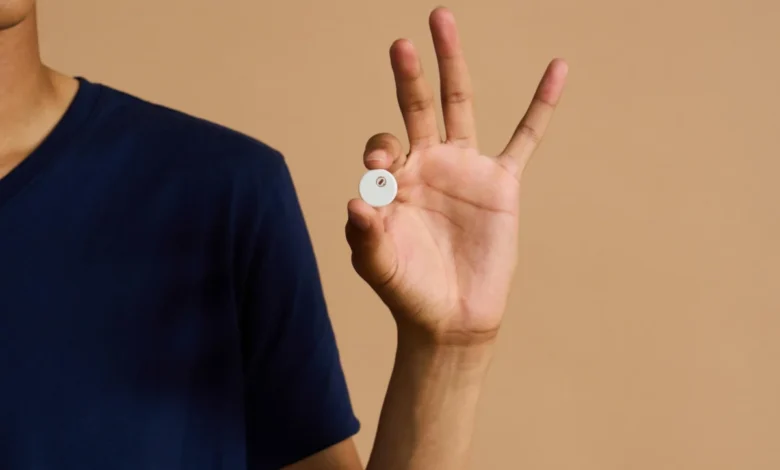
The landscape of modern diabetes management has reached a significant technological turning point following the official decision by the United States Food and Drug Administration (FDA) to grant clearance to Abbott’s Libre Duo 10 Day. This groundbreaking device represents the world’s first two-in-one continuous sensor capable of simultaneously tracking both blood glucose levels and ketone concentrations. Slated to become commercially available across the United States for individuals with diabetes aged two years and older, the approval closely mirrors a similar regulatory green light granted in European markets earlier this year. By combining these two vital physiological metrics into a single, cohesive wear cycle, the medical technology industry has taken a monumental step toward mitigating one of the most perilous acute complications associated with insulin-dependent conditions: diabetic ketoacidosis.
The clinical necessity of continuous ketone monitoring has long been recognized by endocrinologists, primary care providers, and patient advocacy organizations alike. For decades, managing diabetes has relied heavily on tracking fluctuations in blood glucose. However, glucose levels alone do not always tell the complete physiological story, particularly during periods of illness, high stress, pump failure, or when utilizing specific classes of modern adjunctive medications. When the human body lacks sufficient insulin to process circulating glucose for cellular energy, it initiates an alternative metabolic pathway, breaking down stored fat instead. This metabolic shift produces acidic byproducts known as ketones. As ketone concentrations accumulate unchecked within the bloodstream, the patient faces a rapidly escalating risk of developing diabetic ketoacidosis, a medical emergency that demands immediate intervention.
Diabetic ketoacidosis is notoriously rapid in its onset, often catching patients and caregivers off guard. Clinical symptoms—such as persistent nausea, forceful vomiting, and diffuse abdominal discomfort—frequently mimic common gastrointestinal illnesses like the stomach flu or food poisoning, leading to dangerous delays in diagnosis and treatment. Despite the well-documented severity of the condition, patient compliance with traditional ketone testing methods has historically remained remarkably low. Comprehensive health surveys examining patient behaviors reveal a startling lack of preparedness within the chronic illness community: approximately 32 percent of surveyed individuals reported keeping zero ketone testing supplies inside their homes, half of all respondents admitted they never or only rarely check their ketone levels, and an alarming 38 percent fail to test for ketones even when experiencing classic warning signs such as nausea and vomiting.
The introduction of Abbott’s dual-action sensing technology is strategically positioned to dismantle these behavioral barriers. By integrating ketone monitoring directly into a familiar, continuouswear platform, the device removes the friction, inconvenience, and pain associated with manual urine or blood-strip testing. Patients can now observe rising ketone trends long before concentrations reach hazardous thresholds or physical symptoms manifest overtly. This early visibility grants individuals and their families the crucial time needed to administer corrective actions, adjust insulin delivery, hydrate, or seek professional medical guidance, thereby averting potential emergency room visits and hospital admissions.
From a structural and engineering standpoint, the Libre Duo 10 Day is designed to integrate smoothly into the existing digital and hardware ecosystems relied upon by the diabetes community. Offering up to ten days of uninterrupted wear per sensor, the device interfaces directly with established smartphone applications and digital health platforms. Furthermore, Abbott has outlined an ambitious roadmap for interoperability with automated insulin delivery (AID) systems—frequently referred to as artificial pancreas technology—manufactured by leading industry partners.
According to product integration schedules, the sensor is projected to achieve compatibility with Beta Bionics’ iLet and Sequel Med Tech’s twiist automated insulin delivery systems before the conclusion of 2026. This rollout will be followed in 2027 by widespread integrations with systems produced by Insulet and Tandem Diabetes Care, alongside an exclusive integration partnership slated for MiniMed smart dosing systems within the same year. This multi-platform compatibility ensures that patients are not forced to abandon their preferred insulin delivery hardware to take advantage of advanced continuous ketone sensing.
The milestone achievement of the Libre Duo approval is the culmination of years of targeted financial investment, clinical research, and rigorous policy advocacy spearheaded by organizations such as Breakthrough T1D, formerly known as JDRF. For years, the foundation has aggressively funded foundational and clinical research aimed at translating continuous ketone monitoring concepts from theoretical engineering prototypes into viable, commercially manufactured medical products. Beyond funding hardware development, Breakthrough T1D has actively supported clinical trials investigating how continuous ketone monitoring can optimize patient outcomes, particularly in mitigating the elevated ketoacidosis risks linked to specific adjunctive therapies, such as sodium-glucose cotransporter-2 (SGLT2) inhibitors, which are frequently prescribed alongside insulin to manage cardiorenal health in type 1 and type 2 diabetes.
In a proactive effort to guide the medical community in the adoption of this emerging technology, Breakthrough T1D also led the development and publication of the first-ever international consensus guidance for continuous ketone monitoring in diabetes care. Published earlier this year in the prestigious medical journal The Lancet Diabetes & Endocrinology, the consensus document establishes standardized clinical protocols for incorporating continuous ketone data into routine medical practice. It provides practicing clinicians with actionable, evidence-based recommendations on how to interpret continuous sensor data to proactively reduce the incidence of diabetic ketoacidosis across diverse patient demographics.
Public health advocates and industry leaders emphasize that diabetic ketoacidosis is an almost entirely preventable crisis. The deployment of dual glucose-ketone sensing technology represents a profound paradigm shift in proactive chronic disease management. Rather than reacting to acute metabolic emergencies after they have fully developed, patients are now equipped with predictive tools that offer continuous insight into their metabolic stability.
As regulatory approvals expand globally and commercial distribution ramps up in the United States, healthcare systems face the ongoing challenge of ensuring broad, equitable access to these life-saving innovations. Advocacy groups continue to lobby insurance providers and government health programs to ensure that continuous ketone sensors are granted favorable reimbursement coverage, preventing cost barriers from sidelining vulnerable populations. With the arrival of Abbott’s Libre Duo 10 Day, the medical community stands on the threshold of a new era in diabetes care—one where comprehensive metabolic visibility empowers patients to live with greater confidence, safety, and peace of mind.