Celebrating Cultural Heritage Through Nutrition: Managing Diabetes Without Sacrificing Tradition


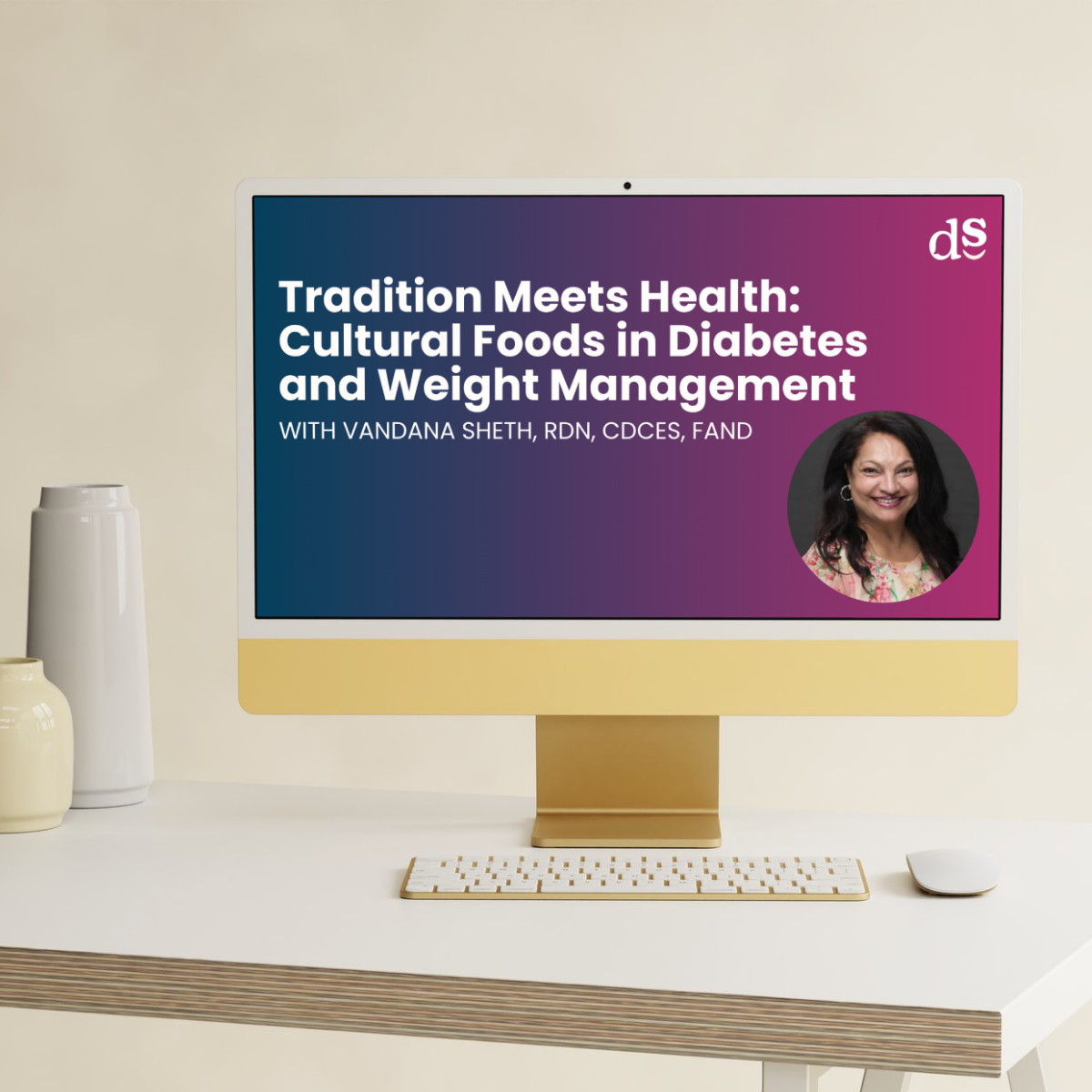
For individuals navigating the complexities of diabetes and prediabetes, the intersection of clinical dietary requirements and cultural heritage often presents a significant psychological and social hurdle. Registered Dietitian Nutritionist and Certified Diabetes Care and Education Specialist Vandana Sheth, in a recent educational initiative hosted by DiabetesSisters, addressed this friction by introducing a methodology designed to bridge the gap between traditional culinary practices and modern blood glucose management goals. The webinar serves as a cornerstone for a growing movement in nutritional science that advocates for "cultural humility" in clinical practice, moving away from restrictive diets that alienate patients from their ancestral foodways.
The Intersection of Culture and Clinical Nutrition
The modern medical approach to diabetes management has historically emphasized the removal of certain food groups, often overlooking the socio-cultural importance of meals. For many communities, food is not merely fuel but a primary vehicle for social cohesion, religious observance, and identity preservation. When patients are advised to abandon traditional dishes in favor of generic, Western-centric "diabetic diets," the adherence rate often plummets.
Vandana Sheth’s framework—the "Keep, Add, Adjust" model—emerges as a pragmatic response to this issue. By focusing on sustainable habit formation rather than elimination, the approach acknowledges that food is inherently tied to personal history. The strategy encourages patients to retain the cultural foods they love, incorporate nutrient-dense additions to stabilize blood sugar, and adjust preparation methods to meet physiological needs. This shift in perspective is critical; according to the American Diabetes Association (ADA), individualized Medical Nutrition Therapy (MNT) is a cornerstone of diabetes care, yet standardized advice often fails to account for the diverse ethnic dietary patterns of the U.S. population.
Data and Disparities in Diabetes Management
The necessity for culturally sensitive nutrition education is underscored by epidemiological data. According to the Centers for Disease Control and Prevention (CDC), the prevalence of diagnosed diabetes is significantly higher among minority populations, including non-Hispanic Black, Hispanic, and Asian American adults, compared to their non-Hispanic White counterparts. These disparities are compounded by the "food desert" phenomenon and the lack of culturally competent clinical guidance.
Current research published in the Journal of the Academy of Nutrition and Dietetics suggests that dietary interventions are most effective when they are culturally tailored. Studies indicate that patients who receive counseling that incorporates their traditional food preferences demonstrate higher levels of self-efficacy and better glycemic control (measured by HbA1c levels) over a 12-month period. By teaching individuals how to modify portion sizes or preparation techniques—such as opting for baking instead of frying or increasing fiber content through traditional pulses—healthcare providers can help patients achieve clinical targets without the psychological burden of cultural erasure.
The "Keep, Add, Adjust" Framework: A Chronology of Implementation
The framework promoted by Sheth functions as a tiered decision-making process for patients in daily practice. The implementation timeline for this behavioral change typically follows a three-phase approach:
- Assessment and Preservation (Keep): During the initial phase, the patient and educator conduct a "food inventory" of cultural staples. Rather than labeling these as "bad" or "off-limits," the goal is to identify foods that provide comfort and community value. These are preserved in the meal plan.
- Nutritional Augmentation (Add): Once the baseline is established, the focus shifts to what can be introduced to the plate. This involves adding non-starchy vegetables, lean proteins, or fiber-rich grains to traditional meals. These additions help buffer the glycemic response, effectively slowing the absorption of glucose.
- Strategic Modification (Adjust): The final phase involves refining preparation techniques. This might include substituting refined grains with whole-grain alternatives, adjusting oil quantities, or utilizing different cooking methods that maintain the flavor profile of the dish while reducing caloric density and glycemic load.
This chronological approach is designed to prevent "dietary fatigue," a common phenomenon where patients become overwhelmed by complex restrictions and eventually abandon their health goals altogether.
Professional Perspectives and Industry Standards
In the clinical community, the shift toward culturally inclusive nutrition is gaining momentum. Organizations like the Academy of Nutrition and Dietetics have increasingly emphasized that cultural competency is not an elective skill but a requirement for effective patient outcomes.
Industry experts argue that the traditional "one-size-fits-all" approach to diabetes management is rooted in an outdated model of patient compliance. Dr. Elena Rodriguez, an endocrinologist not involved in the DiabetesSisters session, noted in a broader industry commentary that "compliance is the wrong word for modern medicine. We should be looking for ‘concordance.’ When the patient’s culture is respected in the meal plan, the patient becomes a partner in their own care rather than a passive recipient of restrictive rules."
The DiabetesSisters platform, which focuses on providing support for women living with diabetes, has played a pivotal role in disseminating this information. By facilitating access to specialists like Sheth, the organization acts as an intermediary between clinical research and practical, home-based application.
Broader Impact and Public Health Implications
The implications of adopting a culturally informed approach to diabetes management are profound, particularly concerning long-term public health costs. Diabetes is one of the most expensive chronic conditions in the United States, with direct medical costs and indirect costs related to lost productivity totaling hundreds of billions of dollars annually. If a higher percentage of the population can manage their blood glucose through sustainable, culturally integrated nutrition, the burden on the healthcare system could be significantly mitigated.
Furthermore, there is a socio-political dimension to this discourse. For many, the ability to maintain one’s dietary heritage while managing a chronic illness is an issue of equity. When the healthcare system fails to provide advice that works within the context of a patient’s life, it effectively mandates that the patient choose between their health and their identity. By providing tools that harmonize these two aspects, providers are effectively narrowing the health equity gap.
Future Outlook: Beyond the Webinar
The model presented by Vandana Sheth is indicative of a broader trend toward personalized medicine. As technology continues to integrate with nutrition—through continuous glucose monitors (CGMs) and digital food tracking apps—the ability to see the immediate blood glucose impact of specific cultural foods will become even more accessible. This allows for a "feedback loop" where patients can test the "Keep, Add, Adjust" framework in real-time, observing how their favorite traditional meals affect their bodies and making micro-adjustments accordingly.
However, the transition to this model requires a concerted effort from clinical training programs. Nutritionists and educators must be trained not just in biochemistry, but in sociology and culinary arts to provide the level of guidance required for this individualized care.
As the incidence of diabetes continues to rise globally, the traditional directive to "eat less" is being replaced by the more sophisticated instruction to "eat better, together." The focus on inclusivity, education, and the preservation of identity represents a significant step forward in the management of chronic disease. For the patient, this means the potential for a life where health goals are met with dignity and satisfaction, rather than through the lens of sacrifice. The DiabetesSisters webinar serves as an important record of this evolving philosophy, offering a template that other health organizations and practitioners can replicate to improve outcomes across diverse populations.
By centering the patient’s experience and cultural context, the healthcare community is moving toward a more sustainable future—one where effective diabetes management is accessible to all, regardless of their cultural or culinary background. The "Keep, Add, Adjust" framework remains a primary example of how evidence-based science can be translated into compassionate, real-world action.