Fourth Trimester Podcast Episode 182: How to Use Your Embodied Voice to Get Support and Connect With Your Baby


Navigating the vulnerable transition into parenthood often requires a delicate balance of emotional regulation, physical recovery, and constant advocacy. For many new mothers, finding the physical and mental energy required to articulate personal needs, request practical assistance, and establish firm boundaries with well-meaning family members can feel overwhelming. Addressing this critical aspect of maternal well-being, the Fourth Trimester Podcast dedicated Episode 182 to exploring the mechanics of the embodied voice as a vital tool for postpartum recovery, maternal bonding, and boundary-setting.
Hosted by Sarah and Esther, the episode features Dr. Melissa Hurt—a recognized BodyVoice Coach, Lessac Certified Trainer, yoga instructor, and author of The Postpartum Path of Yoga. Together, the panel examined how vocal embodiment can serve as an anchor for new parents, helping them navigate the profound physiological and psychological shifts of the postpartum period.
The Postpartum Communication Gap and Maternal Voice
The arrival of a newborn introduces a whirlwind of sleep deprivation, hormonal fluctuations, and round-the-clock care demands. During this phase, commonly referred to as the fourth trimester, parents frequently experience a phenomenon known as communicative depletion. The sheer expenditure of energy required to keep an infant alive and thriving often leaves little cognitive or physical reserve for self-advocacy.
According to perinatal health advocates, the inability to clearly articulate needs during the early postpartum weeks is a major contributor to maternal isolation, anxiety, and postpartum depression. When new parents cannot voice their boundaries regarding visitors, or struggle to ask partners and family members for specific types of help, stress levels compound rapidly.
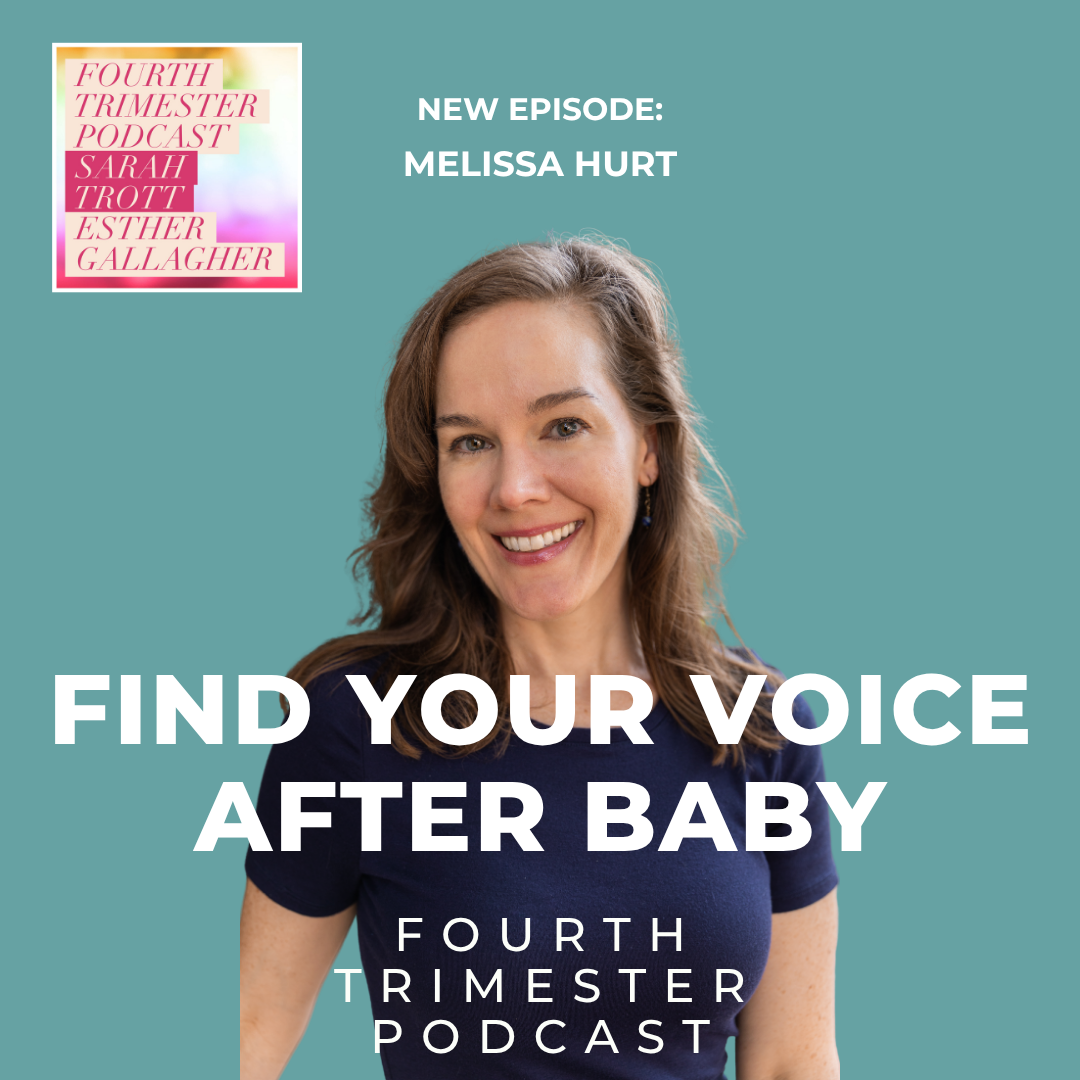
Dr. Melissa Hurt emphasizes that the voice is not merely a mechanism for verbal communication, but a physical instrument deeply connected to the nervous system. "Your voice is an integral part of being able to fully show up and be present and take action in your life," Dr. Hurt explains. By engaging the body through intentional vocalization, new mothers can bypass mental fatigue and access an innate sense of physical groundedness, making it easier to identify what they need and translate those internal states into clear, actionable requests.
Practical Vocal Techniques: From Humming to Boundary Setting
A central focus of Episode 182 is the introduction of accessible, low-effort somatic practices that new parents can incorporate into their daily routines without adding to their cognitive load. Dr. Hurt introduces the concept of gentle humming—specifically highlighting techniques like the "Y-Buzz"—to help regulate the nervous system.
When a person hums or vocalizes gently, the physical vibrations stimulate the vagus nerve, which plays a crucial role in regulating the parasympathetic nervous system, lowering heart rate, and reducing cortisol levels. For a postpartum parent, taking even sixty seconds to engage in this type of embodied breathing and vocalization can create an essential pause between a stressor and a reaction.
Furthermore, Dr. Hurt demonstrates how these somatic practices bridge the gap toward effective communication. By first calming the nervous system through sound, parents are better equipped to articulate their boundaries. This includes navigating delicate social dynamics, such as informing family and friends when the household is genuinely ready to welcome visitors versus when parents require uninterrupted bonding time.
In the episode, the hosts discuss concrete phrasing and communication strategies that parents can use to set these expectations gently yet firmly. Rather than defaulting to passive compliance or reactive frustration, parents learn to frame their requests around specific, practical needs—such as asking a visitor to bring a specific meal or handle household chores instead of simply holding the baby while the parents manage hosting duties.
Bonding Through Sound: Connecting with the Newborn
Beyond self-advocacy and stress regulation, the embodied voice serves as a powerful bridge for early infant attachment. Newborns are biologically hardwired to respond to the cadence, pitch, and timbre of their primary caregivers’ voices, having listened to them extensively in utero.
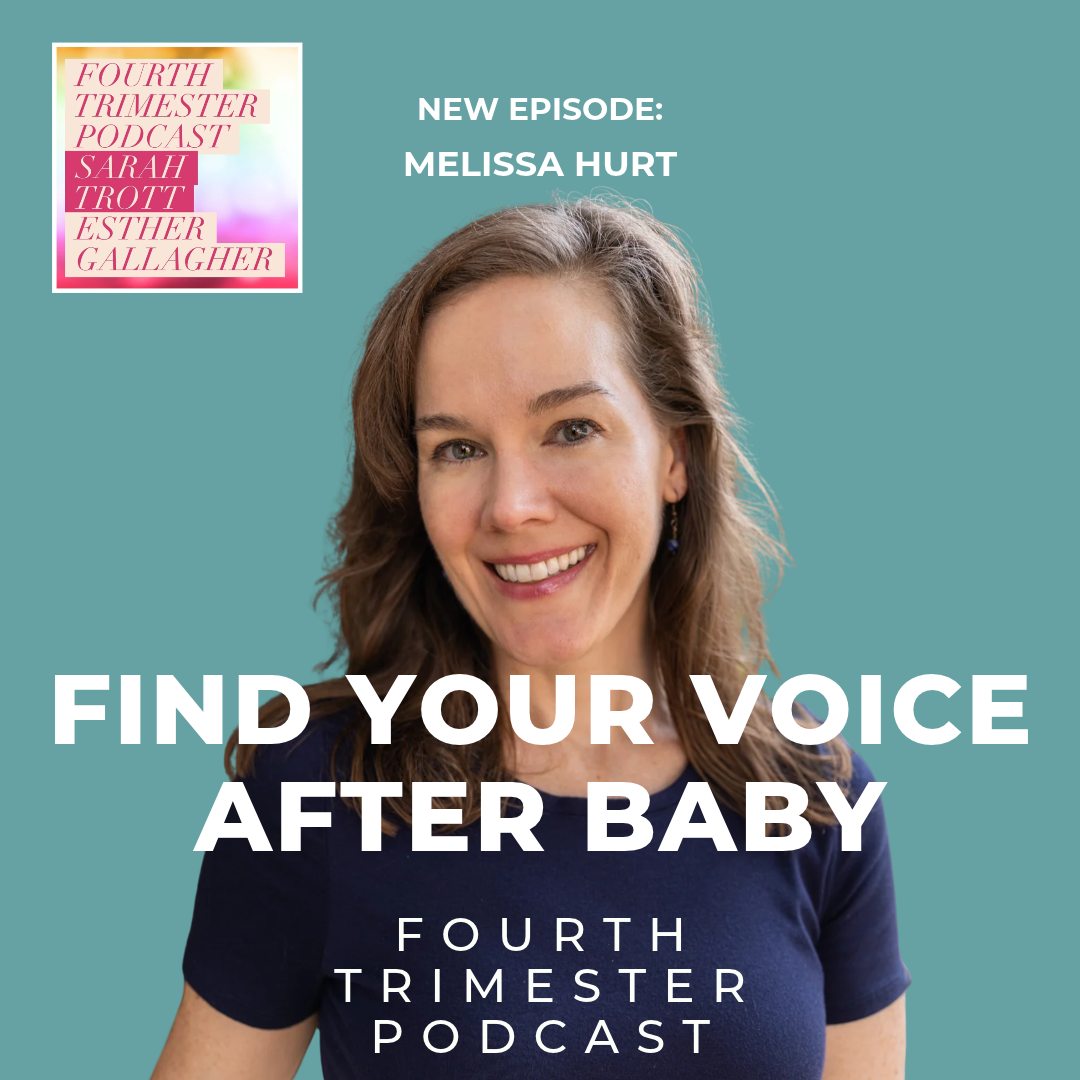
Dr. Hurt shares personal insights and professional guidance on how humming and soft vocalizations can be used to soothe an infant and foster a deep, sensory-rich connection. When a parent uses a resonant, embodied voice, the baby not only hears the sound but also feels the physical vibrations if held close against the chest. This multisensory experience reassures the infant, stabilizes their heart rate, and reinforces the attachment bond during moments of distress or transition.
Broader Implications for Perinatal Care
The discussions featured on Episode 182 align with a growing movement within modern maternal health care that emphasizes the importance of holistic postpartum planning. Historically, medical and societal post-birth support has focused almost exclusively on the physical recovery of the infant and the basic obstetric healing of the mother, often overlooking the psychological and social dimensions of the transition.
Experts note that integrating somatic education—such as breathwork, yoga, and vocal coaching—into perinatal care can significantly improve maternal mental health outcomes. By providing parents with concrete tools to manage their nervous systems and assert their boundaries, healthcare providers and educators can help mitigate the isolation that so frequently characterizes the first twelve weeks postpartum.
The insights shared by Dr. Melissa Hurt underscore a fundamental truth of early parenthood: caring for a newborn requires first tending to the well-being and agency of the caregiver. Through intentional practices like embodied vocalization, new parents can reclaim their presence, advocate for the support they deserve, and cultivate a nurturing environment for both themselves and their children.