Fourth Trimester Podcast Episode 175: Breastfeeding With Confidence While Protecting Your Mental Health


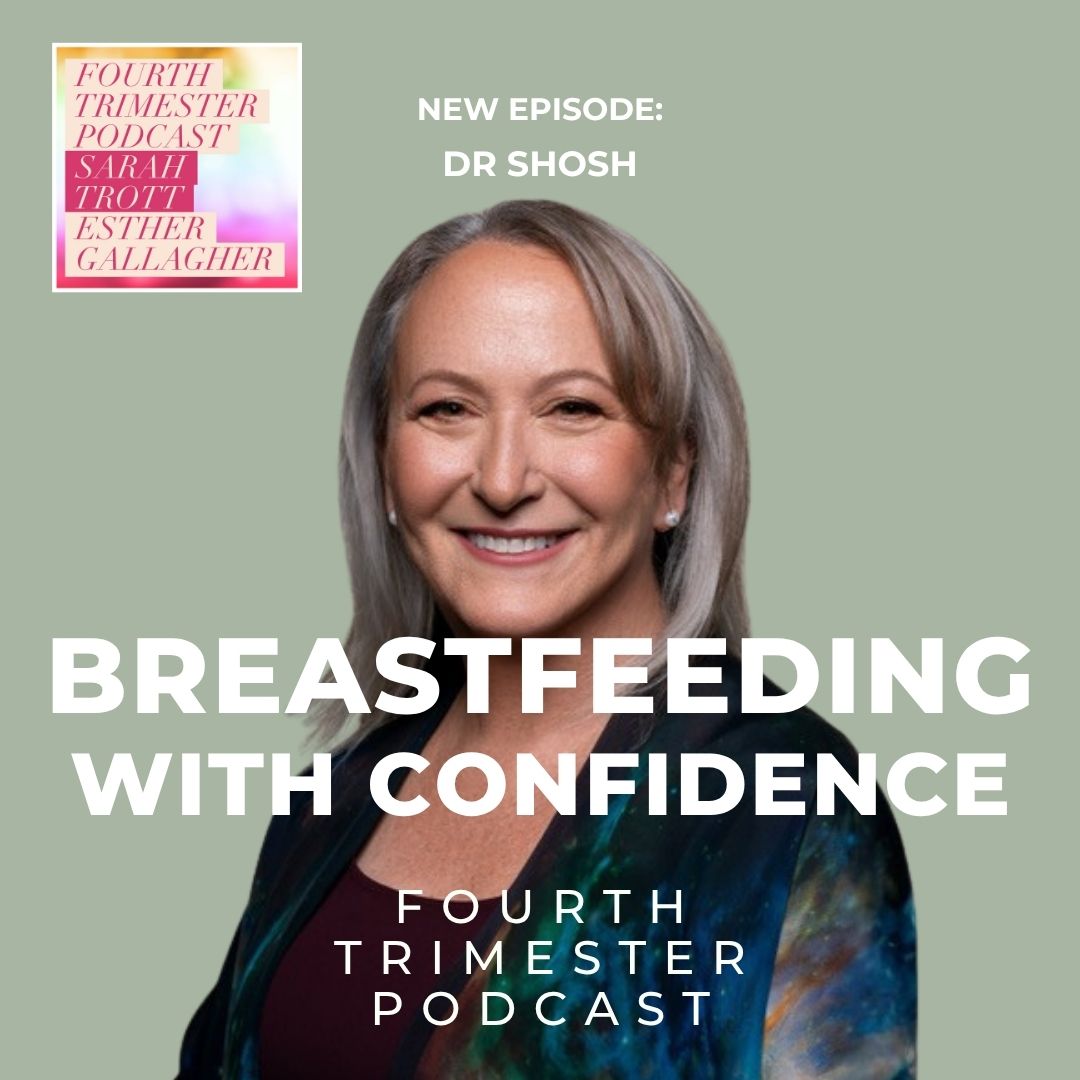
Navigating the early weeks of parenthood presents profound physical and emotional adjustments for families, with infant feeding often emerging as one of the most demanding challenges. In Episode 175 of the Fourth Trimester Podcast, host and production teams address this critical juncture by sitting down with noted perinatal psychologist Dr. Shoshana Bennett. The discussion centers on a fundamental yet frequently overlooked philosophy: true feeding success must encompass the wellbeing of both the infant and the mother. As societal pressures around exclusive breastfeeding intensify, healthcare advocates and mental health professionals are increasingly emphasizing the need for flexible, compassionate feeding plans that prioritize maternal mental health alongside infant nutrition.
The Modern Dilemma of Infant Feeding
In contemporary parenting culture, the mantra "breast is best" has become deeply ingrained, often creating an atmosphere of intense scrutiny and unrealistic expectations for new mothers. While the immunological and nutritional benefits of human milk are well-documented by pediatric organizations, the psychological toll of rigid adherence to exclusive breastfeeding is rarely addressed with equal urgency.
When difficulties arise—ranging from latching issues and mastitis to insufficient milk supply and excruciating pain—mothers frequently internalize these challenges as personal failures. This dynamic can precipitate a cascade of anxiety, guilt, and sleep deprivation, laying fertile ground for perinatal mood and anxiety disorders (PMADs). Dr. Shoshana Bennett, a clinical psychologist specializing in perinatal mental health, has spent decades observing how well-meaning encouragement from medical staff and family members can inadvertently cross the line into harmful pressure.
"A successful feeding plan supports both the baby and the mother. That, to me, is success," Dr. Bennett notes, encapsulating a paradigm shift that moves away from dogmatic feeding rules and toward holistic family health.
Chronology of the Fourth Trimester Adjustment
Understanding how feeding challenges evolve requires examining the typical timeline of the postpartum period, commonly referred to as the fourth trimester. The journey generally unfolds across several distinct phases, each carrying unique vulnerabilities:
The Prenatal Preparation Phase: Months before birth, expectant parents often focus heavily on birth plans while dedicating minimal time to preparing for postpartum realities. Experts argue that emotional preparation for feeding should begin during pregnancy, including honest assessments of maternal mental health history and the establishment of robust support systems.
The Immediate Postpartum Period (Days 1–14): Marked by hormonal plunges, sleep deprivation, and the initiation of milk production, this phase is exceptionally high-stress. Newborns feed every one to three hours, leaving mothers little uninterrupted rest. It is during this window that early latch problems or supply concerns frequently trigger initial waves of inadequacy and guilt.
The Adjustment and Crisis Phase (Weeks 3–8): If feeding continues to be painful or exceptionally difficult, exhaustion compounds. Sleep deprivation begins to severely impact cognitive function and emotional regulation. This is the critical window where temporary blues can escalate into clinical postpartum depression or postpartum OCD if support is lacking.
The Pivot and Integration Phase (Months 2–4+): By this stage, families either find a sustainable rhythm—whether through exclusive breastfeeding, combination feeding, or formula feeding—or reach a breaking point. Successful navigation requires the flexibility to alter the feeding plan to preserve the mother’s mental health and restore functional sleep patterns.
Data and Insights on Maternal Mental Health and Feeding
Public health data underscores the critical intersection between infant feeding methods and maternal psychological outcomes. According to the Centers for Disease Control and Prevention (CDC) and various maternal health studies, women who experience unanticipated difficulties with breastfeeding face a significantly higher risk of postpartum depression.
Furthermore, research indicates that up to 20 percent of new mothers experience perinatal mood and anxiety disorders, with feeding stress frequently cited as a primary catalyst or compounding factor. Sleep deprivation—exacerbated by around-the-clock feeding routines where partners cannot share the workload—is a well-established risk factor for postpartum psychosis and severe depressive episodes. When a mother’s sleep is chronically disrupted, her ability to bond with her infant and manage daily responsibilities diminishes, creating a vicious cycle of anxiety and guilt.
Clinical Perspectives and Expert Guidance
Throughout Episode 175, Dr. Bennett and the podcast hosts dissect the mechanics of how families can protect their mental health without abandoning their feeding goals. The dialogue addresses several core areas essential for a healthy postpartum transition:
Deconstructing Guilt and Parental Worth: Society often measures a mother’s dedication by her willingness to sacrifice her own well-being for her child. Dr. Bennett challenges this notion, asserting that a mother’s worth is entirely independent of how her baby is fed. Whether an infant receives breast milk, formula, or a combination of both, emotional connection and responsive parenting are far more critical indicators of long-term child development.
Involving Partners and Building Support Networks: A successful feeding plan cannot rely solely on the postpartum individual. Partners must be integrated into the logistical and emotional framework. This includes sharing night duties where possible—such as bottle-feeding pumped milk or formula—to ensure the primary lactating parent secures restorative blocks of sleep.
Recognizing When to Seek Professional Intervention: Identifying the boundary between normal adjustment stress and clinical distress is vital. Warning signs that feeding stress requires professional attention include persistent feelings of dread when it is time to feed the baby, obsessive thoughts regarding milk output, inability to sleep even when the baby is sleeping, and expressions of severe hopelessness.
Implications for Healthcare Providers and Policy
The insights shared by Dr. Bennett point to a broader systemic need for reform within maternal healthcare. Historically, lactation consultants and pediatricians have focused intensely on infant weight gain and milk transfer, occasionally operating in silos separate from mental health providers.
A more integrated approach—often championed by modern postpartum doulas, perinatal psychologists, and progressive OB-GYNs—advocates for routine mental health screenings during pediatric and postpartum follow-up visits. When healthcare professionals explicitly ask, "How does feeding feel to you?" rather than just "How much is the baby eating?", it opens a vital channel of communication. This shift empowers mothers to voice their struggles early, reducing the stigma associated with supplementing or transitioning away from breastfeeding.
Furthermore, workplace policies and parental leave structures play a foundational role in alleviating postpartum stress. Families supported by adequate paid leave and accessible lactation accommodations are better positioned to weather the initial turbulence of the fourth trimester without compromising the mental health of the household.
Conclusion and Resource Integration
Episode 175 of the Fourth Trimester Podcast serves as both a validation of the complex emotional realities of early parenthood and a practical guide for designing sustainable feeding strategies. By prioritizing flexibility, open communication with partners, and early intervention for mental health concerns, families can navigate the newborn phase with greater resilience and confidence.
For parents seeking additional guidance, numerous professional organizations and support networks offer specialized resources. Organizations such as Postpartum Support International (PSI) provide direct helplines and peer support networks, while specialized databases like LactMed offer evidence-based information on medications during lactation. Ultimately, the central message remains clear: a nourished baby is important, but a mentally healthy and supported mother is irreplaceable.