From Frontline Nurse to Mental Health Advocate: Tay Lautner Embraces Motherhood with a Resilient Mindset.

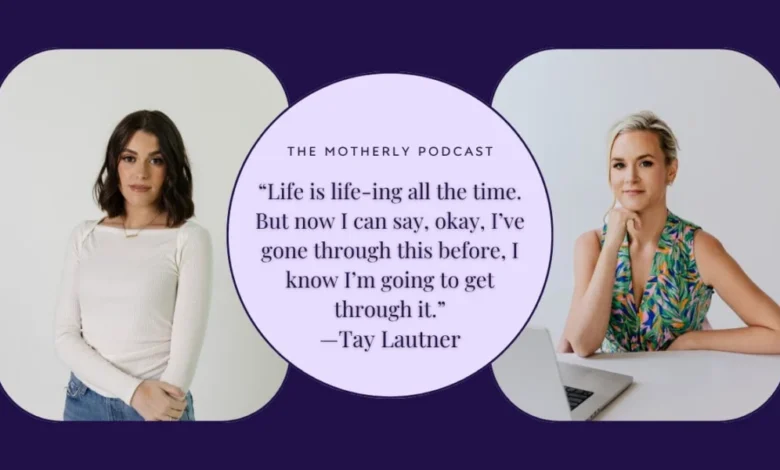
Tay Lautner, a registered nurse who navigated the harrowing realities of a COVID-19 intensive care unit during the pandemic’s peak, has transformed her personal battle with burnout and PTSD into a powerful platform for mental health advocacy. As she approaches the significant milestone of first-time motherhood, Lautner is poised to test the robustness of the comprehensive mental wellness "toolbox" she has meticulously built, comprising therapy, consistent journaling, quiet morning routines, and proactive monthly check-ins. Her journey, marked by candid vulnerability, offers profound insights into the silent struggles of frontline workers and the universal importance of mental well-being, now further illuminated as she prepares for the most demanding yet rewarding role of her life.
A Career Forged in Crisis: From Dance to Dedicated Nurse
Lautner’s professional trajectory took an unexpected turn from a dance major in college to a dedicated telemetry nurse. Despite a lifelong passion for dance, she found her true calling in healthcare, drawn by a deep interest in anatomy and physiology and a desire to serve. Her academic excellence in nursing, graduating with honors, underscored her aptitude and commitment. The timing of her entry into the medical field, however, placed her directly into an unprecedented global crisis. After passing her NCLEX in February 2020, just as the world braced for the COVID-19 pandemic, Lautner secured a position at a hospital. What began as a role on a cardiac floor swiftly morphed into frontline COVID-19 care by late 2020, immersing her in the chaotic and emotionally taxing environment of pandemic nursing.
Her experience as a new nurse during the height of the pandemic was nothing short of a "whirlwind." Unlike the initial surge where personal protective equipment (PPE) shortages were rampant, Lautner faced the overwhelming influx of patients during the severe flu season coinciding with the pandemic’s second wave. Hospitals were consistently "out of ratio," meaning nurses were caring for more patients than safely recommended, leading to immense physical and psychological strain. The relentless shifts, coupled with the profound emotional toll of witnessing widespread suffering and death, pushed many healthcare professionals, including Lautner, to their breaking point.
The Unseen Scars: Burnout, PTSD, and a Forced Pause
The cumulative stress of her time on the COVID-19 floor began to manifest insidiously. Like many athletes or dancers trained to "tough it out," Lautner initially resisted acknowledging the depth of her struggle. It took the observant intervention of her husband, Taylor, who noted her "checked out" demeanor, for her to begin questioning her own well-being. This initial realization was further solidified by an unexpected turn of events: contracting COVID-19 from outside her work environment.
This personal illness proved to be a pivotal, albeit difficult, turning point. Diagnosed with long COVID, Lautner was forced onto disability, experiencing severe fatigue and physical limitations for nearly two months. This enforced removal from the high-stress hospital environment, stripping away her ability to distract herself, provided the stillness necessary for introspection. It was during this period of forced inactivity that she truly confronted the trauma she had endured. By September 2021, she made the difficult decision to leave the hospital. In the aftermath, she received diagnoses of PTSD, depression, and anxiety – conditions that were not uncommon among frontline healthcare workers following the pandemic. Data from studies conducted by organizations like the American Nurses Association and the Centers for Disease Control and Prevention (CDC) highlighted alarming rates of mental health issues, including PTSD, anxiety, and depression, among nurses and doctors directly involved in COVID-19 patient care. These studies often reported that over half of healthcare workers experienced symptoms of at least one mental health condition, underscoring the systemic trauma inflicted by the pandemic. Lautner’s experience, therefore, mirrored a broader crisis within the healthcare community.
The Path to Healing and Advocacy: Building a Resilient Toolbox
Lautner’s healing journey commenced with extensive therapy, which played a crucial role in validating her experiences. She initially downplayed her trauma, often concluding her narratives with "But I’m okay. It’s fine. I got through it." Her therapist, however, helped her recognize that what she endured was far from "okay" and that her struggles were legitimate. This acceptance became the cornerstone of her recovery.
Having previously lacked a robust set of coping mechanisms for such profound challenges, Lautner dedicated herself to "building her toolbox." This involves a consistent commitment to self-care practices, including monthly check-ins with her therapist even when "things are great," regular journaling, and cultivating quiet time in the mornings. This proactive approach to mental health, she emphasizes, is about consistency, making it less daunting when new challenges inevitably arise. It’s not about eradicating life’s difficulties, but rather equipping oneself with the resilience to navigate them.
Embracing Motherhood: A New Test for the Toolbox
As Lautner stands on the cusp of motherhood, she acknowledges that this new chapter will undoubtedly test her carefully constructed mental health framework. Pregnancy itself brought its own set of unexpected challenges. She candidly shares her surprise regarding the profound physical and emotional changes of pregnancy, particularly the often-unspoken difficulties of the first trimester. While common knowledge includes "morning sickness and swelling," Lautner highlights the "so many layers" of personal experience that often go undiscussed, partly due to the societal norm of not announcing pregnancy until the second trimester. This lack of open dialogue leaves many first-time mothers unprepared, a sentiment echoed by her girlfriends. This observation aligns with broader discussions on maternal mental health, where advocates increasingly call for more transparent conversations about the entire pregnancy journey, not just its idealized moments.
Her approach to unsolicited advice during pregnancy reflects her grounded nature: "Okay, thanks" is often her internal response. However, she admits that certain comments, such as "It goes by so fast," can be particularly grating when she’s still immersed in the present moment of pregnancy. This highlights a common tension between well-meaning advice and a pregnant person’s need for present-moment validation rather than future-oriented anxieties.
Lautner’s commitment to her self-care practices will evolve with motherhood. She plans to "rewire her brain" and "rearrange how she shows up for herself," ensuring her baby’s needs come first while still carving out essential moments for personal well-being. More profoundly, she views this not just as personal necessity but as a crucial act of role modeling. Inspired by her own hardworking mother, Lautner hopes her daughter will observe her commitment to self-care, understanding that prioritizing one’s mental health is a fundamental aspect of living a full and balanced life. This perspective is vital in an era where parental burnout is increasingly recognized, emphasizing the importance of parents demonstrating healthy coping mechanisms for their children.
The "Lemons" Philosophy: From Personal Pain to Public Platform
The genesis of Lautner’s mental health advocacy began with her blog, "Lemons by Tay," a name born from her personal experience. In the aftermath of leaving the hospital, she felt "life was chucking lemons" at her, a metaphor for the overwhelming challenges she faced. This candid and relatable imagery resonated deeply with others. "Lemons by Tay" evolved into The Lemons Foundation in 2022, a non-profit dedicated to dismantling the stigma surrounding mental health. This was further augmented by "The Squeeze" podcast, launched in 2023 with her husband, Taylor Lautner.
"The Squeeze" offers a unique perspective on mental health, exploring it "from inside the spotlight." Lautner observed a common misconception that famous individuals are immune to mental health struggles. Through her marriage to Taylor, who has spent the majority of his life in the public eye, and her interactions with other public figures, she gained an intimate understanding that mental health challenges transcend socioeconomic status, fame, or profession. The podcast serves as a powerful reminder that "it doesn’t matter how much money you make, where you’re at in the world… People are going to struggle with their mental health." This universality is a core message of her advocacy, reinforcing the idea that mental health is a human experience, not limited by external circumstances.
A Collaborative Partnership: Love, Creativity, and Mutual Support
Tay and Taylor Lautner’s creative partnership on "The Squeeze" is rooted in their deep personal connection and shared commitment to mental well-being. Tay affectionately describes Taylor as her "best friend" and highlights their mutual enjoyment of creative collaboration. She jokes that Taylor is "the talent" who simply shows up, while she orchestrates the vision, a dynamic that leverages his experience in the spotlight and his creative insights into content presentation. Their ability to work together on such a sensitive topic is a testament to their strong relationship, built on mutual respect and shared values.
Their journey through mental health struggles, both individually and as a couple, has strengthened their bond. Having undertaken significant therapeutic work in the early years of their relationship, they possess a robust framework for communication and support. This foundation is proving invaluable during Tay’s pregnancy, a period Taylor has navigated with immense support. Tay’s observation that she "always said that I started dating him because I knew he’d be a really good dad" speaks volumes about his character and her confidence in his forthcoming role as a father. This shared history of navigating mental health challenges together positions them as a powerful team, ready to face the complexities of parenthood with empathy and resilience.
Broader Implications and a Future of Openness
Tay Lautner’s journey from a frontline nurse grappling with profound trauma to a leading voice in mental health advocacy carries significant implications. Her willingness to share her experiences publicly not only destigmatizes mental health struggles for healthcare workers, a population often expected to be invulnerable, but also for the wider public. By demonstrating that recovery and resilience are possible, even after severe burnout and PTSD, she offers a beacon of hope.
Her transition into motherhood further amplifies her message. By openly discussing the challenges of pregnancy and her commitment to maintaining self-care, she contributes to a more realistic and supportive narrative around maternal mental health. This is particularly crucial given the rising rates of postpartum depression and anxiety globally, underscoring the need for mothers to prioritize their own well-being. Her intention to model self-care for her daughter is a powerful statement, shaping the next generation’s understanding of mental wellness as a fundamental life skill.
The "Lemons" brand and "The Squeeze" podcast underscore a growing societal shift towards greater transparency about mental health. Lautner’s work highlights that vulnerability, far from being a weakness, can be a profound source of strength and connection. As she prepares for the arrival of her daughter, Tay Lautner embodies the ongoing journey of healing, growth, and advocacy, proving that even when life "chucks lemons," one can transform them into a powerful platform for positive change, all while building a future founded on resilience and self-awareness. Her story is a compelling testament to the human spirit’s capacity to not only endure but to thrive and inspire, even in the face of immense adversity.
Related posts: