The Unspoken Sisterhood: How a Simple Act of Maternal Solidarity Highlights the Daily Realities of Traveling with Infants

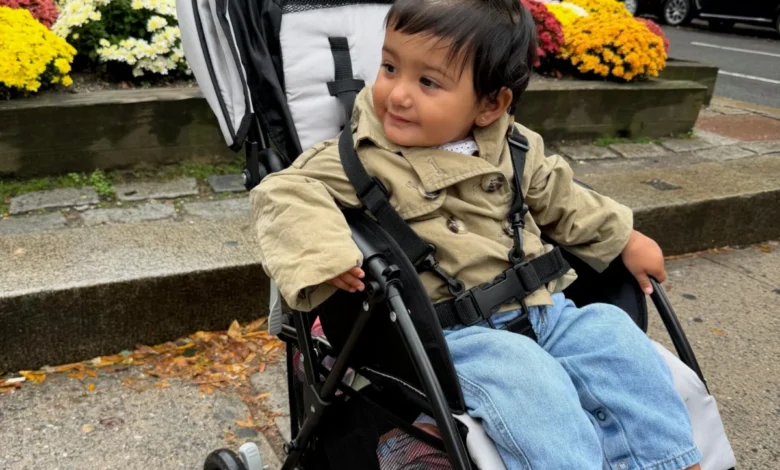
Navigating the bustling, fast-paced environment of New York City presents a formidable logistical challenge for any traveler, but adding an infant to the equation elevates the venture to an exercise in high-stakes project management. Earlier this month, a working mother embarked on a professional trip to Manhattan accompanied by her one-year-old daughter, Evelynn. What began as a standard business excursion quickly devolved into a high-anxiety parenting emergency, underscoring a broader socio-cultural phenomenon: the unwritten, reliable safety net provided by maternal solidarity.
The incident highlights the complex challenges modern working parents face when balancing career obligations with childcare logistics, especially in high-density urban centers where forgetting a single essential item can derail an entire day.
Chronology of Events: From Anticipation to Panic
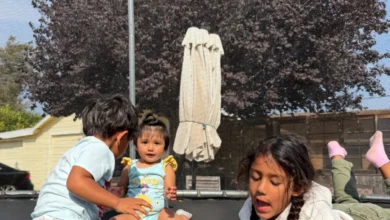
The trip was structured with a delicate balance of professional responsibilities and infant care. The mother had coordinated ahead of time, enlisting two friends, Angela and Ally, to serve as dedicated babysitters for Evelynn while the mother attended various work-related engagements.
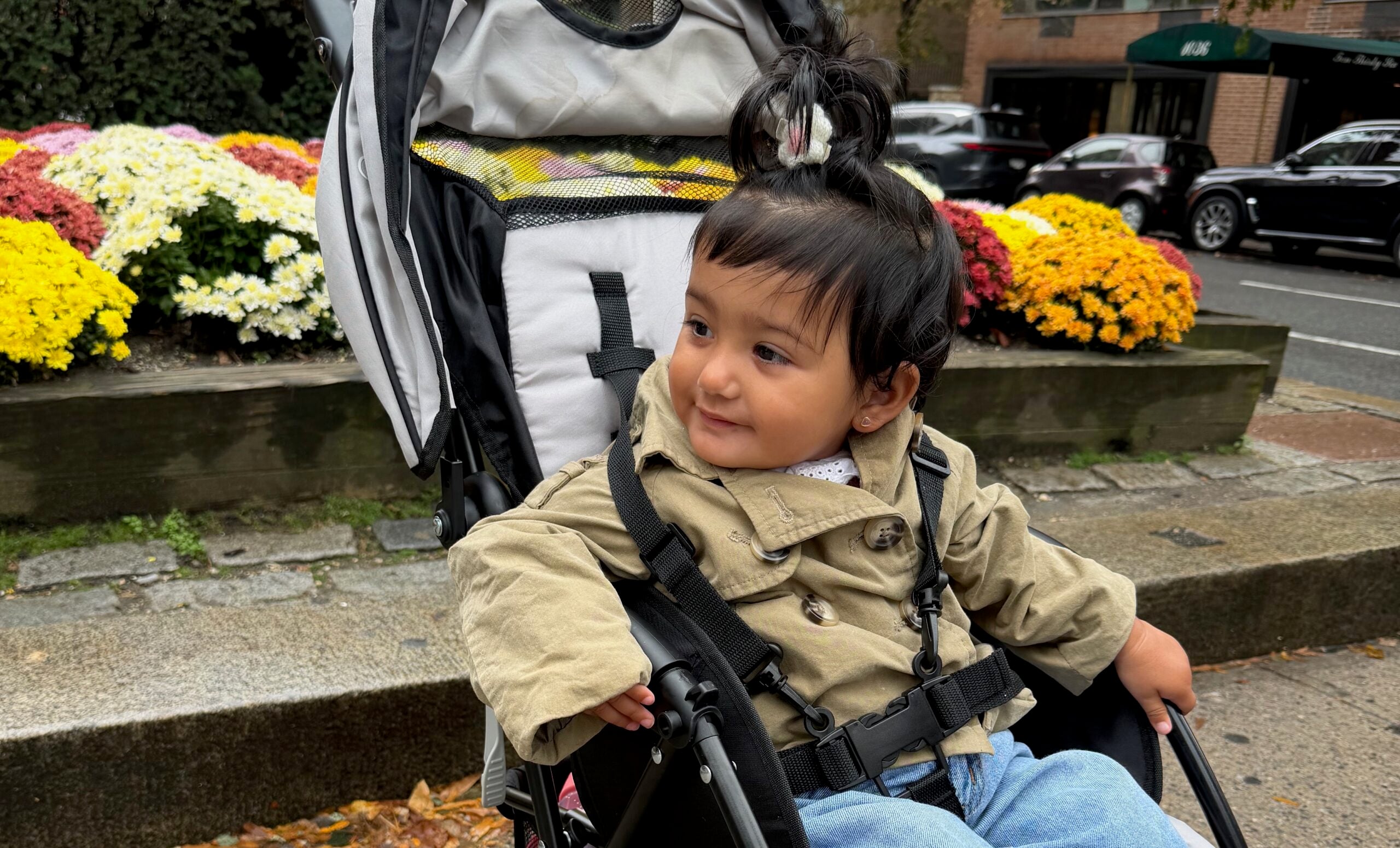
On the second day of the itinerary, the schedule promised a mix of high-profile professional and personal milestones: a team luncheon at the acclaimed Brooklyn-to-Manhattan restaurant Sailor, interviews with newlyweds at New York City Hall, and a scheduled appointment for a restorative head massage at Blissful Spa. Despite the exciting agenda, underlying anxiety persisted regarding how Evelynn and her caregivers would fare during a full day separated from the mother.
The situation escalated from nervous anticipation to acute panic during a routine morning outing. While visiting a local park prior to the start of the workday, the mother reached into the diaper bag to retrieve a pacifier—a critical self-soothing tool for a one-year-old. Upon searching the bag, she realized the pacifiers had been inadvertently left behind at the hotel.
Faced with the immediate prospect of an inconsolable infant and a derailed morning schedule, she located a nearby neighborhood drugstore and rushed to the baby care aisle. To her dismay, the shelves lacked the necessary items. In a moment of mounting panic, she turned to a nearby stranger—another mother managing a stroller—to ask for assistance.
The Intervention of the Maternal Safety Net
What followed was a spontaneous display of community care. The stranger, rather than offering a generalized or dismissive response, immediately joined the search of the store shelves. When those efforts proved unsuccessful, the woman reached into her own personal tote bag and produced a clean, ready-to-use pacifier, offering it without hesitation to the distressed traveler.
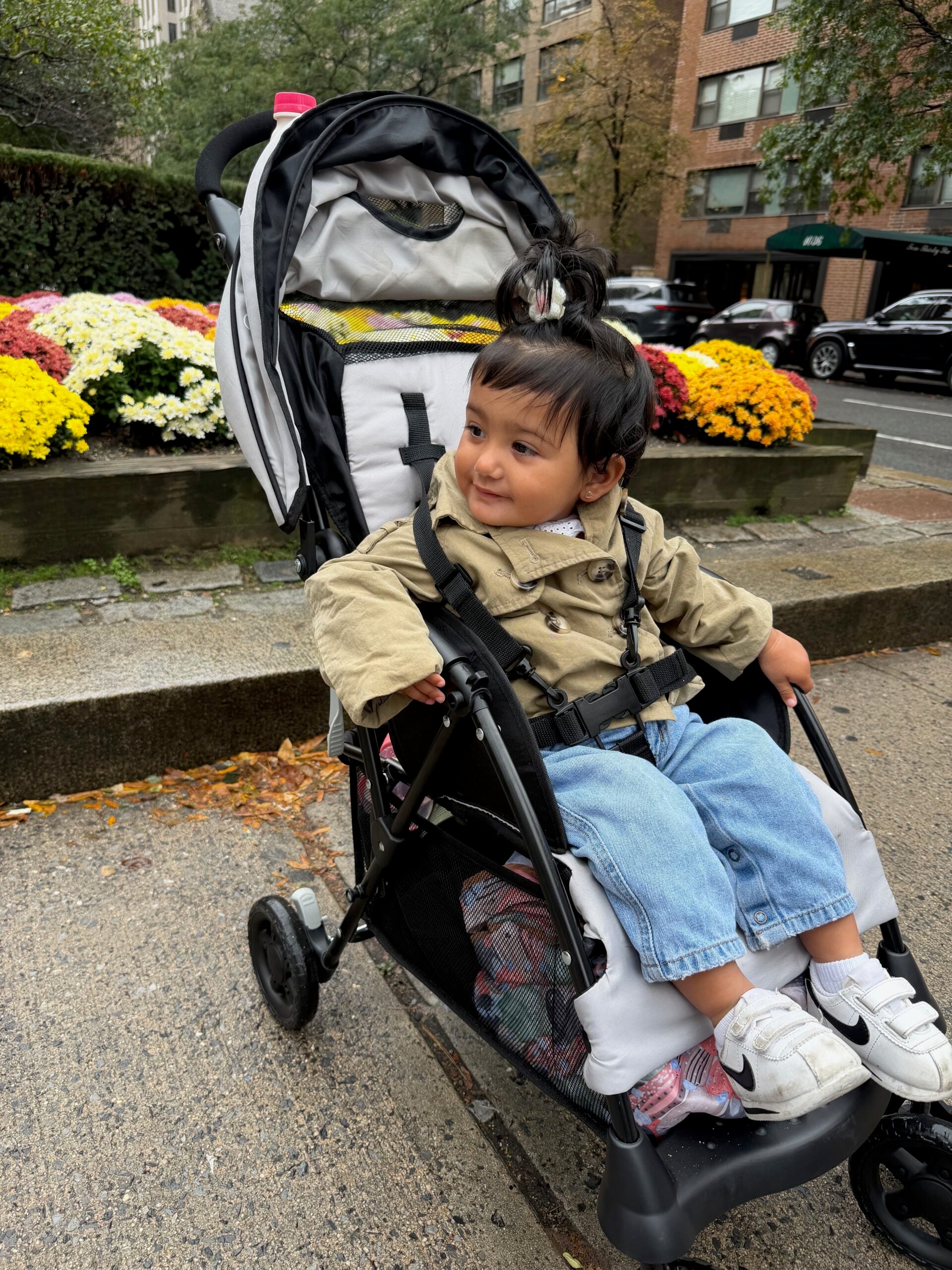
This impromptu rescue reflects a deeply embedded cultural understanding among parents. The emotional response of the traveling mother—relief culminating in tears—speaks to the psychological weight carried by primary caregivers. The narrative resonates with long-standing observations from parenting commentators, such as Abbey Nova, who have frequently noted that the unwritten rules of motherhood often require relying on the collective preparedness of other women during unexpected crises, ranging from forgotten sunscreen and depleted wipe supplies to public meltdowns.
The Broader Context: Family Travel and Urban Logistics
Traveling with infants in major metropolitan areas like New York City involves unique stressors that distinguish it from standard domestic travel. According to tourism and family travel analytics, urban destinations present specific infrastructural hurdles for parents:
- Navigational Barriers: Navigating multi-level subway systems lacking functional elevators forces parents to manually carry strollers and children up and down flights of stairs.
- Pacing and Density: The high-velocity pedestrian traffic of Manhattan creates an environment where a crying or distressed child can rapidly heighten a parent’s sense of public exposure and stress.
- Logistical Vulnerability: Relying on transient resources means that minor oversights—such as forgotten comfort items—can transform into major logistical obstacles due to the time required to return to lodging or locate specific specialty goods.
Experts in family sociology note that urban centers, despite their abundance of commerce, often lack immediate, localized micro-communities for tourists. Consequently, visitors depend heavily on the spontaneous goodwill of local residents to bridge gaps in their planning.
Implications and Sociological Analysis
The widespread resonance of this encounter—evidenced by extensive online engagement and hundreds of shared personal anecdotes within parenting communities—points to a significant sociological dynamic. The "motherhood network" functions as an informal, decentralized mutual aid system that operates across socioeconomic and geographic lines.

Sociologists studying contemporary parenting point out that modern mothers frequently experience intensive parenting pressures, where the expectation to manage career, travel, and flawless childcare simultaneously creates chronic anxiety. Incidents like the Manhattan drugstore exchange demonstrate how informal networks of empathy act as a buffer against these pressures. By normalizing human error—such as forgetting a pacifier—and offering immediate, non-judgmental remediation, these micro-interactions validate the shared experience of raising small children.
Ultimately, while the technical success of the mother’s business trip relied on careful planning and the support of friends, the emotional success of the day hinged on the empathy of a complete stranger. The event serves as a reminder of the invisible infrastructure of care maintained collectively by parents navigating the unpredictable landscape of modern family life.
Related posts: