The Foundation of First Foods: A Comprehensive Guide to Baby-Led Weaning and Beyond


The journey into solid foods for infants is often met with a mix of excitement and trepidation for parents. Navigating the sea of conflicting advice—from cereal-first mandates to strict food group introductions—can feel overwhelming. However, experts emphasize that a rigid, one-size-fits-all approach is not only unnecessary but can be counterproductive. Instead, a clear understanding of foundational nutritional needs and practical, safe feeding methods is key to supporting a baby’s development and fostering a positive relationship with food. This comprehensive guide delves into the essential nutrients for infants, explores optimal first food choices, and addresses common parental concerns surrounding the introduction of solids, whether through baby-led weaning (BLW), traditional spoon-feeding, or a blended approach.

Understanding the Nutritional Imperative for Infants
The transition to solid foods around six months of age marks a significant milestone in an infant’s development. While breast milk or formula provides essential nutrition for the first half-year of life, it gradually becomes insufficient to meet the rapidly growing demands of a baby. This is particularly true for certain critical nutrients.
Iron: The Crucial Nutrient for Cognitive and Physical Growth
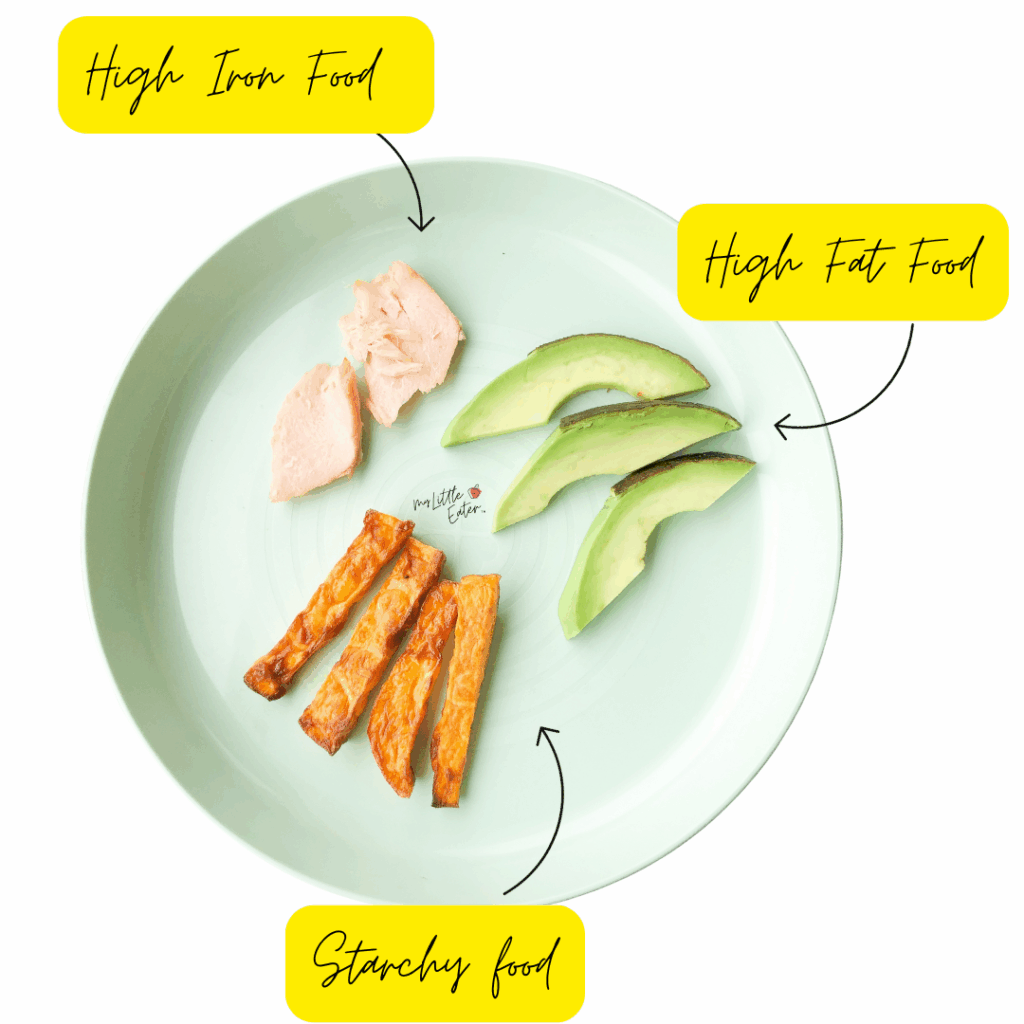
By approximately six months of age, a baby’s iron stores, accumulated during gestation, begin to deplete. This depletion coincides with the developmental readiness for solids. Iron is paramount for cognitive development, ensuring adequate energy levels, and supporting a robust immune system. Breast milk, while superior in many aspects like fat content and immune factors, is inherently low in iron. Therefore, introducing iron-rich foods becomes a biological imperative, not merely a supplementary measure. The adage "food before one is not just for fun" highlights the critical role solids play in meeting these essential physiological needs.

Healthy Fats: Fueling Rapid Brain Development
The first few years of life are characterized by explosive brain growth. In fact, the brain comprises nearly 60% fat, and its size nearly doubles during the first year alone. Adequate fat intake is crucial for the development of the brain and nervous system. While breast milk is a rich source of fat, the introduction of solid foods must include fat-rich options to sustain this rapid growth. Foods like butter, ghee, fatty meats, and egg yolks are vital components of a baby’s early diet to support this developmental imperative.
Starchy Foods: Providing Sustained Energy
As infants become more mobile and explore their environment through sitting, crawling, and reaching, their energy demands increase. Starchy foods, rich in complex carbohydrates, offer a reliable source of energy to fuel this burgeoning activity. These foods help maintain satiety between milk feeds and provide the sustained energy required for motor skill development and overall growth. Nutrient-dense starches like roasted sweet potatoes, oats, and ripe bananas are excellent choices, offering not only energy but also valuable micronutrients and fiber.
Produce: Complementary Nutrients and Flavor Exposure
Fruits and vegetables, while not always the primary drivers of essential macronutrient needs in the initial stages, offer a wealth of micronutrients, vitamins, and fiber. They play a crucial role in introducing babies to a diverse range of flavors and textures, which is vital for preventing picky eating later in life. Many produce items, such as potatoes, squash, and avocados, also contribute to the fat and starch requirements.
Expert-Recommended First Foods: Nutrient-Dense Powerhouses
While the variety of foods available is vast, certain first foods stand out for their exceptional nutritional profiles and suitability for infants. These choices prioritize iron and healthy fats, with secondary benefits of complex carbohydrates and micronutrients.
Iron-Rich Stars:
- Sardines: Often overlooked, sardines are a nutritional marvel for babies. They are an excellent source of protein, iron, and omega-3 fatty acids, crucial for brain and eye development. As a low-mercury fish, they are a safe and easy-to-prepare option. Their soft texture makes them ideal for baby-led weaning, and their distinct flavor can help prevent pickiness.
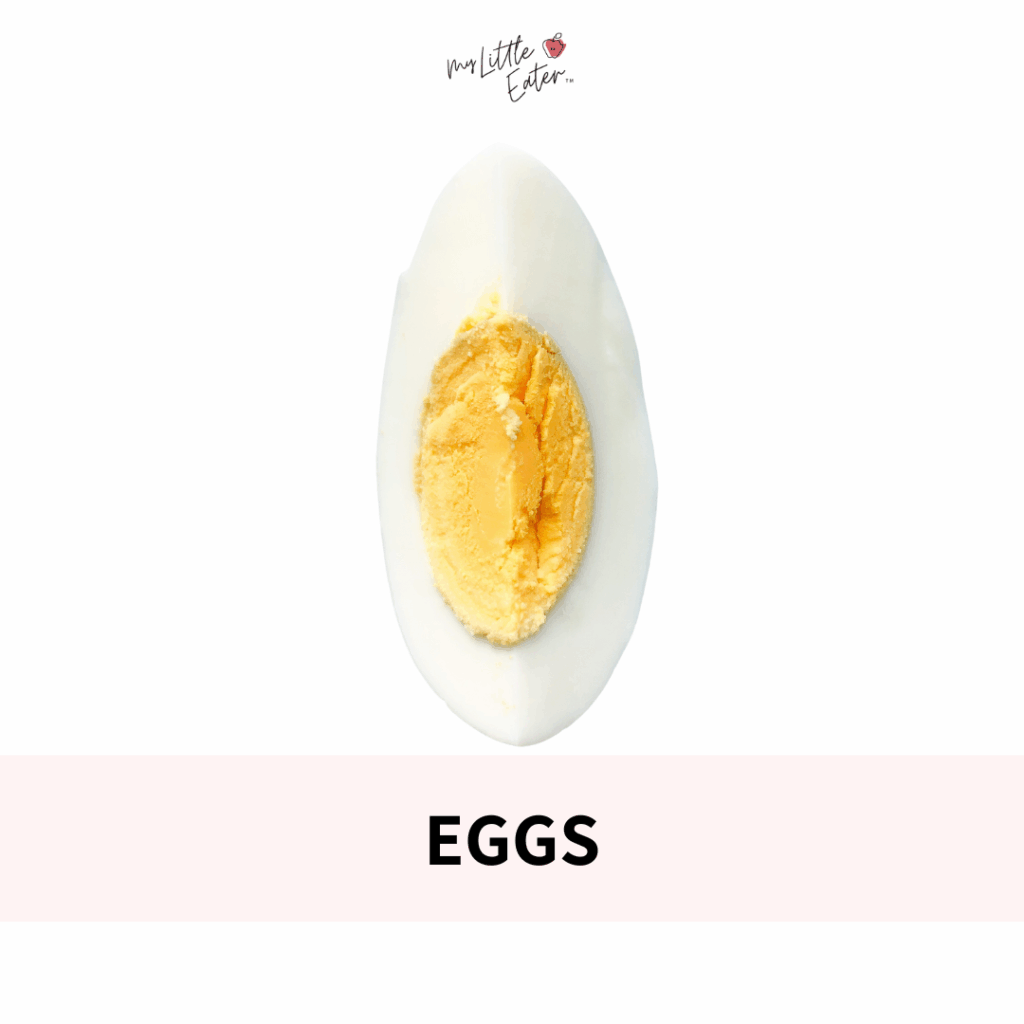
- Eggs (Yolks): The yolk of an egg is a powerhouse of nutrients, including fat, iron, zinc, and choline. The egg white contributes high-quality protein. Eggs can be prepared in various ways, from purées to scrambled eggs and hard-boiled slices, making them versatile for different feeding styles.
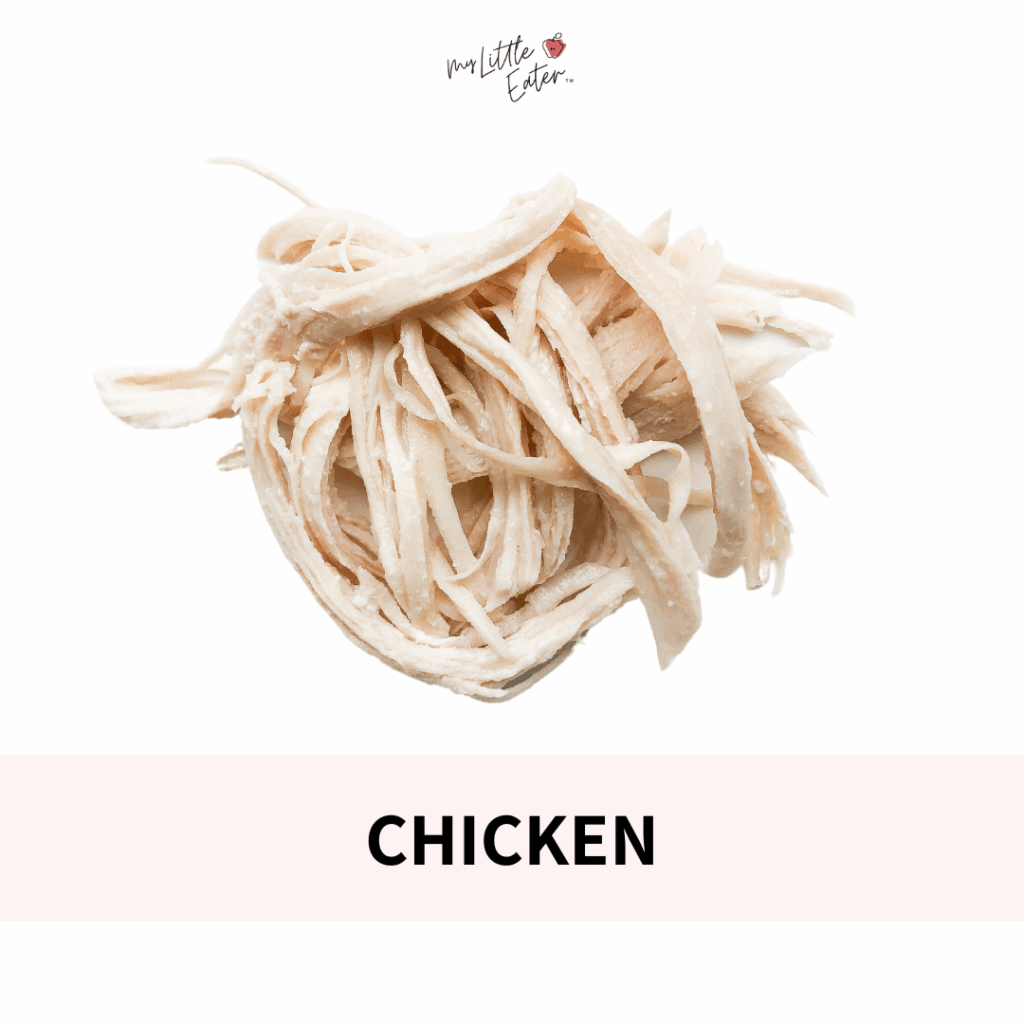
- Chicken and Turkey: These poultry options are excellent sources of heme iron, the most bioavailable form of iron. Dark meat, such as thighs and drumsticks, tends to be richer in iron and zinc and is often softer and easier to manage for babies.
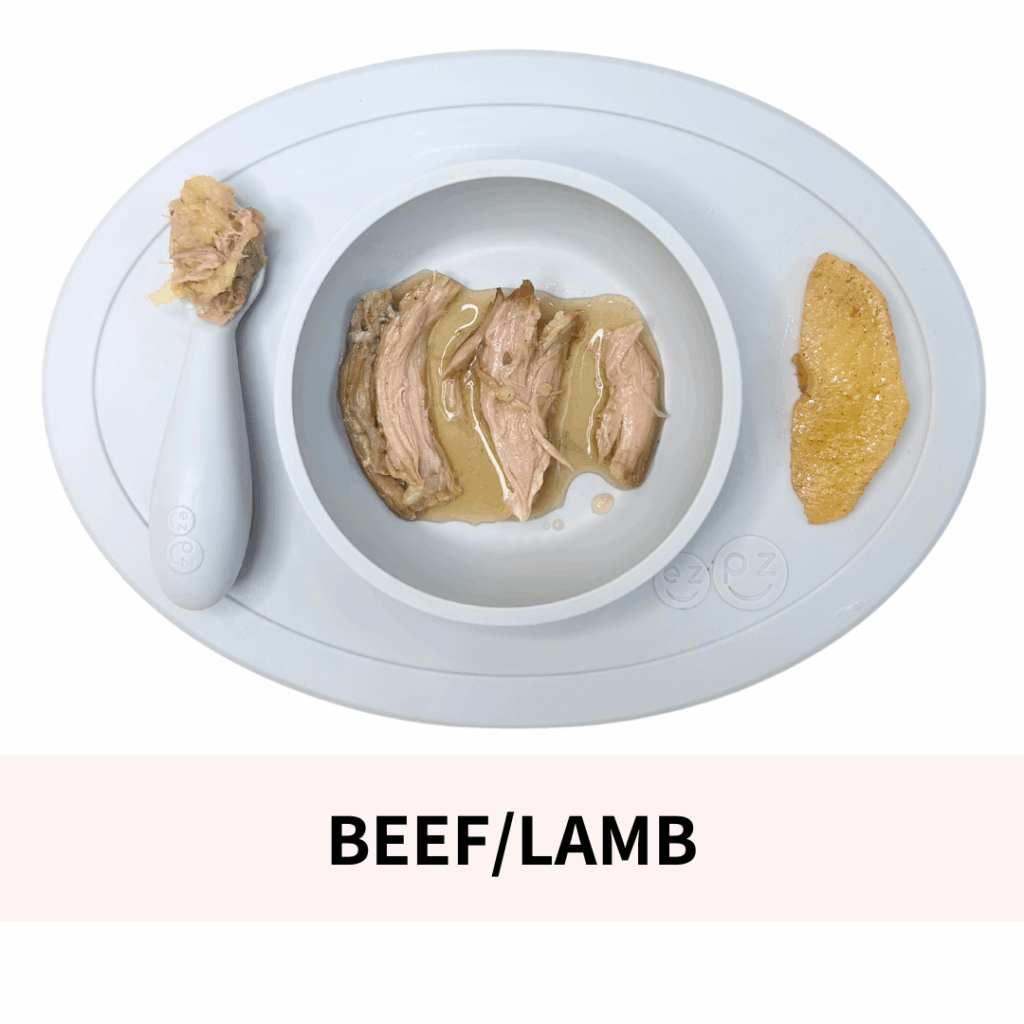
- Beef and Lamb: Red meats are premier sources of heme iron, zinc, and essential B vitamins. When cooked until tender and shredded or mashed, they are easily incorporated into a baby’s diet, supporting their immune system and energy production.
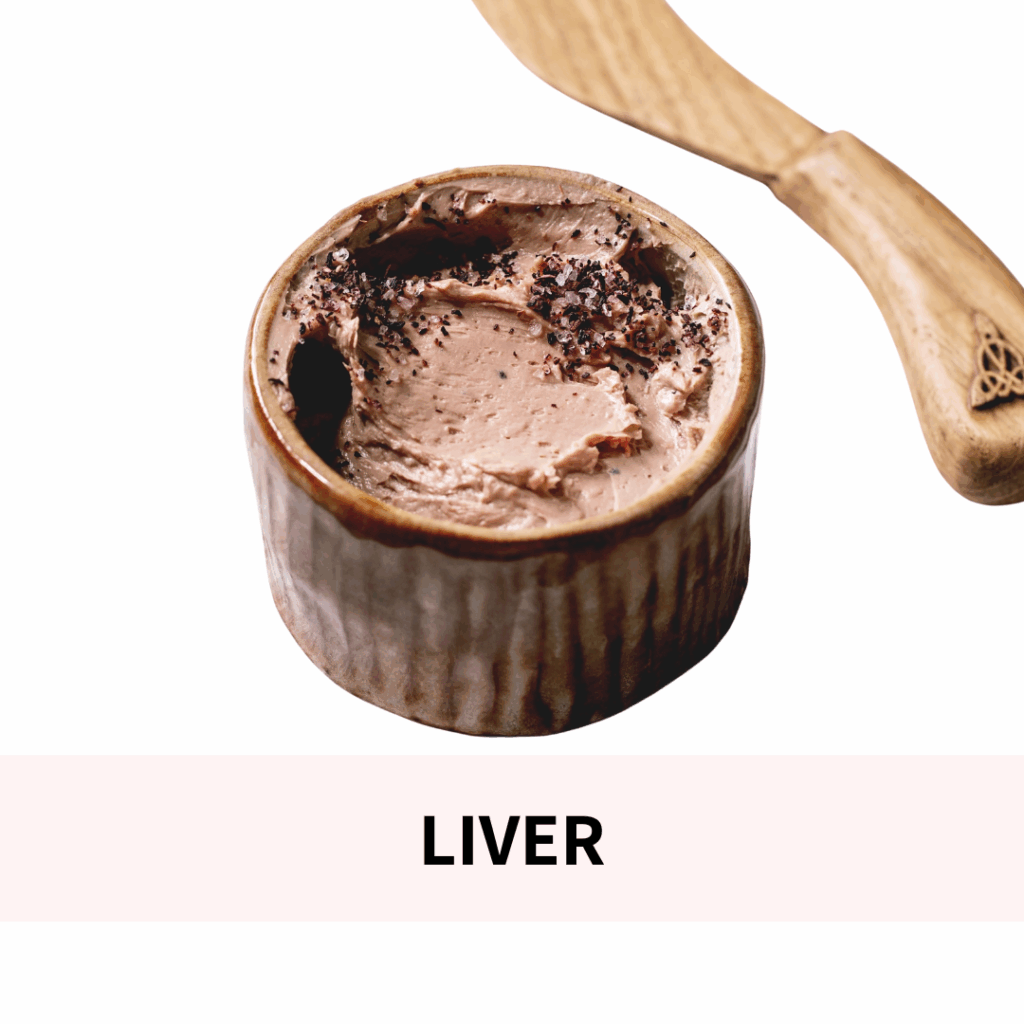
- Liver: Hailed as a "superfood" for infants, liver is exceptionally nutrient-dense. It is packed with highly absorbable iron, vitamin A, zinc, B vitamins, and choline, all vital for brain development and immune function. Its rich flavor can be an acquired taste but early exposure is beneficial.
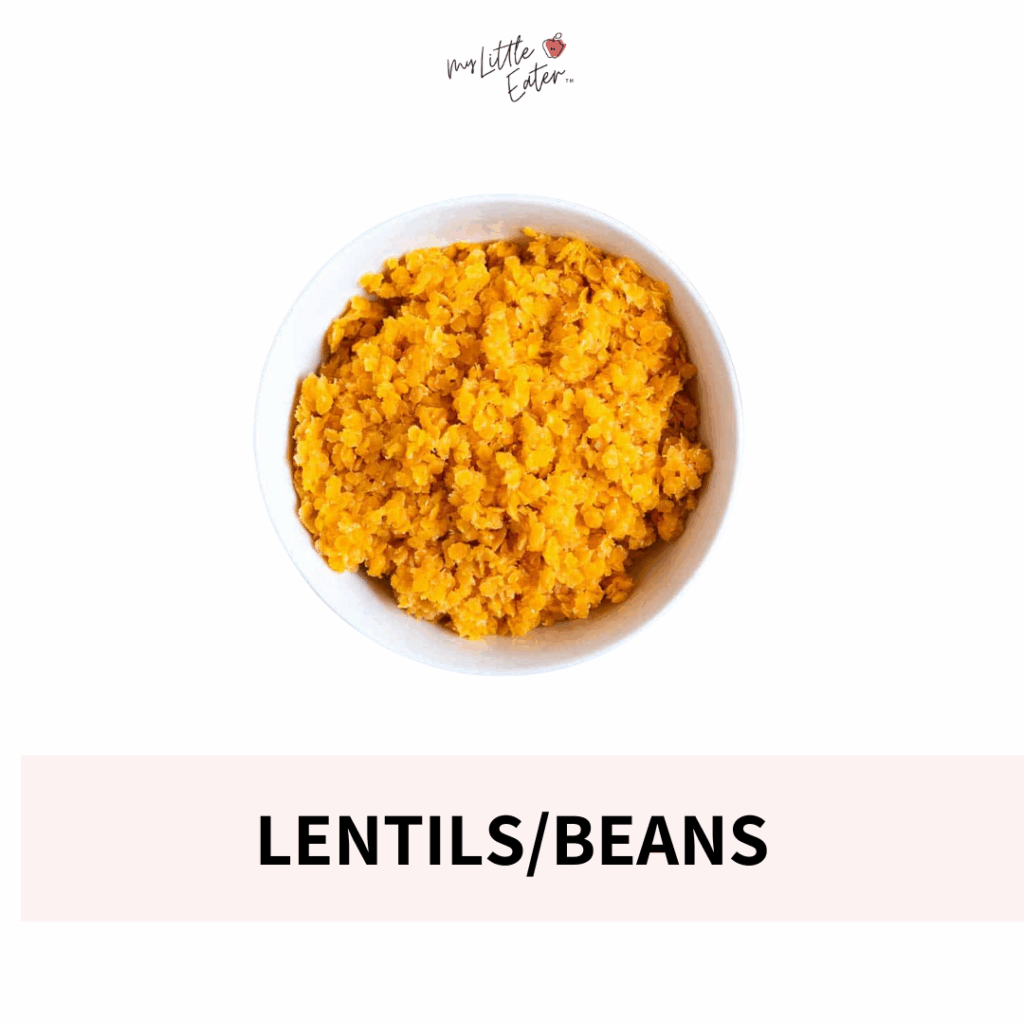
- Lentils and Beans: These legumes offer non-heme iron, which is best absorbed when paired with vitamin C-rich foods. They are also excellent sources of fiber and carbohydrates, providing sustained energy. Careful introduction is advised to manage potential digestive discomfort from high fiber content.
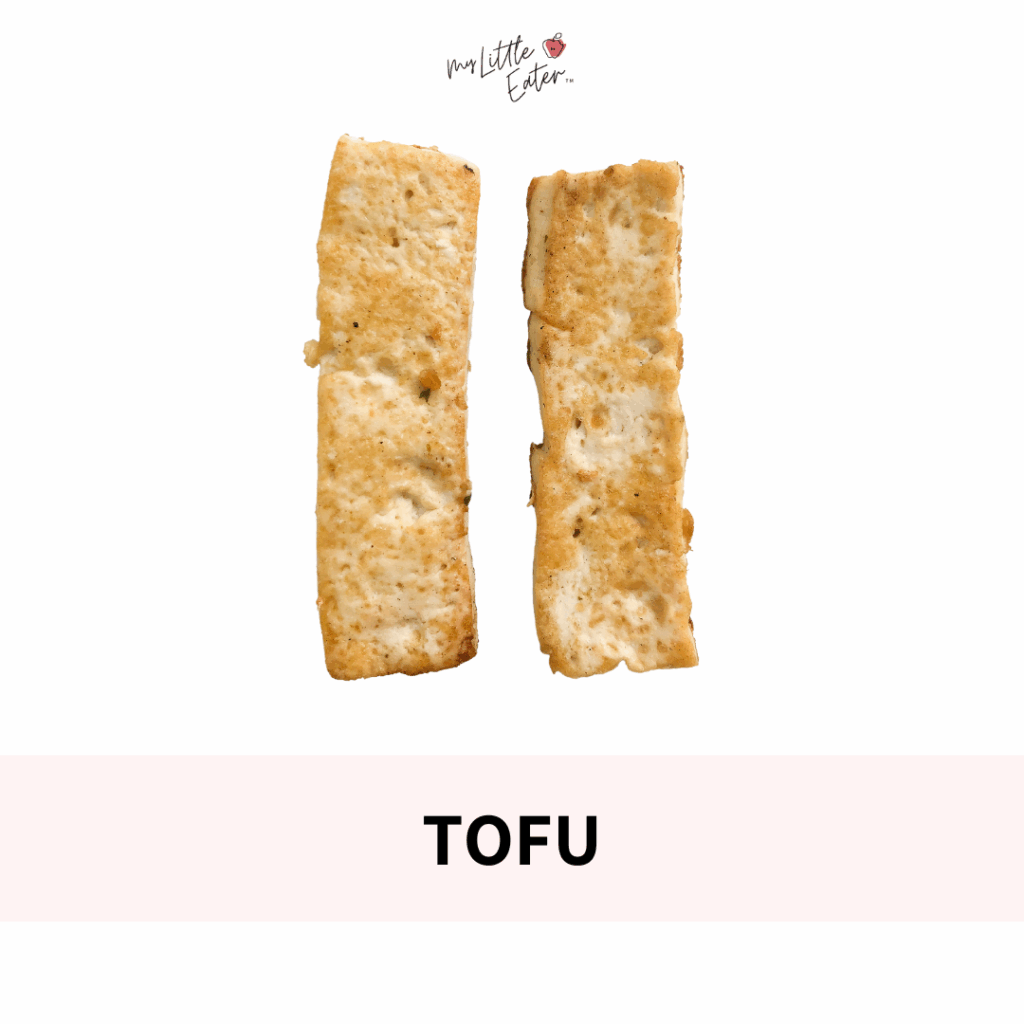
- Tofu: A soy-based protein, tofu is a good source of non-heme iron and absorbs flavors readily. Medium or firm textures are recommended for babies, as they hold their shape while remaining soft enough to gum. Pairing with vitamin C sources enhances iron absorption.
High-Fat Powerhouses:
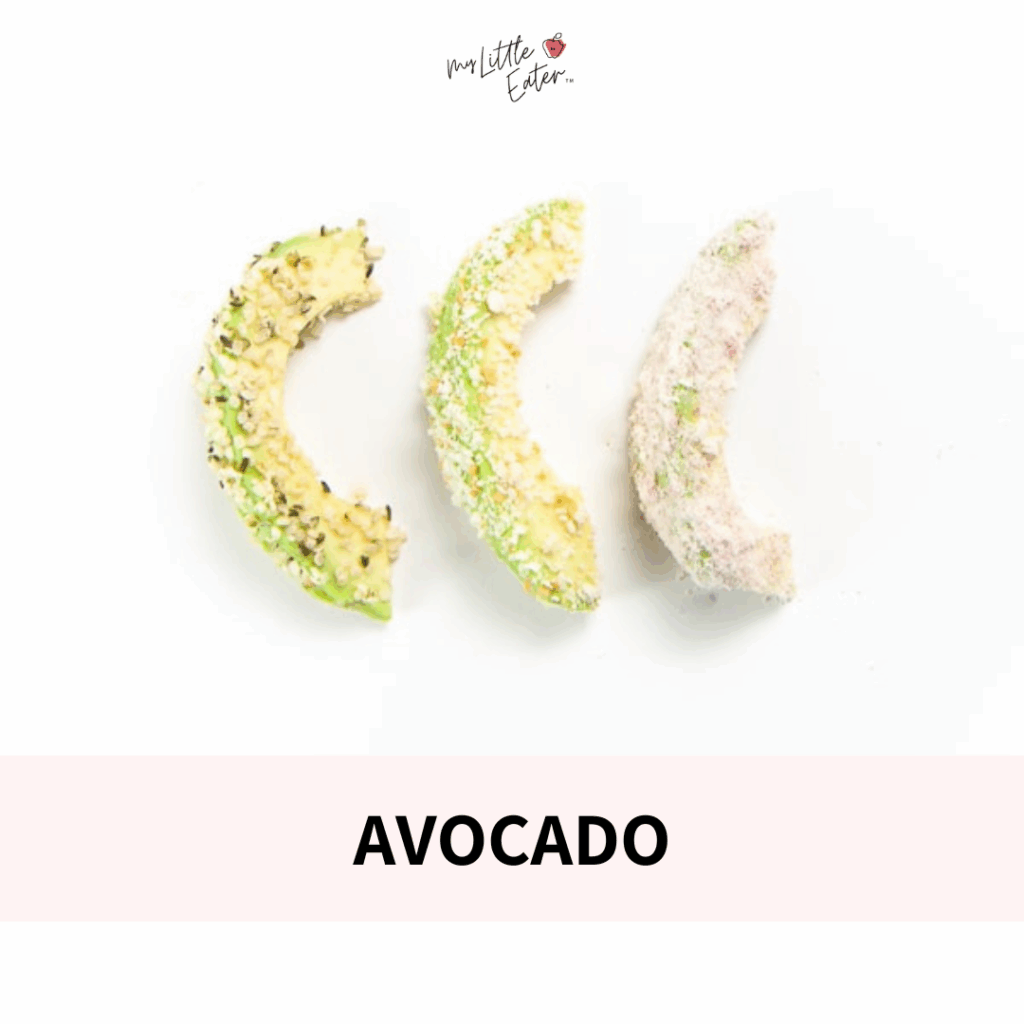
- Avocado: Naturally creamy and packed with healthy monounsaturated fats, avocado is a popular and easy first food. Its soft texture makes it ideal for babies just starting solids, and it provides a good source of calories and essential nutrients.
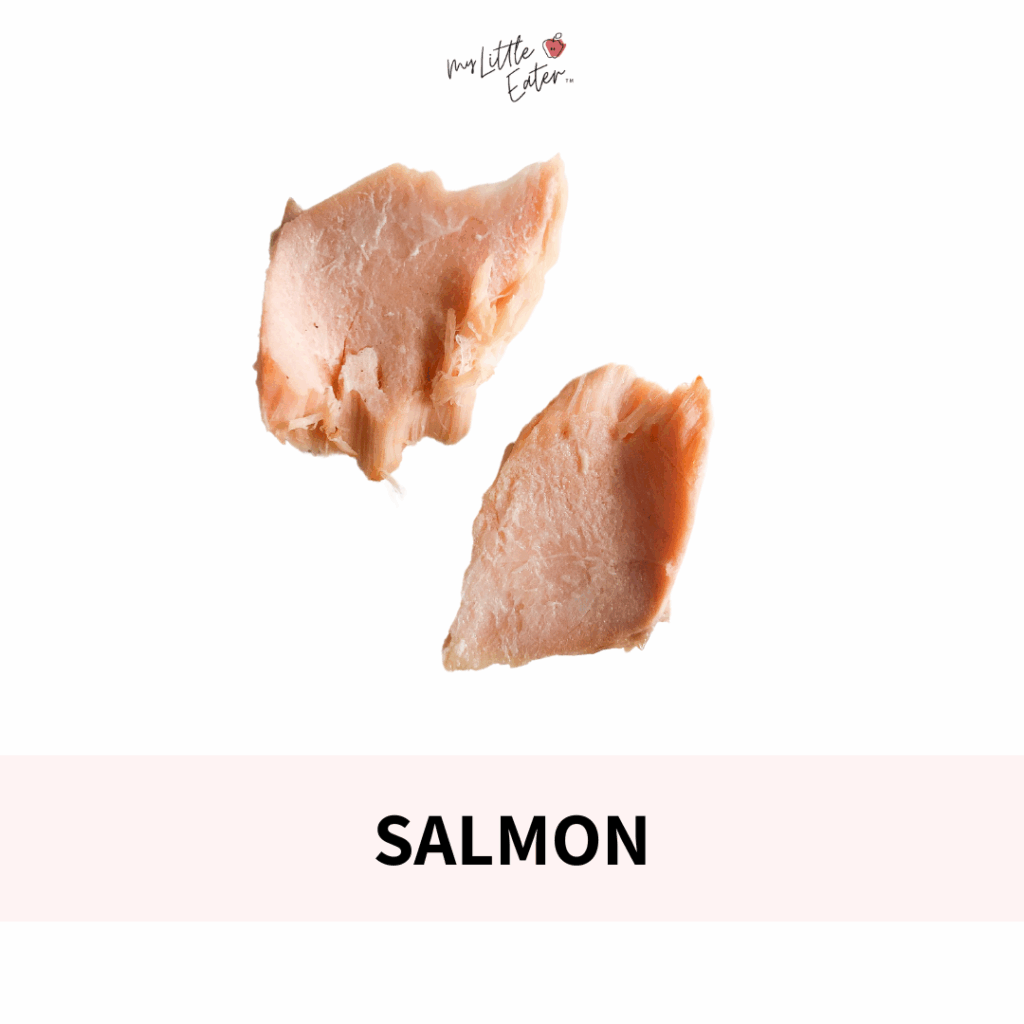
- Salmon: Rich in DHA omega-3 fatty acids, salmon is vital for brain and eye health. It’s a safe fish choice for babies and offers protein, vitamin D, and B vitamins. Its flaky texture is well-suited for various feeding methods.
- Butter and Ghee: While not standalone foods, butter and ghee are valuable for boosting the fat content of meals. They provide saturated fats and fat-soluble vitamins. Ghee is particularly useful for babies with dairy sensitivities, as it’s typically free of casein and lactose.
Starchy Staples:
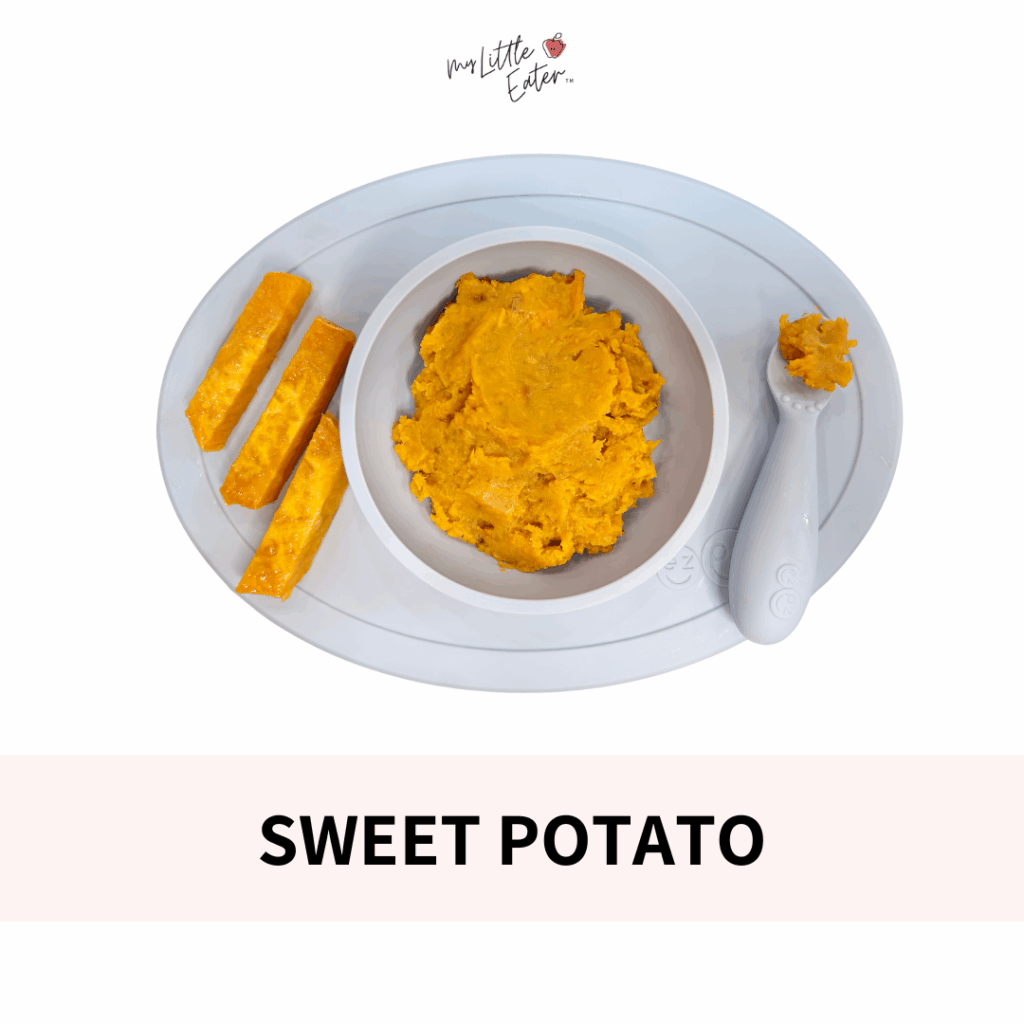
- Sweet Potato: Naturally sweet and nutrient-rich, sweet potatoes are an excellent source of complex carbohydrates, vitamin A, vitamin C, and fiber. Their soft texture when cooked makes them ideal for both purées and finger foods.
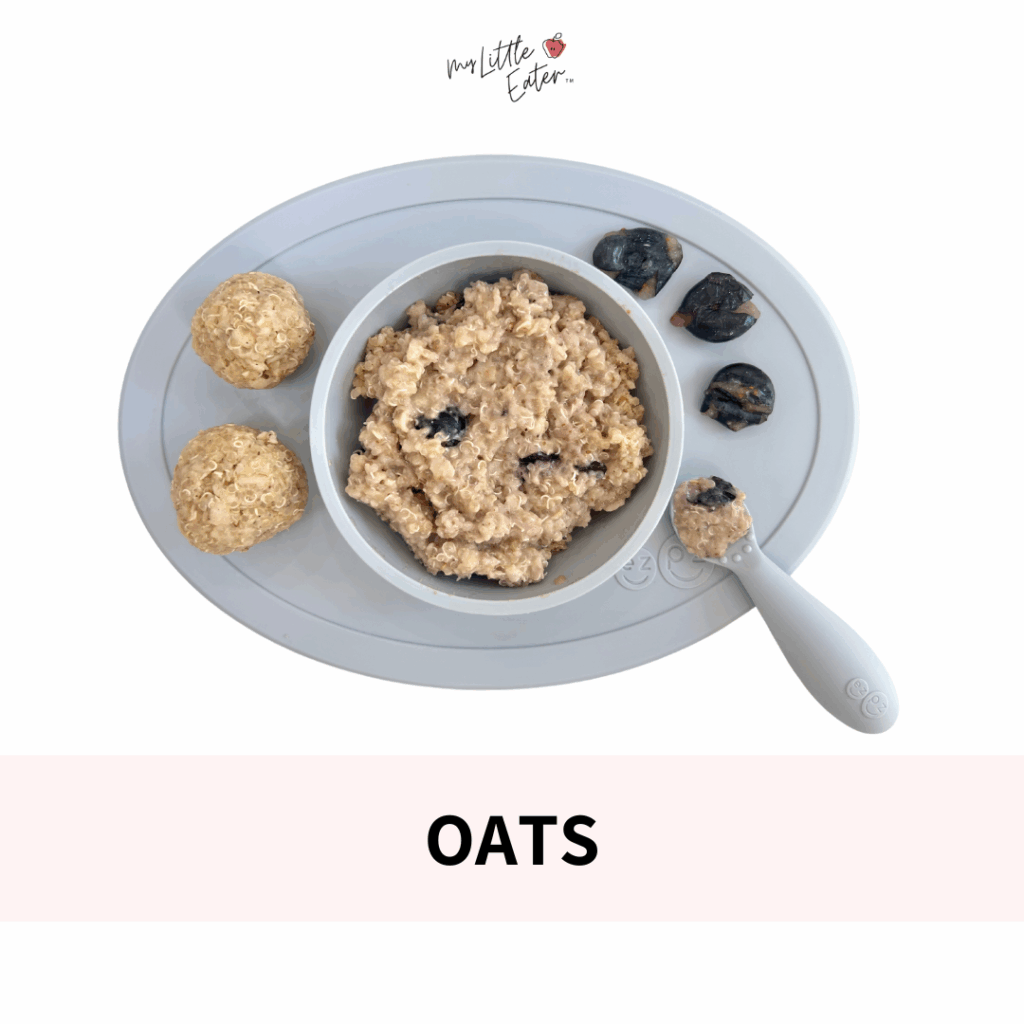
- Oats: Oats provide sustained energy through complex carbohydrates and fiber. They can be served as a puréed cereal or in finger food formats like oatmeal fingers. Opting for certified organic varieties can minimize glyphosate exposure.
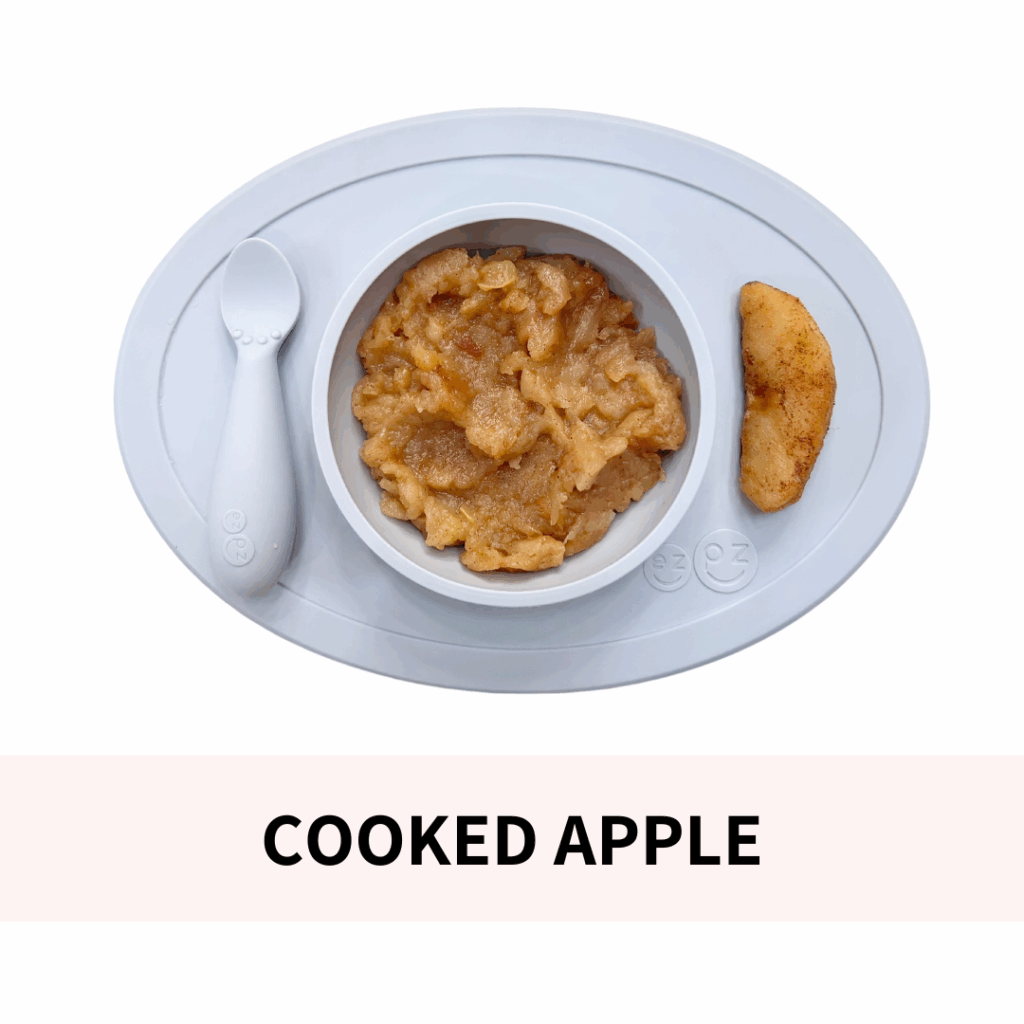
- Cooked Apple: When cooked, apples become soft and safe for babies to gum. They are a good source of vitamin C, which aids iron absorption, and provide prebiotics and fiber for digestive health. Raw apples, however, pose a significant choking hazard.
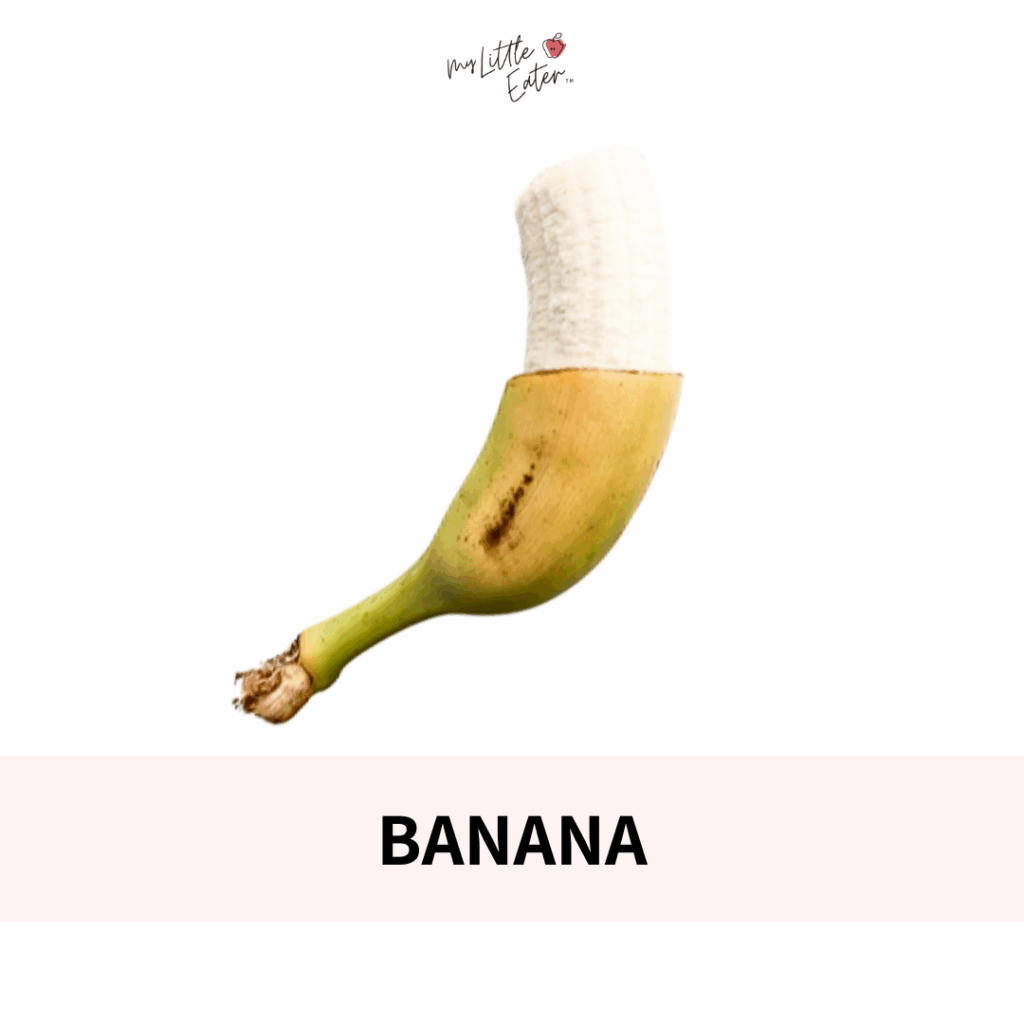
- Banana: A convenient and naturally soft fruit, bananas offer energy from starchy carbohydrates. Coating them in ground seeds or wheat germ can enhance nutritional value and provide a better grip for little hands.
Addressing Common Concerns and Myths
The introduction of solids is often accompanied by questions and anxieties regarding safety, timing, and preparation. Expert consensus and current research help to demystify these concerns.
When to Introduce Solids
Babies can typically begin their solid food journey around six months of age, provided they exhibit key developmental signs of readiness. These include the ability to sit upright independently, a diminished tongue-thrust reflex, and the capacity to bring food or a spoon to their mouth while seated. The specific timing can vary slightly among individuals.
Choking Hazards and Finger Foods
The fear of choking is a primary concern for many parents. While any food can pose a choking risk if improperly prepared or if the baby is not developmentally ready, proper food preparation can significantly mitigate this risk. Foods should be cut into age-appropriate shapes, typically finger-length strips or mashed textures, and high-risk items like whole grapes, nuts, and hard, round foods should be avoided. Understanding the difference between gagging—a normal protective reflex—and true choking is also crucial for parental confidence.

The Role of Infant Cereal
Contrary to popular belief, babies do not need to start solids with infant rice cereal. While fortified cereals provide iron, numerous other nutrient-dense foods offer this essential mineral. Introducing a variety of iron-rich foods from the outset is more beneficial for flavor and texture exposure, which is critical during the "critical window of opportunity" between 6 and 9 months for developing taste preferences and oral motor skills.
Spices, Herbs, and Mixed Meals
There is no requirement for baby food to be bland. Spices and herbs can and should be introduced from the beginning to enhance flavor and variety, aiding in the prevention of picky eating. Furthermore, there is no need to wait three to five days between introducing new foods. Offering a diverse range of foods, including mixed meals, from the start is encouraged to broaden a baby’s palate and nutritional intake.
Highly Allergenic Foods and Allergic Reactions
Current guidelines recommend introducing common allergens early and often to help prevent food allergies. Foods like eggs, fish, nuts, soy, and wheat are considered highly allergenic but are also nutrient-dense. Introducing these foods in isolation initially, and consulting with a pediatrician or allergist for babies with severe eczema or a family history of allergies, is a prudent approach.
Family Meals and Jarred Baby Food
Incorporating babies into family meals, with appropriate modifications for texture, shape, and salt content, is highly encouraged. This practice simplifies meal preparation and fosters adventurous eating habits. While convenience options like jarred baby food can be used sparingly, prioritizing nutrient-dense, whole-food ingredients with no added sugars or salts is essential.
The transition to solids is a dynamic and personal experience for each family. By focusing on nutrient-dense foods, safe preparation methods, and a flexible, evidence-informed approach, parents can confidently guide their infants toward a healthy and joyful relationship with food. Resources like workshops and meal plans can provide further support and clarity, empowering parents to navigate this exciting phase with peace of mind.
Related posts: