The Ultimate Guide to Making Golden, Flaky Homemade Peach Hand Pies for Summer Gatherings

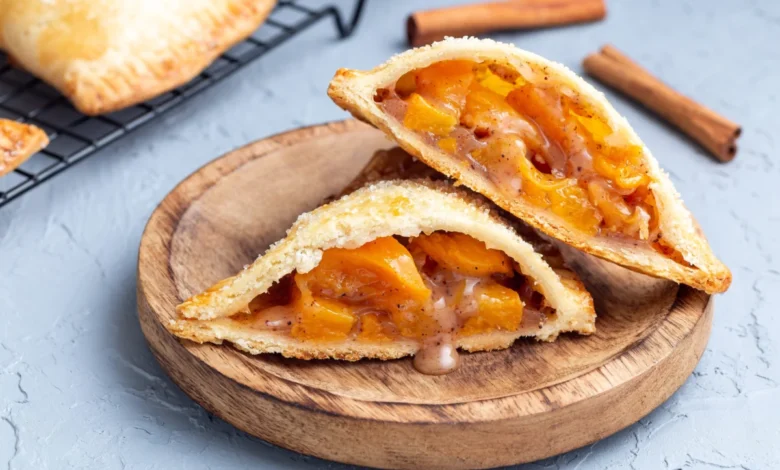
The arrival of peak peach season brings a surge of interest in portable, scaled-down desserts that capture traditional summer flavors without the structural complexity of a full-sized pie. Across home kitchens, community bake sales, and seasonal family gatherings, handheld pastry variations—specifically peach hand pies—have steadily gained popularity as a versatile, kid-friendly alternative to conventional pie slices. Culinary experts and baking enthusiasts alike have embraced the treat for its efficiency, portion control, and adaptability, transforming a regional farmers’ market staple into a nationwide summer baking phenomenon.
Background Context and Seasonal Culinary Trends
The tradition of the hand pie spans centuries, historically rooted in European pasties and turnovers designed for agricultural workers and travelers who required calorie-dense, portable meals. In the American South and Midwest, seasonal fruit fillings encased in lard or butter-based pastry became a staple of summer harvests.
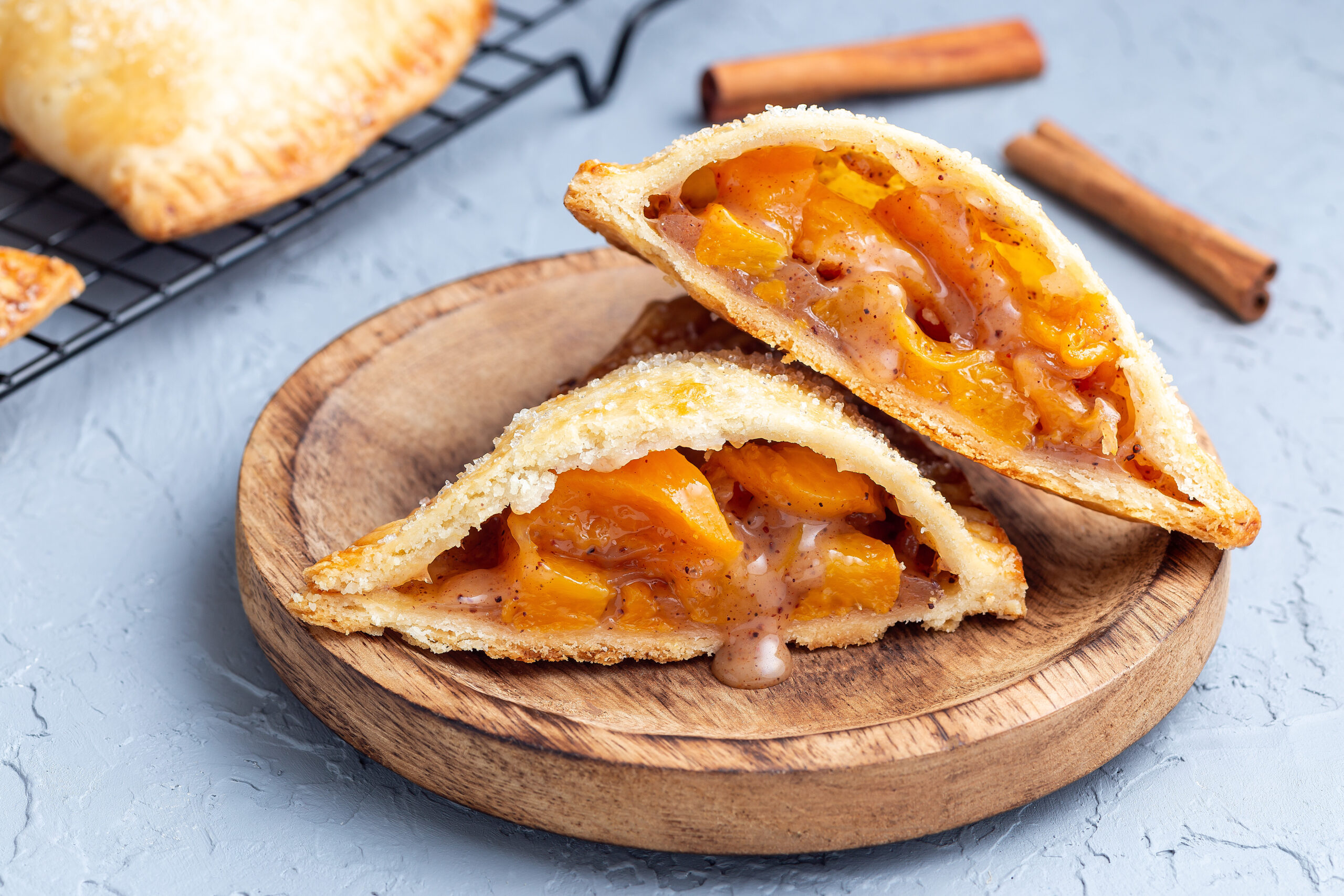
In recent years, modern baking trends have shifted toward individual-serving desserts, driven by consumer demand for portion management, ease of service at outdoor events, and aesthetic appeal on social media platforms. Peaches, which typically peak between the months of June and August in North America, serve as a primary catalyst for this seasonal baking surge. According to agricultural data from major growing regions such as California, Georgia, and South Carolina, domestic peach production yields millions of pounds of fruit annually, keeping fresh supplies abundant and affordable throughout the summer months. When fresh fruit is unavailable, commercial availability of flash-frozen and canned alternatives ensures that consumers can replicate the flavor profile year-round, contributing to the persistent demand for peach-centric baked goods.
Chronology and Preparation Workflow
Producing uniform, high-quality hand pies requires a precise sequence of preparation steps to ensure structural integrity and optimal flavor development. The standard timeline for creating a batch of ten hand pies spans approximately 47 minutes, divided into 25 minutes of active preparation and 22 minutes of thermal processing.
The preparatory chronology begins with the handling of the pastry dough, which must remain chilled to preserve the butter layers responsible for a flaky texture. Concurrently, the peach filling—composed of diced fruit, sweeteners, thickening agents, and warming spices such as cinnamon—is simmered to reduce excess moisture. A critical operational step in this phase is thermal regulation: culinary instructors emphasize that the peach filling must be cooled completely prior to assembly. Introducing warm filling to unbaked pastry dough softens the butter prematurely, compromising the seal of the edges and leading to structural failure during baking.
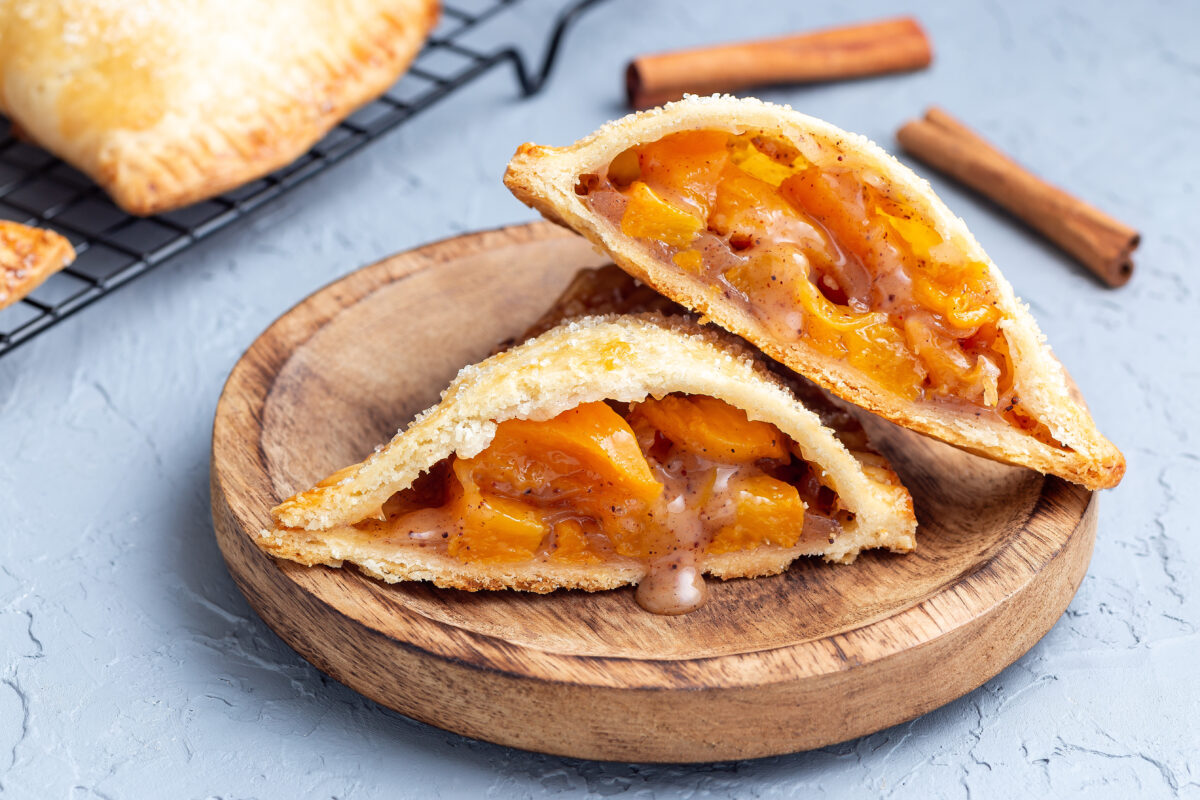
Once the filling reaches ambient temperature, assembly commences. Pastry dough is cut into uniform geometric shapes, typically circles or rectangles. A controlled portion of filling is placed in the center, avoiding over-saturation. The edges are crimped firmly using a tined fork to create a mechanical seal, and a small steam vent is introduced via a knife slit in the top crust. This vent is essential for pressure release, preventing the pastry from rupturing due to internal steam expansion.
Thermal Processing Alternatives: Baking vs. Air Frying
While conventional oven baking at temperatures ranging from 375°F to 400°F remains the standard method for achieving a golden-brown, caramelized exterior, contemporary home kitchens increasingly rely on air fryers as an energy-efficient alternative.
Data compiled from culinary appliance manufacturers indicate that air fryer utilization for small-batch baking has risen significantly over the past five years. When applied to peach hand pies, operating an air fryer at 350°F for eight to ten minutes yields a crisp crust comparable to traditional baking methods, while reducing total cooking time and kitchen heat output during the peak summer months. However, practitioners note that batch processing is required in air fryers to prevent overcrowding, which can inhibit the circulation of dry heat necessary for a crisp pastry shell.
Nutritional and Economic Implications of Ingredient Selection
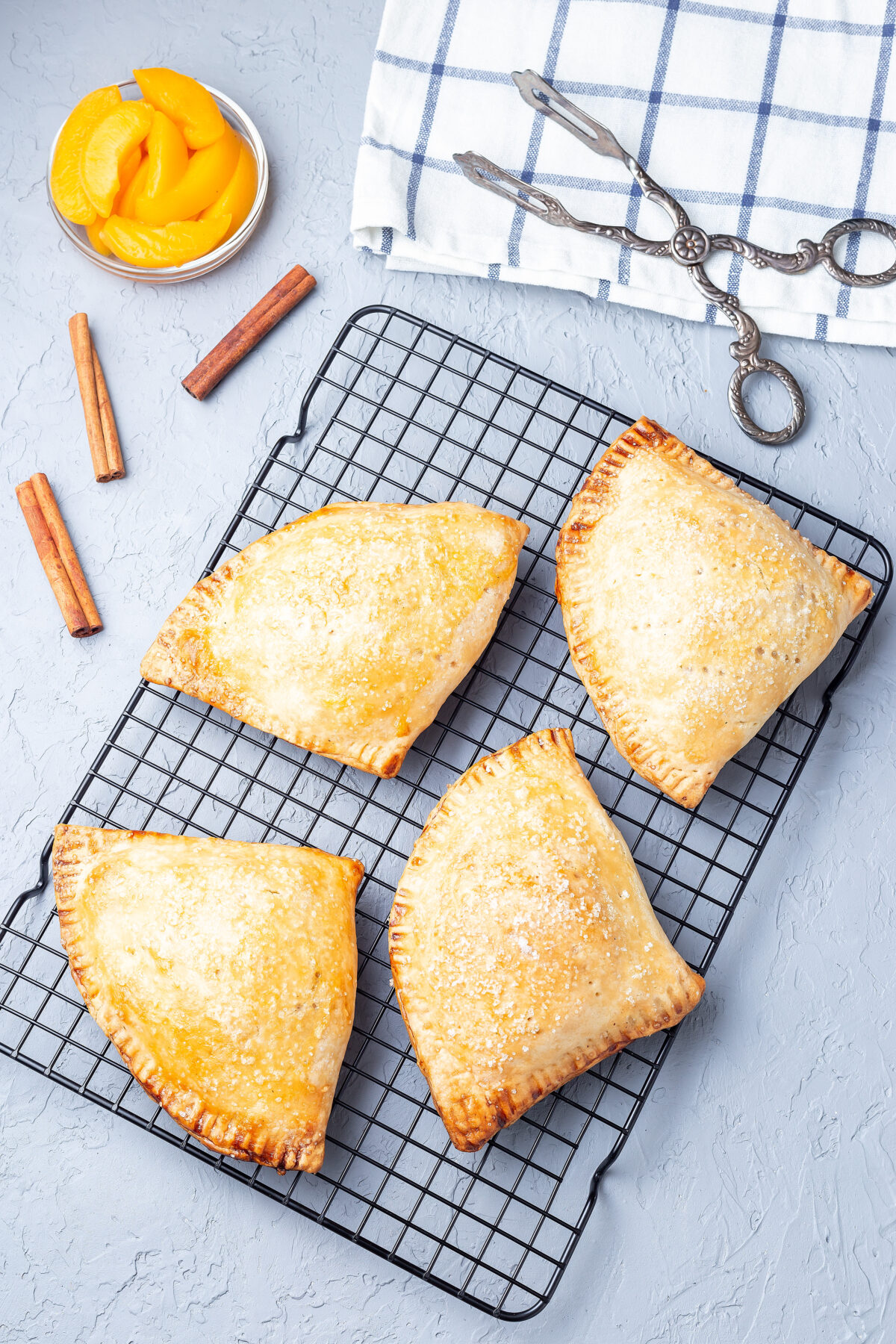
The versatility of the hand pie recipe allows for significant variation based on dietary preferences and seasonal availability. Culinary analysts categorize these modifications into three primary material streams: fresh, frozen, and preserved fruit.
- Fresh Peaches: Preferred during peak season for optimal texture and natural pectin levels, though requiring peeling, pitting, and precise maceration to control liquid release.
- Frozen Peaches: Economically advantageous during off-peak months. Standard culinary protocol requires complete thawing and thorough drainage to prevent excess water from diluting the pastry matrix.
- Canned Peaches: The most shelf-stable option, though nutritionists note that syrup-packed varieties necessitate a reduction in added recipe sugars to maintain a balanced flavor profile.
Further structural and flavor variations include the integration of secondary fruits, such as blueberries or raspberries, which contribute natural acid balance to the sweet peach base. Additionally, the incorporation of secondary dairy elements—such as a base layer of sweetened cream cheese—alters the moisture barrier between the filling and the crust, preventing sogginess while introducing a richer mouthfeel.
Storage, Preservation, and Commercial Viability
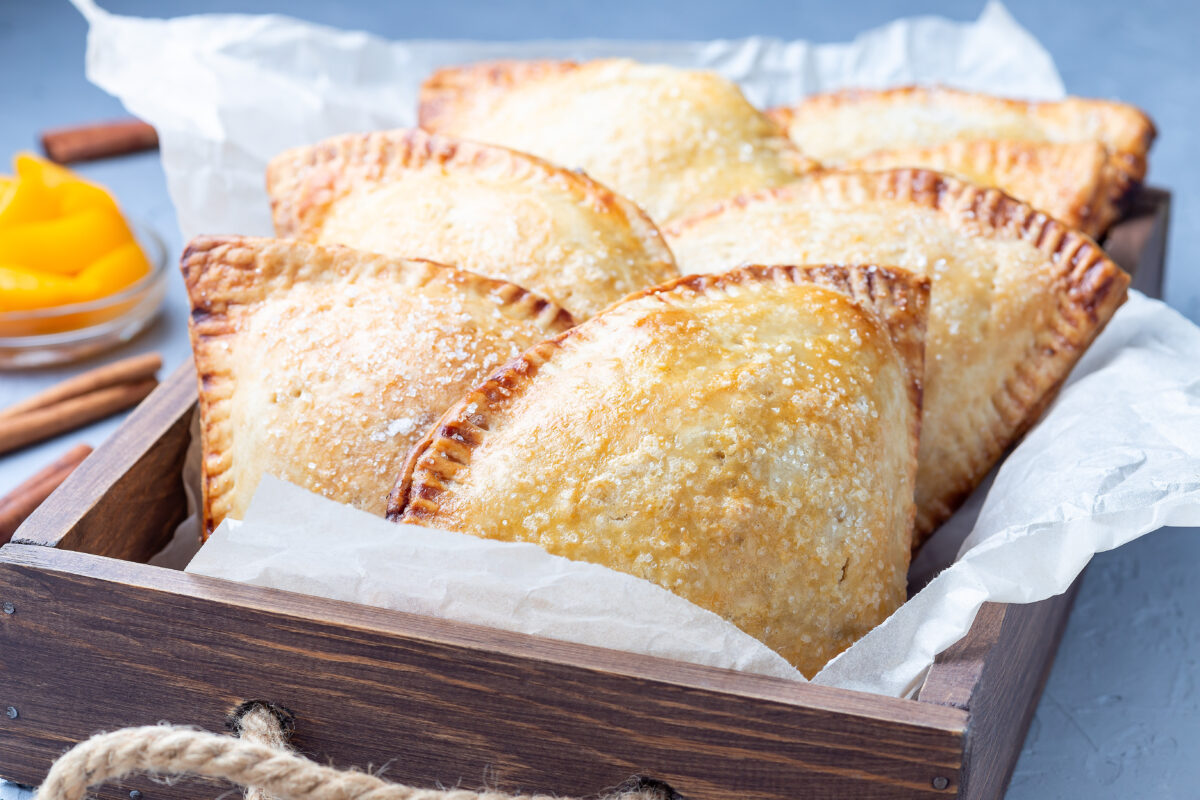
The logistical advantages of hand pies extend beyond initial consumption into post-bake preservation. Standard food safety guidelines indicate that baked hand pies can be safely stored at ambient room temperature for up to 48 hours when kept in an airtight container. Refrigeration extends this shelf life to five days, though texture degradation—specifically the softening of the pastry crust—may occur due to moisture migration from the filling.
For long-term storage, freezing unglazed, fully baked hand pies for up to two months provides an effective retention method. Rethermalization in a conventional oven or air fryer restores the crisp exterior without compromising the integrity of the fruit filling. Industry experts suggest applying decorative sugar glazes post-reheating rather than prior to freezing to prevent crystallization and surface weeping.
Broader Impact on Family Baking Traditions and Consumer Behavior
The enduring popularity of recipes such as homemade peach hand pies reflects a broader cultural return to scratch-cooking and familial food traditions. Market researchers observe that economic pressures combined with a cultural emphasis on mindful consumption have driven consumers toward home-based baking projects that offer high emotional value and portion control. By bridging the gap between traditional dessert preparation and modern portability, the peach hand pie remains a resilient staple of seasonal home economics, satisfying both practical logistical demands and heritage-driven culinary preferences.
Related posts: