
For parents and caregivers, this period is characterized not only by the procurement of school supplies and the emotional adjustment of children returning to classrooms—and, for some families, the bittersweet milestone of sending a young adult off to college—but also by a significant logistical pivot in household management. Among the most pressing challenges of this seasonal shift is the reorganization of family nutrition, specifically the systematic planning of weekly meals.
Recent studies in nutritional sociology and household economics indicate that the shift from summer to the school year disrupts established dietary routines, often leading to an increased reliance on convenience foods, elevated household food expenditures, and heightened stress levels for working parents. To mitigate these pressures, culinary professionals and family nutrition advocates increasingly recommend structured meal planning as an evidence-based strategy to maintain dietary quality, control costs, and reduce the cognitive load associated with daily evening meal decisions.

This report examines a comprehensive, structured weekly meal plan designed to bridge the late-summer transition, highlighting the nutritional strategies, logistical frameworks, and psychological benefits of organized household food preparation during high-stress seasonal shifts.
The Macroeconomic and Nutritional Context of Back-to-School Meal Planning
The weeks preceding the resumption of formal education represent a critical window for establishing behavioral patterns that will sustain family health throughout the autumn and winter months. According to data from the Bureau of Labor Statistics and dietary intake surveys conducted by public health agencies, American families consume a higher percentage of meals away from home during the summer months due to travel, camps, and flexible schedules. However, as structured routines return, the demand for predictable, nutrient-dense home-prepared meals surges.
Nutritionists emphasize that the primary barrier to maintaining a balanced diet during the back-to-school transition is time scarcity. Mornings become compressed, requiring rapid breakfast solutions that deliver sustained energy without excessive added sugars. Similarly, afternoon snacks must bridge the nutritional gap between the end of the school day and evening activities, while school lunches—or midday meals for those still at home—must balance appeal with micronutrient density.

To address these challenges, contemporary family meal strategies rely on batch preparation, multi-use ingredients, and the strategic deployment of modern kitchen appliances such as air fryers and slow cookers. By front-loading preparation and diversifying flavor profiles, households can maintain culinary engagement while minimizing weekday friction.
A Structured Weekly Culinary Blueprint: Day-by-Day Analysis
To understand how modern households operationalize nutritional preparedness during seasonal transitions, culinary strategists analyze comprehensive weekly menus that integrate breakfast, mid-day nutrition, snacks, and evening suppers. The following detailed menu breakdown reflects a balanced approach to late-summer family dining, emphasizing whole foods, fiber, lean proteins, and culinary participation.
Morning Nutrition: Energizing the Start of the Day
The psychological and physiological impact of breakfast on school-aged children and working adults is well-documented in educational and nutritional research. Studies consistently show that complex carbohydrates paired with adequate protein and healthy fats improve cognitive function, memory retention, and behavioral regulation in academic settings.

For the featured weekly cycle, breakfast centers heavily on nutrient-dense smoothies and traditional baked elements adapted for elevated nutritional profiles:
- Green Breakfast Smoothies: Utilizing leafy greens blended with fruits and plant-based or dairy liquids to deliver micronutrients and dietary fiber invisibly.
- Specialty Smoothies: Flavor-profile variations such as blueberry-chia and fruit-forward blends designed to provide antioxidants and omega-3 fatty acids.
- Weekend Brunch Integration: Transitioning to more elaborate weekend preparations, such as whole-grain or fruit-infused pancakes, which allow families to engage in leisurely culinary traditions without the time constraints of weekday mornings.
Midday and Afternoon Sustenance: Lunches and Functional Snacks
As children transition back to institutional learning environments, the mid-day meal and afternoon snack period serve vital roles in maintaining metabolic stability.
The snack rotation emphasizes structural creativity and high nutritional value:

- Baked Goods: Chocolate oat muffins that substitute refined flours and sugars with nutrient-dense oats and wholesome sweeteners.
- Vegetable-Forward Options: Cucumber stackers and hummus pinwheels that encourage vegetable consumption through interactive presentation.
- Novelty Formats: Banana sushi and homemade fruit leathers (such as peach varieties) that replicate the appeal of commercial processed snacks while eliminating artificial preservatives and excessive sodium.
For midday dining—reflecting households where younger children or parents remain home part-time—the menu features interactive and globally inspired dishes:
- Monogram Sandwiches and Cheesy Turkey Meatballs: Comfort foods modified to incorporate lean poultry proteins and whole-grain elements.
- Asian-Inspired Noodles: Noodle pancakes and stir-fried ramen utilizing fresh vegetables and controlled sodium levels.
- Seasonal Soups: Quick gazpacho preparations that leverage peak-season summer produce for maximum vitamin C and hydration.
Evening Suppers: The Weekday Progression
Dinner planning during high-stress transition periods requires a careful balance between culinary satisfaction and operational efficiency. The structured weekly supper schedule moves logically from weekend ambition to weekday pragmatism, culminating in a traditional end-of-week community meal.
Sunday: The Culinary Anchor
The weekly cycle commences on Sunday with an air-fryer steak paired with a complex side of carrot, broccoli, and cheese orzo. This meal utilizes modern convection cooking technology to achieve rapid, even cooking of lean proteins while incorporating cruciferous vegetables into a familiar, comforting grain base.

Monday: Plant-Forward Beginnings
Continuing a growing trend toward reduced meat consumption for environmental and health reasons, Monday features a Japanese vegetable curry served over brown rice. Nutritionists note that vegetable curries provide an exceptional vehicle for dietary fiber, phytochemicals, and complex carbohydrates, establishing a wholesome tone for the beginning of the work week.
Tuesday: Interactive Cultural Dining
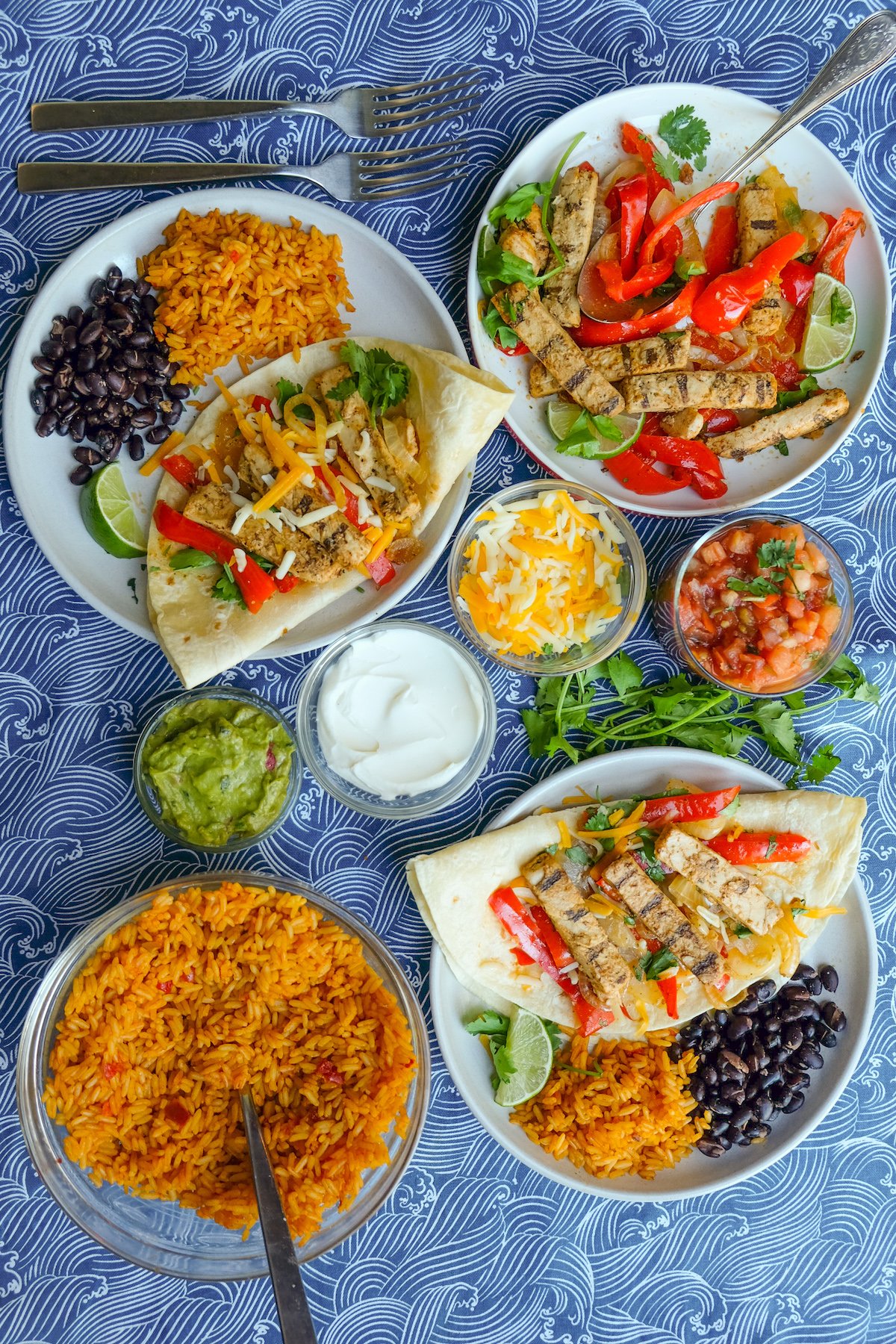
To combat mealtime fatigue and encourage children’s autonomy, Tuesday’s menu centers on chicken fajitas accompanied by Spanish rice and black beans. Culinary educators frequently advocate for "DIY" (do-it-yourself) meal formats, as allowing children to assemble their own plates increases dietary acceptance and reduces behavioral resistance at the dinner table.
Wednesday: Mid-Week Comfort and Innovation
Mid-week fatigue is counterbalanced on Wednesday with "shroom" burgers—mushroom-based patties offering robust umami flavors and reduced environmental impact compared to traditional beef—accompanied by air-fryer french fries. To maintain household morale, the meal includes a dairy-free chocolate-cherry ice cream dessert, demonstrating that dietary accommodations need not sacrifice indulgence.

Thursday: Streamlined Preparation
Recognizing the cumulative fatigue of the working and school week, Thursday’s menu prioritizes extreme operational simplicity. Utilizing "no-work" chicken preparations alongside brown rice cakes and rapid air-fryer vegetables ensures that a nutritious, hot meal can be placed on the table with minimal active kitchen labor.
Friday and Saturday: Community and Rest
The week concludes with a longstanding family favorite: Pizza Friday, featuring homemade pizza balls and a vibrant green salad dressed with everyday lemon vinaigrette. Food sociologists note that recurring weekly rituals, such as Friday night pizza, provide essential psychological grounding for children navigating demanding school schedules. Furthermore, incorporating children into the pizza-making process fosters foundational culinary literacy. The weekly culinary cycle officially closes on Saturday with the support of local dining establishments, providing working parents with a well-deserved respite from domestic labor.
Expert Perspectives on Household Nutritional Management
Public health officials and family psychologists stress that structured meal planning yields benefits far beyond simple physical nutrition. Dr. Elizabeth Vance, a specialist in pediatric behavioral health and family nutrition, notes that predictable meal routines significantly lower household cortisol levels during major life transitions like the start of a new school year.
"When children and parents know what to expect regarding their daily nutrition, the cognitive friction of the evening routine is dramatically reduced," Dr. Vance explains. "Furthermore, involving children in the planning and preparation phases fosters a sense of agency and reduces anxiety surrounding new social and academic environments."
Economic analysts also highlight the fiscal advantages of systematic meal planning. Data compiled by consumer advocacy groups indicates that families who commit to a structured weekly menu reduce their grocery waste by up to 25% and spend significantly less on impulse takeout dining during hectic weekday evenings.
Broader Implications and Future Outlook
As urban and suburban families face increasingly complex scheduling demands, the traditional art of home meal preparation is undergoing a technological and logistical evolution. The integration of smart kitchen appliances—such as precision air fryers, programmable slow cookers, and automated grocery inventory systems—is lowering the barrier to entry for health-conscious home cooking.

At the same time, educational initiatives aimed at improving culinary literacy in schools are beginning to align with home-based practices. When children encounter concepts like vegetable-forward cooking, balanced macronutrient pairing, and interactive meal assembly both in the classroom and at the family dinner table, lifelong wellness habits are established.
Ultimately, the late-summer transition serves as a vital reminder of the central role that food plays in family cohesion and individual well-being. By approaching household nutrition with deliberate planning, flexibility, and a focus on whole, accessible ingredients, families can navigate the complexities of the modern school year with resilience, health, and shared culinary enjoyment.