Homemade Frozen Fruit Bars Offer a Refreshing and Budget-Friendly Alternative to Store-Bought Options

Homemade frozen fruit bars present a simple, flavorful, and endlessly customizable solution for a refreshing treat suitable for all ages. These DIY delights not only capture the vibrant essence of whole fruits but also offer a significantly more economical approach compared to purchasing pre-packaged frozen bars from retail outlets, such as the popular Outshine brand. This accessibility and cost-effectiveness make them an ideal choice for parents seeking healthy snack options and for individuals looking to enjoy a nutritious frozen dessert without a hefty price tag. The inherent simplicity of the recipe allows for a wide array of fruit combinations, catering to diverse palates and seasonal availability.
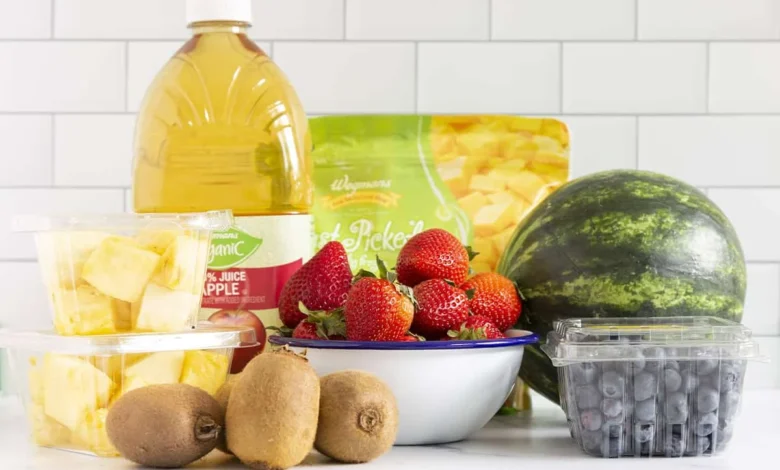
The appeal of frozen fruit bars extends beyond their taste and cost. They serve as an excellent vehicle for incorporating more fruit into daily diets, particularly for children who may be selective eaters. As a post-school snack, they provide a welcome burst of hydration and natural sweetness. The ease of preparation means that families can consistently have these wholesome treats on hand, transforming a potentially expensive grocery store staple into an easily achievable homemade creation. The versatility of the base recipe means that virtually any fruit can be transformed into a delightful frozen bar, opening up a world of flavor possibilities. Popular choices often include pineapple, watermelon, cherry, strawberry, blueberry, and mango, but the options are not limited to these. Cantaloupe, kiwi, and honeydew melon also lend themselves beautifully to this frozen treat.
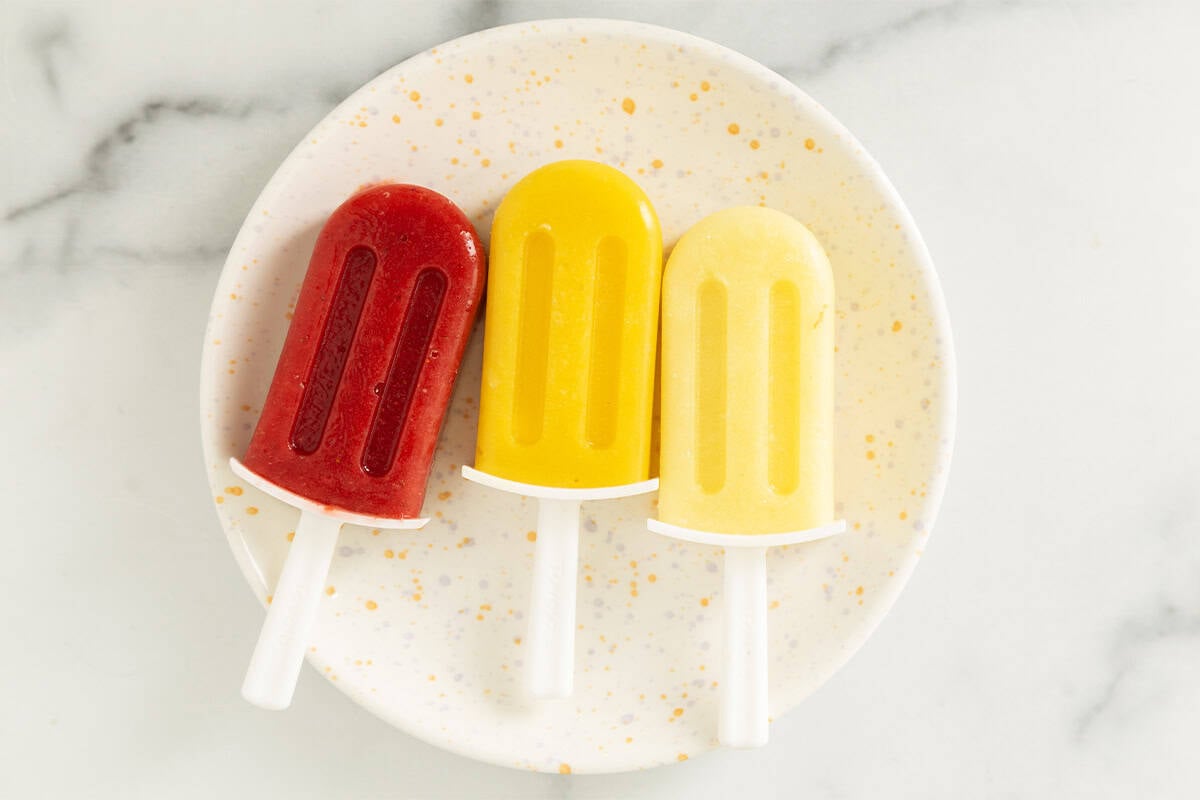
The Science and Appeal of Frozen Fruit
The appeal of frozen fruit bars is rooted in both culinary tradition and nutritional science. Fruits, when frozen and then blended, retain a significant portion of their vitamins, minerals, and fiber. The process of freezing fruit essentially pauses its natural degradation, preserving its nutritional integrity. When these fruits are then blended and refrozen, they create a texture that is both satisfyingly icy and refreshingly smooth. Unlike many commercially produced frozen treats that may contain added sugars, artificial colors, and preservatives, homemade fruit bars are typically made with just the fruit itself, sometimes with a touch of natural sweetener or a complementary liquid like water or juice if needed to achieve the desired consistency.
The high water content in many fruits, such as watermelon and berries, contributes to their effectiveness as hydrating foods. This makes frozen fruit bars a particularly beneficial option during warmer months or after physical activity. Furthermore, the natural sugars present in fruits provide a source of energy without the sharp spikes and crashes associated with refined sugars. This nutritional profile positions homemade frozen fruit bars as a guilt-free indulgence that aligns with health-conscious eating habits.
Crafting Your Own Frozen Fruit Bars: A Simple Process
The creation of these frozen fruit bars is remarkably straightforward, requiring minimal culinary expertise and readily available equipment. The core of the recipe involves a simple blending process followed by a freezing stage.
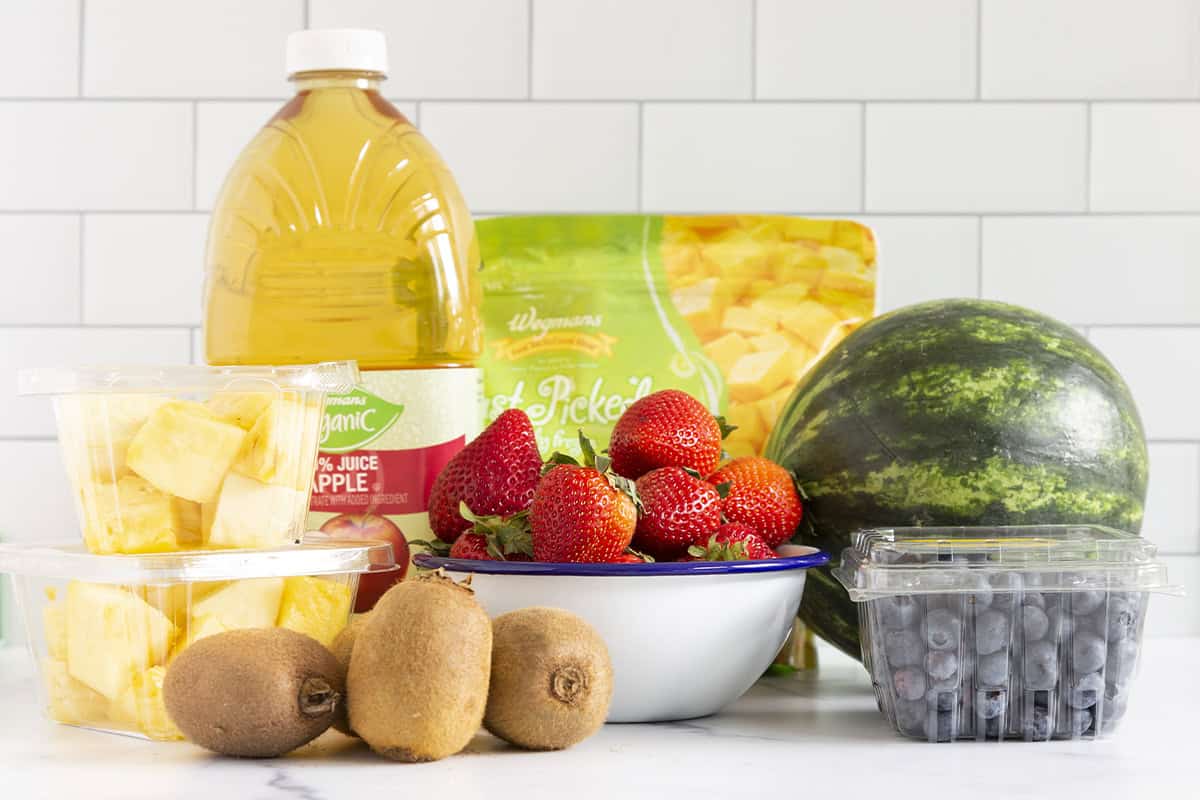
Key Ingredients for Success:
At its heart, the recipe is exceptionally adaptable, but a foundational understanding of the required components is essential for success. While specific quantities will vary based on the chosen fruits and desired flavor profiles, the general ingredients include:
- Fresh or Thawed Frozen Fruit: This is the star of the show. Using a mix of fruits can create complex and appealing flavor combinations. For instance, pairing sweet berries with a tart citrus fruit can achieve a balanced taste.
- Liquid (Optional but Recommended): Depending on the water content of the fruit and the desired consistency, a small amount of liquid may be necessary. Water is the simplest choice, but fruit juice (like apple or orange) can enhance the flavor. A dairy-free milk or even a touch of yogurt can also be incorporated for a creamier texture.
- Sweetener (Optional): While ripe fruits often provide sufficient sweetness, some may benefit from a touch of natural sweetener. Options include honey, maple syrup, agave nectar, or a simple syrup made from sugar and water. The amount should be adjusted to personal preference and the sweetness of the fruit used.
The Step-by-Step Guide to Frozen Delight:
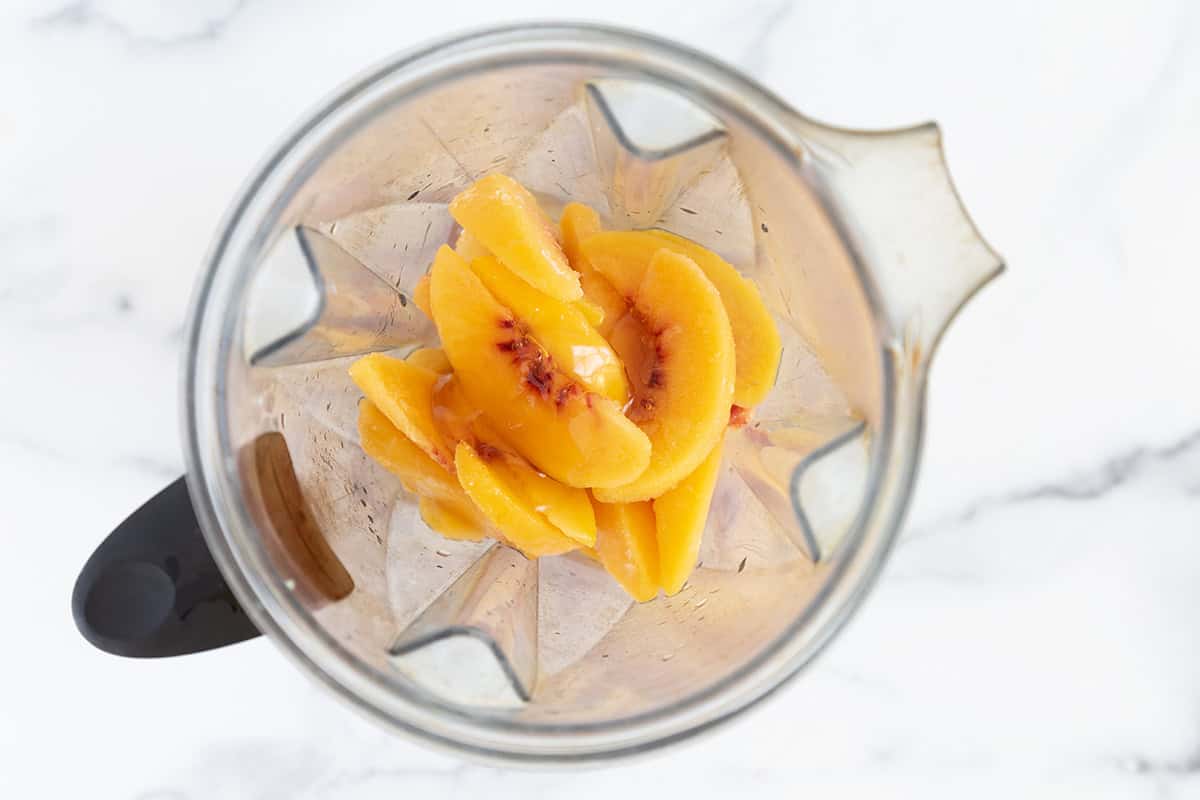
- Preparation of Fruit: If using fresh fruit, wash it thoroughly and prepare it by removing any pits, seeds, or tough skins. If using frozen fruit, allow it to thaw slightly to make blending easier. For optimal texture, it’s often beneficial to freeze some fruits before blending them, especially if aiming for a firmer bar.
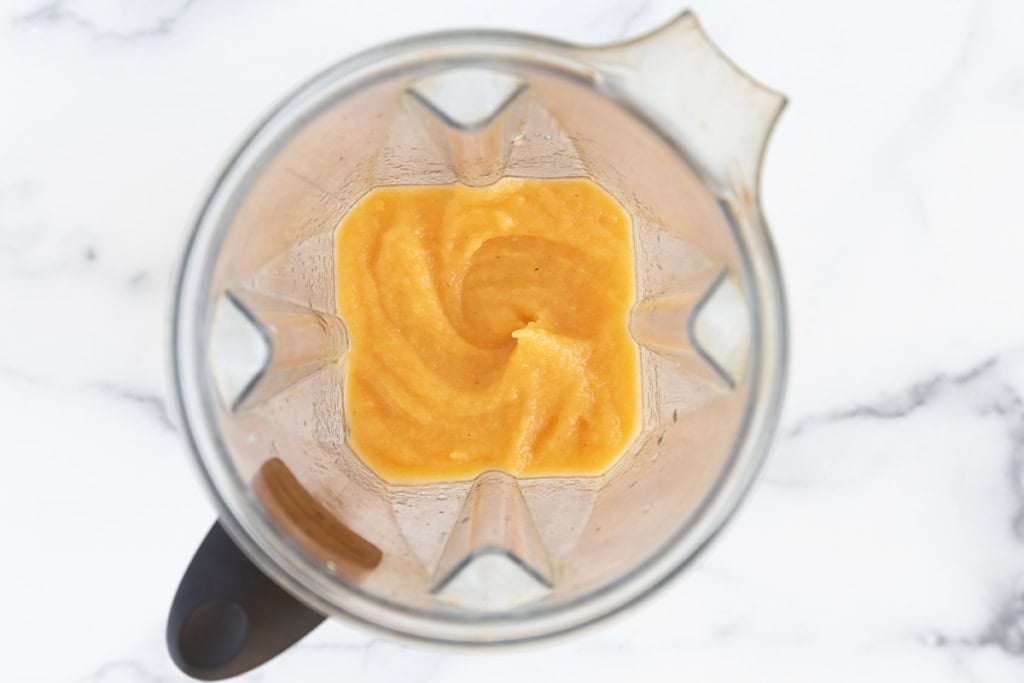
- Blending the Mixture: Combine the prepared fruit and any chosen liquid or sweetener in a blender. Blend on high speed until the mixture is exceptionally smooth and homogenous. The goal is to achieve a velvety consistency without any fibrous chunks. This stage is also an opportune moment to taste the mixture and adjust sweetness or flavor as needed. Some recipes might benefit from a brief pulse with ice cubes for a thicker, sorbet-like texture.
- Filling the Molds: Carefully pour the blended fruit mixture into popsicle molds or ice pop sleeves. It is crucial to fill them to the desired level, leaving a small amount of space at the top to allow for expansion during freezing. If using molds that require sticks, insert them at this stage.
- The Freezing Process: Place the filled molds in the freezer. For optimal results, allow them to freeze completely, which typically takes at least four hours, but overnight is often recommended for the firmest texture. Ensuring they are frozen solid prevents them from melting too quickly upon serving.
- Serving and Enjoyment: Once fully frozen, carefully remove the fruit bars from their molds. They are best served immediately to enjoy their refreshing chill.
Variations and Enhancements
The beauty of homemade frozen fruit bars lies in their infinite adaptability. Beyond single-fruit flavors, consider these creative variations:
- Layered Creations: Create visually stunning bars by freezing layers of different fruit purees. For example, a layer of strawberry puree followed by a layer of blueberry puree offers both visual appeal and a delightful flavor progression.
- Creamy Infusions: For a richer, more decadent bar, incorporate ingredients like Greek yogurt, coconut milk, or a splash of heavy cream into the fruit puree. This adds a luxurious texture and can balance tart flavors.
- Herbal and Spiced Notes: Introduce sophisticated flavor profiles by adding a hint of mint, basil, ginger, or even a pinch of cinnamon to the fruit mixture before blending. These additions can elevate the simple fruit flavor into something truly gourmet.
- Hidden Veggies: For an extra nutritional boost, consider blending in mild-flavored vegetables like spinach or zucchini. When paired with sweet fruits like pineapple or mango, the vegetable’s flavor is often masked, providing a healthy surprise.
- Citrus Zest: The zest of lemons, limes, or oranges can add a bright, aromatic dimension to fruit bars, cutting through sweetness and enhancing the overall fruitiness.
Storage and Longevity
Proper storage is key to maintaining the quality and longevity of homemade frozen fruit bars. Once the bars are completely frozen, it is advisable to transfer them from their molds into an airtight container or a heavy-duty freezer bag. Removing as much air as possible from the bag before sealing it will help prevent freezer burn. Stored correctly, these fruit bars can retain their optimal quality for up to six months. This long shelf life makes it practical to prepare larger batches during peak fruit seasons and enjoy them throughout the year.
Addressing Common Inquiries: Frozen Fruit Bar FAQs
What is the texture of these to bite into?
The texture is akin to a classic ice pop, with the characteristic frozen fruit consistency. They begin firm but will soften relatively quickly as they begin to thaw, offering a pleasant, melt-in-your-mouth experience.
Are these frozen fruit bars best for snack or dessert?
These frozen fruit bars are incredibly versatile and can be enjoyed at any time. Their composition of pure fruit makes them a healthy and satisfying option for both a midday snack and a light, refreshing dessert.
What’s the best way to store frozen fruit bars?
To effectively prevent freezer burn and maintain freshness, it is recommended to transfer the fully frozen fruit bars from their molds into a freezer-safe bag. Ensure that as much air as possible is expelled from the bag before sealing it tightly. This creates a protective barrier against moisture and odor absorption from other items in the freezer.
Broader Impact and Consumer Trends
The growing interest in homemade frozen fruit bars reflects a broader consumer trend towards healthier eating, increased transparency in food ingredients, and a desire for cost-effective alternatives to processed foods. In an era where concerns about sugar intake and artificial additives are paramount, the ability to control exactly what goes into one’s food is highly valued. This DIY approach empowers consumers to create treats that align with specific dietary needs and preferences, such as being vegan, gluten-free, or low in added sugars.
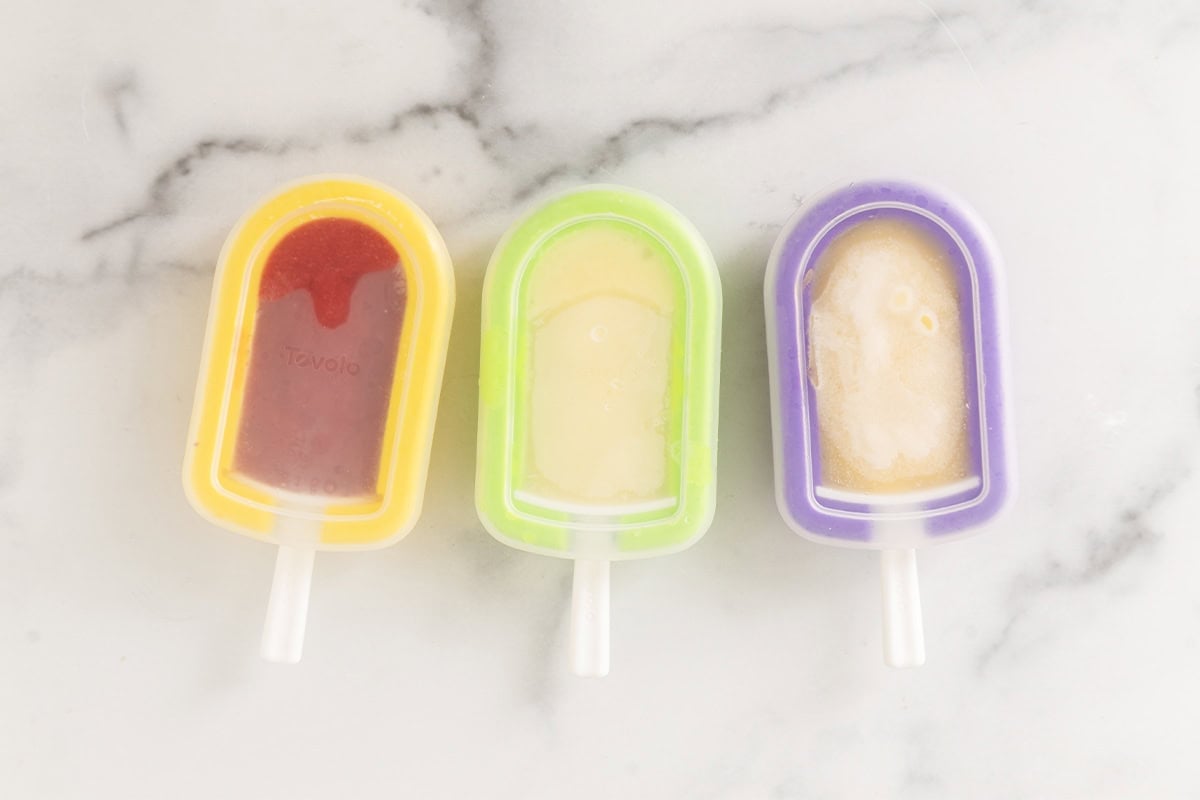
The market for frozen novelties, while dominated by large manufacturers, has seen a rise in niche products and home-based food preparation. The popularity of recipes like these frozen fruit bars underscores a shift towards valuing natural ingredients and simplified preparation methods. The savings realized by making these treats at home can be substantial, especially for families with multiple children who frequently consume such snacks. For example, a box of eight Outshine bars can cost upwards of $4-$5, whereas the cost of fresh or frozen fruit for an equivalent or greater number of homemade bars is often significantly less, especially when buying fruit in season or in bulk. This economic advantage, combined with the nutritional benefits, makes homemade frozen fruit bars a compelling choice for the modern consumer.
The adaptability of the recipe also means it can be a gateway to exploring a wider range of fruits and their associated health benefits. Different fruits offer distinct vitamin and antioxidant profiles. For instance, berries are rich in anthocyanins, mangoes are a good source of Vitamin A and C, and citrus fruits are packed with Vitamin C. By experimenting with various fruit combinations, individuals can create frozen treats that are not only delicious but also contribute a diverse array of essential nutrients to their diet. This educational aspect, coupled with the enjoyable process of making and consuming them, further solidifies the appeal of homemade frozen fruit bars as a healthy and practical food choice.